Home › Discoveries
Physics discoveries
The most interesting discoveries in physics and space in plain language, each based on a trusted scientific source.
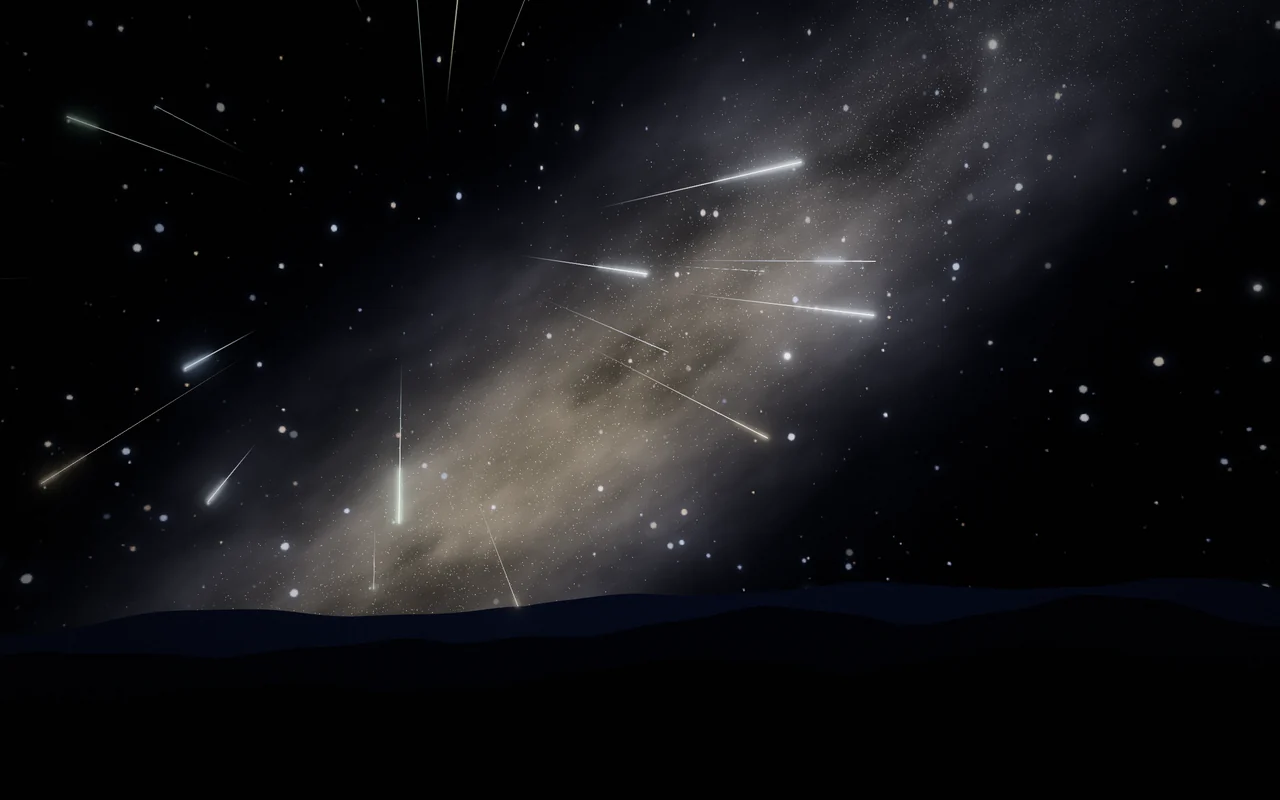
The year's best meteor shower: the Geminids on 13–14 December
In mid-December up to 150 shooting stars an hour can light up the sky, and in 2026 the Moon will barely interfere, making it a great year for the Geminids.
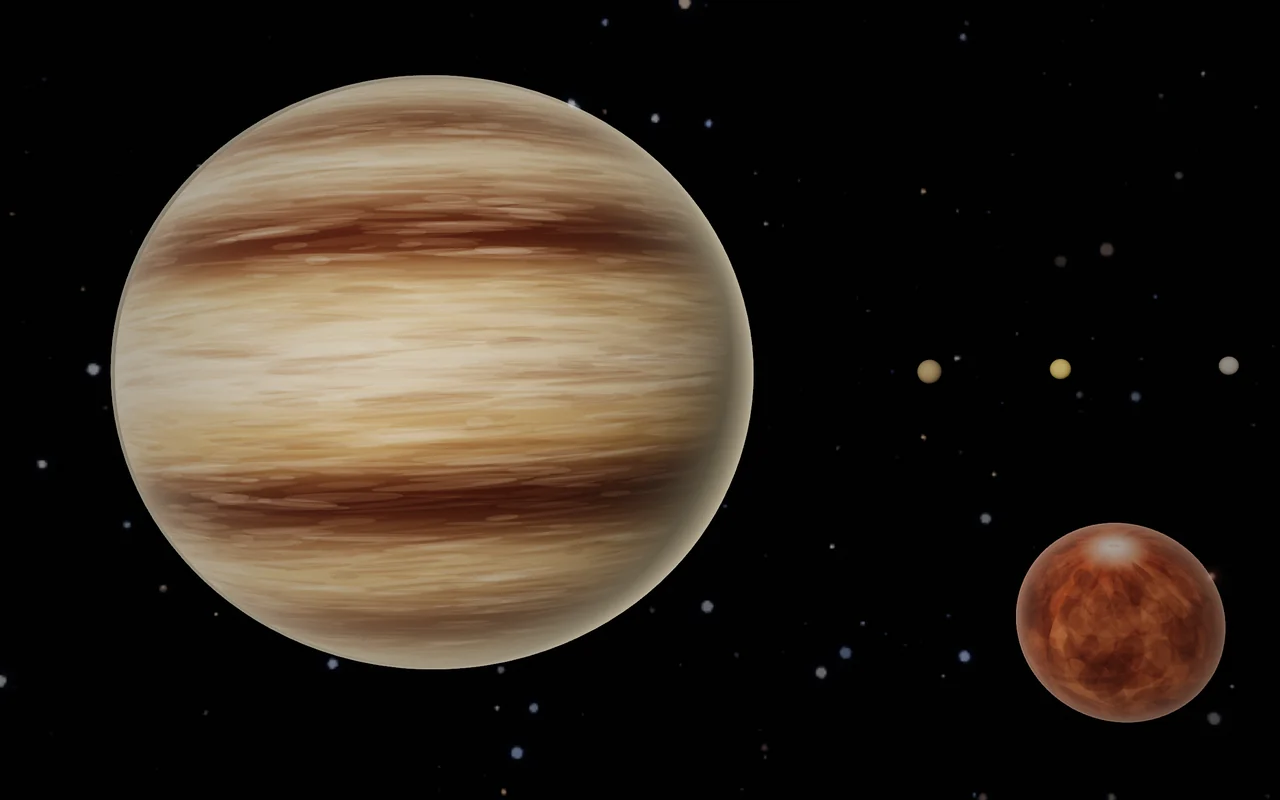
February 2027: Jupiter and Mars at their brightest
In February 2027 Jupiter and then Mars, a week apart, reach opposition, visible all night and at their brightest of the year.
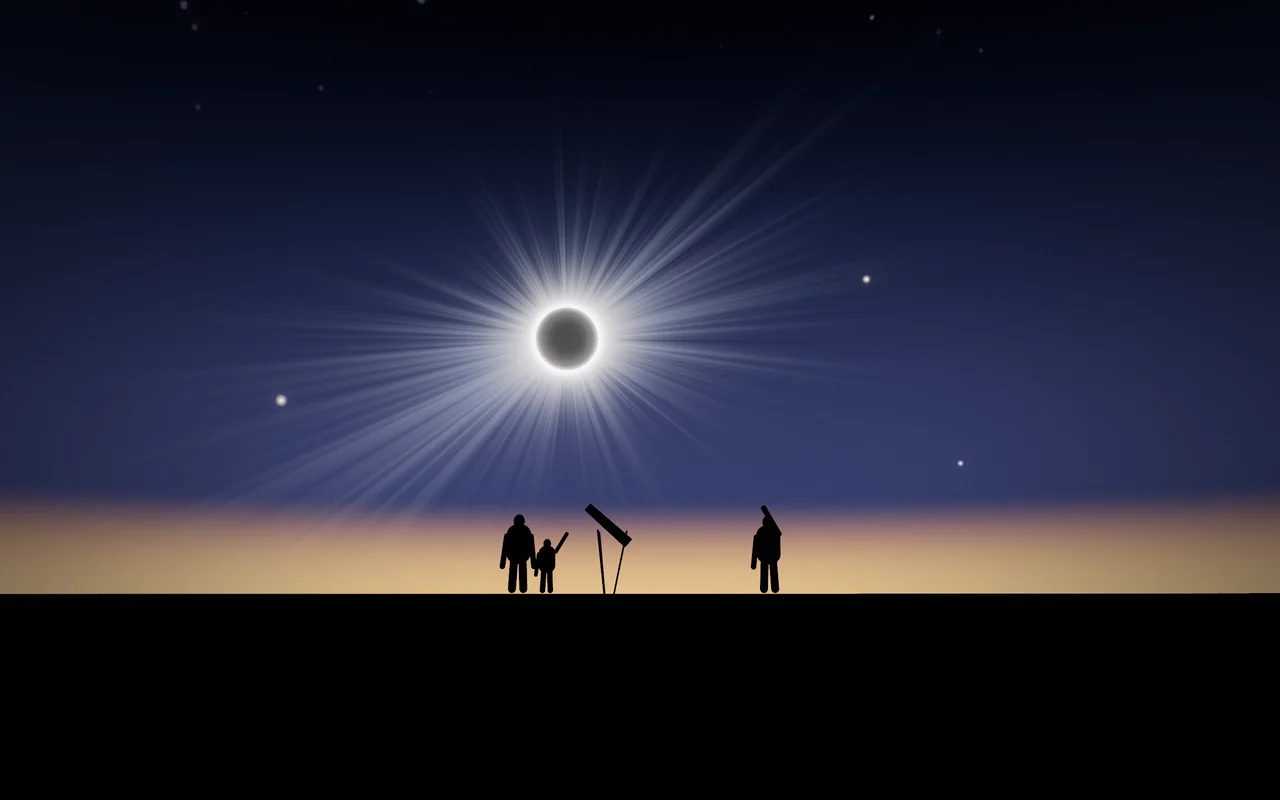
The “eclipse of the century”: the total solar eclipse of 2 August 2027
On 2 August 2027 a total solar eclipse will sweep across Spain, North Africa and Arabia, with totality lasting up to 6 minutes 23 seconds. From Uzbekistan only a small partial eclipse will be visible.
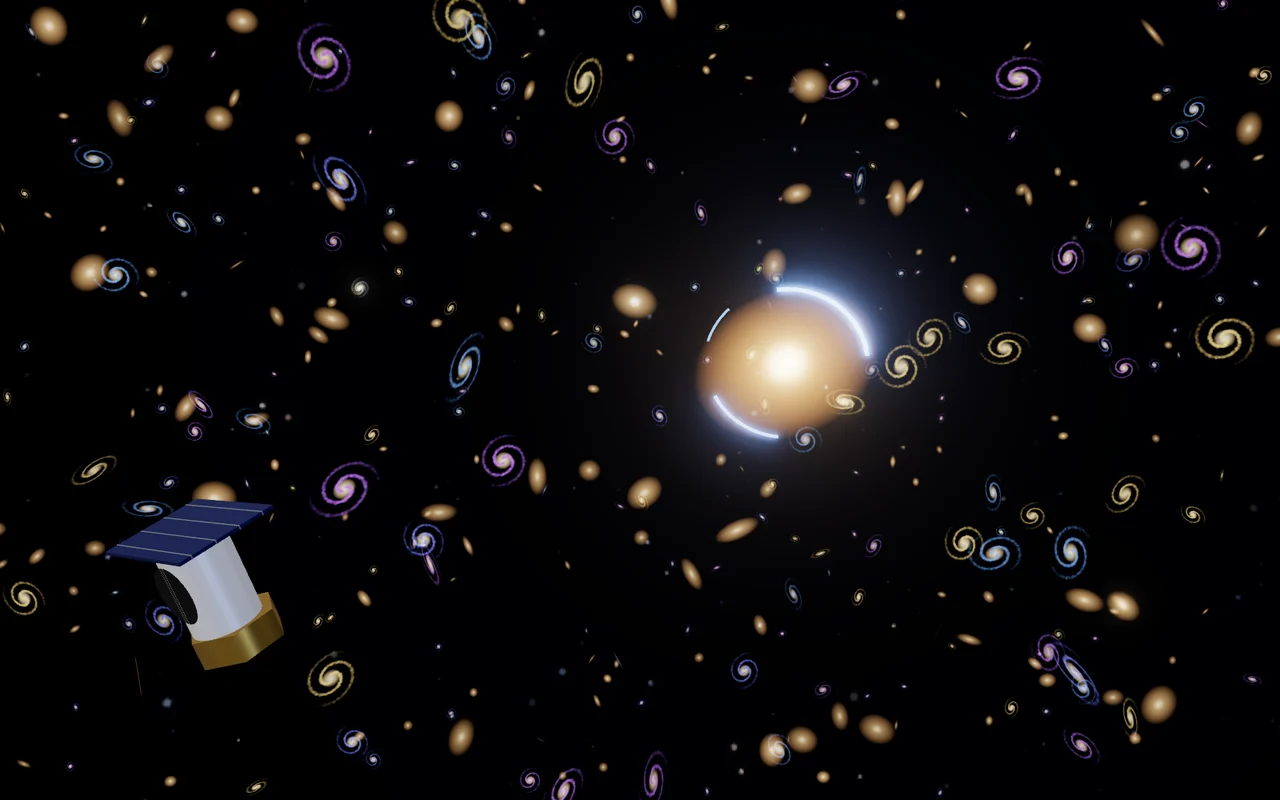
Euclid telescope maps a billion objects in the sky
ESA has opened the first big data set from the Euclid telescope to everyone: a map of more than a billion objects, 900 million galaxies and some 15,000 “cosmic lenses”.
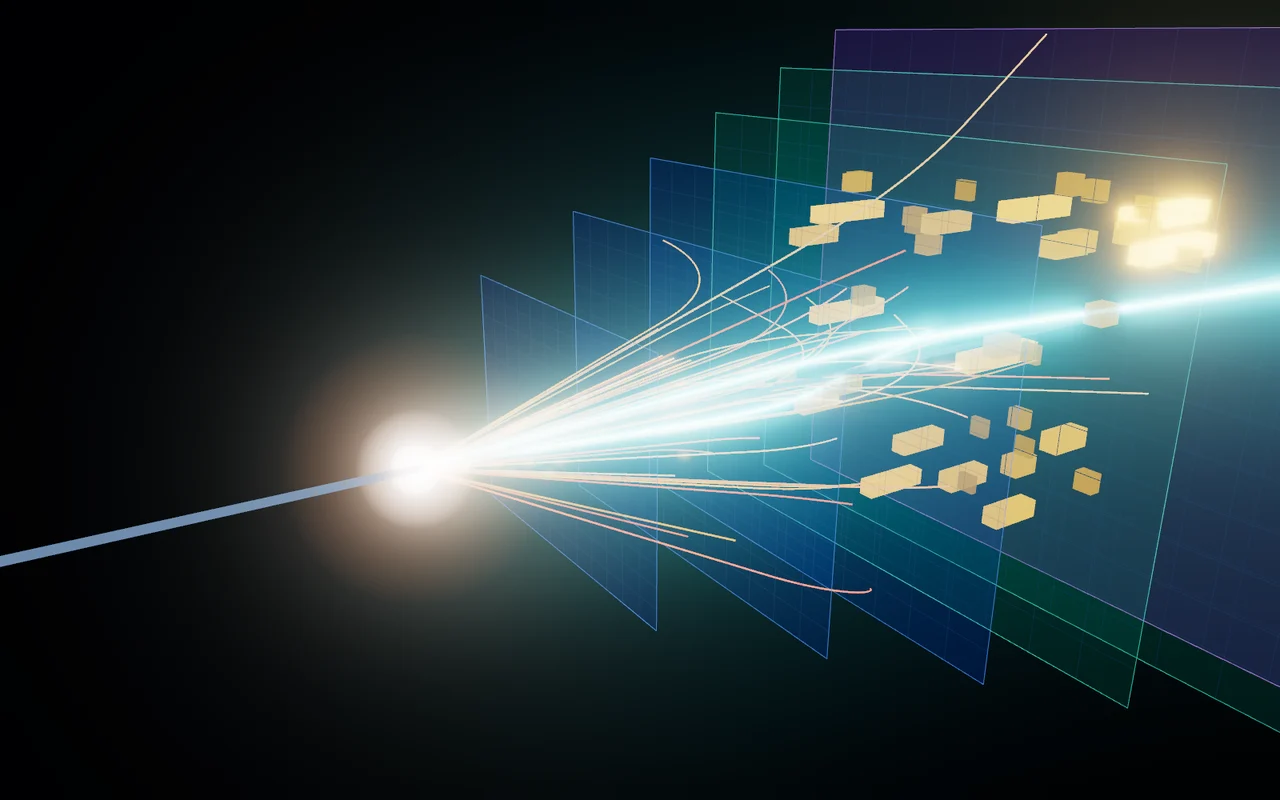
CERN finds a decay that happens once in ten billion
After a 42-year search, LHCb has found evidence of the B⁰ meson decaying into two muons. It happens only once in ten billion decays and is a sensitive way to hunt for “new physics”.
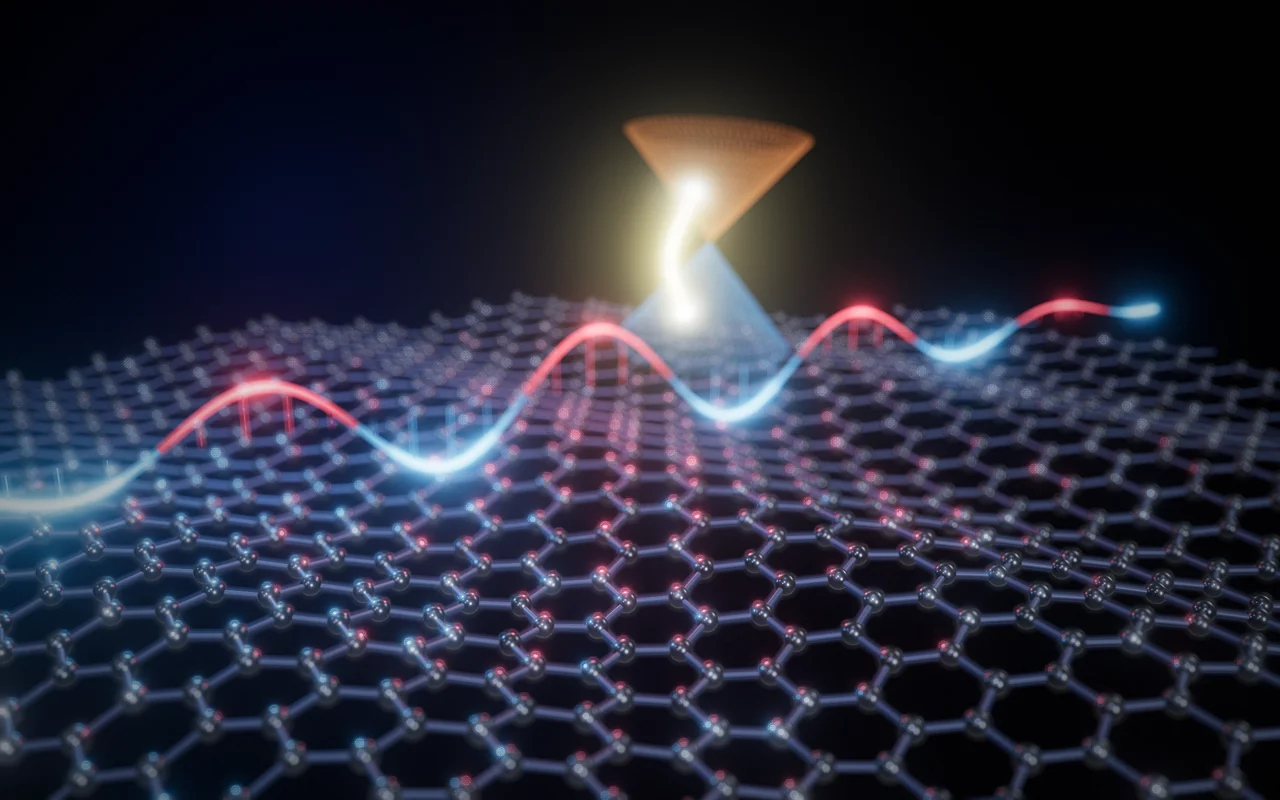
Electrons' “impossible” quantum jumps caught on video
German physicists filmed in “slow motion” how electrons in graphene leap across a forbidden energy gap under intense light, in some cases with 100% probability.
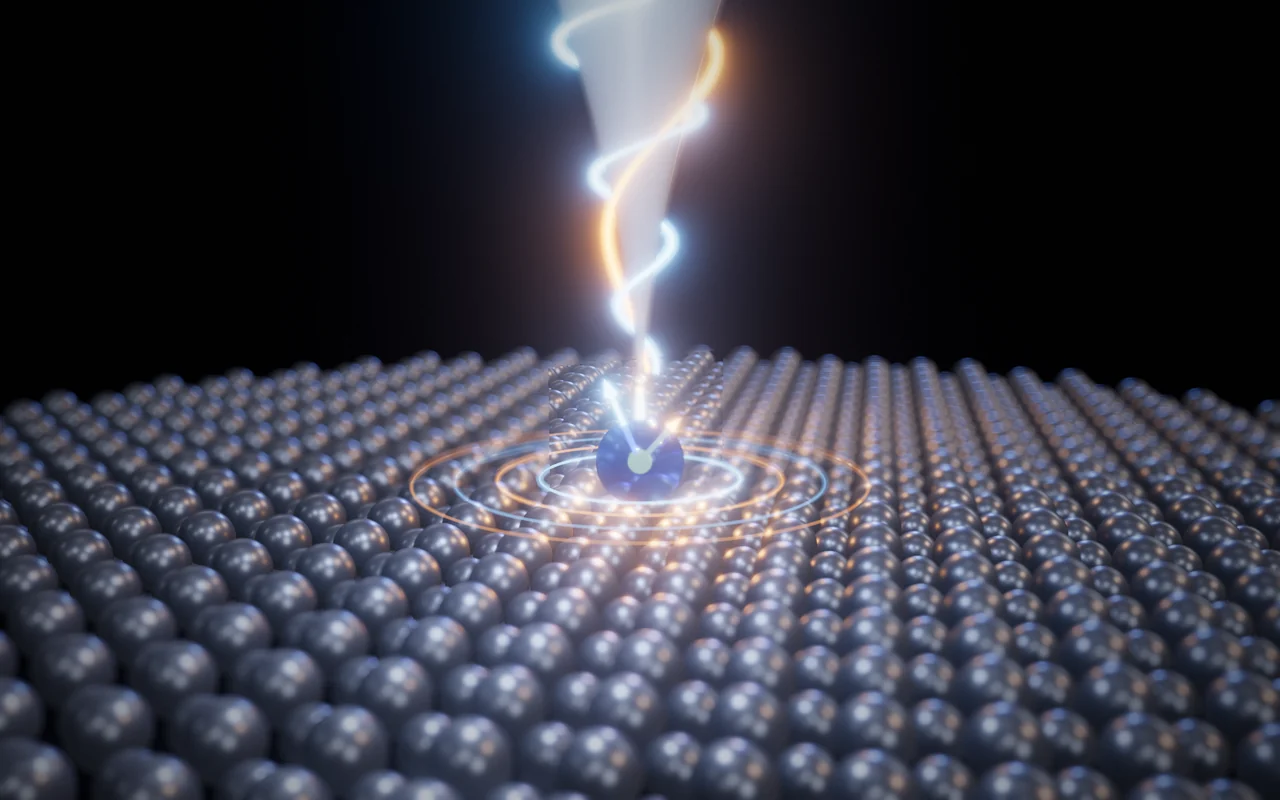
Radio waves steer the magnet inside a single atom's nucleus
Researchers at Delft University of Technology flipped the spin of a single atomic nucleus directly with radio waves, something physicists thought could not be done.
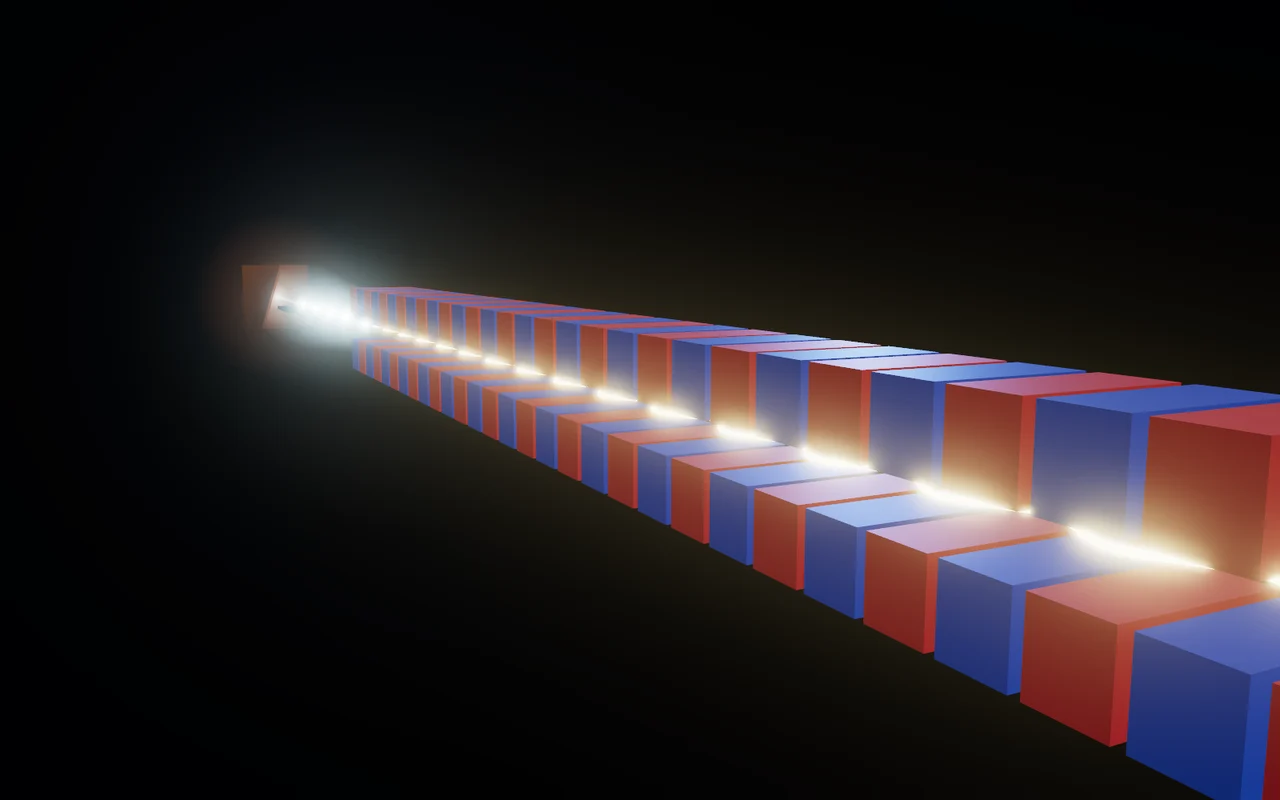
Record X-ray flashes squeezed into a spot 100,000 times smaller than a hair
At the European X-ray laser, flashes lasting just 300 attoseconds were focused into a spot a few hundred nanometres across. Such intense, short light can “photograph” electrons moving inside atoms.
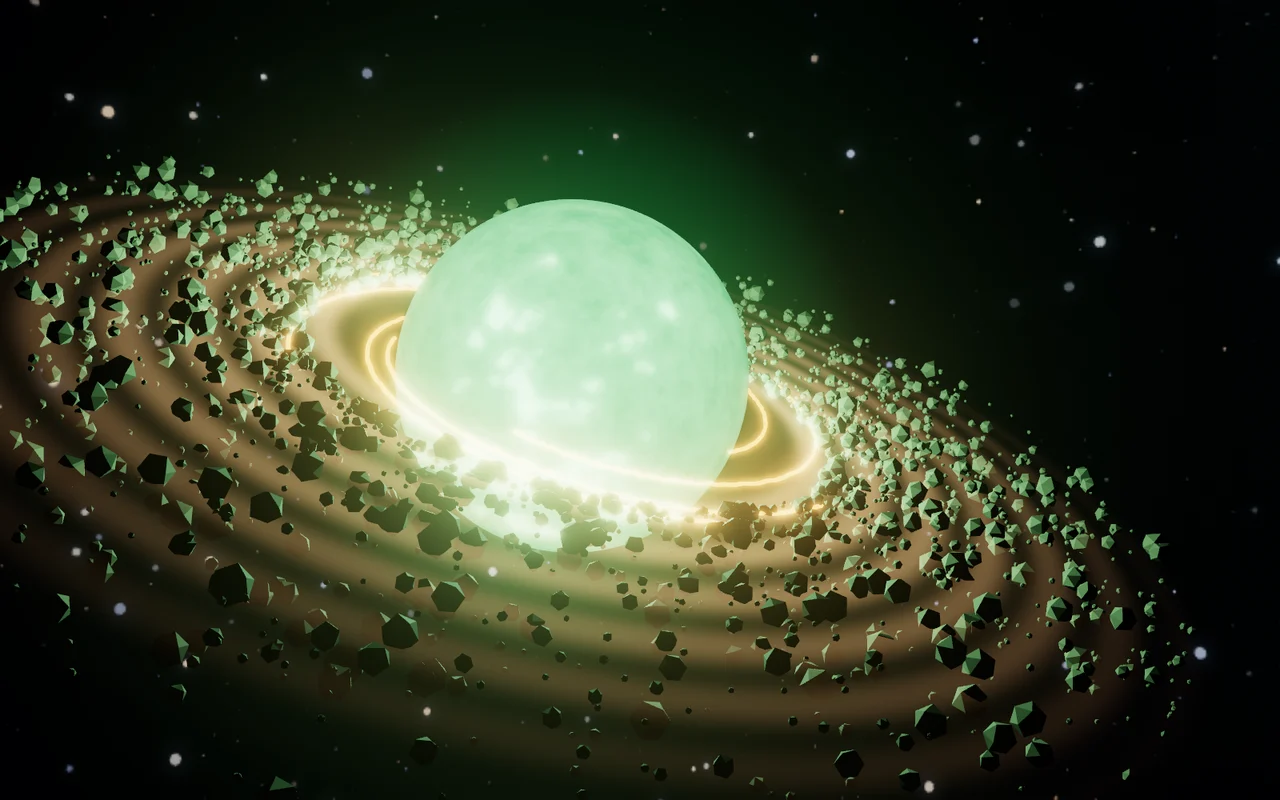
The first green star has been found
Stars are red, yellow, white or blue, never green, until now. Astronomers at Warwick found the first star that would look green to us and explained why with atomic physics.
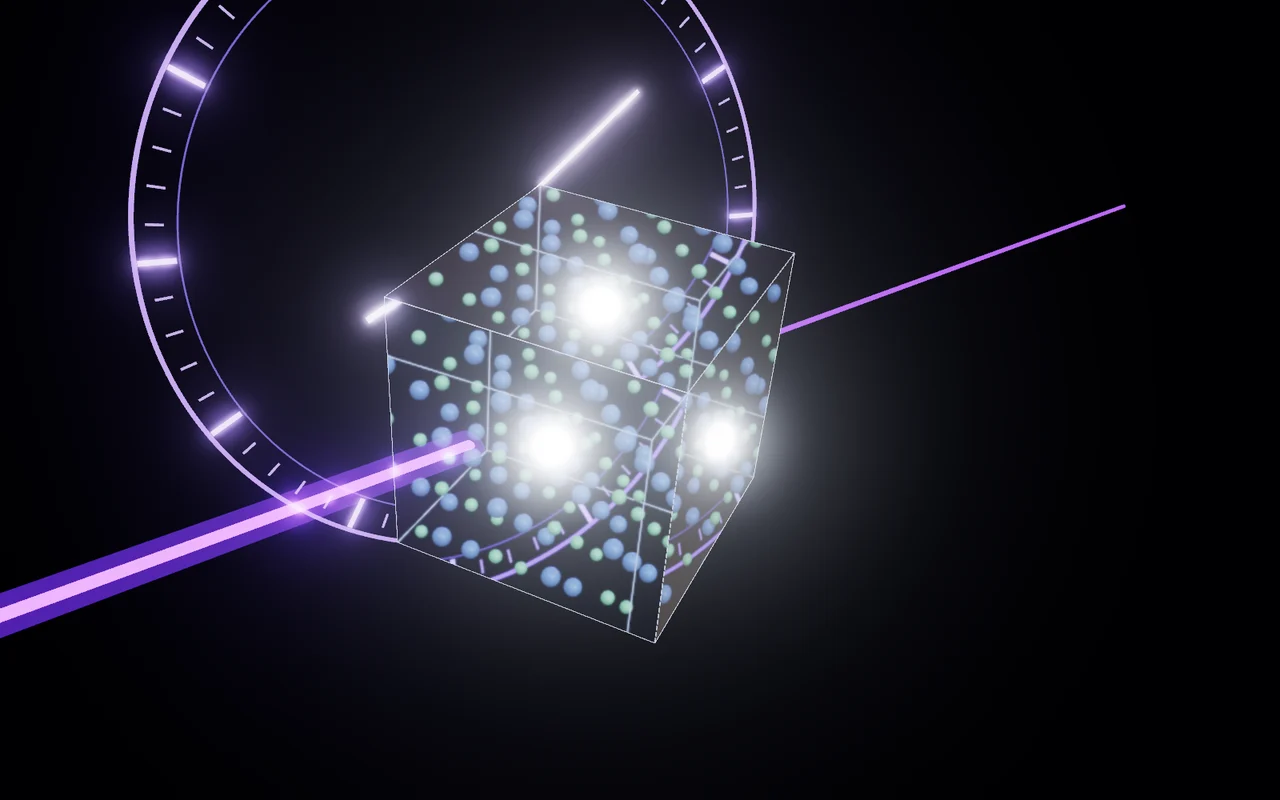
The first nuclear clocks are ticking
Scientists in Austria, Germany and China have built the first clocks that keep time with the “ticks” of an atomic nucleus. One day they may beat today's best atomic clocks.
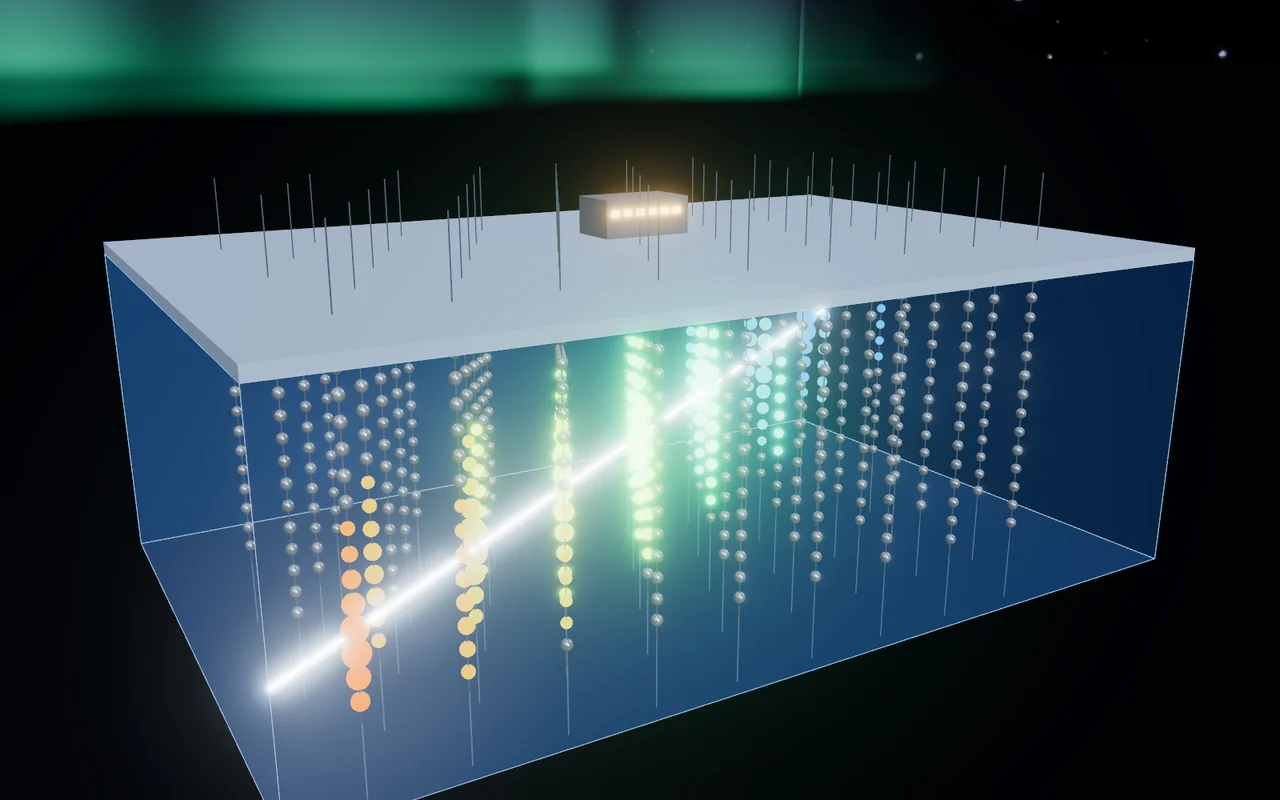
2026 Nobel Prize goes to the scientist who hunts “ghost particles” in Antarctic ice
The Nobel Prize in Physics went to Belgian-American scientist Francis Halzen, who led the building of the IceCube observatory at the South Pole and first caught high-energy neutrinos from deep space.
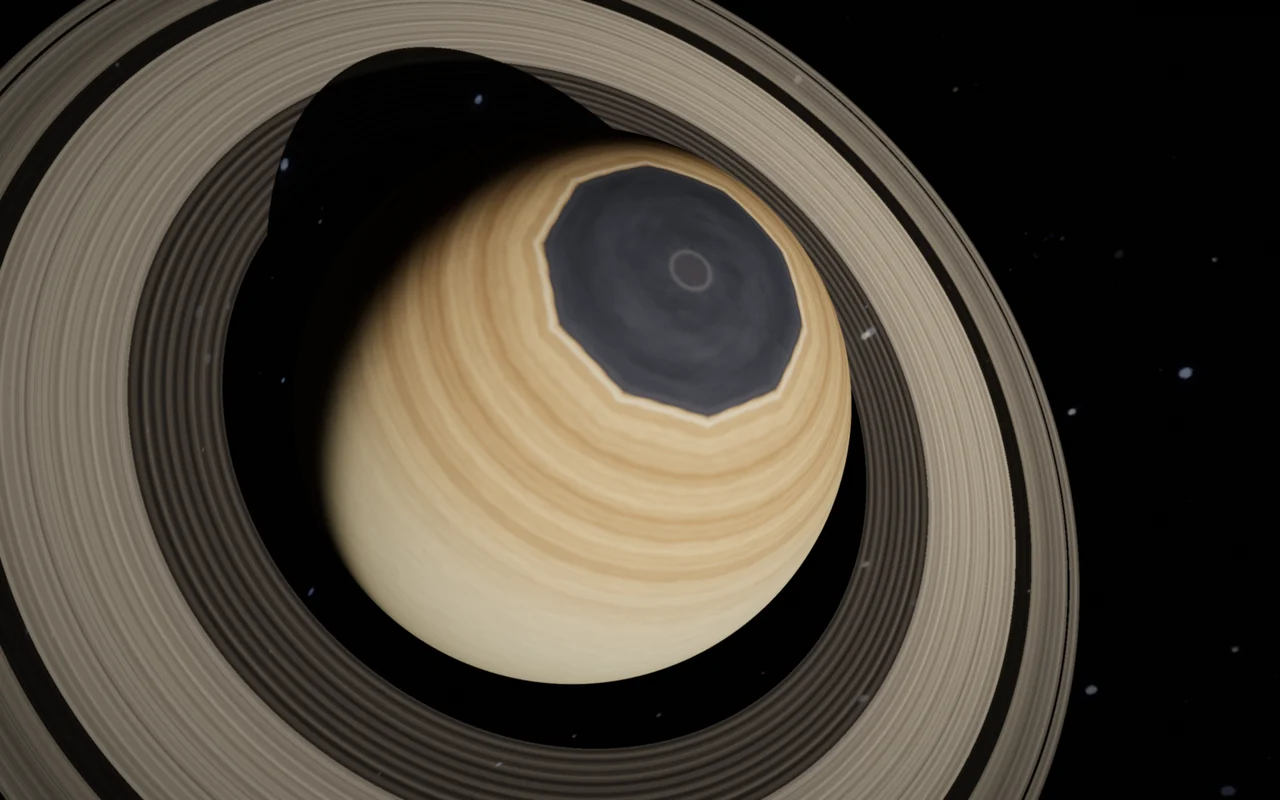
A giant ten-sided wave appears at Saturn's south pole
Hubble has tracked a ten-sided atmospheric wave — a decagon — circling Saturn's south pole, a southern cousin of the planet's famous northern hexagon. Intriguingly, it seems to have formed only recently and is still evolving.
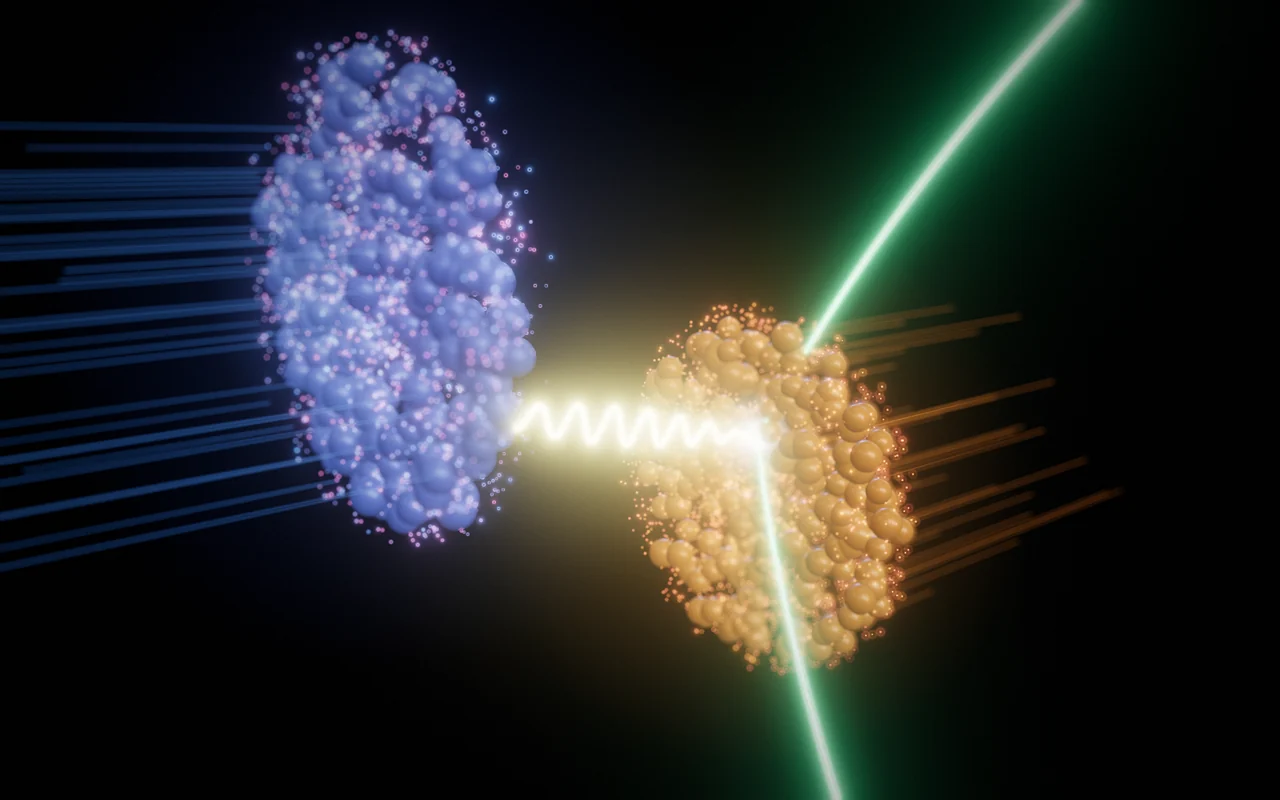
CERN sees gluons crowding inside atomic nuclei
The ALICE experiment made its most detailed study yet of gluons inside lead nuclei, finding that at tiny scales they are packed so densely that they begin to limit one another.
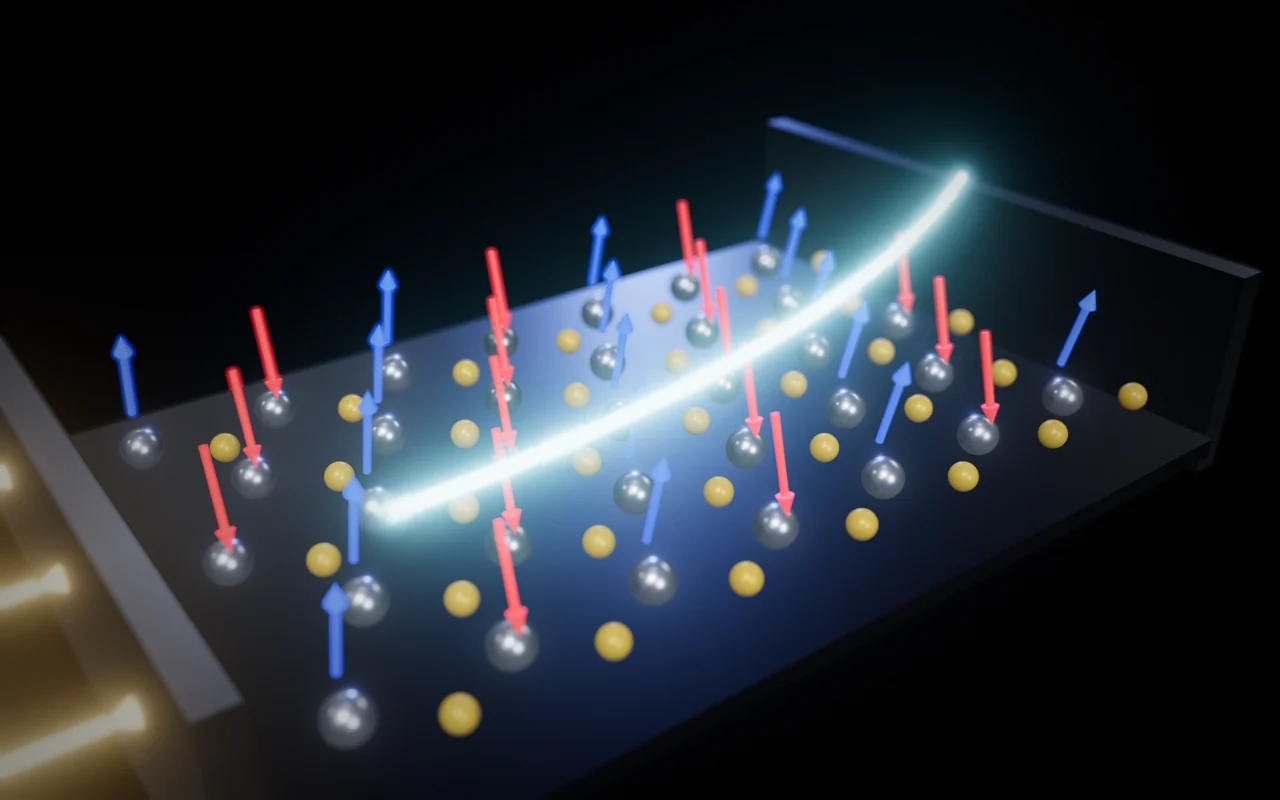
The “third kind” of magnetism: a small squeeze reveals a big clue
Rice University physicists gently squeezed a crystal of a new kind of magnet, an altermagnet, and found its magnetism and electrical behaviour change together, a promising lead for future computer memory.
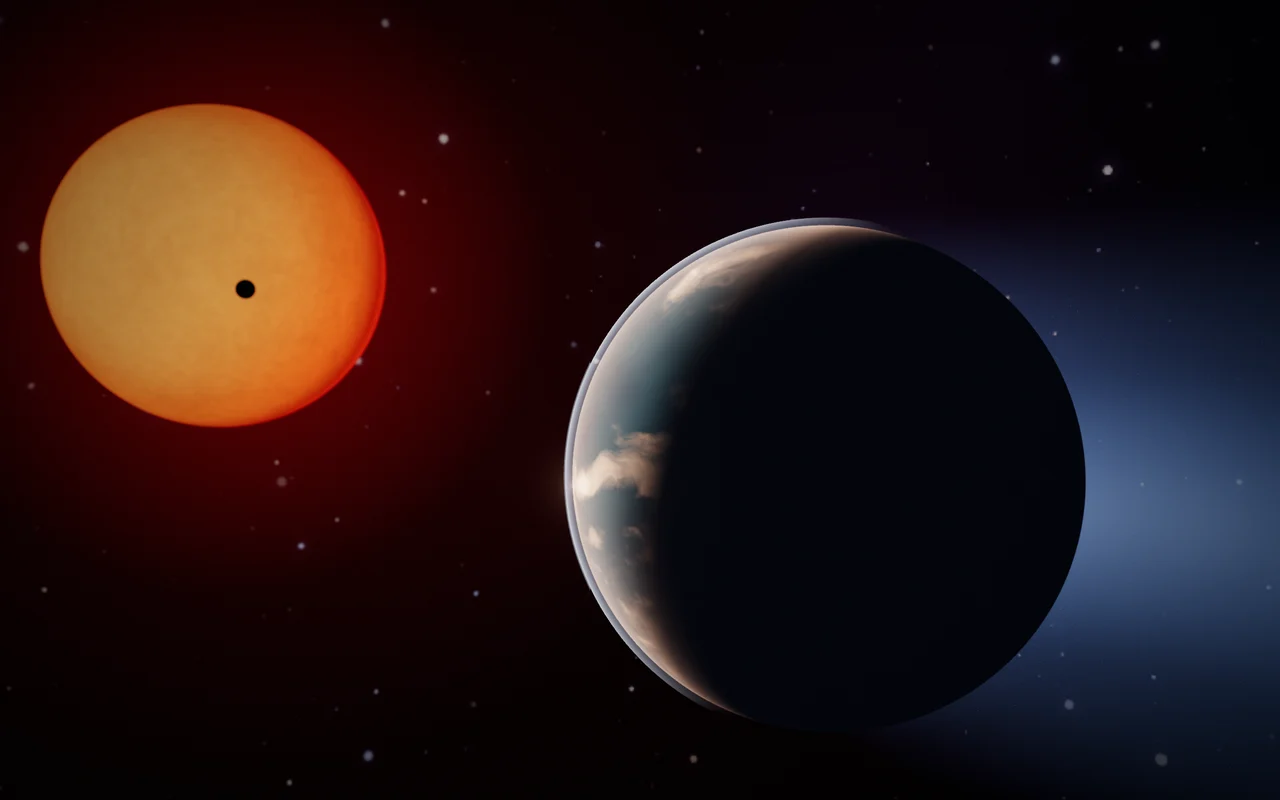
First atmosphere found on a rocky planet in the habitable zone
Astronomers have caught helium streaming into space from LHS 1140 b, 49 light years away — the first atmosphere found on a rocky planet orbiting in its star's habitable zone, making it the strongest candidate yet in the search for life beyond the solar system.
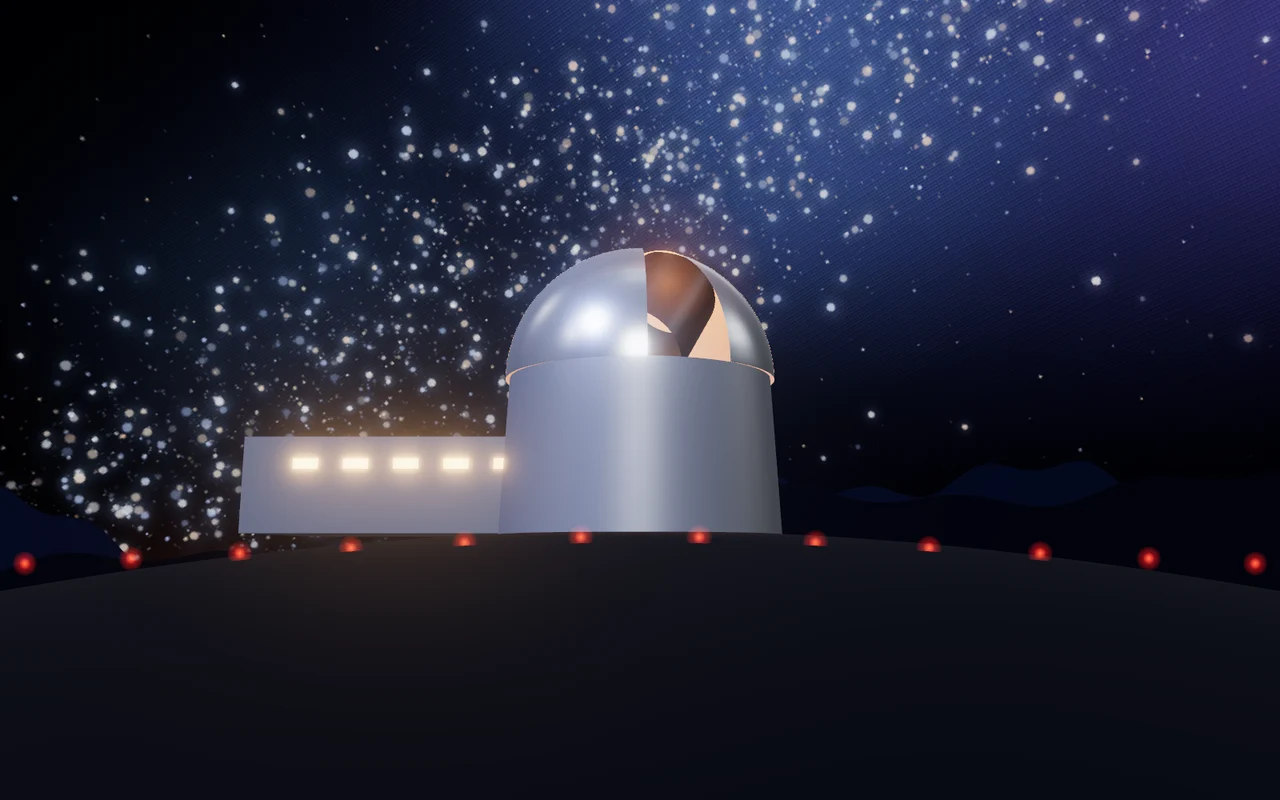
Rubin Observatory starts filming the greatest movie of the Universe
Chile's Vera C. Rubin Observatory, with the world's largest digital camera, has officially begun a 10-year sky survey, re-imaging the southern sky every few nights to catch anything that changes.
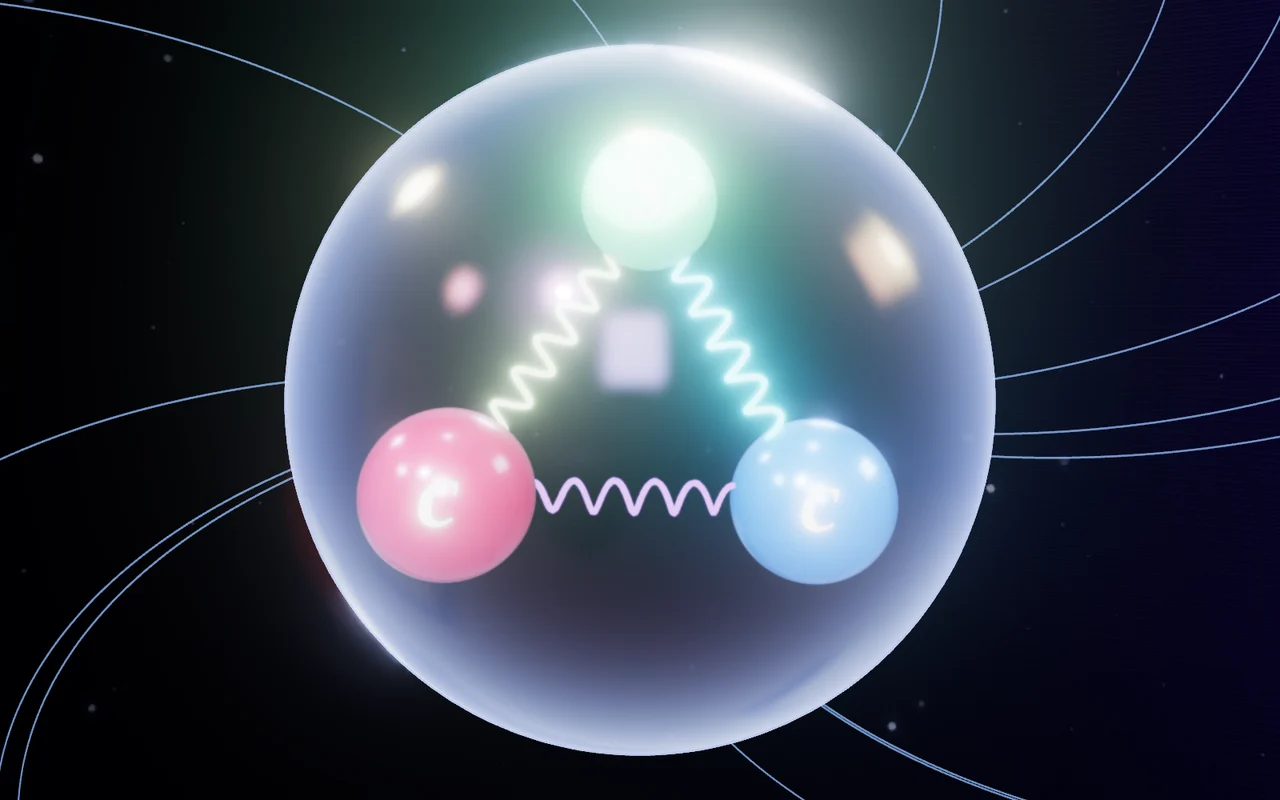
CERN completes the family of doubly charmed particles
The LHCb experiment has discovered the Ωcc⁺ baryon, made of two charm quarks and one strange quark, completing a three-member family predicted 50 years ago.
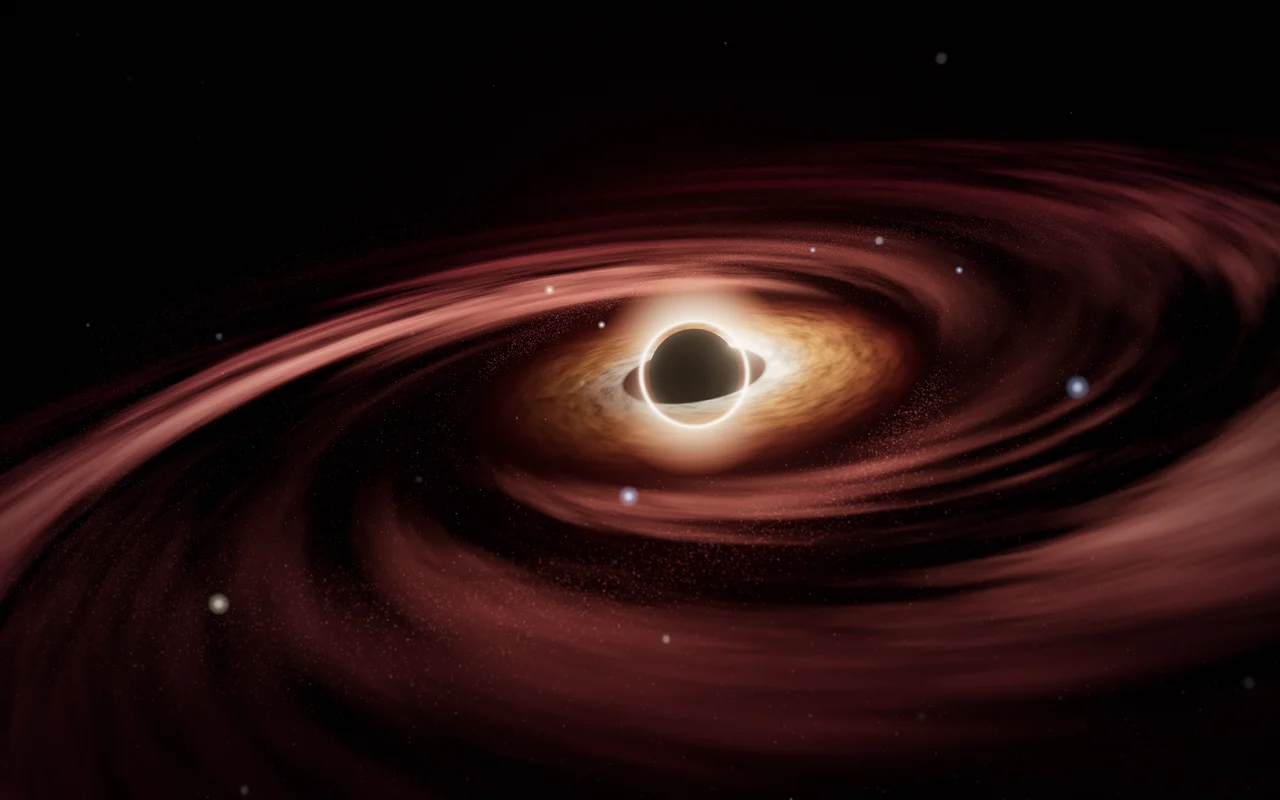
Webb finds a black hole that formed before its galaxy
The James Webb Space Telescope has directly 'weighed' a black hole that existed 700 million years after the Big Bang. At 50 million Suns it makes up at least two-thirds of its whole galaxy — so it was born before the galaxy, and born huge.
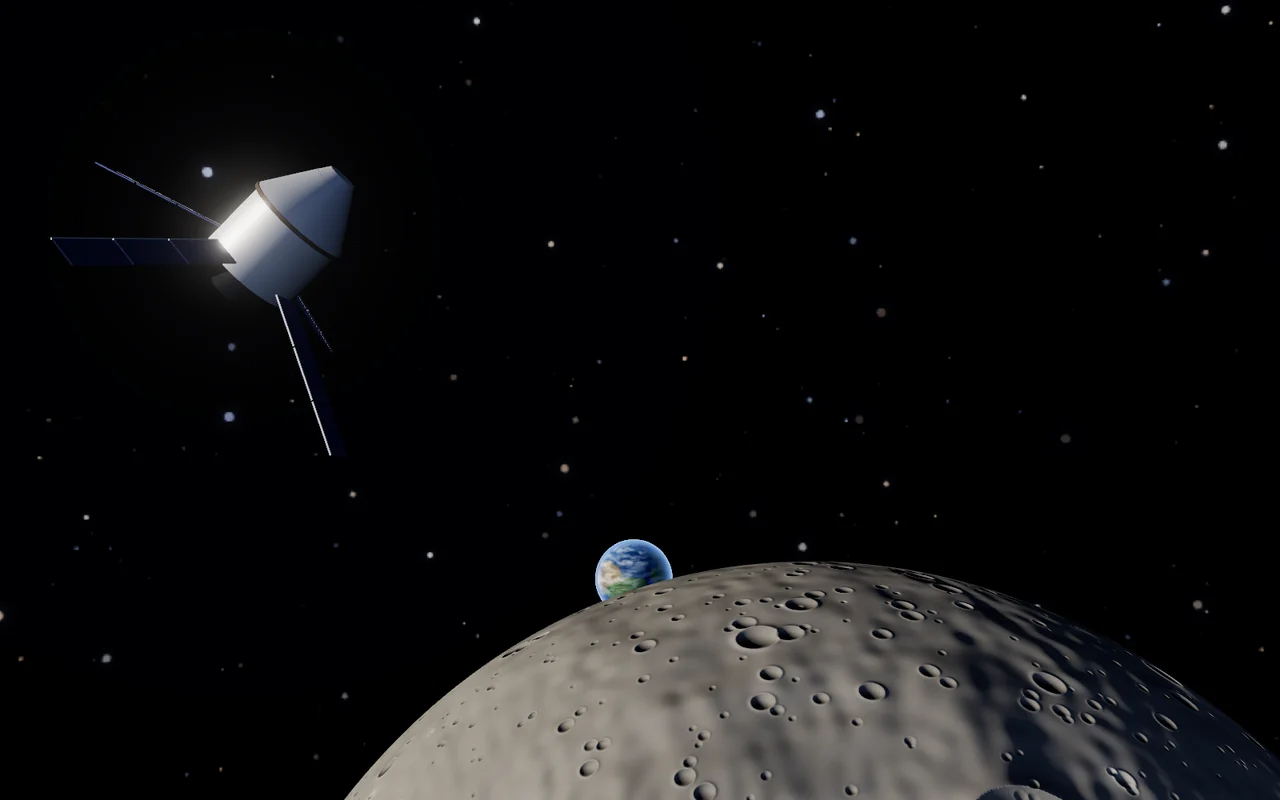
Artemis II: humans have never been this far from Earth
Four astronauts flew around the Moon in Orion, reached 406,771 kilometres from Earth and broke Apollo 13's 56-year-old record. The 10-day flight ended with a safe Pacific splashdown.
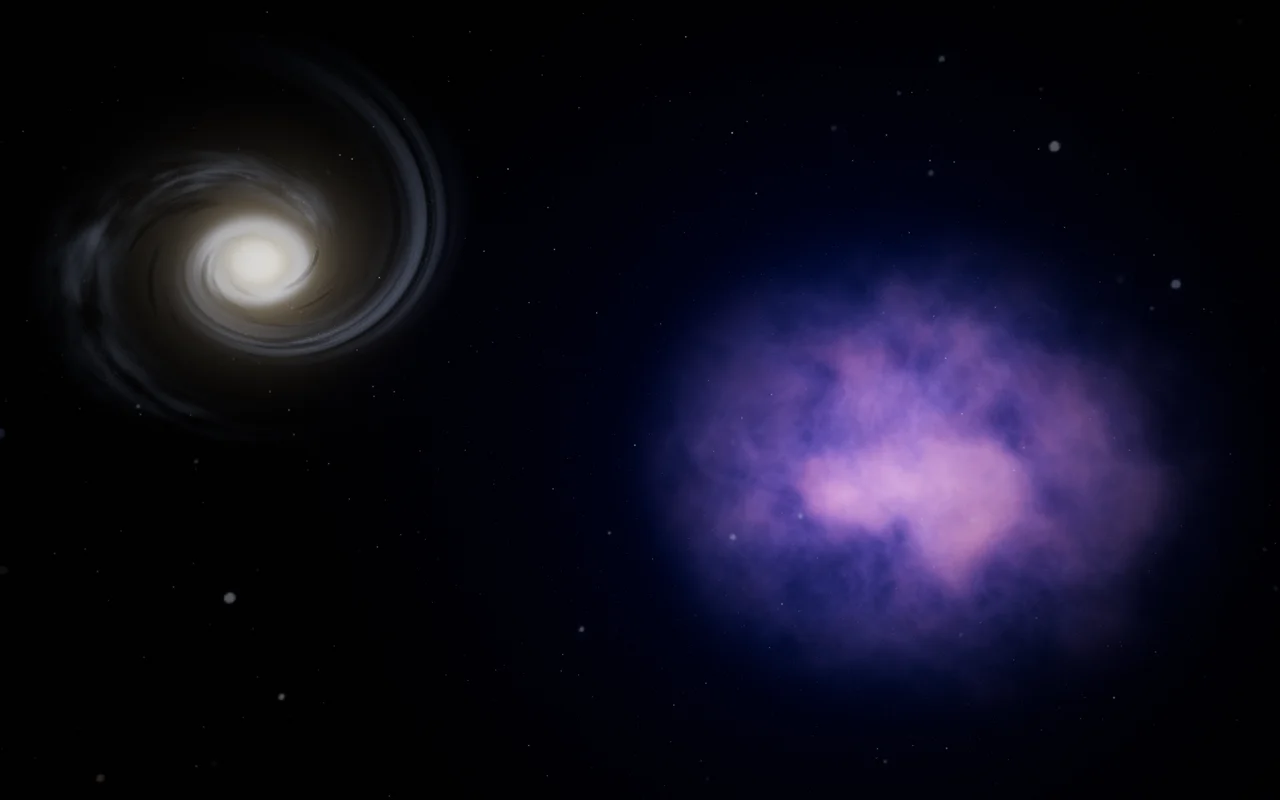
A 'galaxy' with no stars: Cloud-9, a gas cloud held by dark matter
Hubble has confirmed a new kind of object: a hydrogen cloud with not a single star inside, held together by about 5 billion Suns' worth of invisible dark matter — a 'failed' galaxy that never lit up.
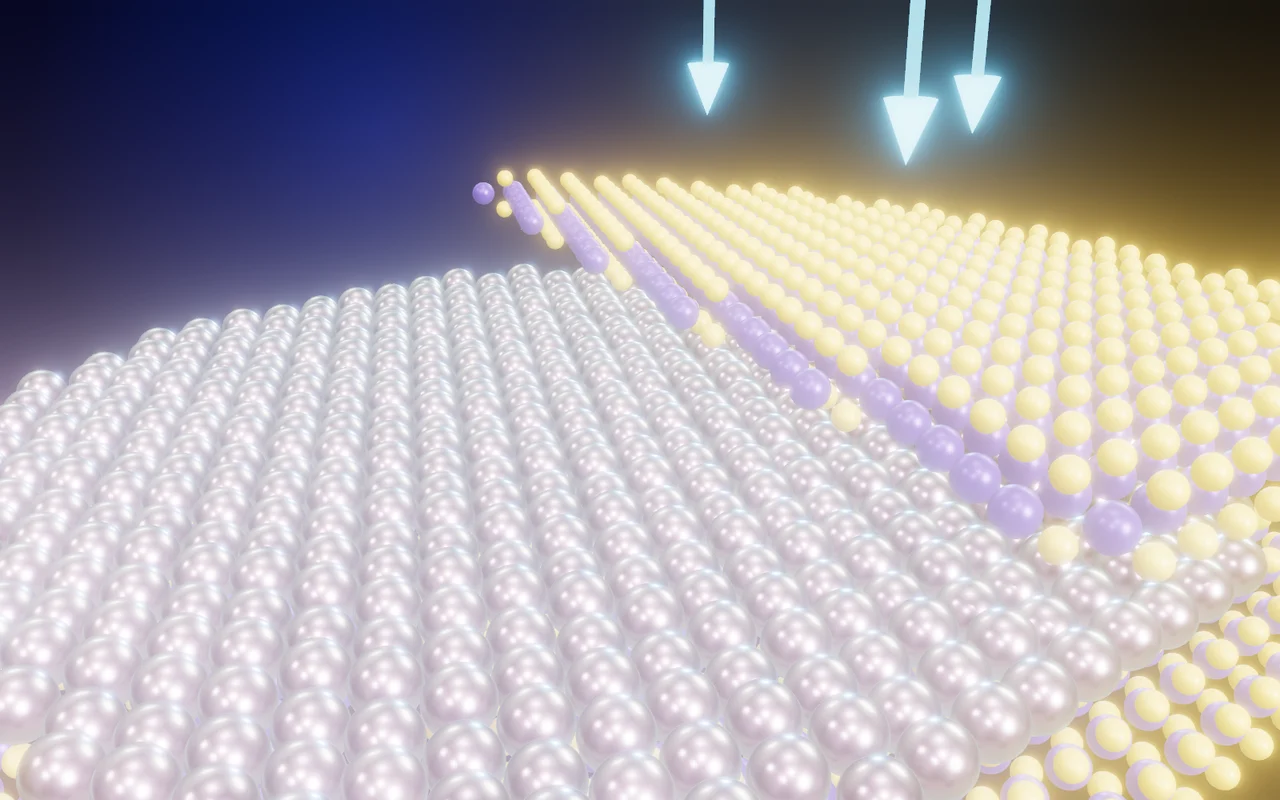
Breakthrough of the Year: metal just one atom thick
Physics World named the work of Chinese scientists its Breakthrough of 2025. By squeezing bismuth, tin, lead, indium and gallium between two “anvils”, they made metal sheets just a few atoms thick.
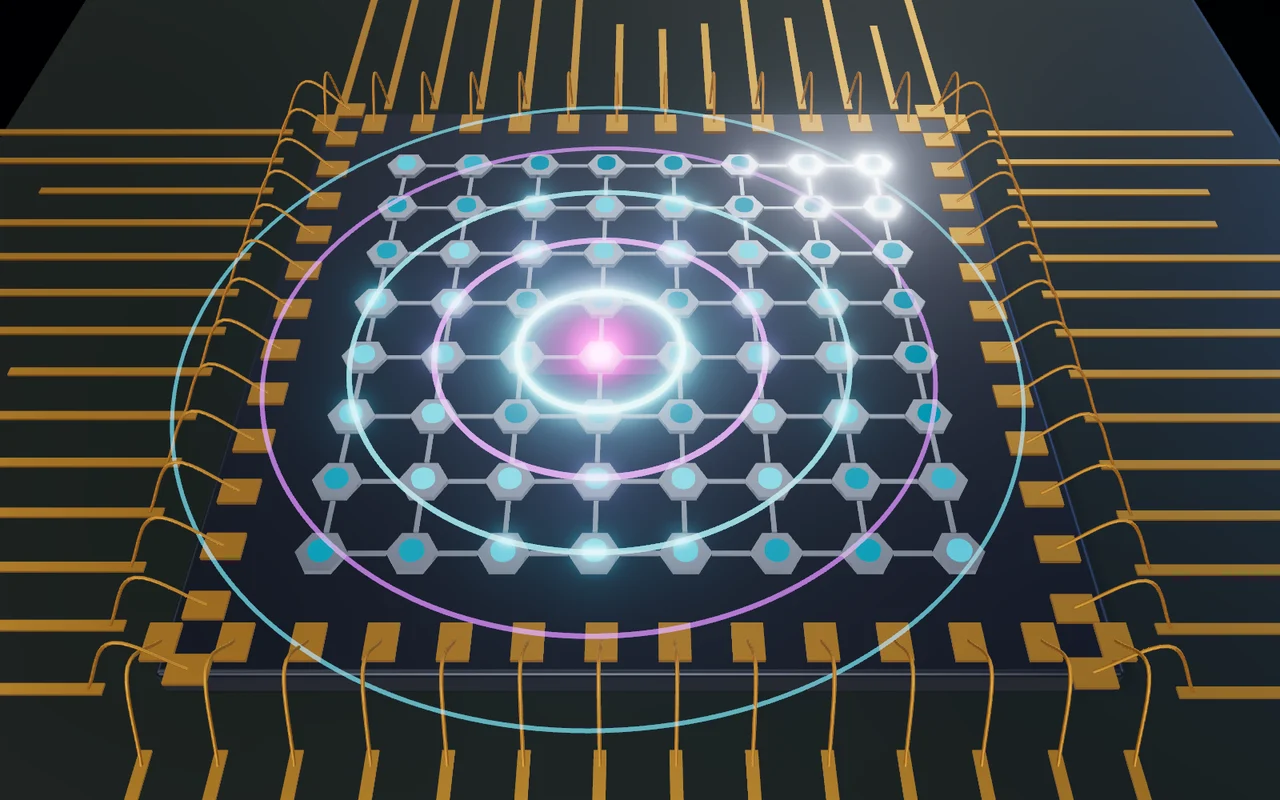
A quantum computer beats a supercomputer 13,000-fold, and the result can be checked
Google ran its “Quantum Echoes” algorithm on the Willow quantum processor, the first demonstration of quantum advantage whose result can be checked by repeating it on another quantum computer.
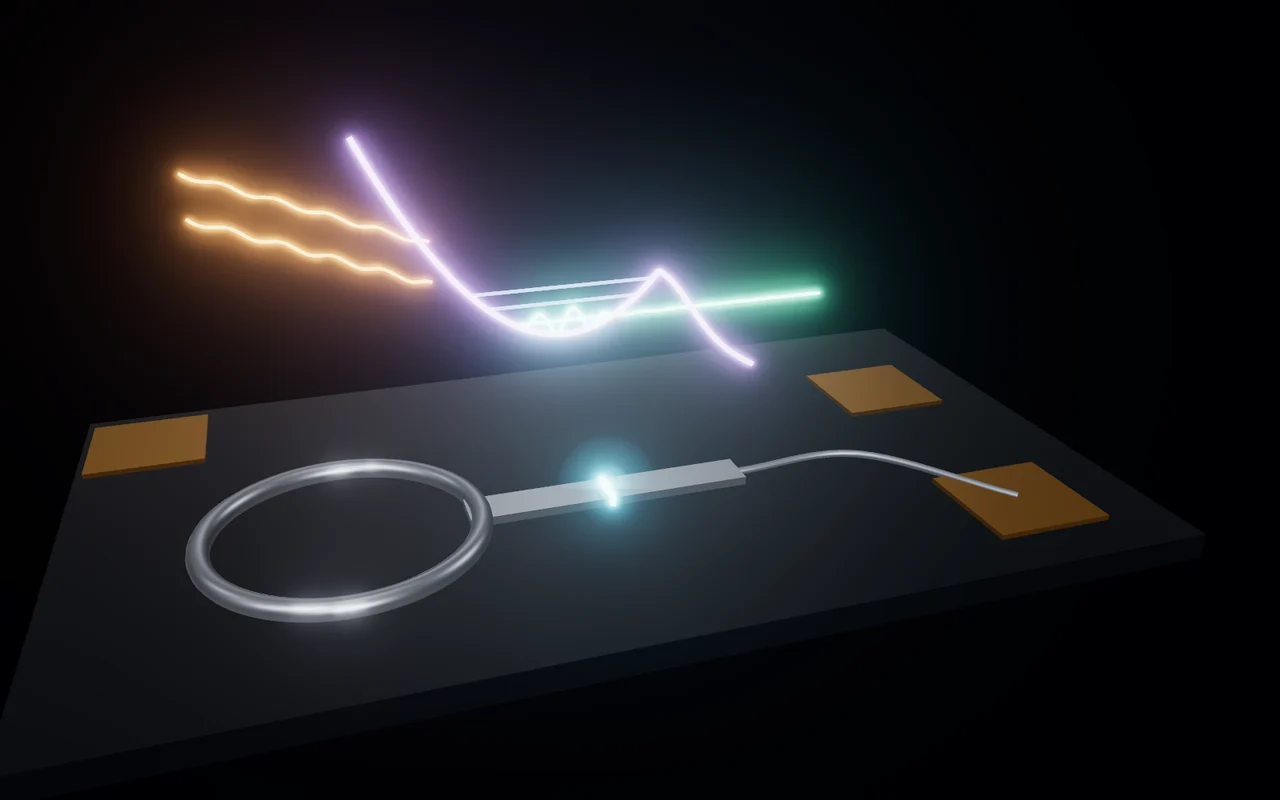
The 2025 Nobel Prize: a quantum world you can hold in your hand
The Nobel Prize in Physics went to John Clarke, Michel Devoret and John Martinis, who showed in the 1980s that a superconducting circuit obeys quantum laws like an atom, paving the way for today's quantum computers.
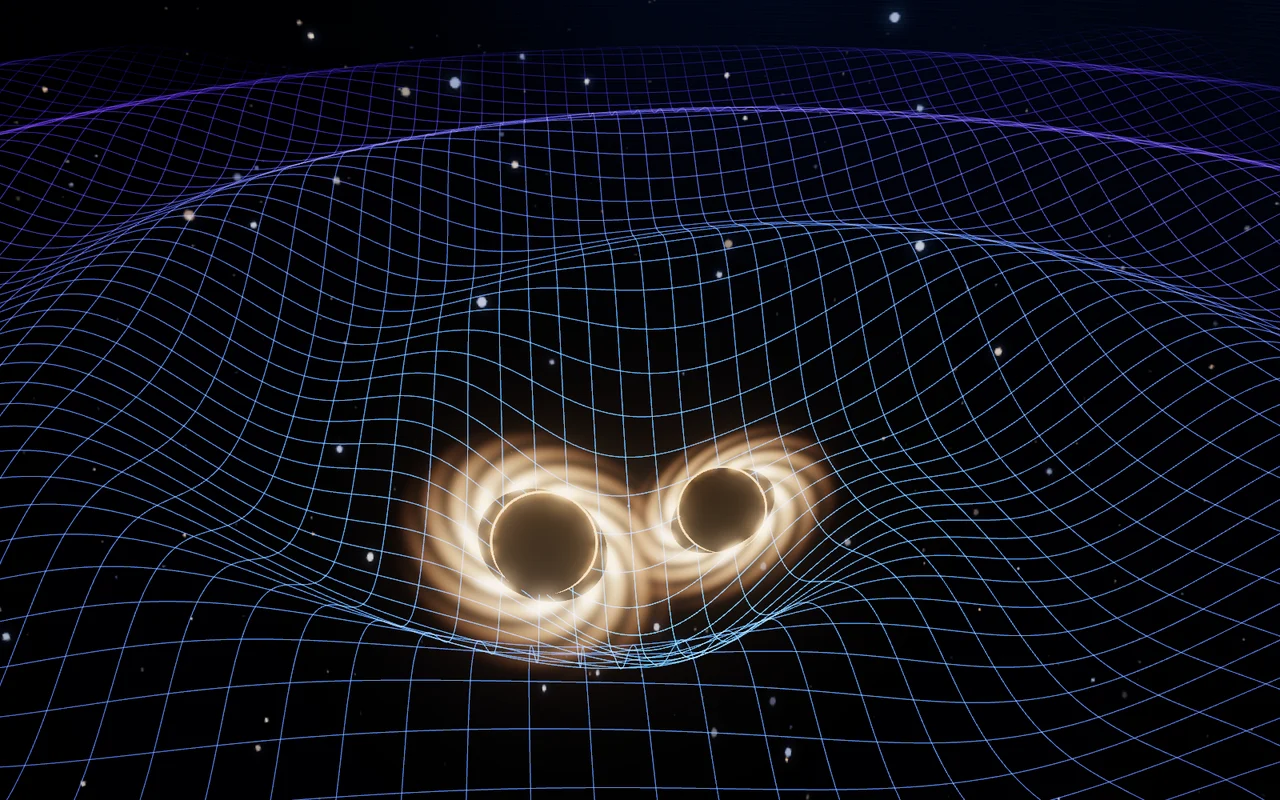
Clearest signal yet: black holes confirm Hawking's theorem
LIGO caught the clearest gravitational wave yet from two merging black holes, confirming with 99.999% confidence Stephen Hawking's 1971 prediction that black hole area never shrinks.
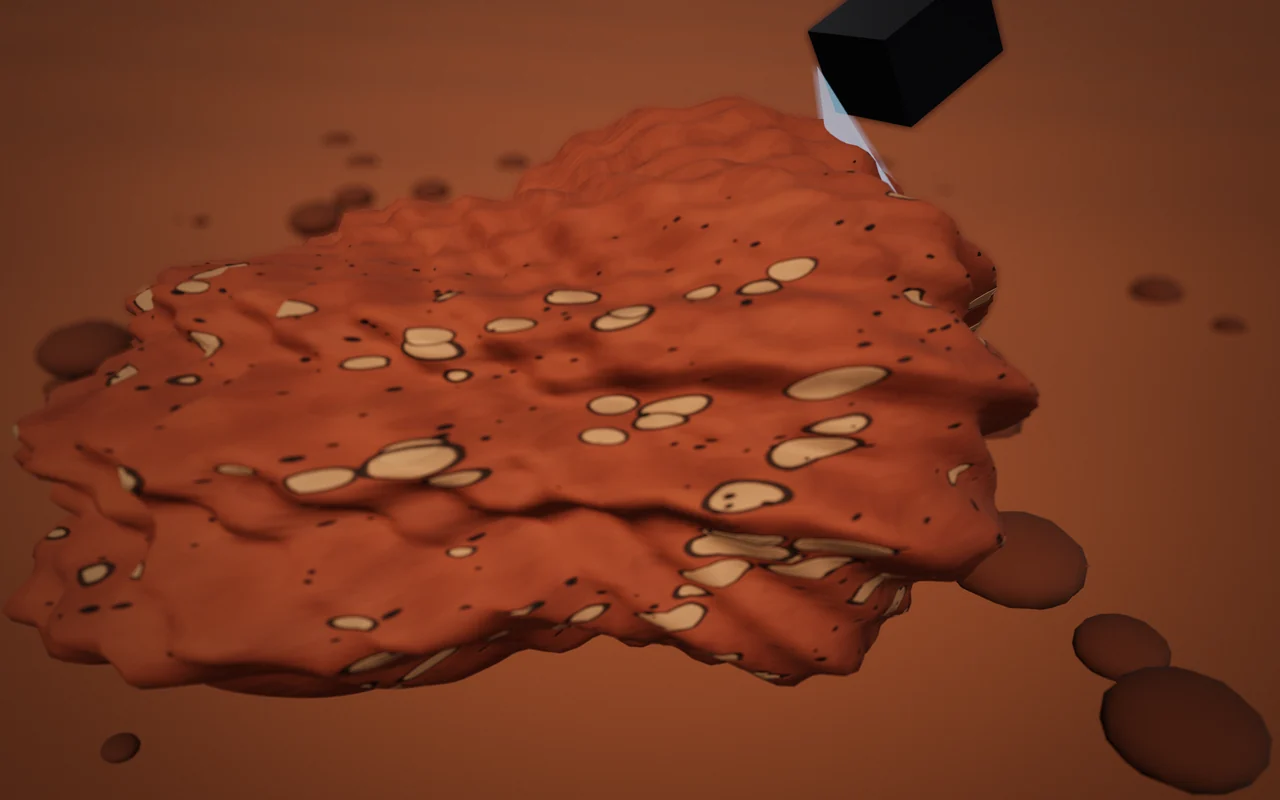
Mars 'leopard spots' may be the strongest hint of past life yet
NASA's Perseverance rover found leopard-like spots in a rock from an ancient riverbed. On Earth, the minerals in them often form through microbial activity, so scientists call it a 'potential biosignature'.
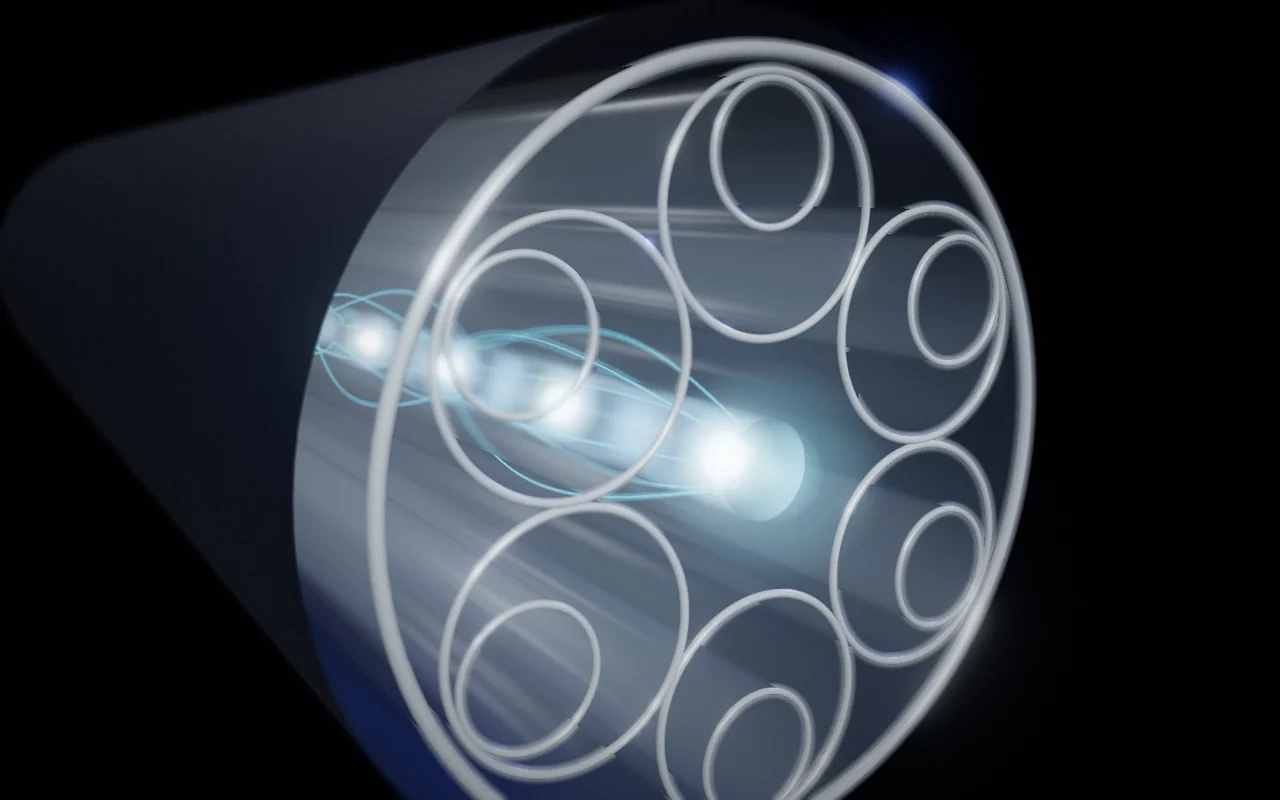
Fibre that guides light through air: a 45% faster internet
Engineers at the University of Southampton and Microsoft built an optical fibre whose core is air rather than glass. Signals fade less than in standard fibre and travel 45% faster, and Microsoft is already testing it in its network.
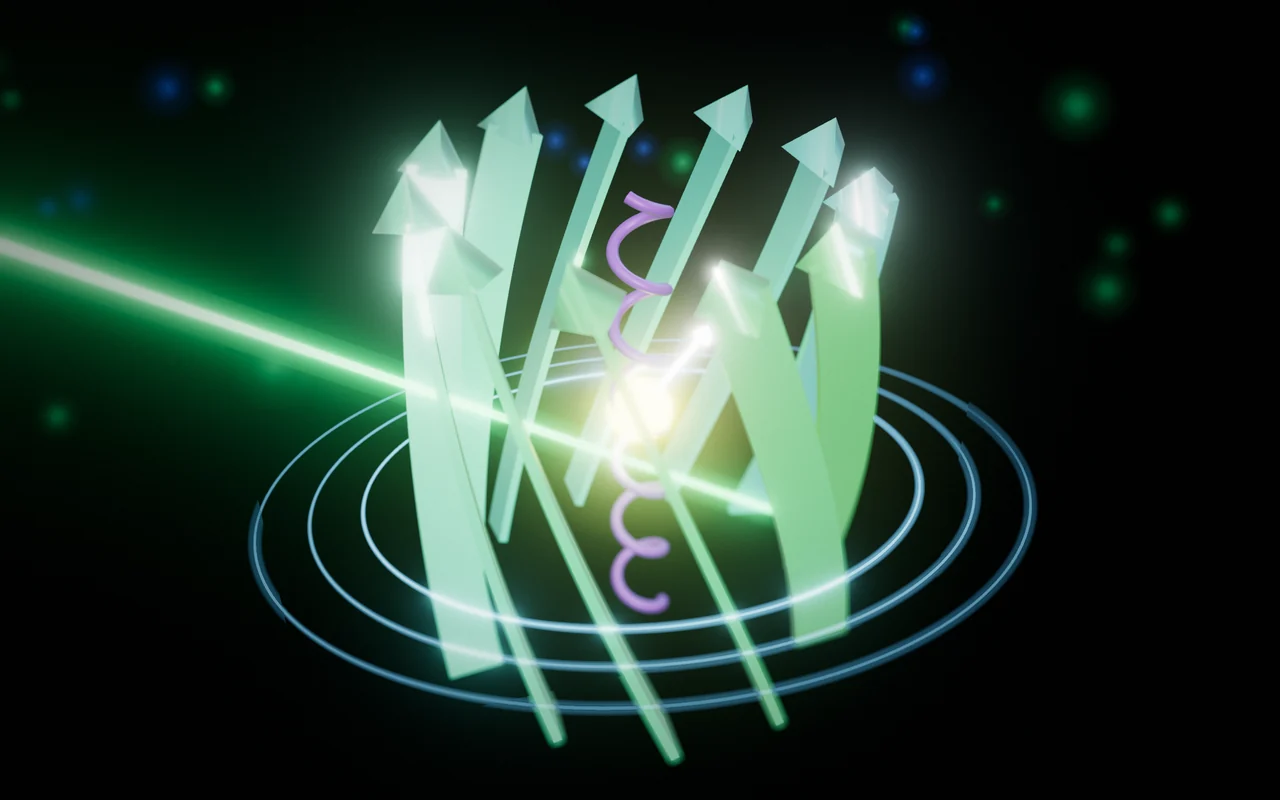
A quantum sensor that cells build themselves: a protein qubit
University of Chicago scientists turned a glowing protein used in living cells into a quantum bit that cells make themselves and that can sense tiny changes inside them.
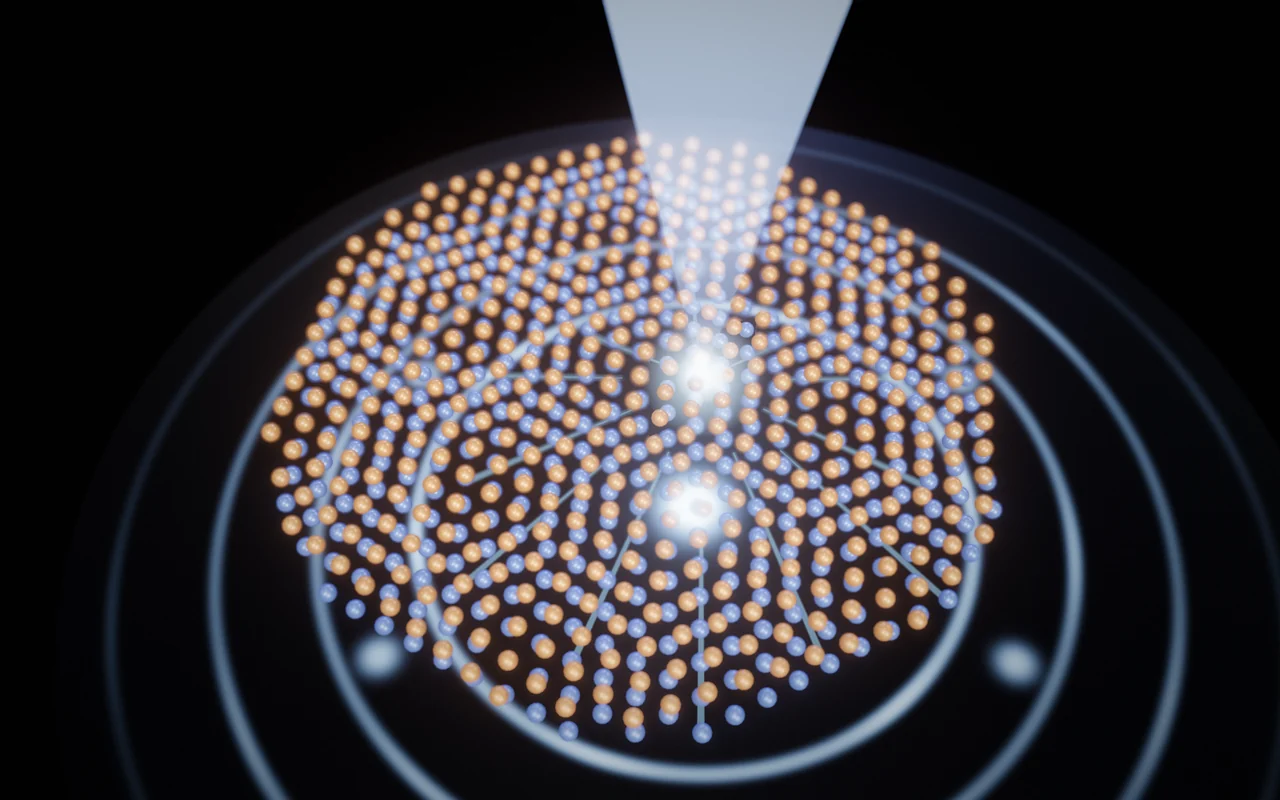
The sharpest picture of a single atom reveals its thermal jitter
Reaching 15-picometre resolution in electron microscopy, scientists took the sharpest images of single atoms ever, revealing their thermal jitter and moiré phasons that had existed only in theory.
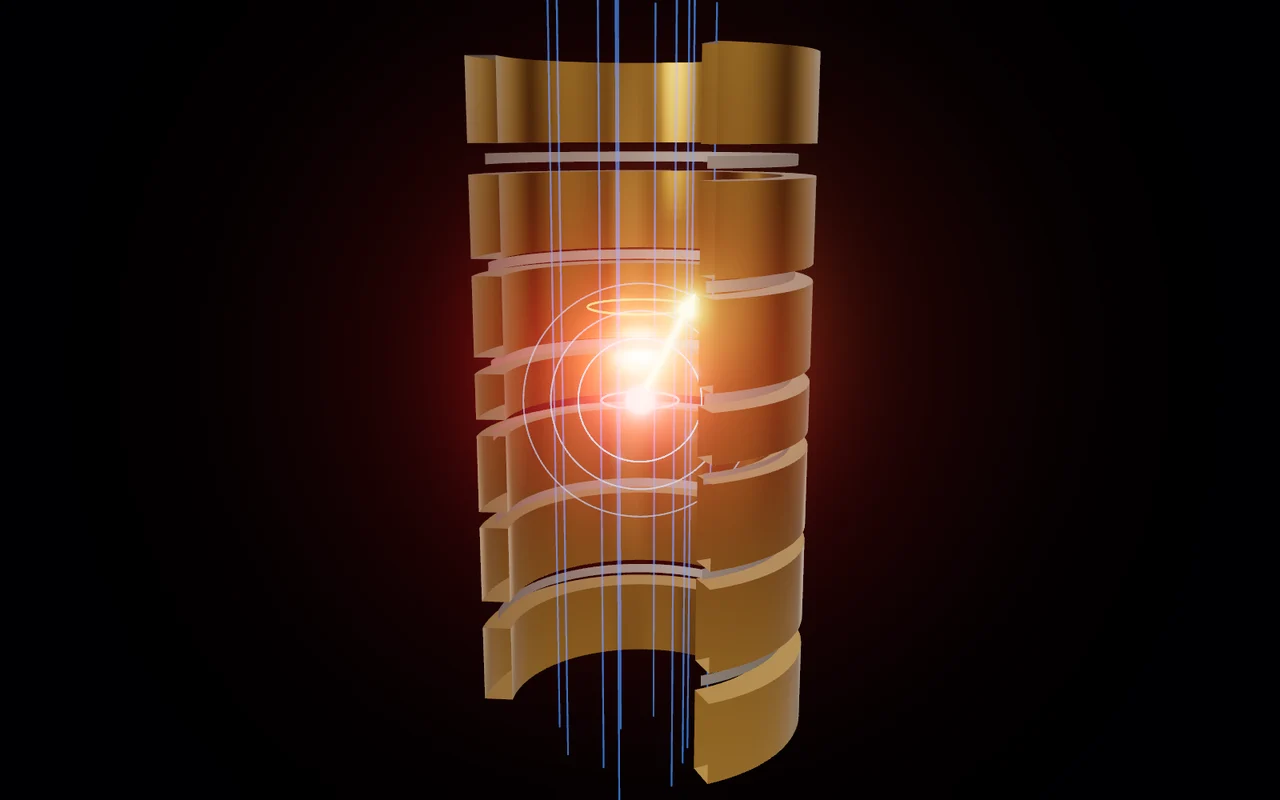
CERN creates the first antimatter qubit
The BASE experiment trapped a single antiproton and kept its spin swinging smoothly between two quantum states for almost a minute, the first quantum bit made of antimatter.
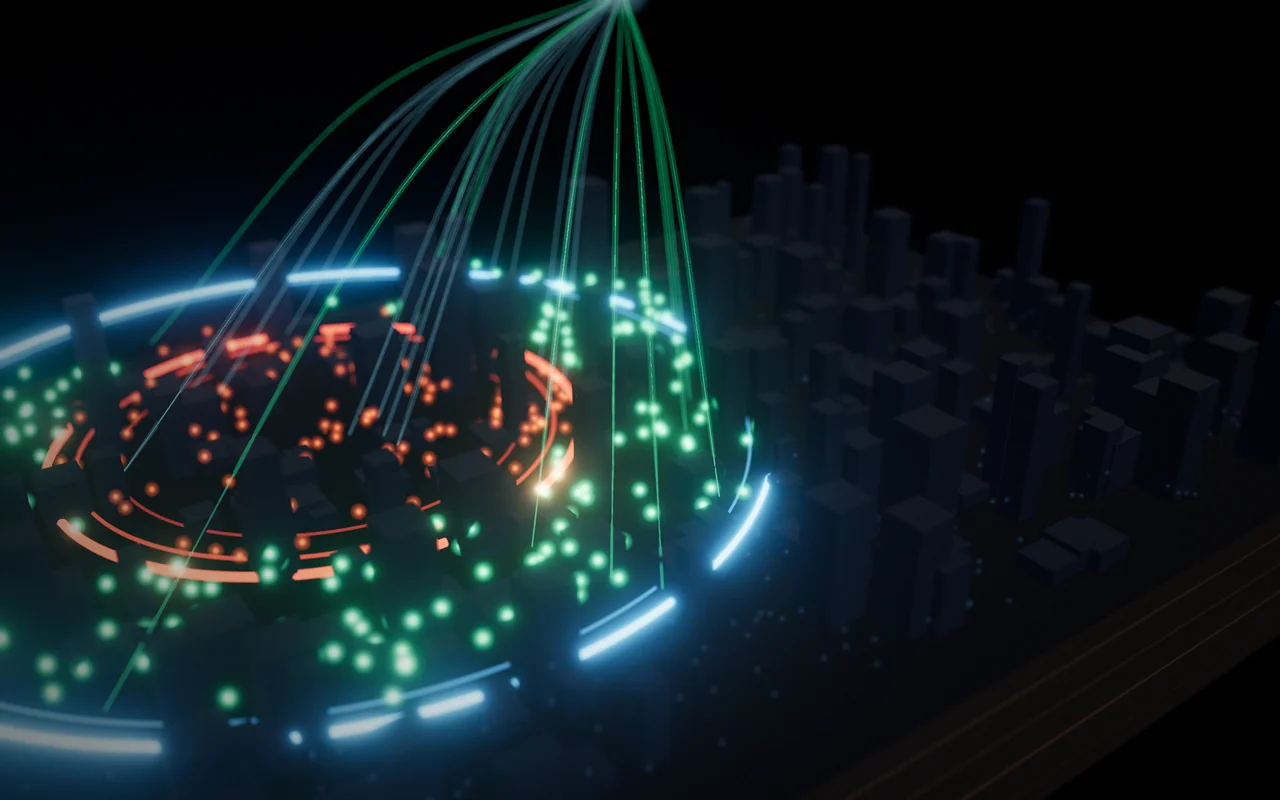
Smartphones become a worldwide earthquake early-warning network
The motion sensors (accelerometers) in Android phones now detect earthquakes as well as seismometers across 98 countries, boosting the number of people with access to warnings tenfold, to 2.5 billion.
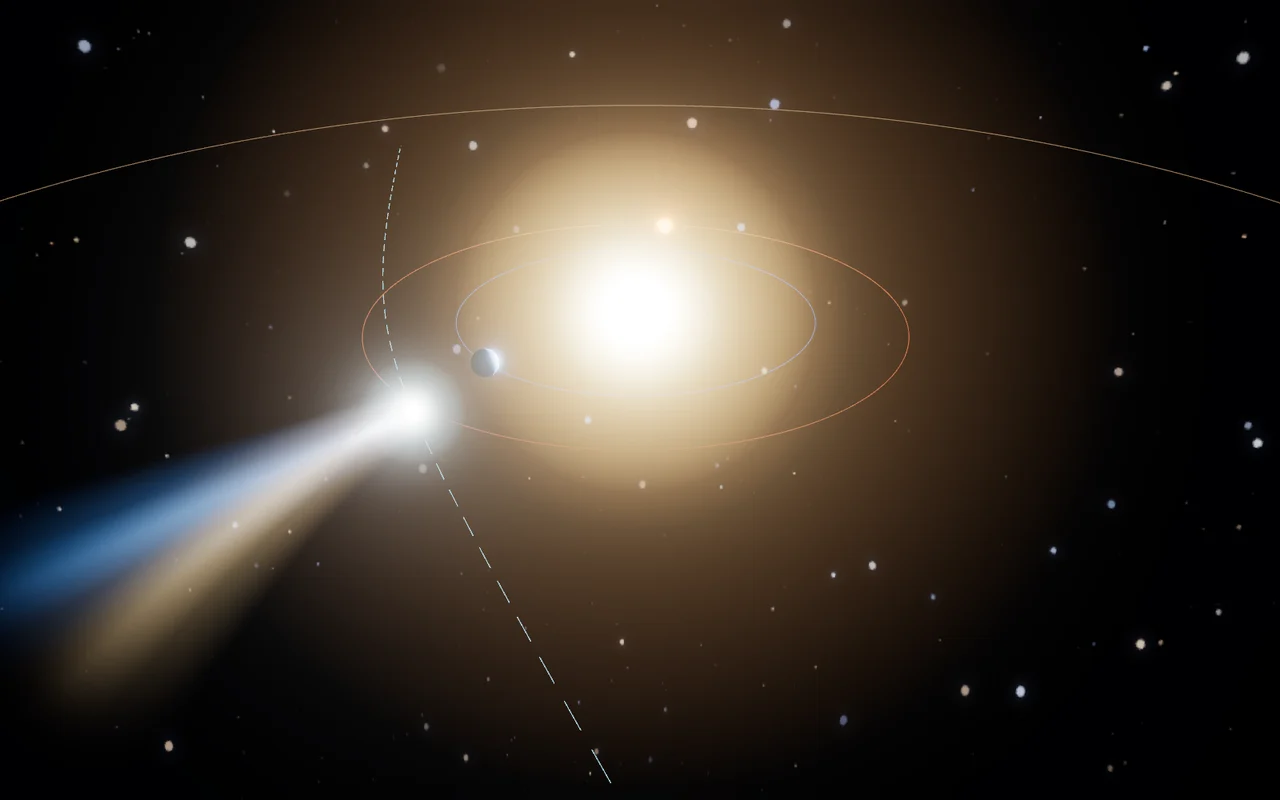
A third interstellar visitor enters the Solar System
Chile's ATLAS telescope spotted a comet from another star system. Named 3I/ATLAS, it is moving faster than 60 kilometres a second and will pass through the Solar System just once.
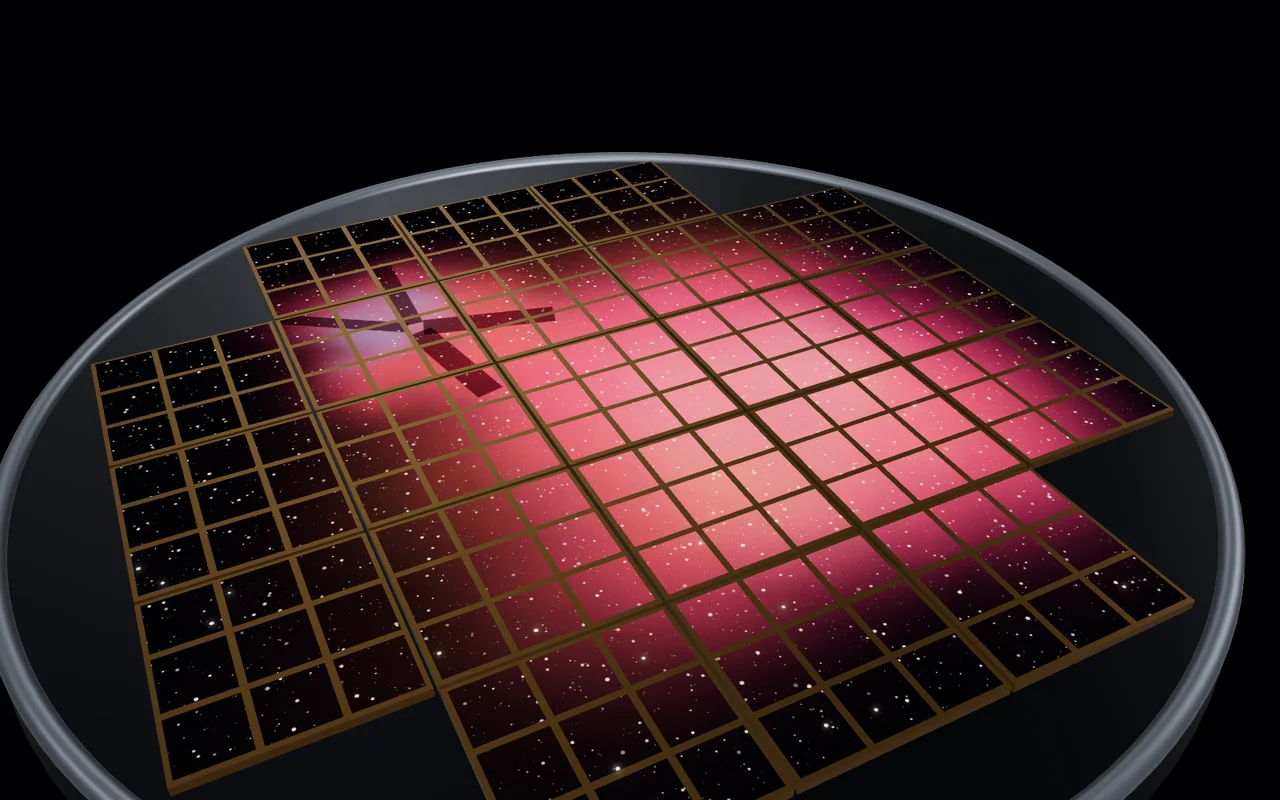
The world's largest camera shows its first pictures
The Vera C. Rubin Observatory unveiled its first images: the Trifid and Lagoon nebulae and the Virgo galaxy cluster. In just 10 hours of observing it found 2,104 never-before-seen asteroids.
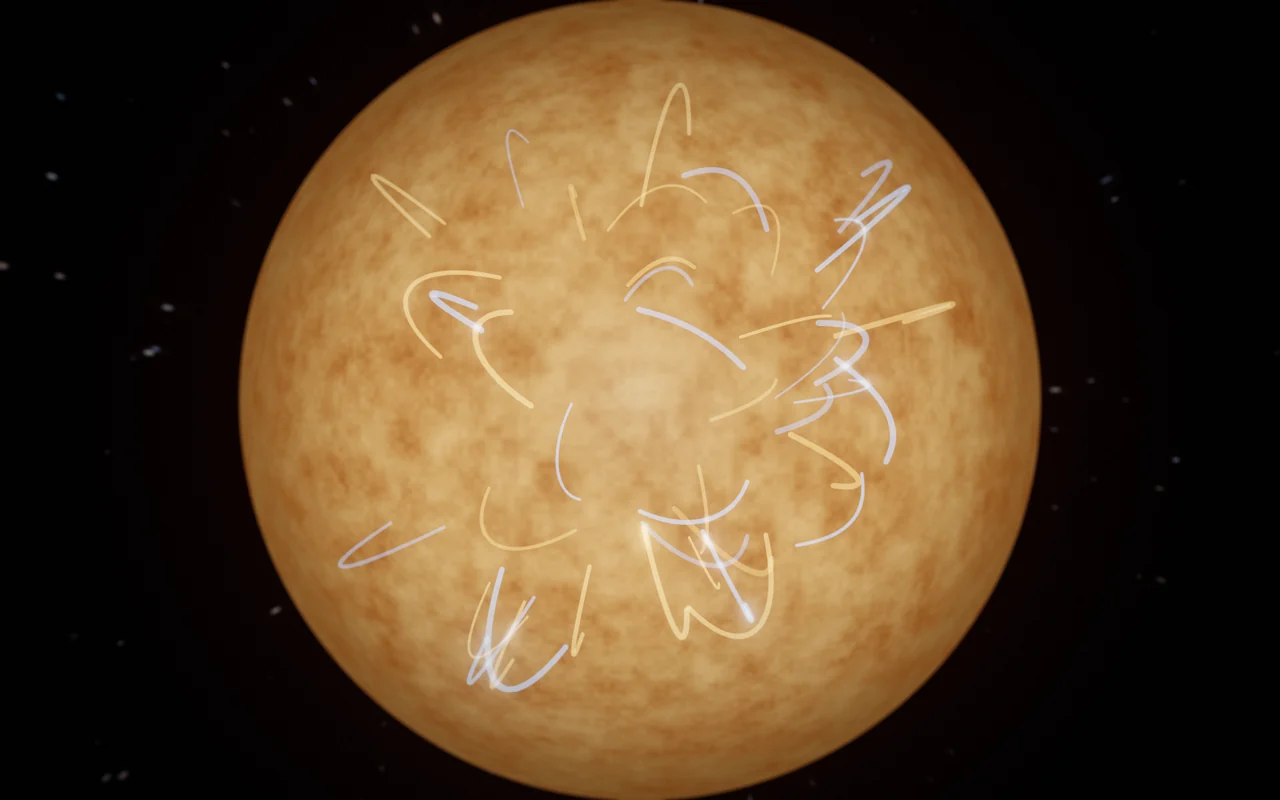
Humanity sees the Sun's pole for the first time
ESA's Solar Orbiter tilted its orbit 17 degrees below the solar equator and photographed the Sun's south pole — revealing that the magnetic field there is currently a complete tangle.
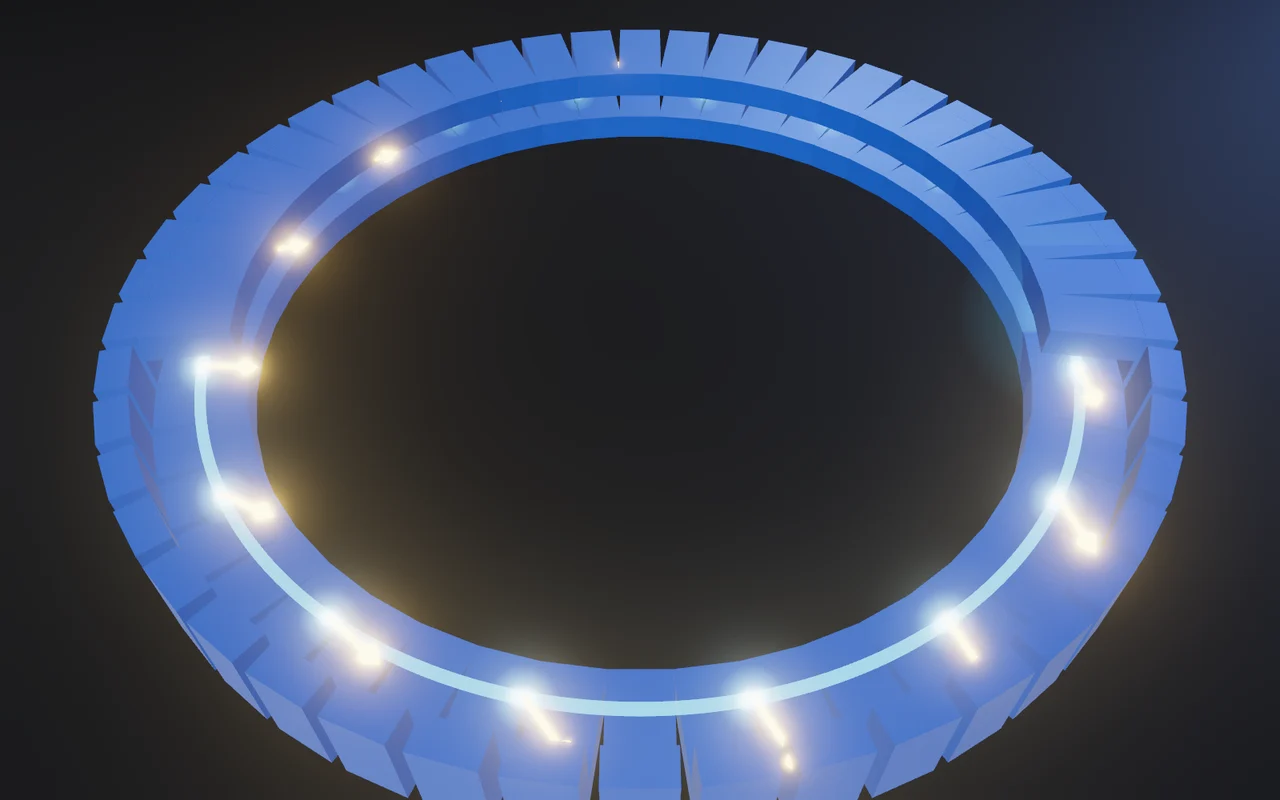
Muon g−2 delivers its final, most precise measurement
Fermilab's Muon g−2 experiment has finished, measuring the muon's magnetism to 127 parts per billion, better than its goal and likely to remain the world's best for years.
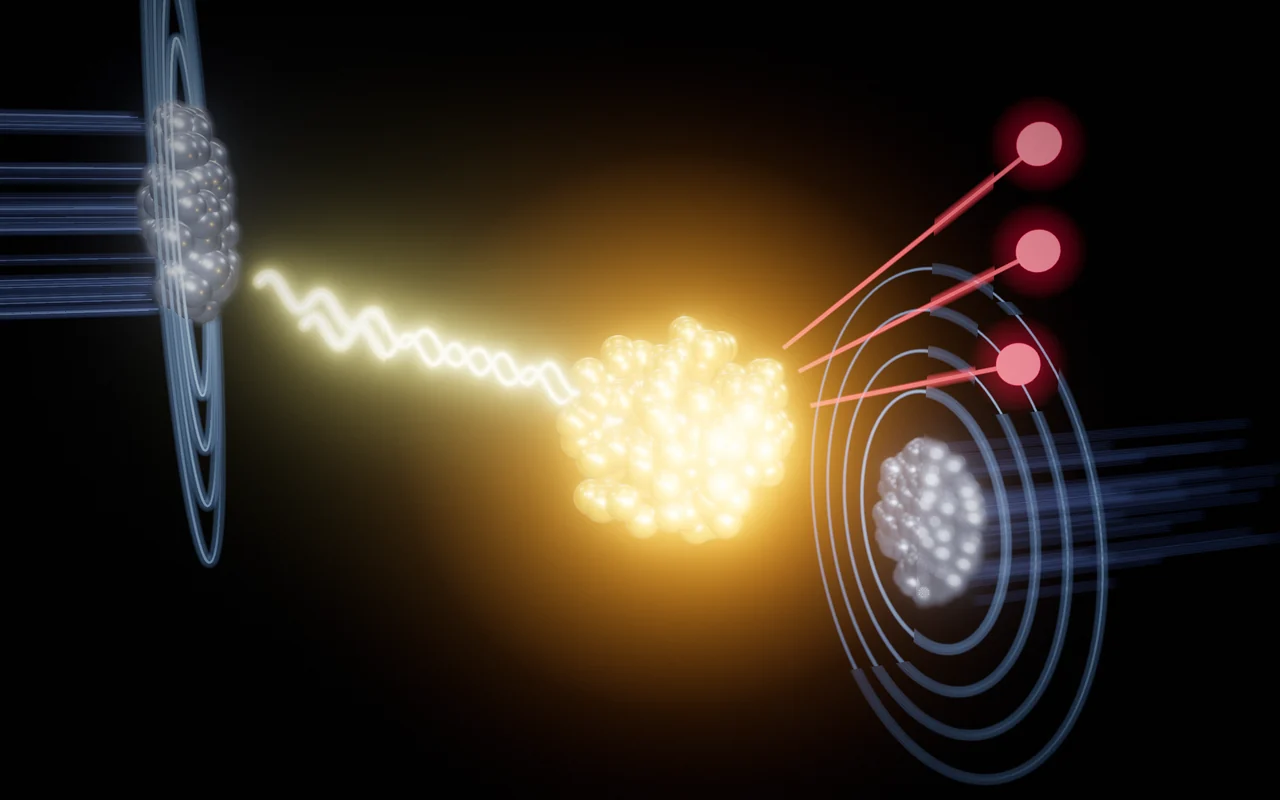
An alchemist's dream: CERN turns lead into gold
The ALICE experiment at the Large Hadron Collider measured how gold nuclei form when lead nuclei narrowly miss each other. From 2015 to 2018, about 86 billion gold nuclei were made — just 29 picograms in all.
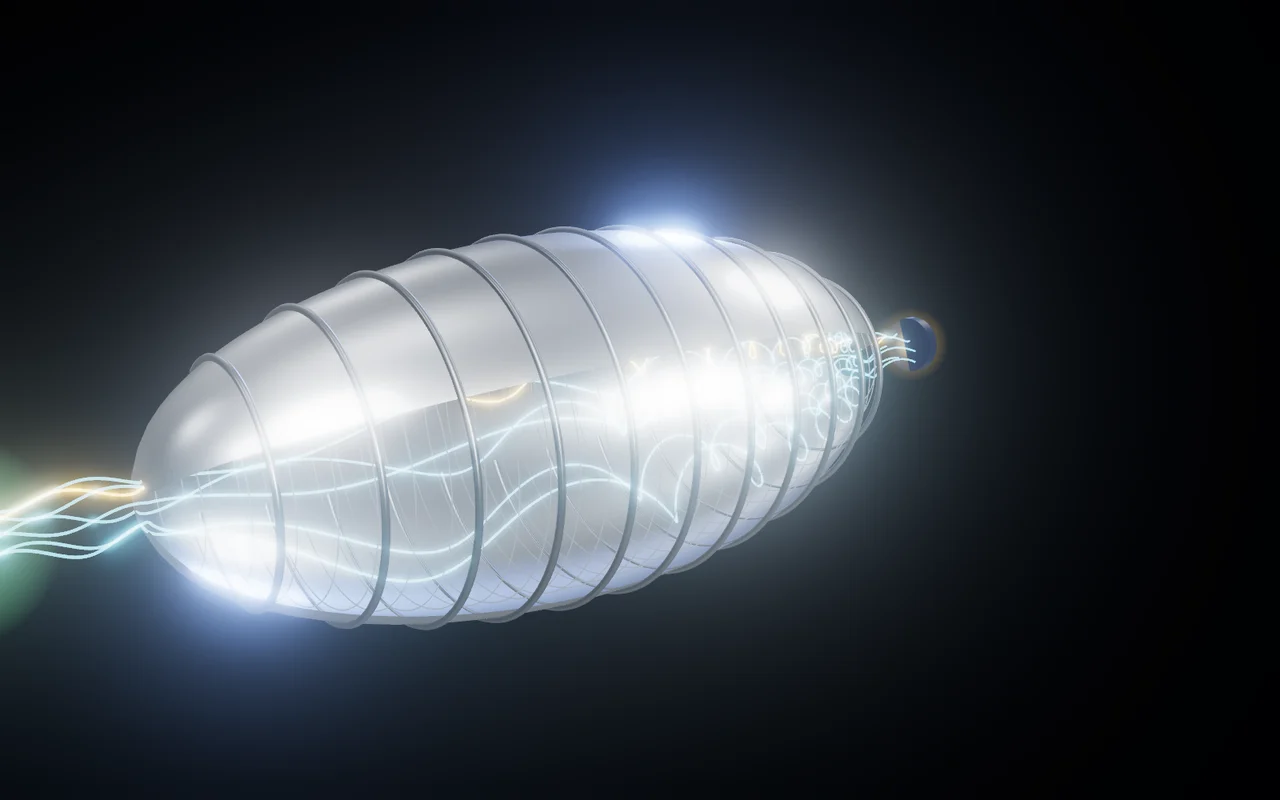
Neutrinos are at least a million times lighter than electrons
Germany's KATRIN experiment found that the neutrino's mass is no more than 0.45 electronvolts, the tightest direct laboratory limit yet and half the previous one.
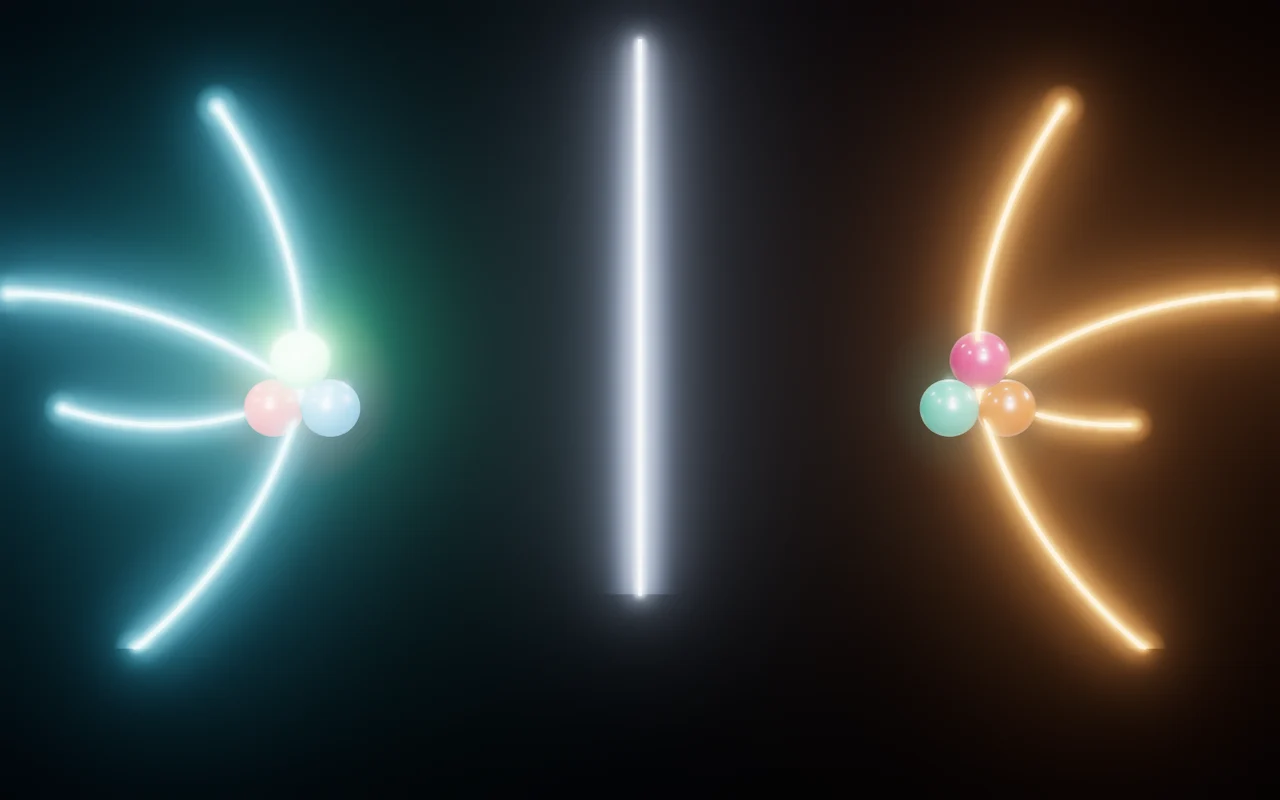
Matter–antimatter difference seen in baryons for the first time
LHCb found that the beauty-lambda baryon, a heavy cousin of the proton and neutron, decays differently from its antimatter twin. CP violation, seen only in mesons for 60 years, is now confirmed in baryons too.
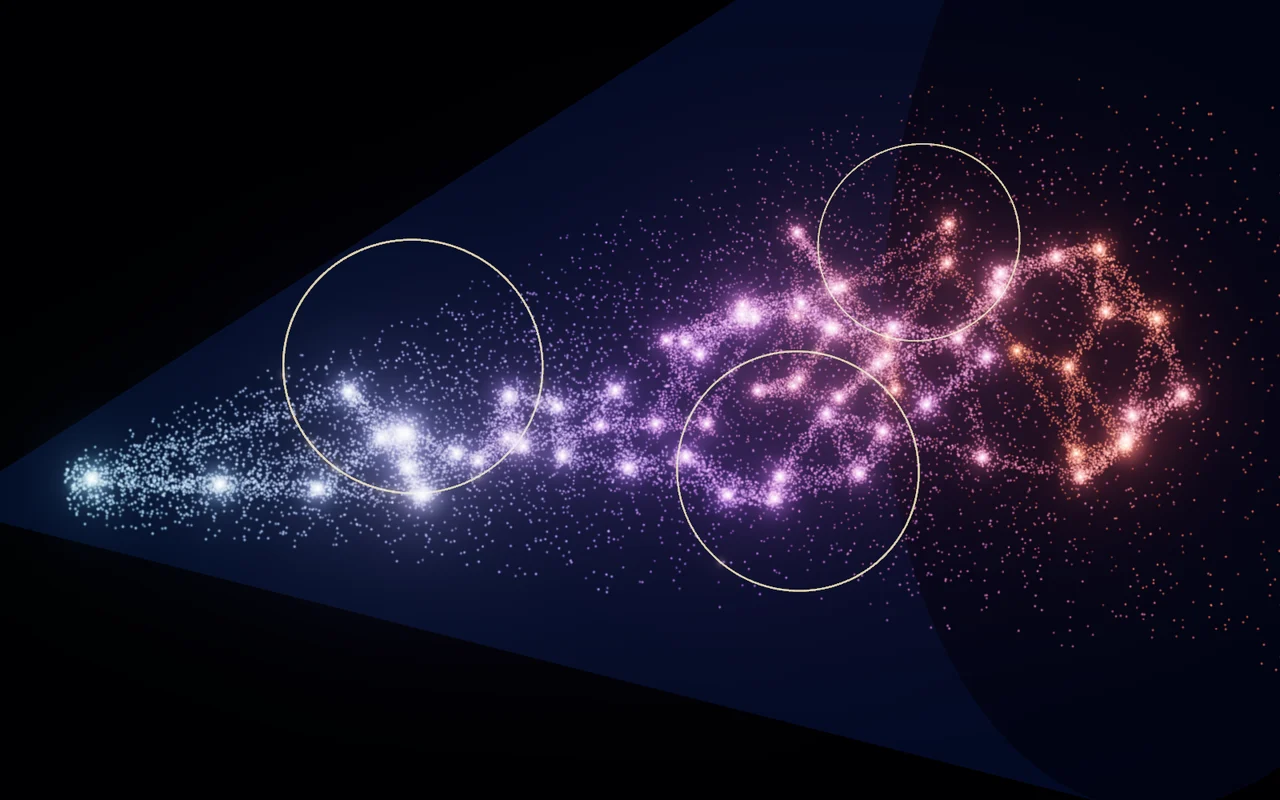
Dark energy may be weakening
Using the largest 3D map of the Universe, the DESI project found stronger signs that dark energy changes over time. If confirmed, the standard model of the cosmos will need revising.
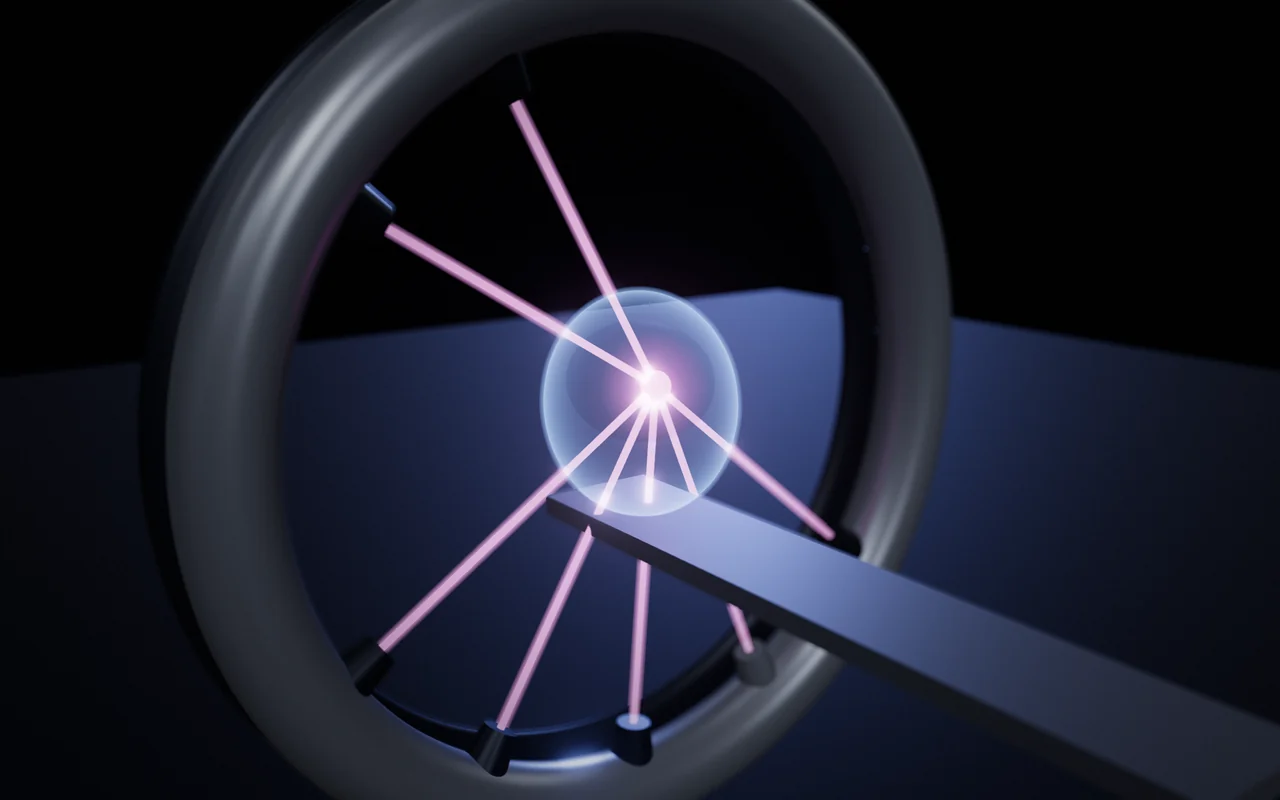
Treating cancer with a proton arc: the world's first patients
A proton therapy centre in Trento, Italy, treated the world's first patients with proton arc therapy, which aims the beam at a tumour from many angles and spares healthy organs.
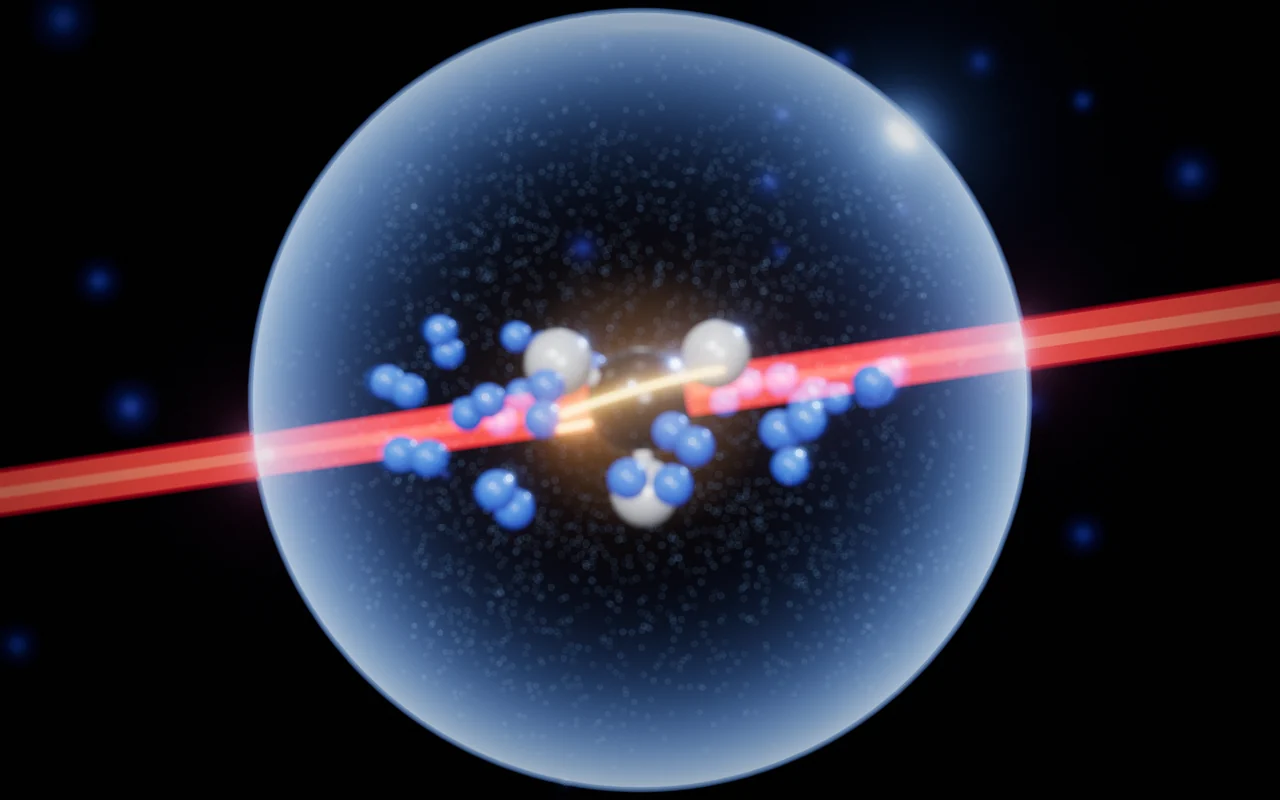
Hydrogen becomes a frictionless superfluid for the first time
Scientists in Canada and Japan confirmed a 50-year-old prediction that molecular hydrogen can become a superfluid, by cooling it to 0.4 kelvin inside helium nanodroplets.
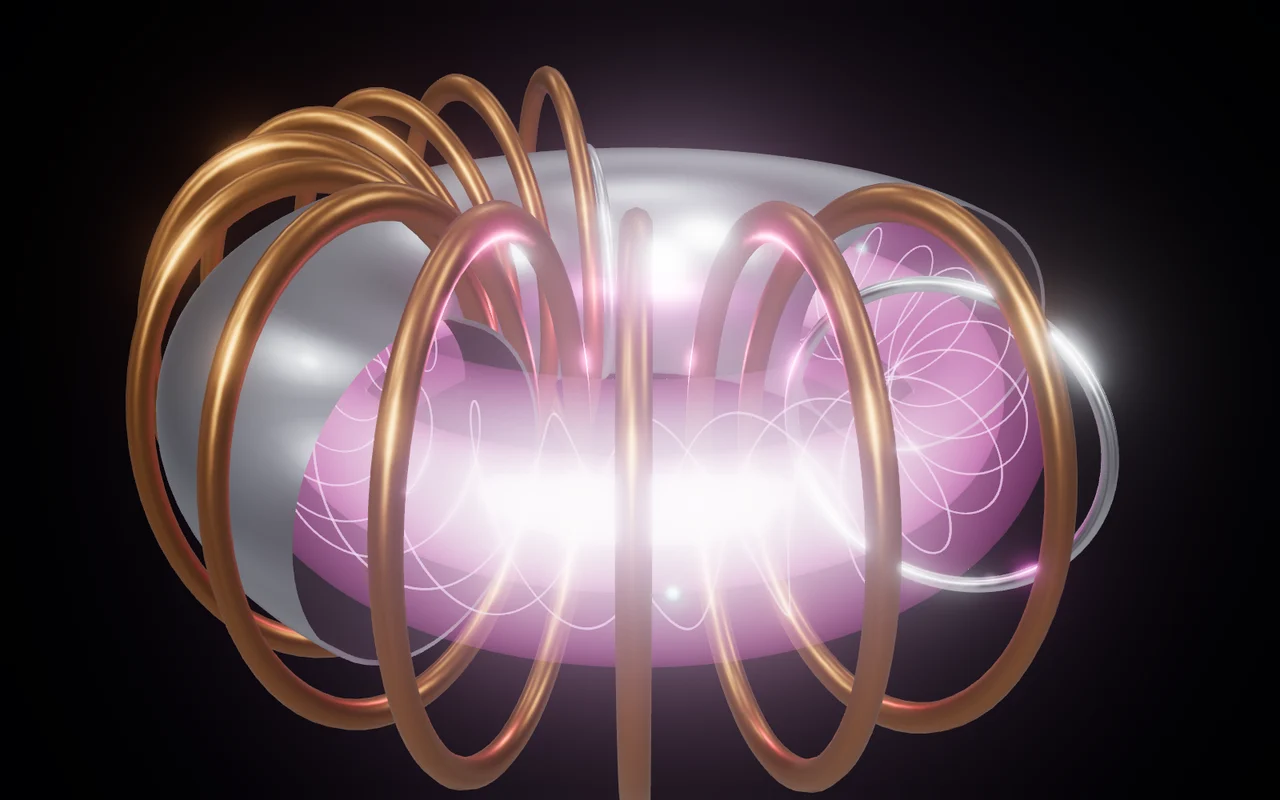
Fusion record: plasma held for 22 minutes
France's WEST tokamak held a 50-million-degree plasma for 1,337 seconds, over 22 minutes, 25% longer than a record set in China just weeks earlier.
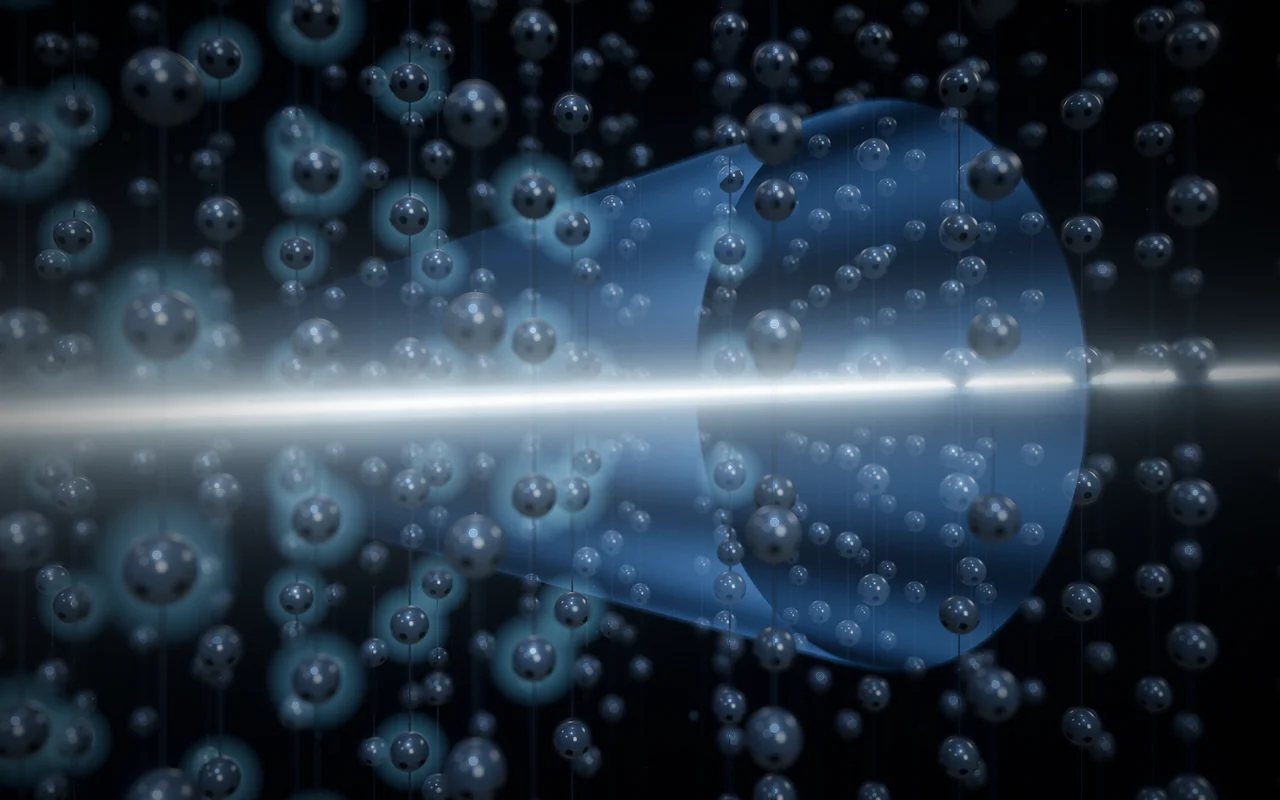
The most energetic neutrino ever caught, deep under the sea
The KM3NeT telescope on the Mediterranean seabed recorded a neutrino with an energy of about 220 PeV — 20–30 times the previous record and tens of thousands of times what the most powerful accelerator can reach. It probably came from beyond our galaxy.
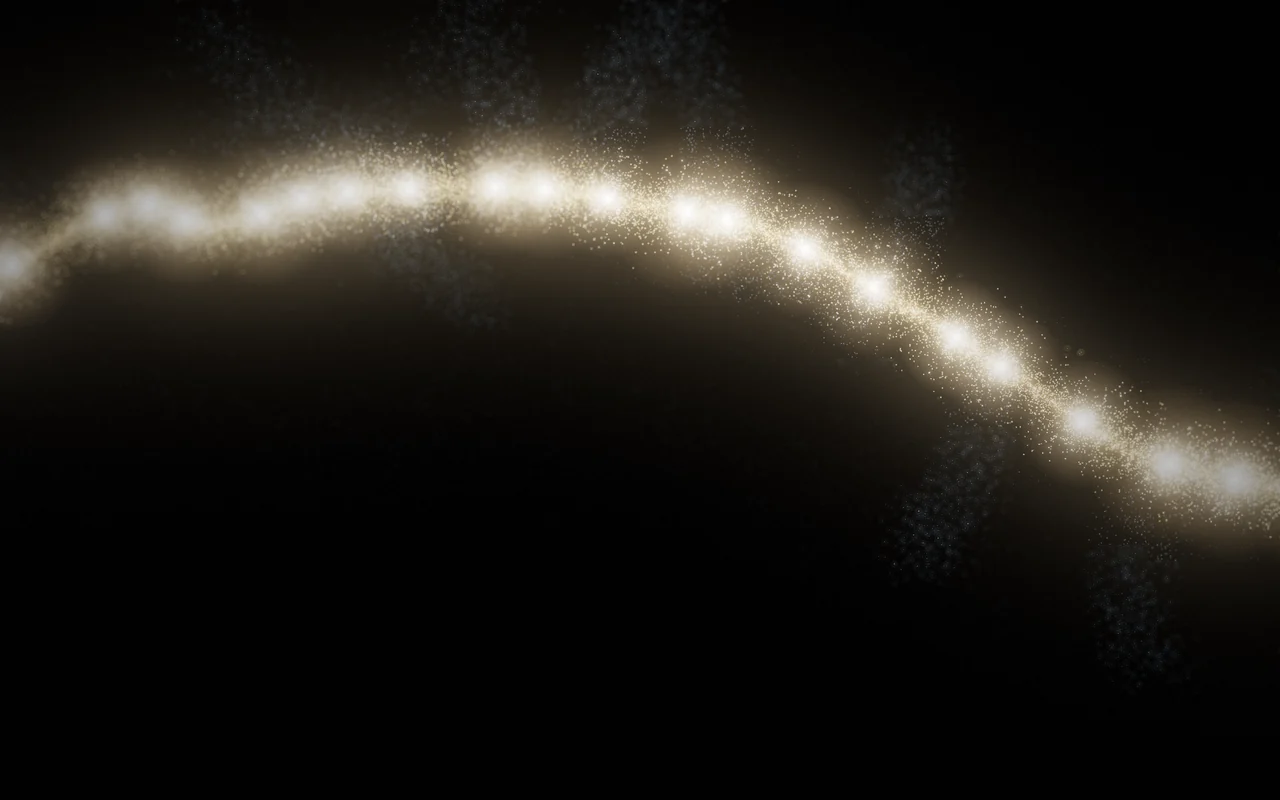
Quipu: the largest structure in the nearby universe
Astronomers found a giant chain of galaxies 1.3 billion light years long, with 68 galaxy clusters and a total mass of 200 quadrillion Suns — the largest known structure in the nearby universe.
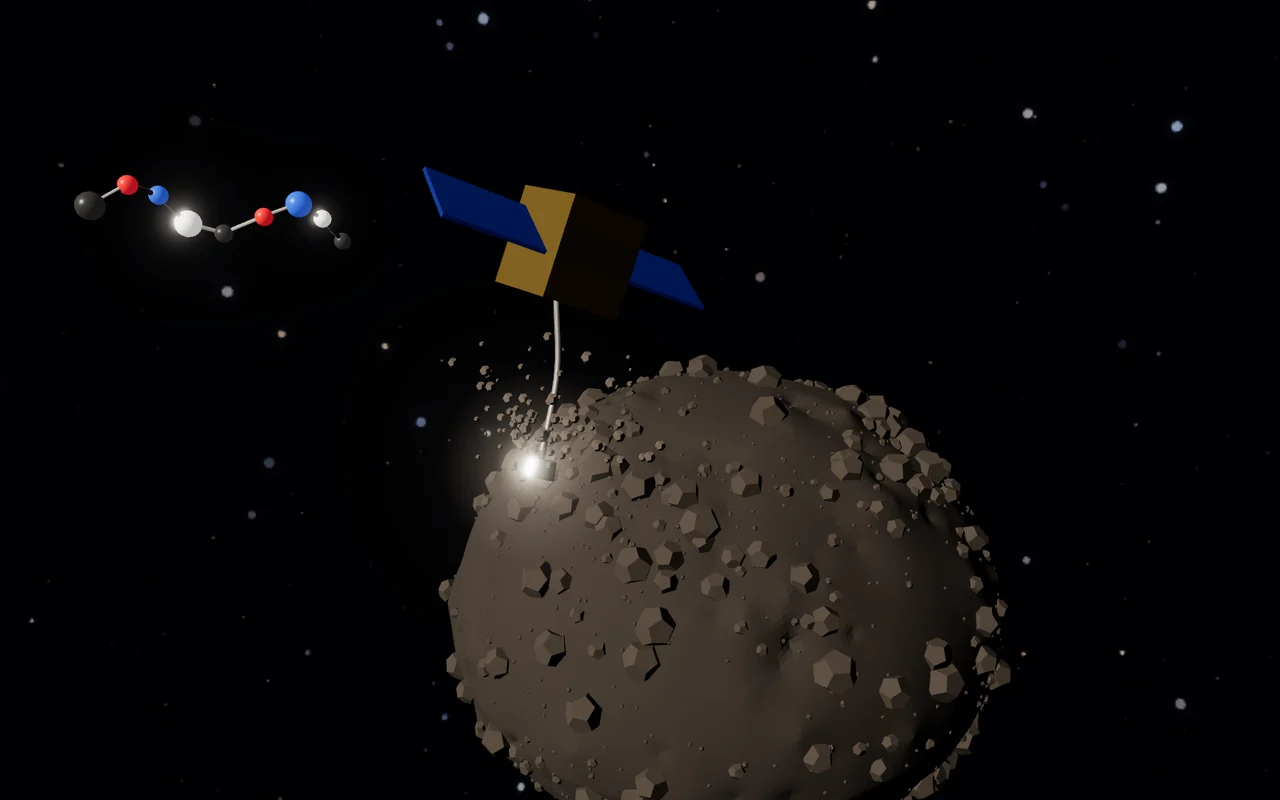
Life's building blocks found in samples from asteroid Bennu
Dust from asteroid Bennu, brought home by OSIRIS-REx, contains 14 of the 20 protein amino acids and all five bases of DNA and RNA, and shows that Bennu's parent body once had salty water.
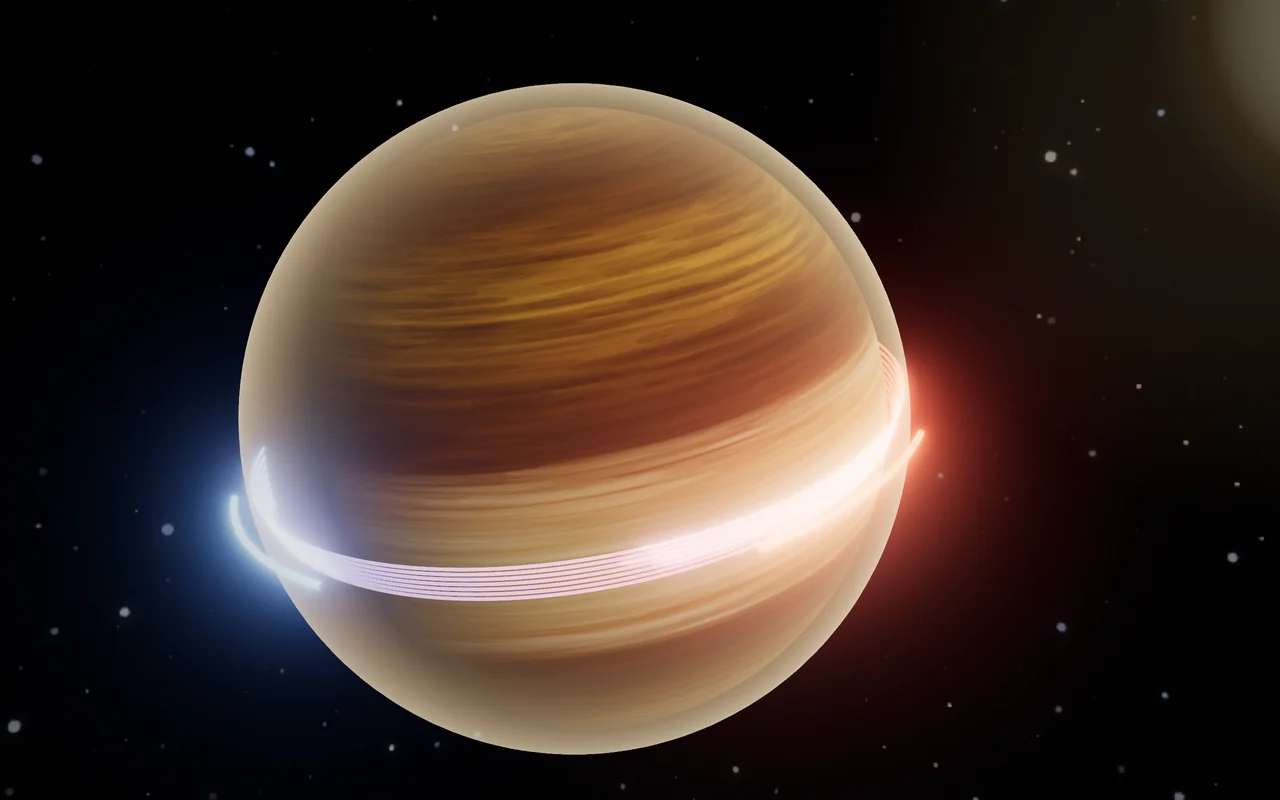
Winds of 33,000 km/h measured on a distant planet
Astronomers found supersonic winds racing around the equator of the giant planet WASP-127b, 520 light years away — the fastest jet stream ever measured on a planet — and built a first 'weather map' of the world.
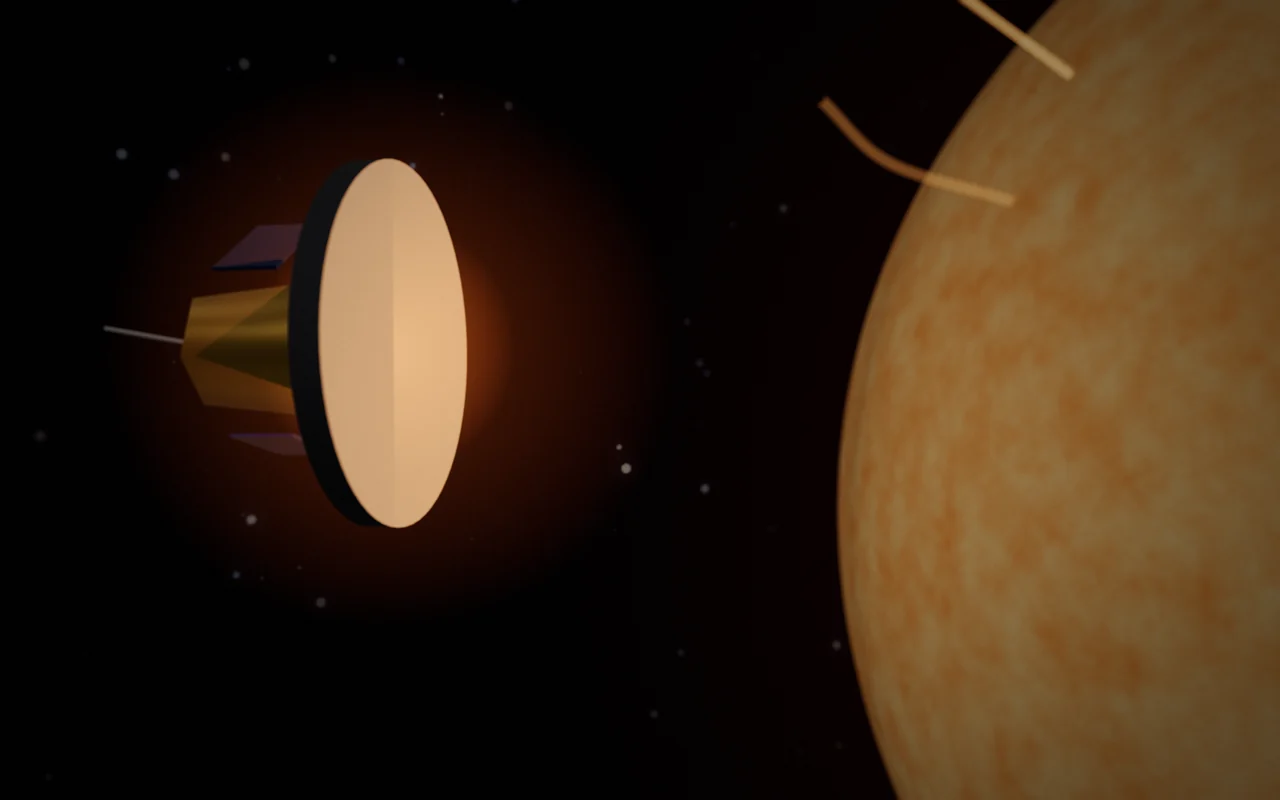
Parker Solar Probe flies closer to the Sun than anything before
NASA's Parker Solar Probe passed just 6.1 million km above the Sun's surface at 692,000 km/h — the closest approach and highest speed ever achieved by a human-made object.
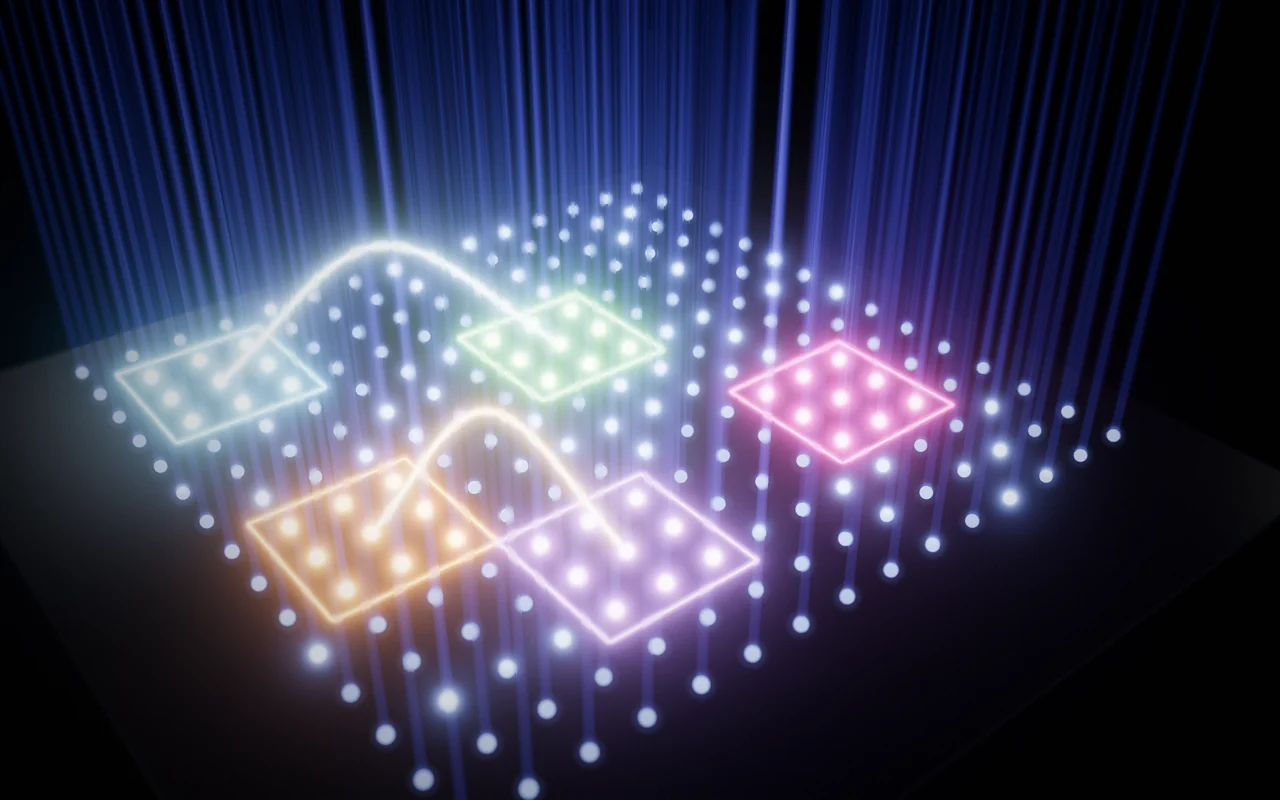
Breakthrough of the year: quantum computers learn to fix their own errors
Google's Willow chip made fewer errors as it grew larger, cracking a 30-year-old problem, while a Harvard team built a processor with 48 logical qubits. Both shared Physics World's Breakthrough of the Year.
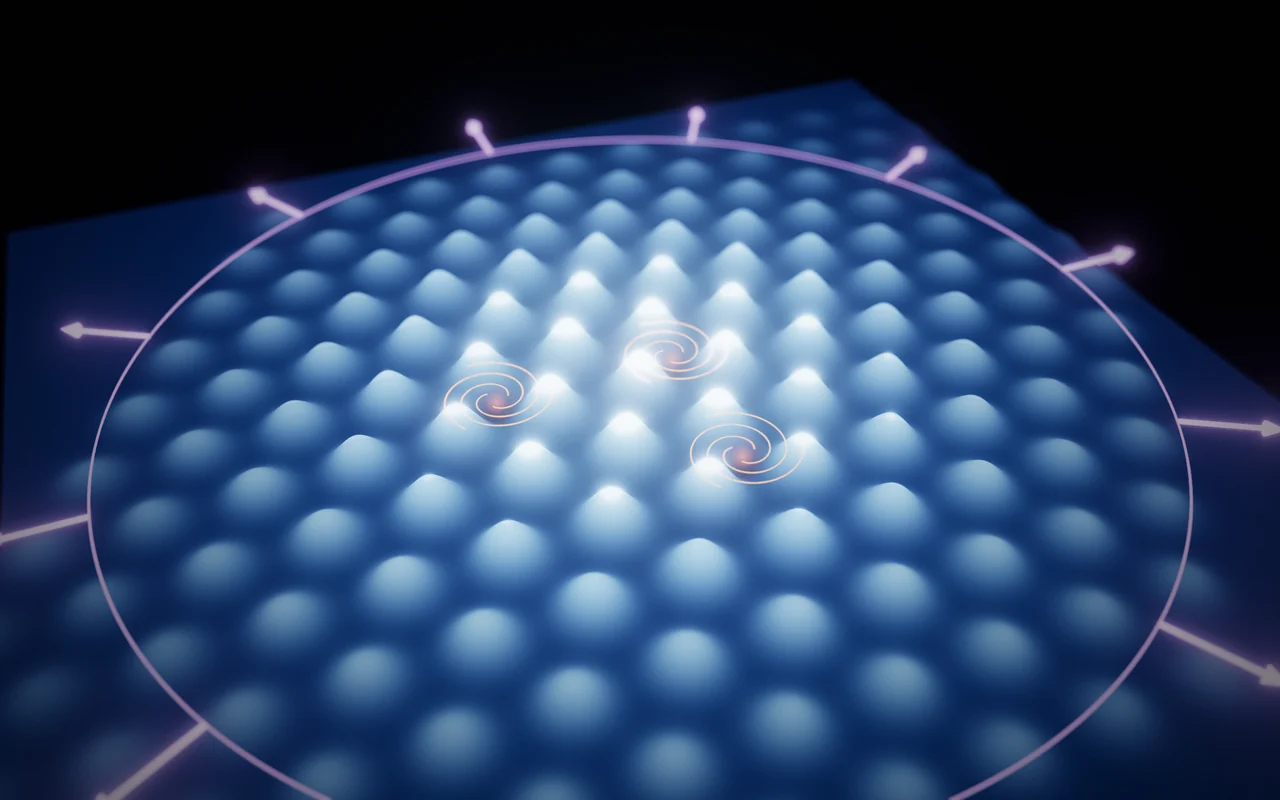
Quantum vortices seen in a supersolid for the first time
Innsbruck scientists stirred a 'supersolid' — matter that is both a solid and a frictionless fluid — and saw tiny quantum vortices form, the clearest proof yet of its superfluidity.
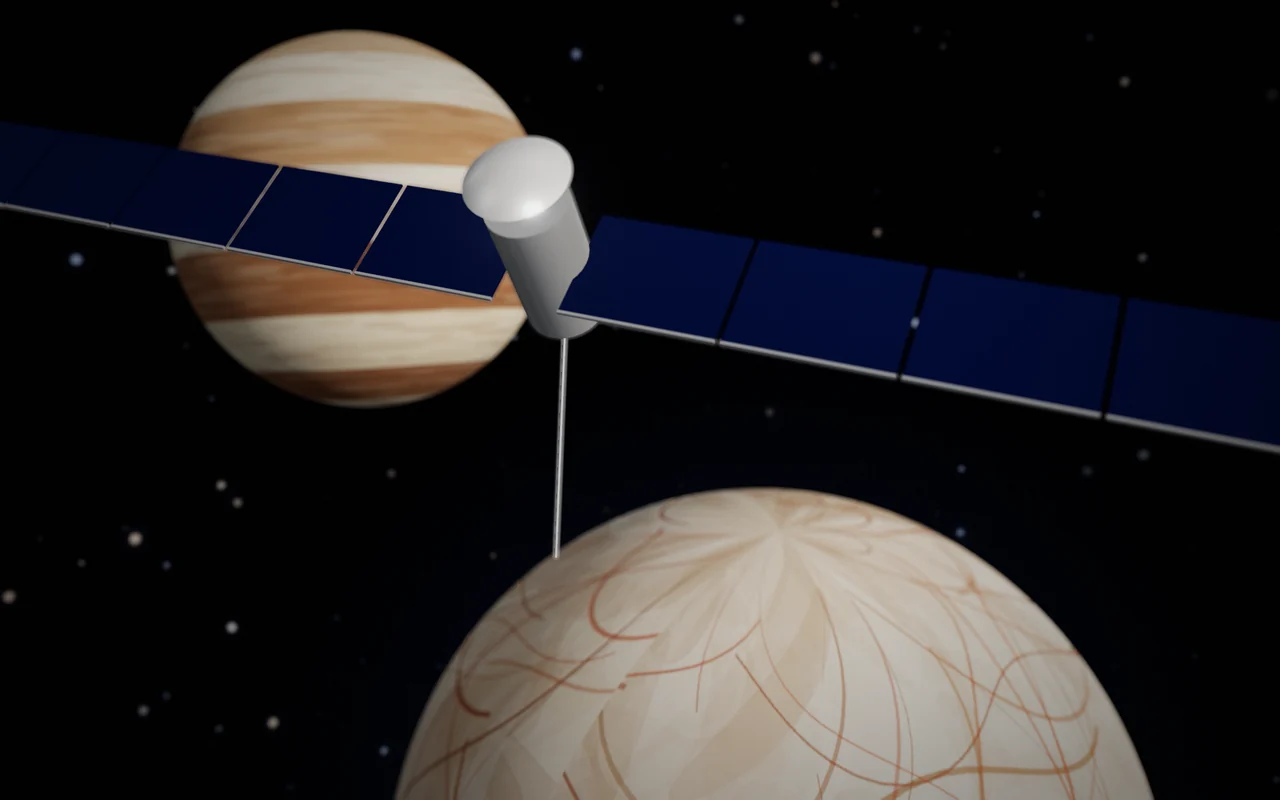
Europa Clipper sets off for Jupiter's icy moon
Europa Clipper, the largest spacecraft NASA has ever built for a planetary mission, launched on a Falcon Heavy. Reaching Jupiter in 2030, it will fly past the ocean moon Europa 49 times.
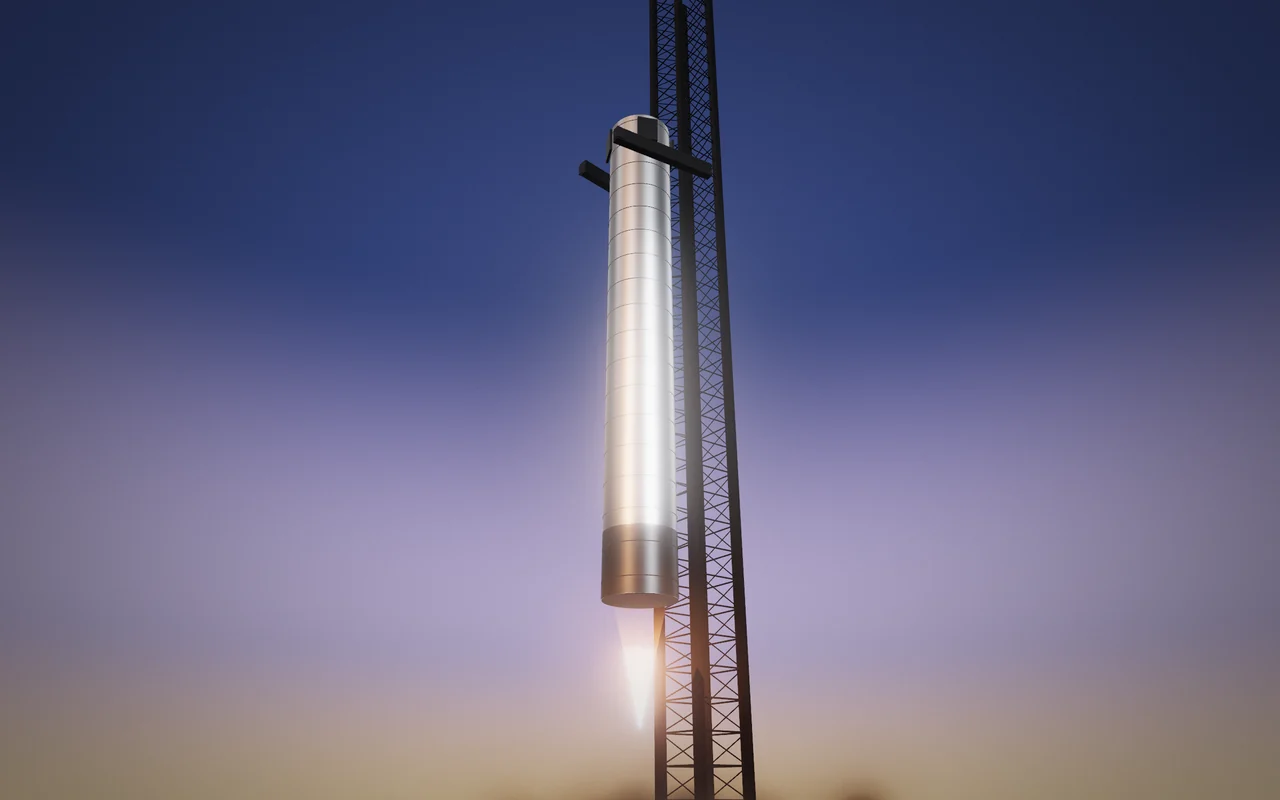
Starship: a giant rocket booster caught by the launch tower's 'chopsticks'
On Starship's fifth test flight, SpaceX's 71-metre Super Heavy first stage flew back to its launch tower, where the tower's giant arms caught it in mid-air — on the very first attempt.
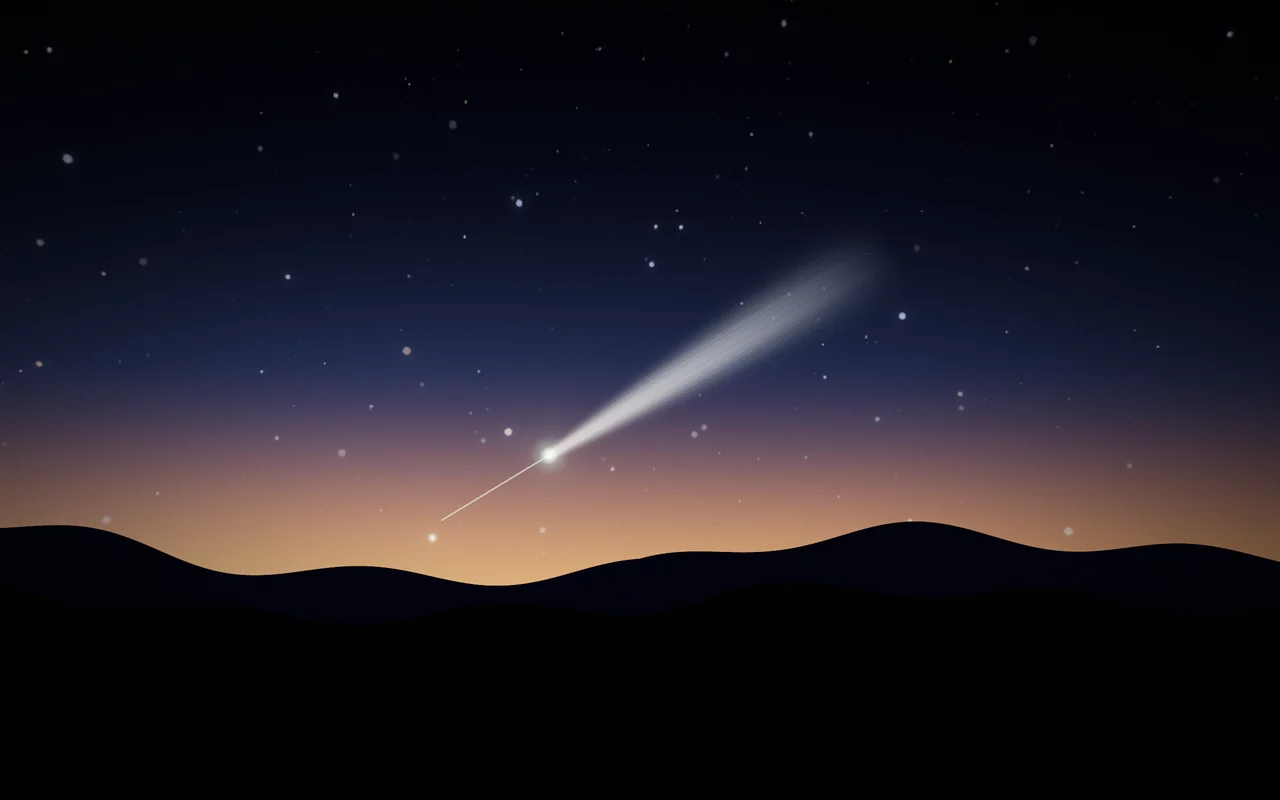
Tsuchinshan–ATLAS: the comet of the year, visible to the naked eye
Comet C/2023 A3 survived its close pass by the Sun and in October shone in the western evening sky with a long tail — one of the brightest comets since Hale–Bopp in 1997.
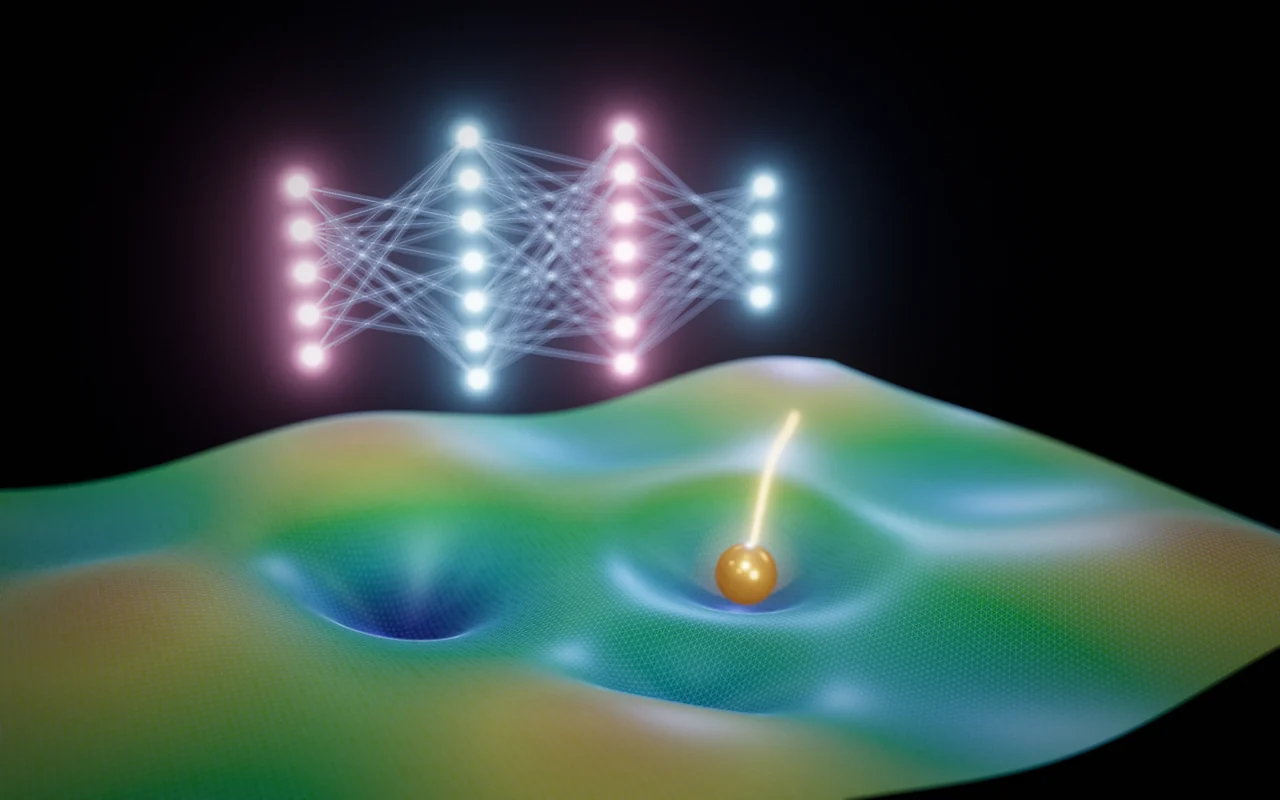
2024 Nobel Prize: the physics that opened the way to artificial intelligence
The Nobel Prize in Physics went to John Hopfield and Geoffrey Hinton for artificial neural networks. Drawing on ideas from magnetic materials and statistical physics, they laid the foundation of today's machine learning.
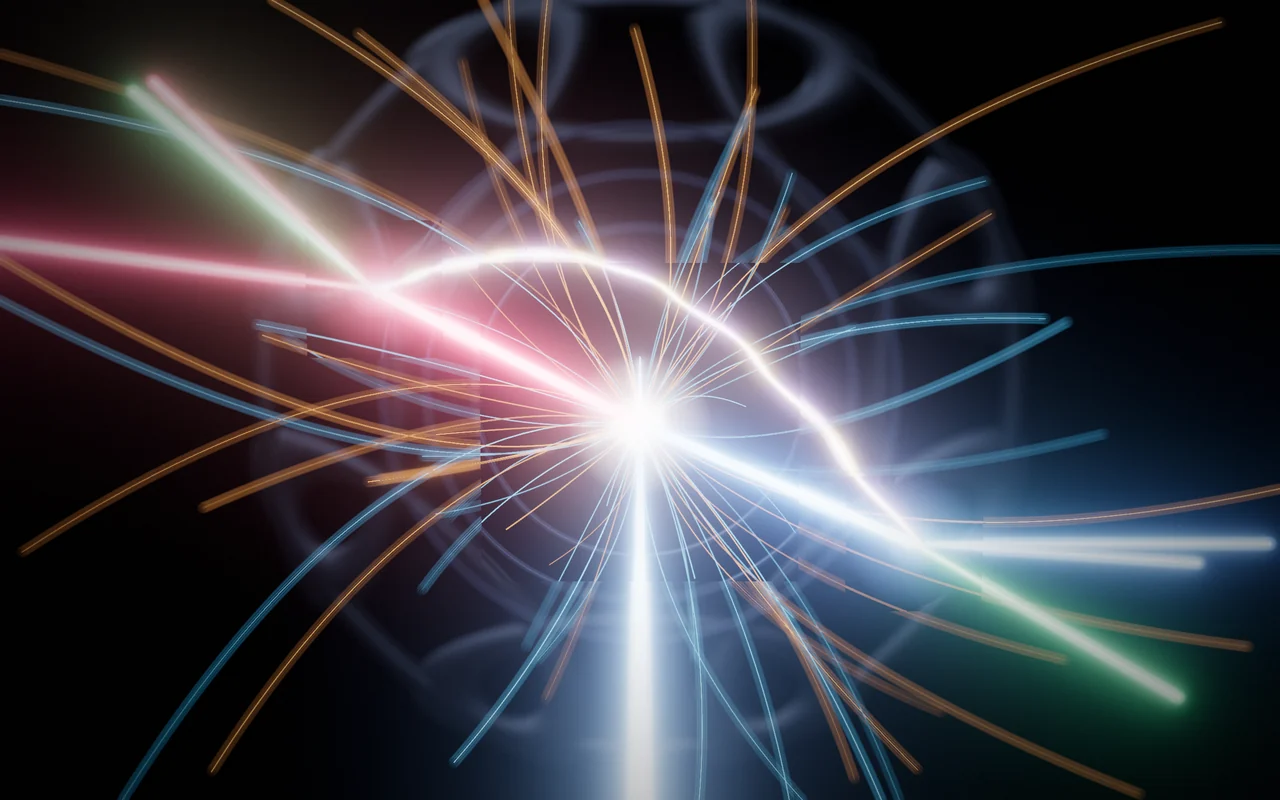
CERN sees quantum entanglement in the heaviest known particles
The ATLAS experiment at the Large Hadron Collider observed a top quark and its antiquark in an entangled quantum state — the first entanglement seen in quarks and the highest-energy ever, at more than five standard deviations.
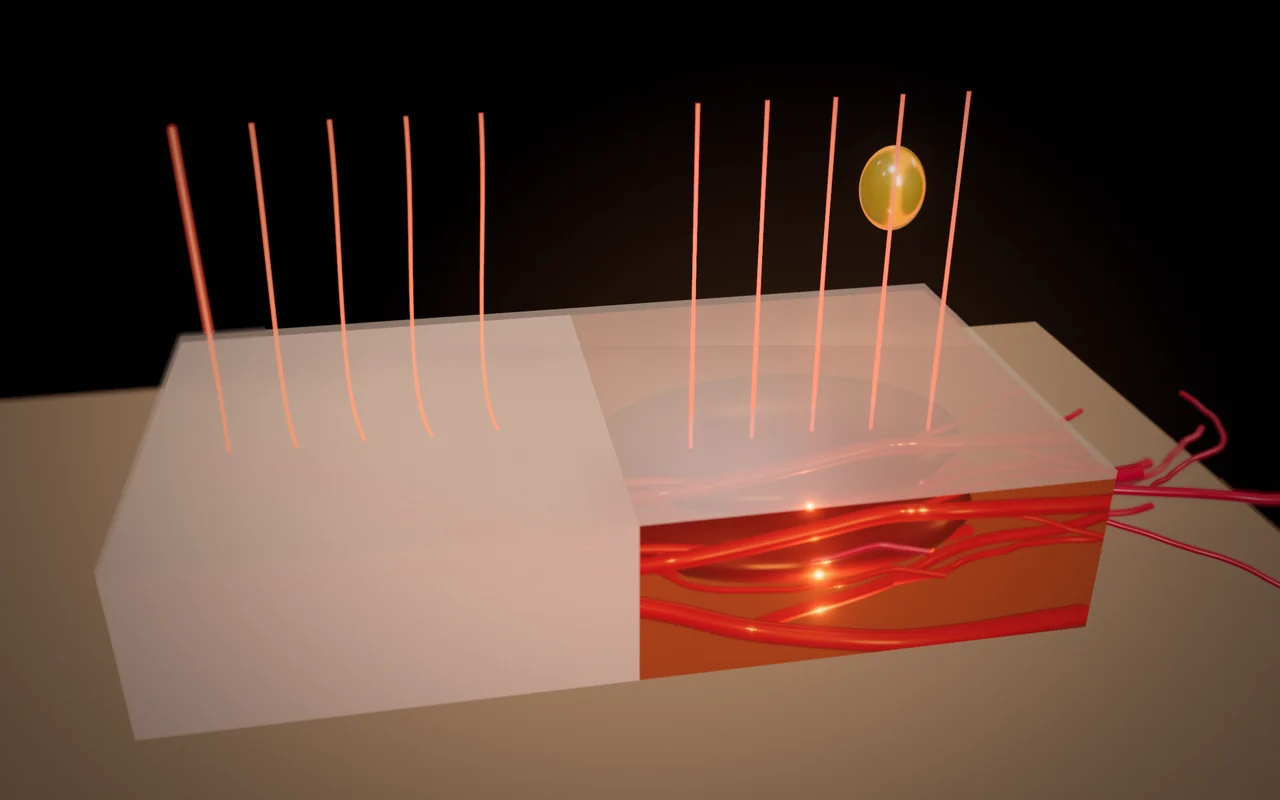
A food dye turns the skin of a living mouse transparent
Stanford scientists rubbed a solution of tartrazine — a yellow dye used in snack foods — onto a mouse's skin and made it temporarily transparent, revealing the liver, gut and blood flow in the brain. Washing it off reversed the effect.
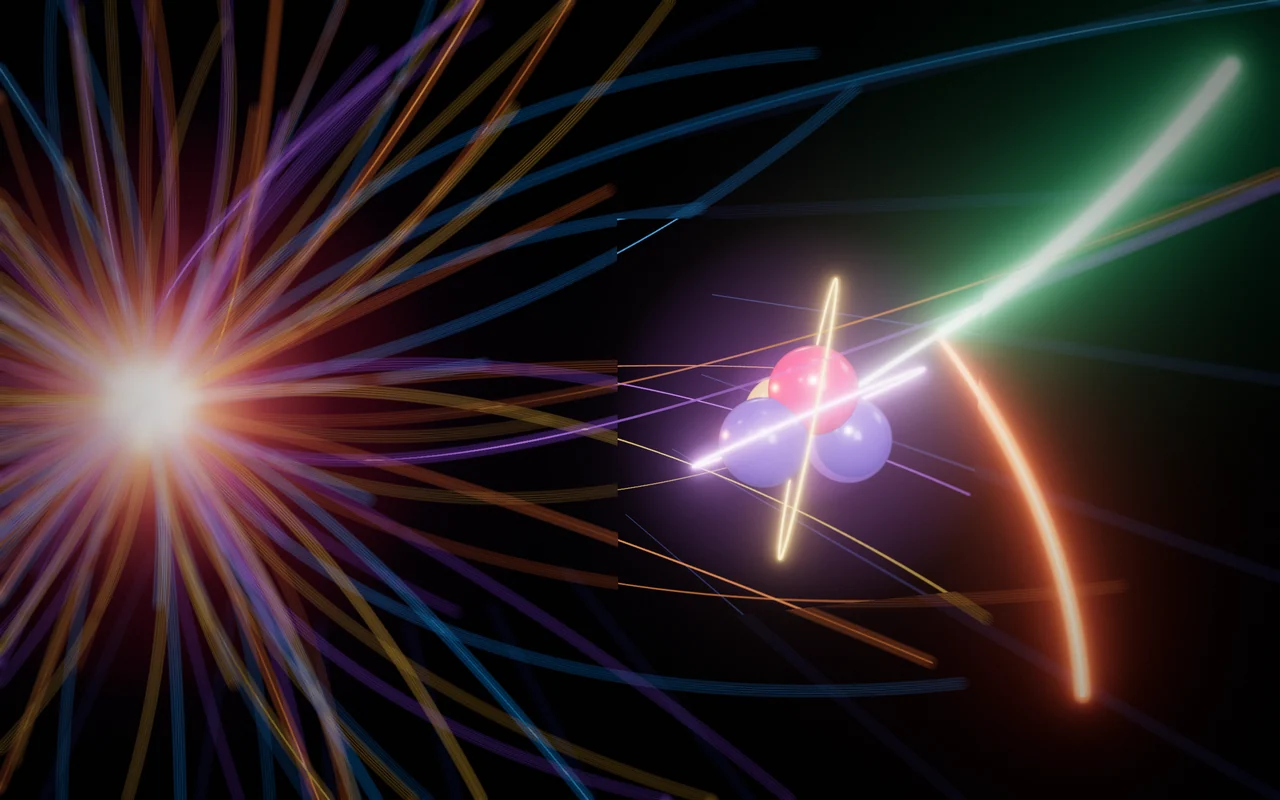
The heaviest antimatter nucleus ever found
Sifting through 6 billion collisions at the RHIC collider in the US, physicists found about 16 nuclei of 'antihyperhydrogen-4', made of an antiproton, two antineutrons and an antilambda particle.
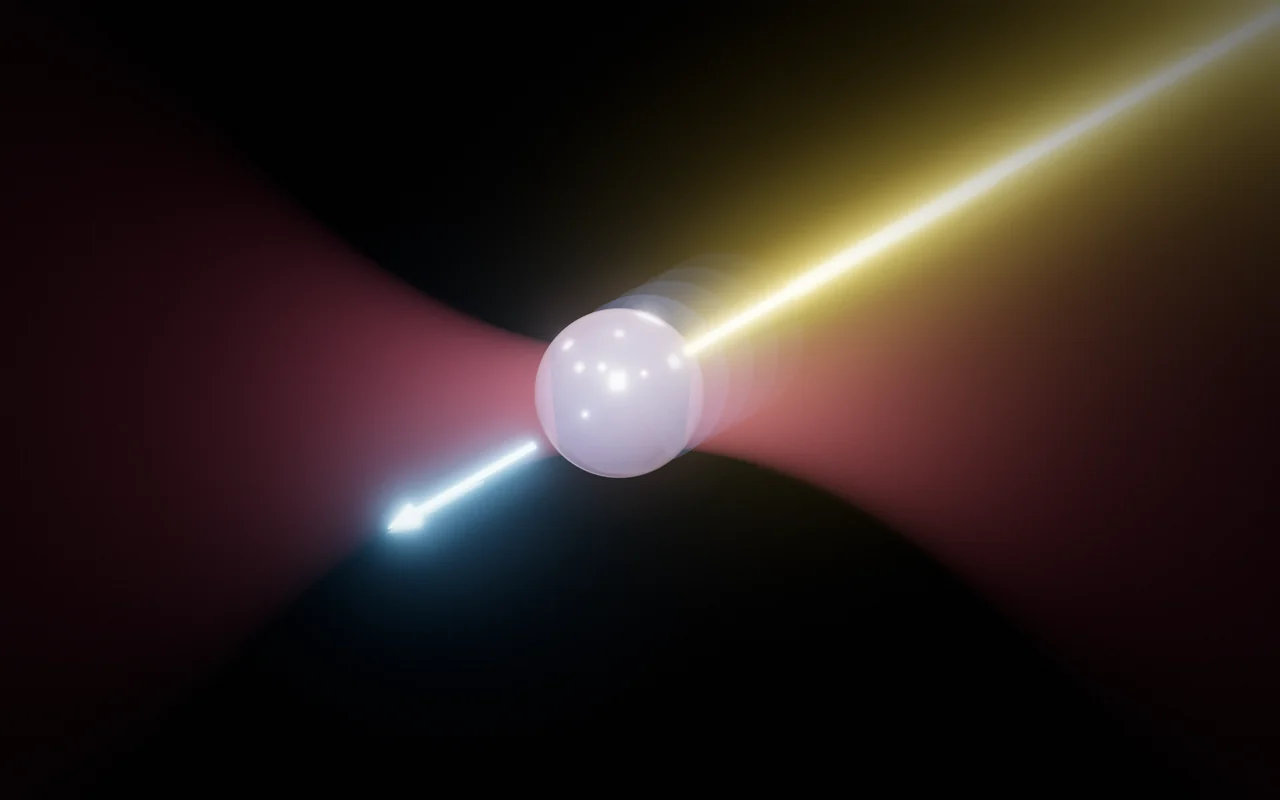
A single nuclear decay detected by its recoil
Yale physicists detected a single nucleus emitting an alpha particle by the tiny jolt it gave a 3-micron glass bead levitating in a laser beam — a bead a trillion times heavier than the particle.
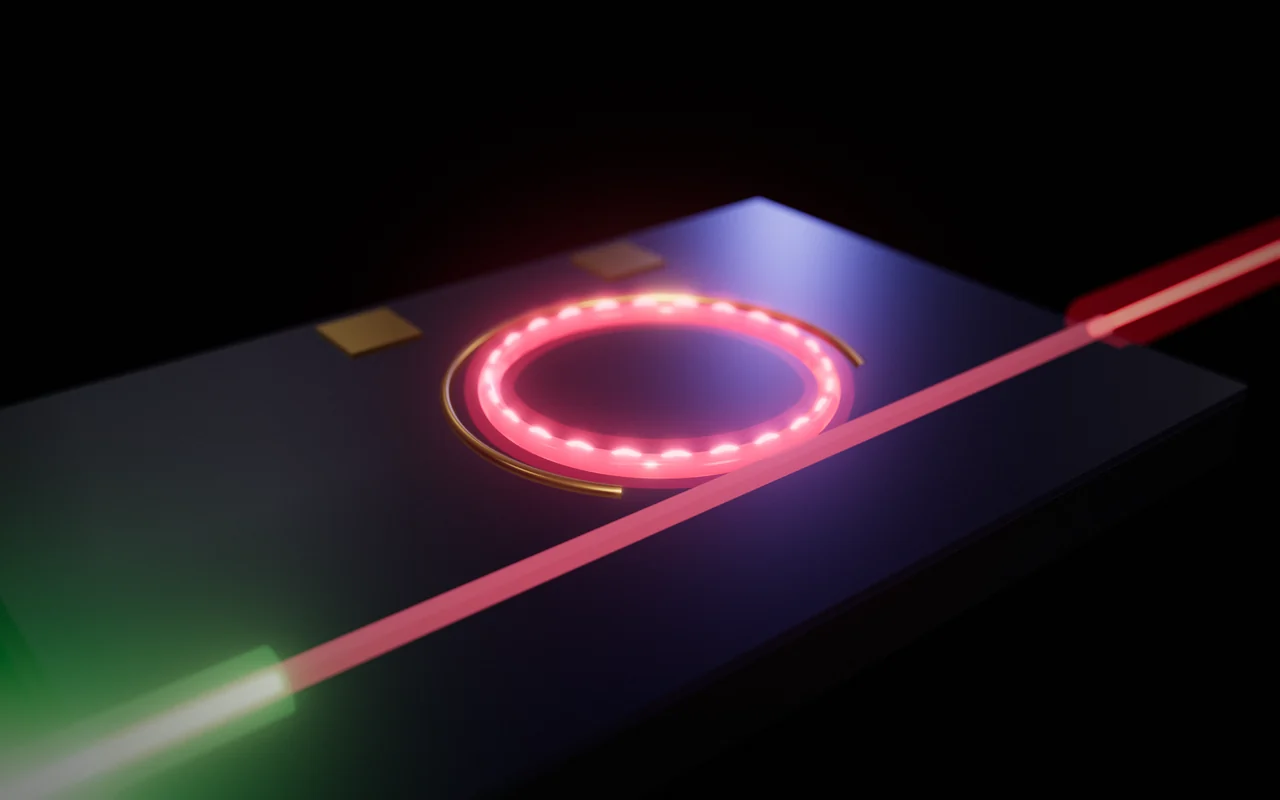
A powerful laser that fits on a chip
Stanford engineers put one of the most expensive lab lasers — the titanium:sapphire laser — onto a chip that is 10,000 times smaller, 1,000 times cheaper and pumped by an ordinary green laser diode.
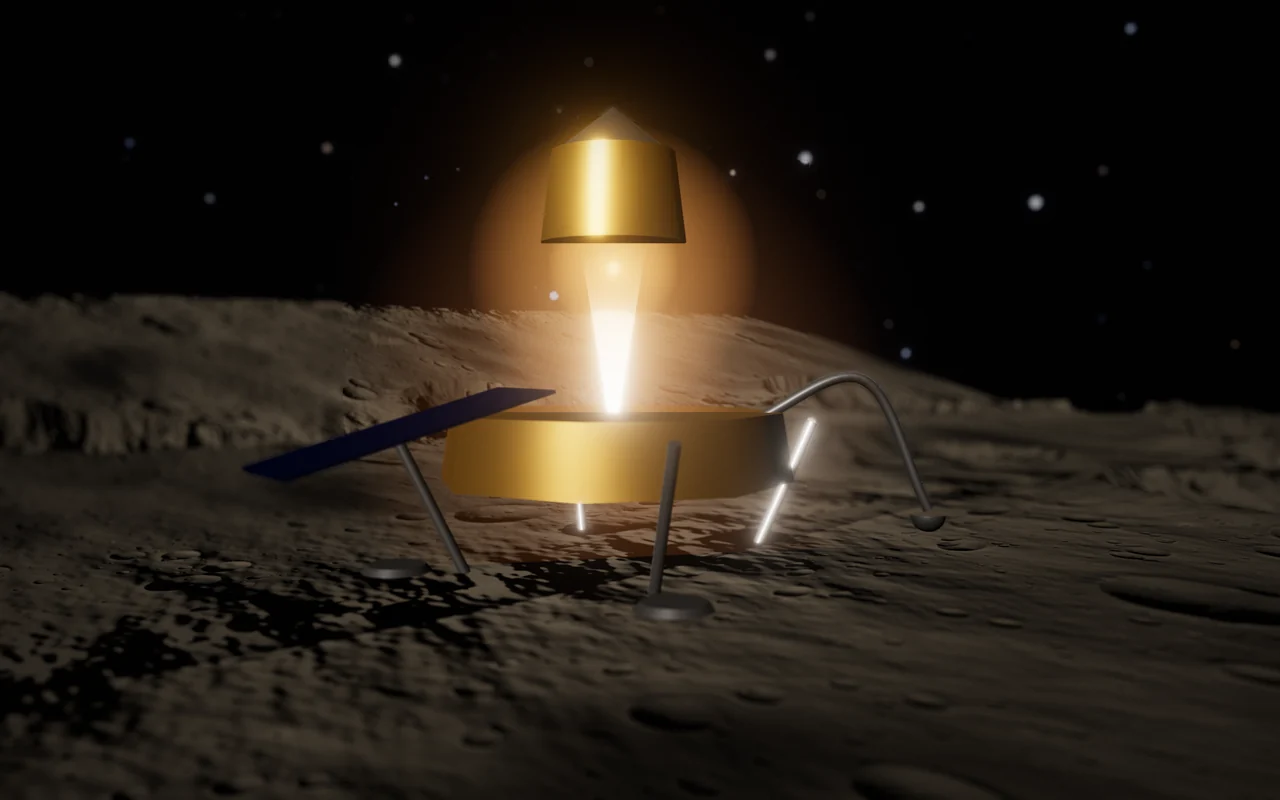
Chang'e-6 brings back the first samples from the Moon's far side
China's Chang'e-6 landed on the side of the Moon never seen from Earth, collected 1,935.3 grams of rock and soil and, after a 53-day mission, brought them home — a first in human history.
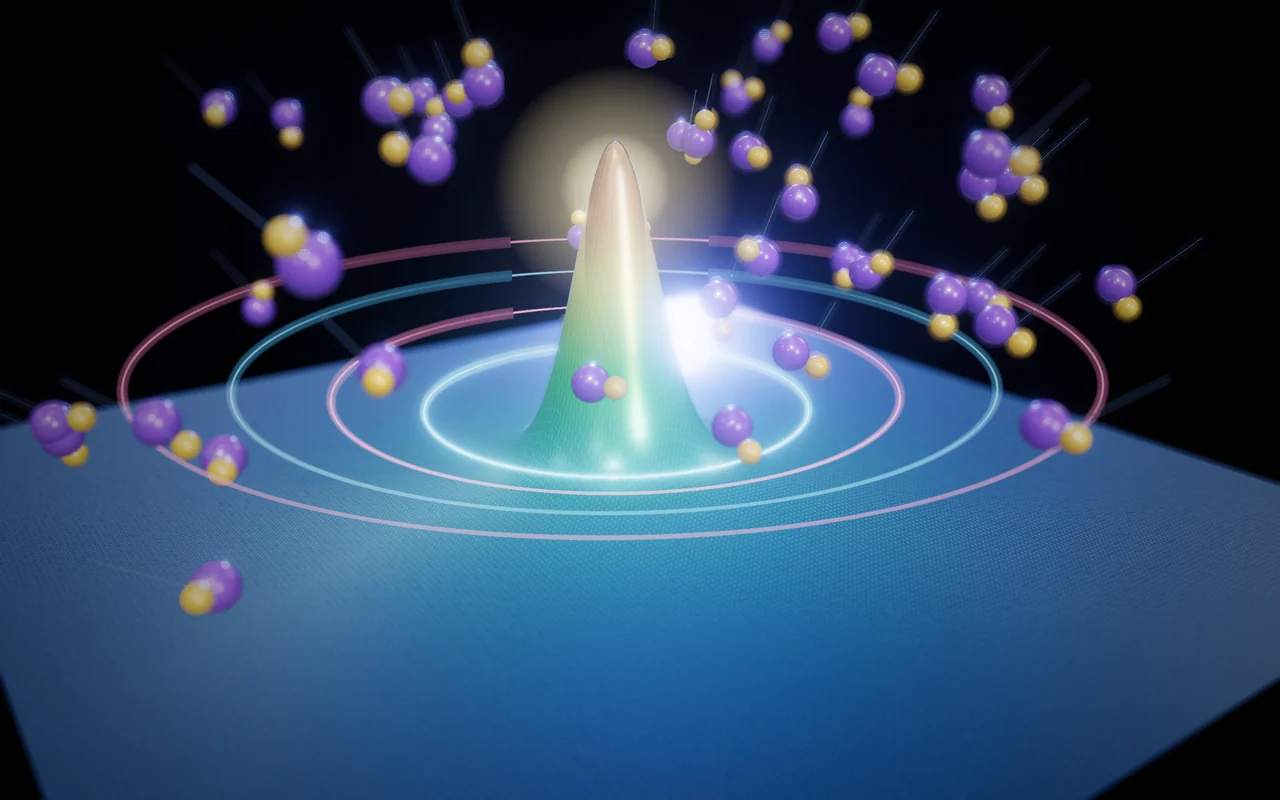
The first Bose–Einstein condensate made of molecules
Columbia University physicists used microwaves to chill sodium–caesium molecules to just 5 nanokelvin above absolute zero. The molecules merged into a single quantum wave that lasted two seconds.
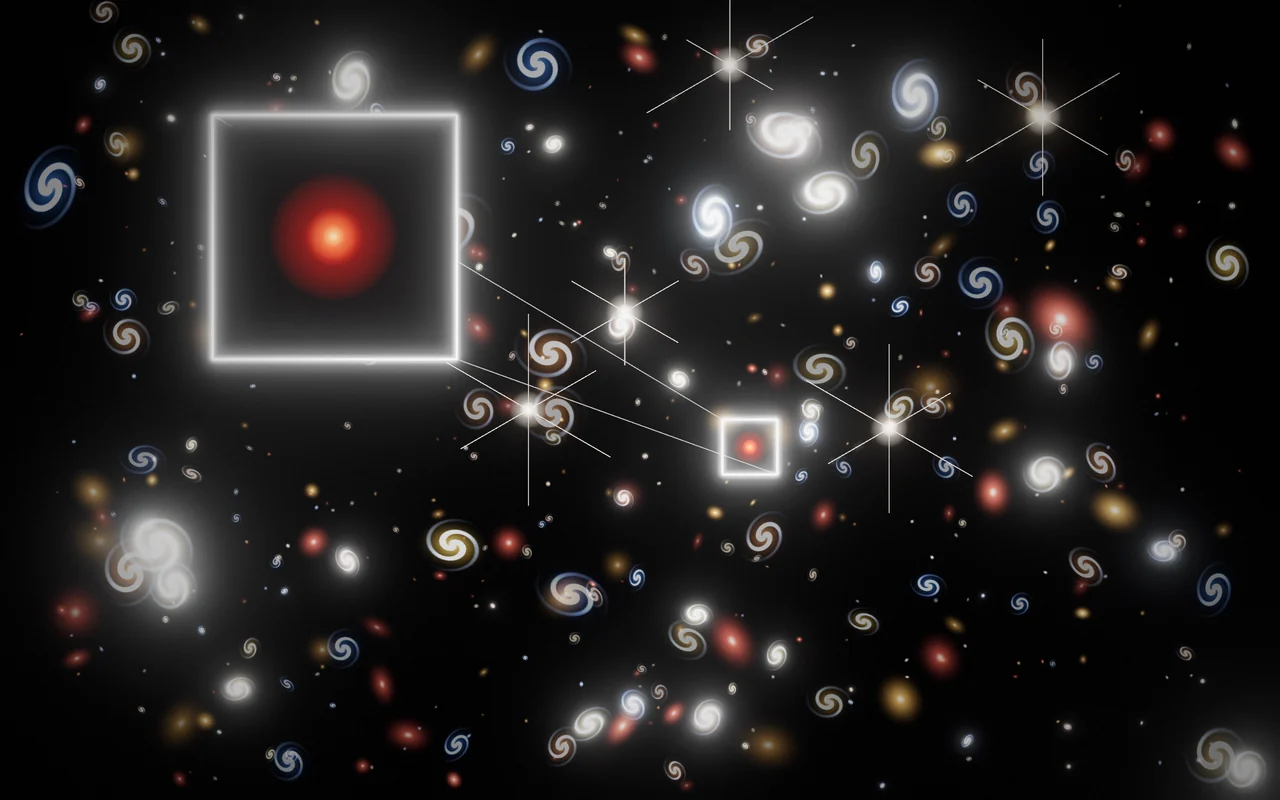
Webb finds the most distant galaxy: 290 million years after the Big Bang
The James Webb Space Telescope spotted JADES-GS-z14-0, whose light left it when the universe was just 290 million years old. Its redshift of 14.32 set a record, and the galaxy proved surprisingly bright, large and rich in oxygen.
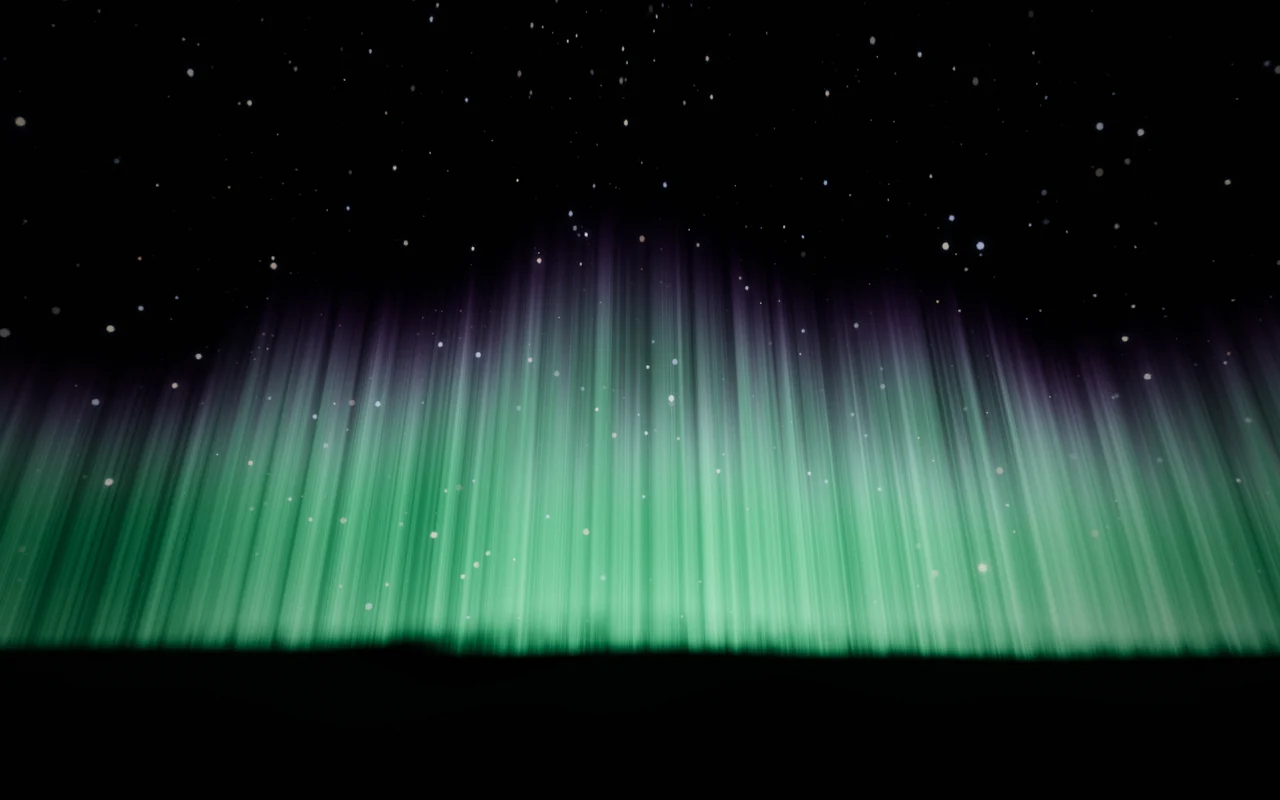
Strongest geomagnetic storm in 20 years paints auroras far to the south
On 10–11 May, clouds of plasma hurled from the Sun reached Earth and triggered the first G5 ('extreme') geomagnetic storm since 2003. Auroras were seen at southern latitudes where they are rarely visible.
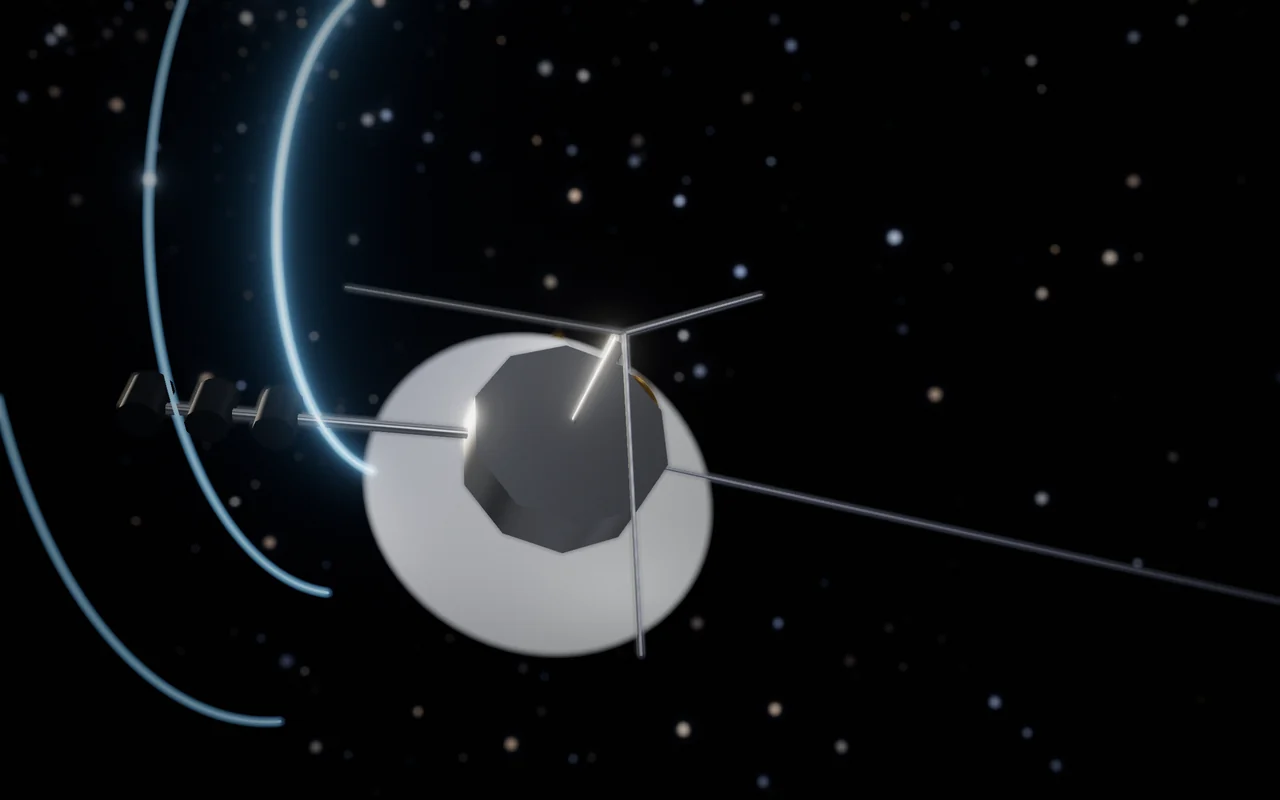
Contact restored with 47-year-old Voyager 1, 24 billion km away
Voyager 1, the most distant human-made object, sent gibberish for five months. NASA engineers wrote code to work around a failed memory chip and 'healed' it from 24 billion km away.
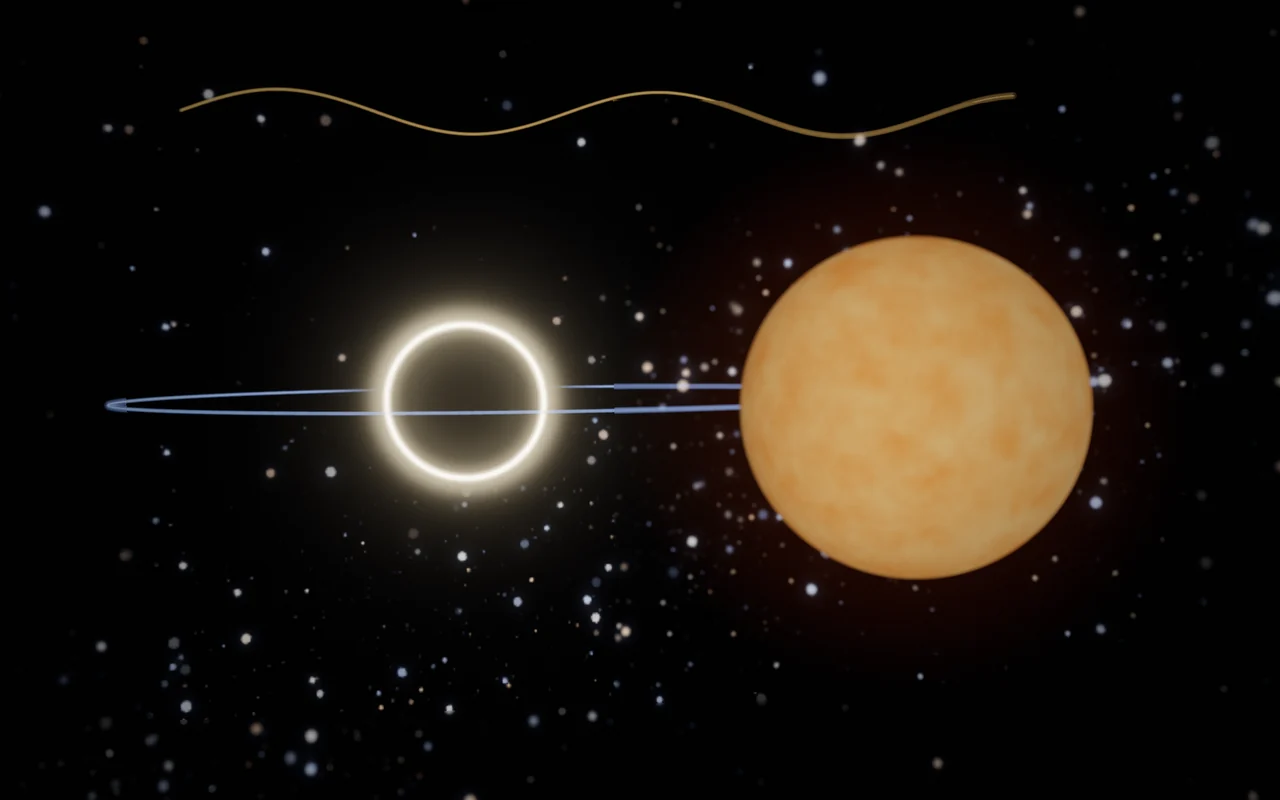
Gaia BH3: the Milky Way's most massive stellar black hole
Data from ESA's Gaia telescope revealed a 'sleeping' black hole 33 times the mass of the Sun in the constellation Aquila, just 1,926 light years from Earth.
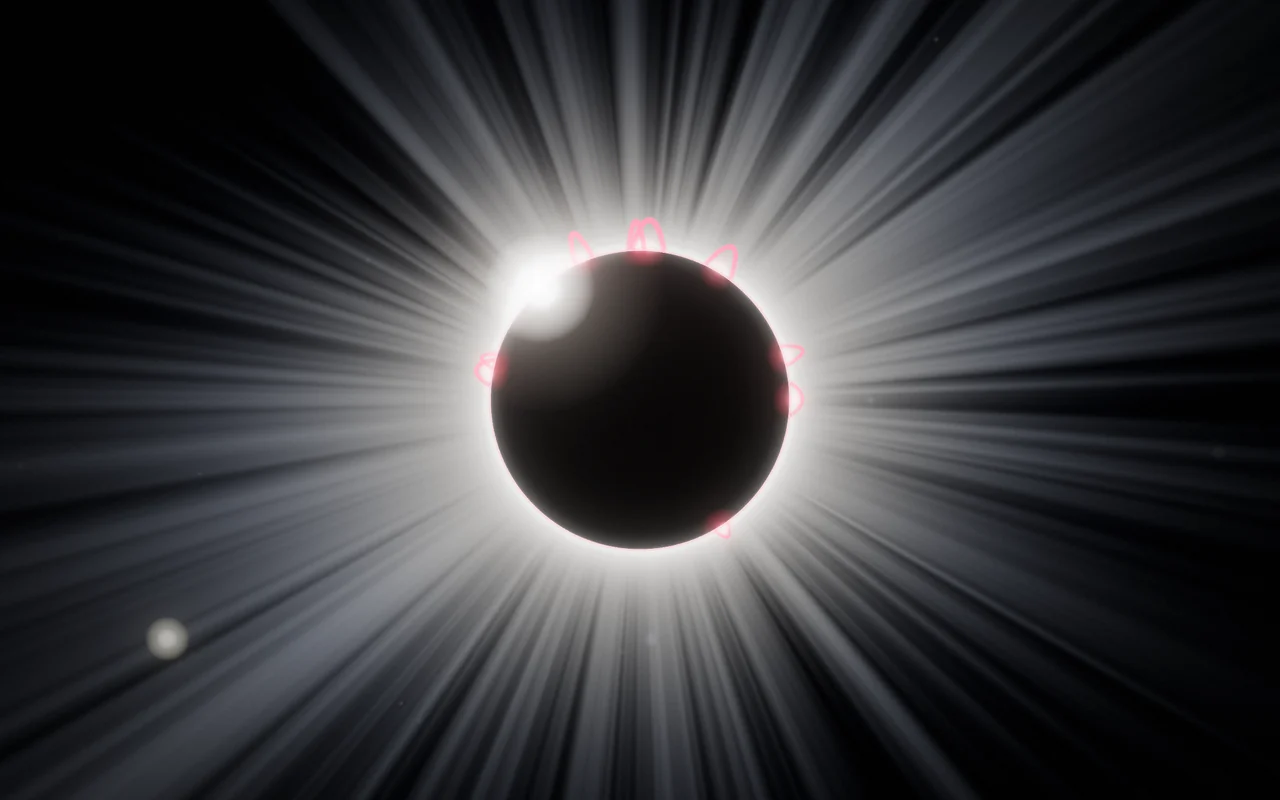
Total solar eclipse sweeps North America as millions look up
On 8 April the Moon's shadow crossed Mexico, the US and Canada. Totality lasted up to 4 minutes 28 seconds in Mexico, and more than 31 million Americans lived inside the path.
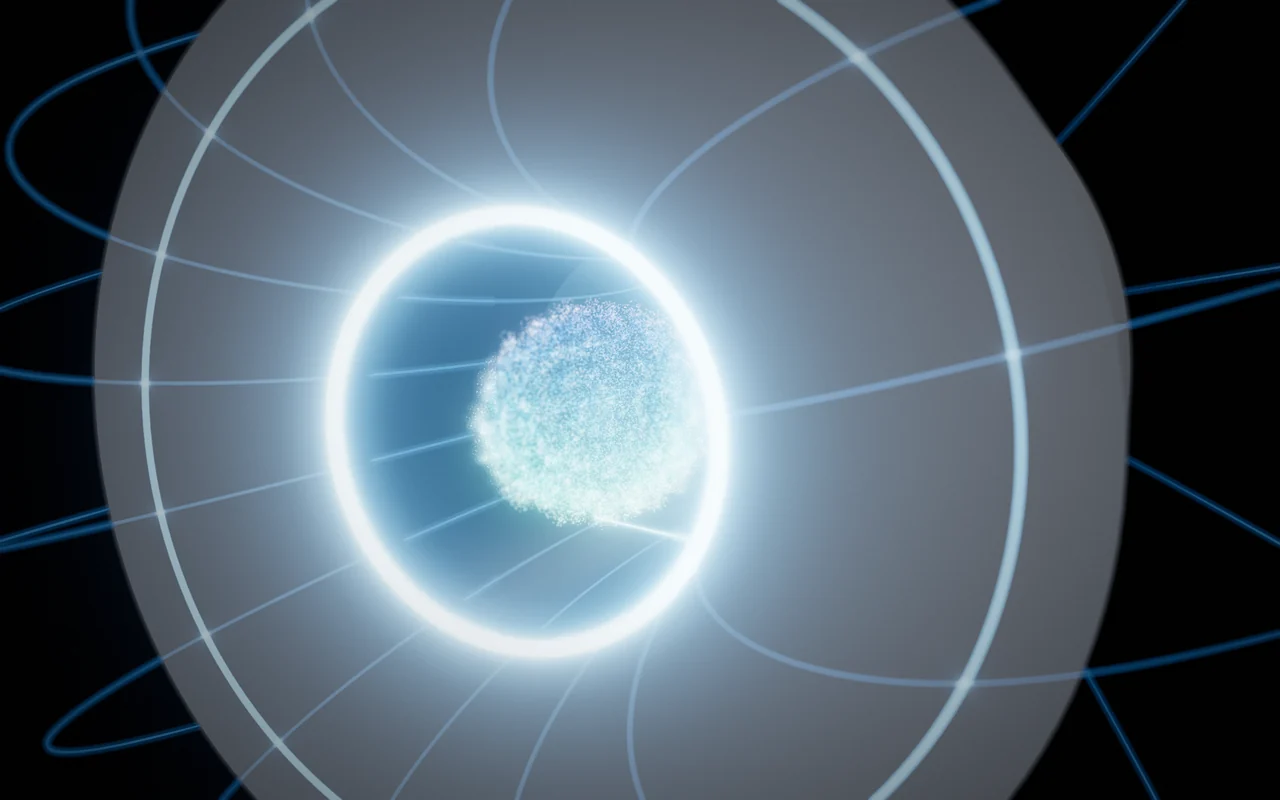
The world's most powerful MRI scanner takes its first images
France's Iseult scanner imaged the living human brain with unprecedented clarity using an 11.7-tesla field. Its magnet weighs 132 tonnes and contains 182 km of superconducting wire.
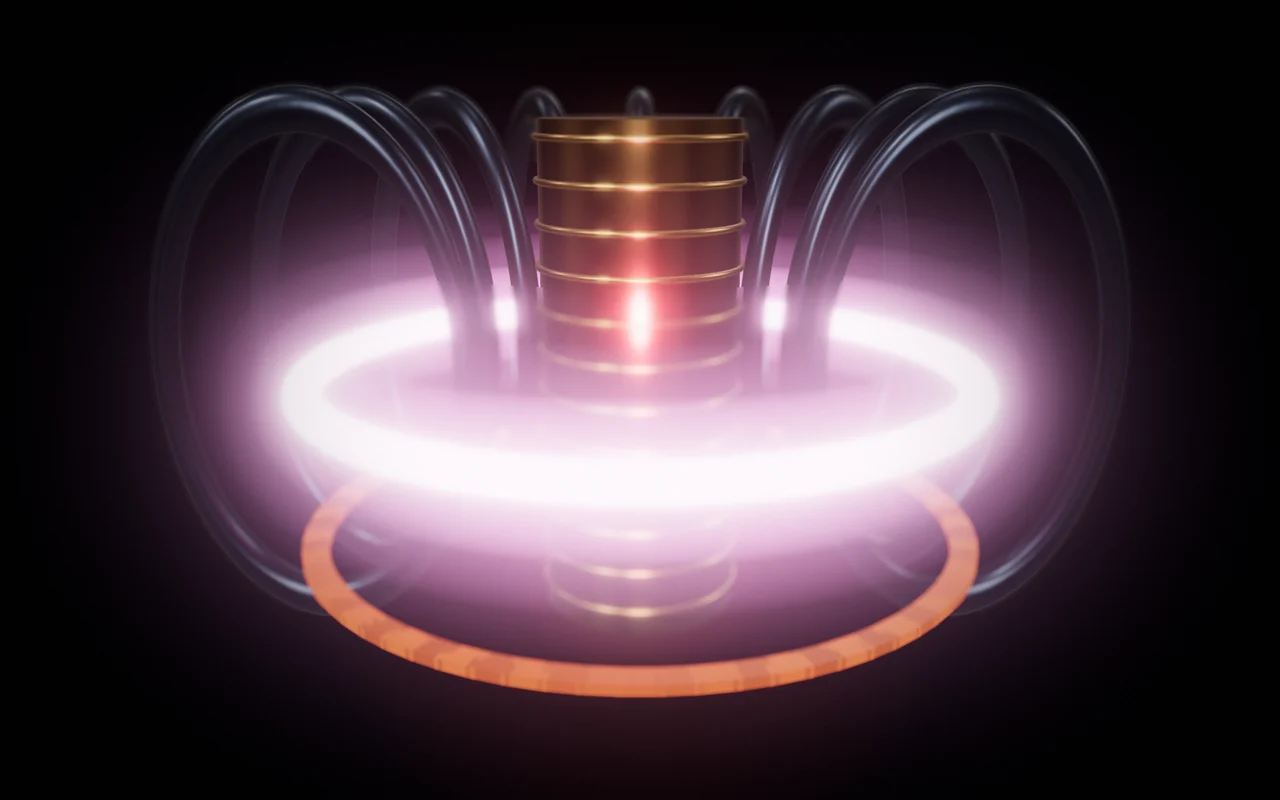
Korea's 'artificial Sun': 100 million degrees for 48 seconds
South Korea's KSTAR fusion device held 100-million-degree plasma for 48 seconds, a new record, and sustained its high-performance mode for 102 seconds thanks to a new tungsten divertor.
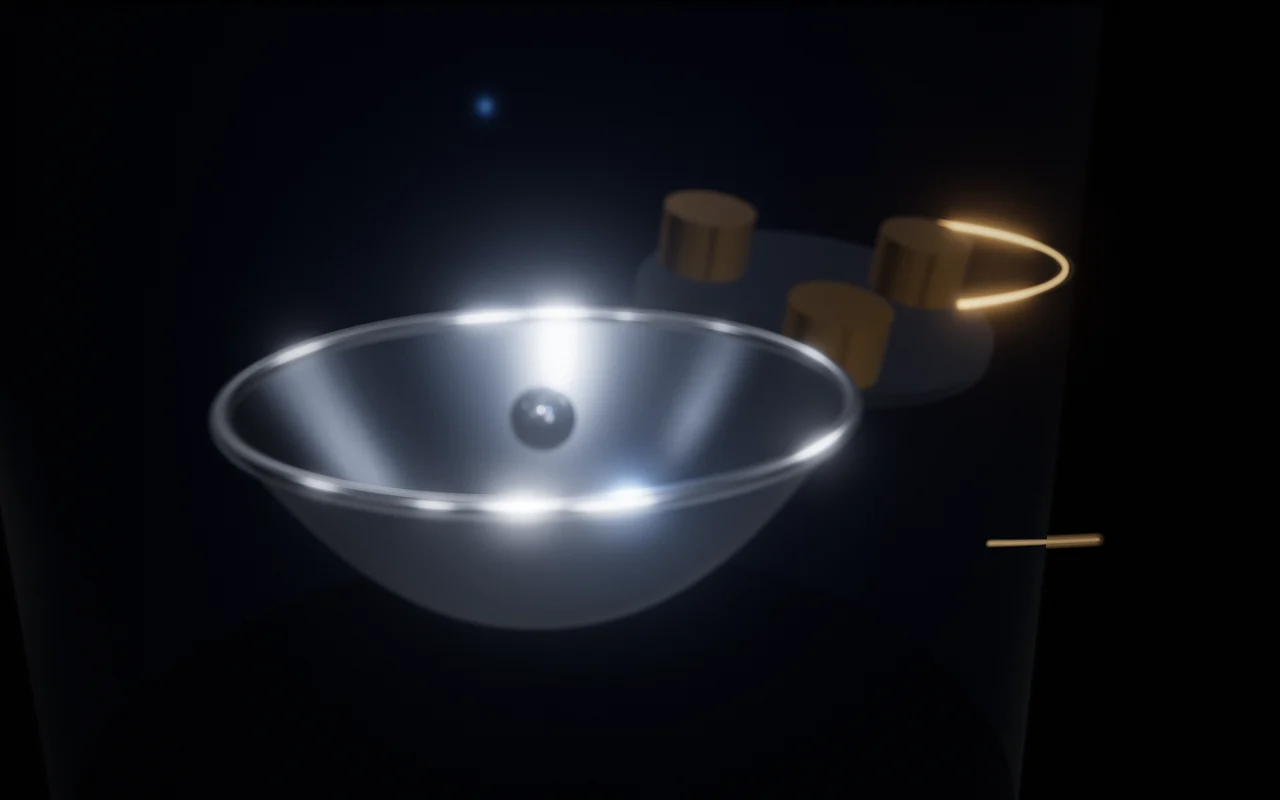
Gravity measured on the smallest mass yet
European physicists levitated a 0.43-milligram particle in a superconducting trap and measured a gravitational pull of just 30 attonewtons on it — an important step towards probing quantum gravity.
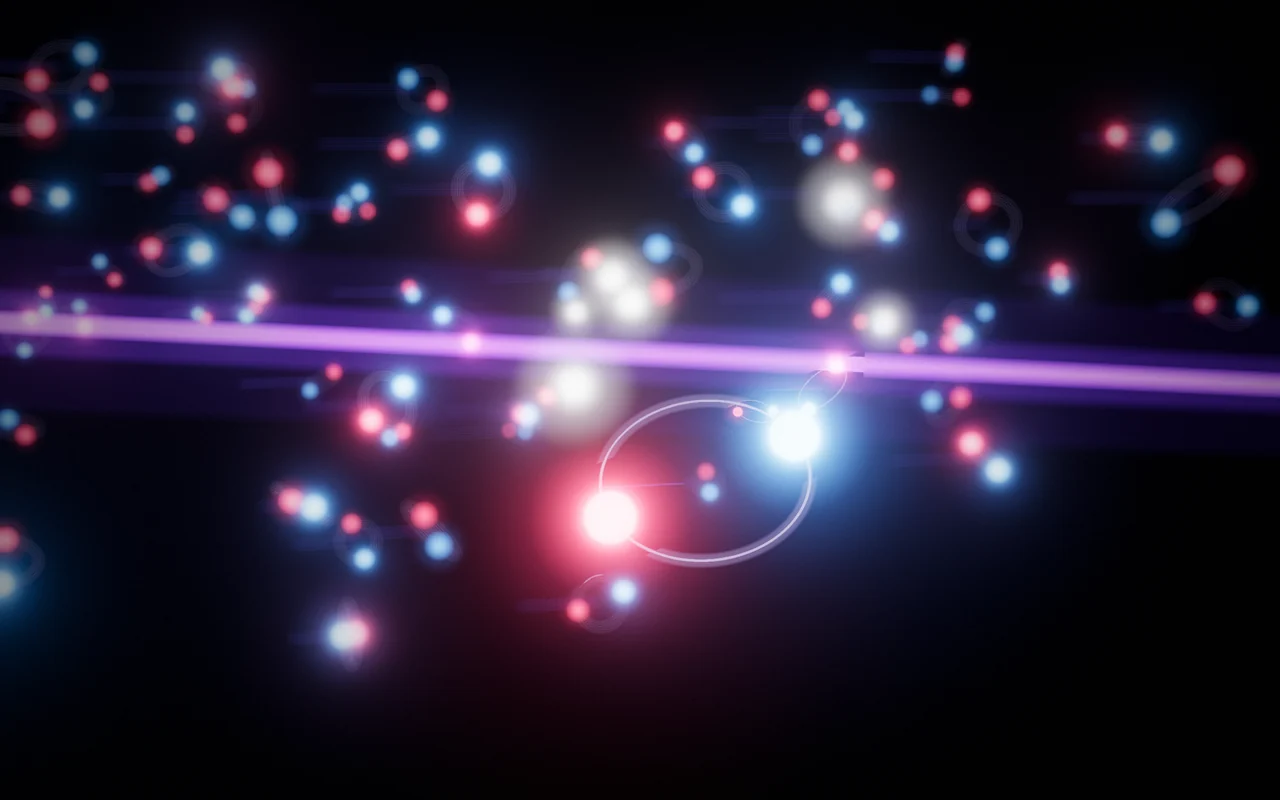
CERN laser-cools a matter–antimatter atom for the first time
Positronium, an atom made of an electron and its antiparticle the positron, lives only briefly. CERN's AEgIS team managed to laser-cool it from 380 K to 170 K within that time — a result 30 years in the making.
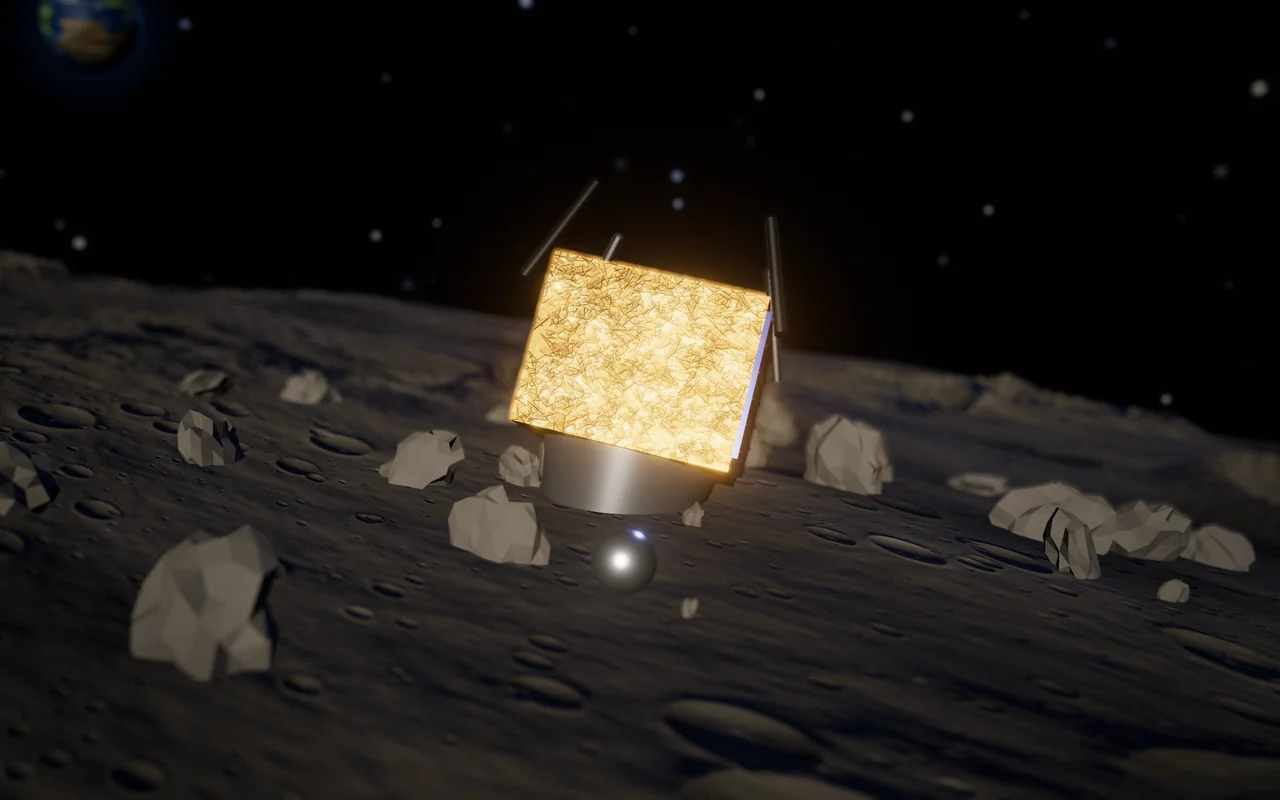
Japan's 'Moon Sniper' lands within 55 metres of its target
Japan's SLIM lander touched down on the Moon, making Japan the fifth country to do so. Where earlier landers missed by kilometres, SLIM came down just 55 metres from its target — albeit upside down.
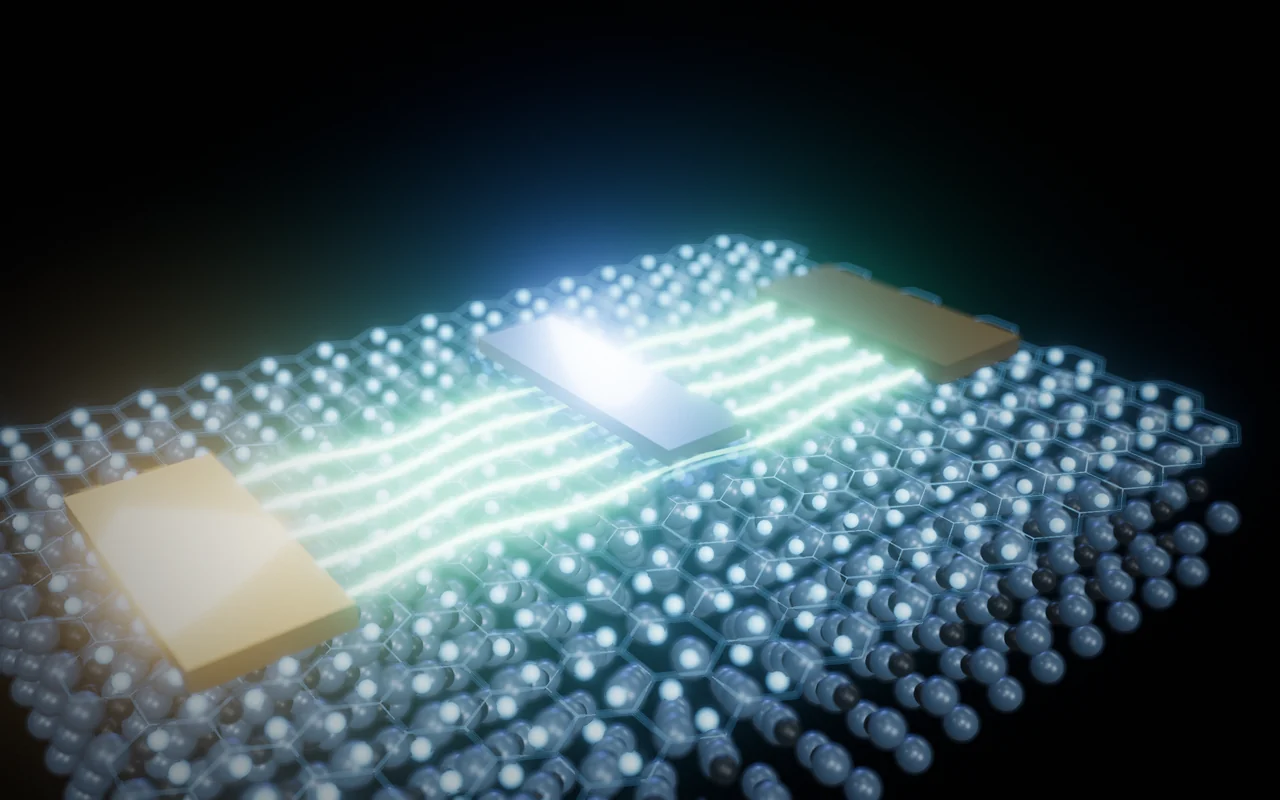
The first working graphene semiconductor is made
Graphene carries electrons far faster than silicon, but it could not be 'switched off'. US and Chinese scientists opened a 0.6 eV band gap in graphene grown on silicon carbide, with electron mobility ten times that of silicon.
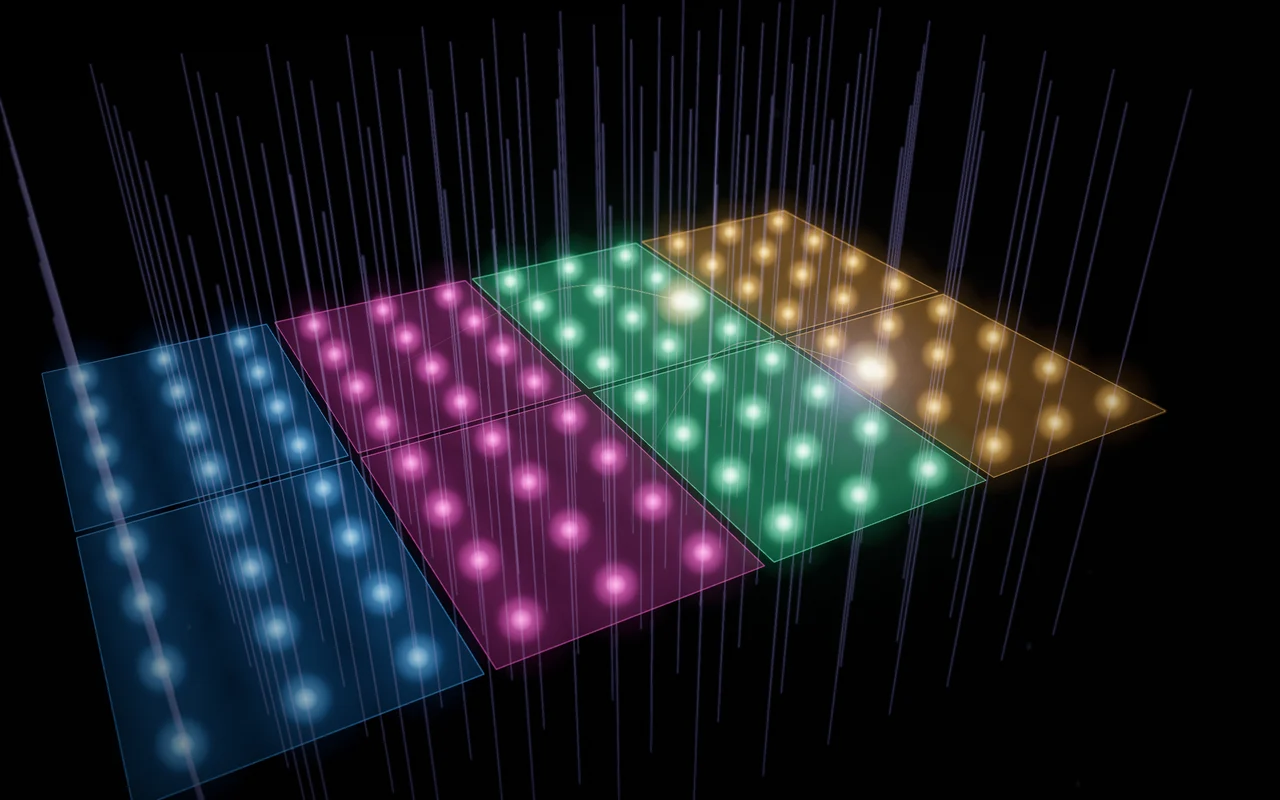
The first programmable quantum processor with 48 logical qubits
Researchers from Harvard, MIT and QuEra built a quantum processor with 48 error-correcting logical qubits, made of rubidium atoms held and moved by laser 'tweezers' — a major step towards reliable quantum computers.
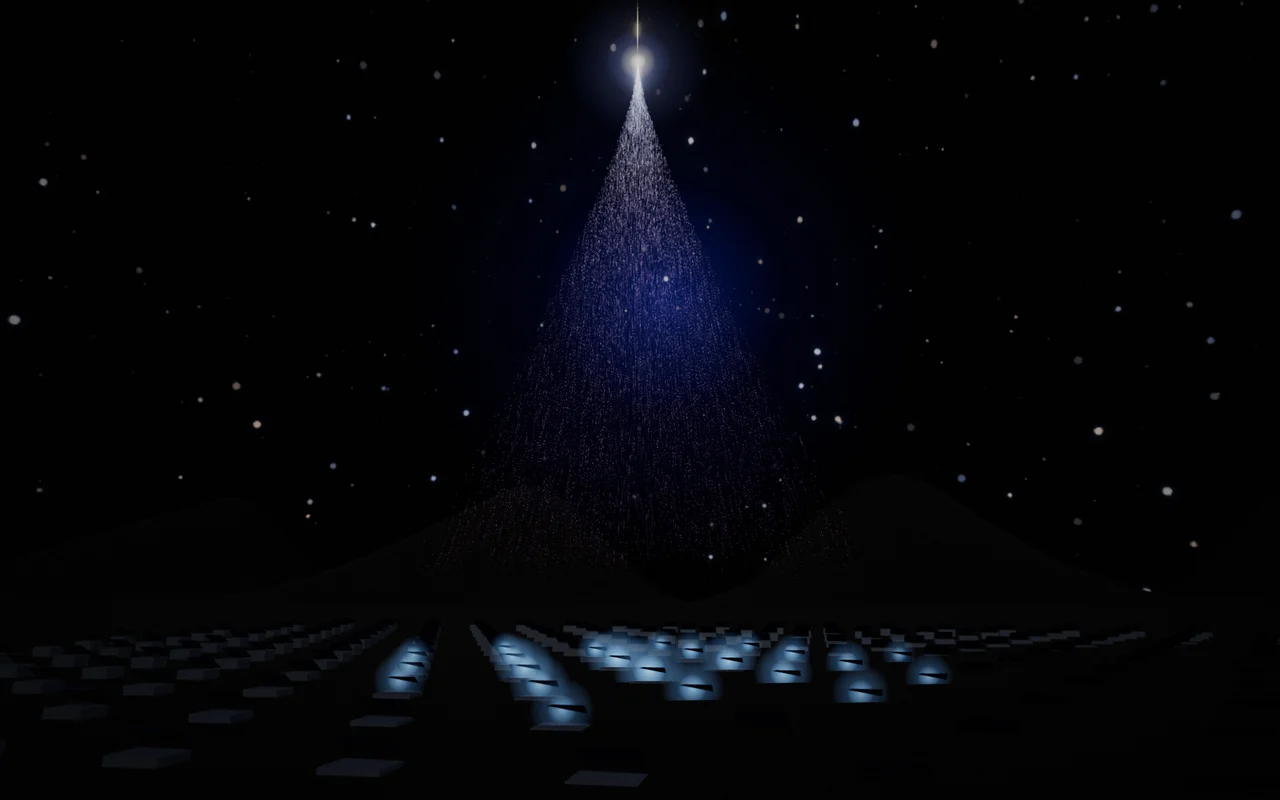
'Amaterasu': a mysterious ultra-high-energy particle from space
The Telescope Array in Utah recorded a cosmic particle with an energy of 244 EeV — more than a million times what the most powerful accelerator achieves. Named Amaterasu after the Japanese sun goddess, it came from an almost empty region of space.
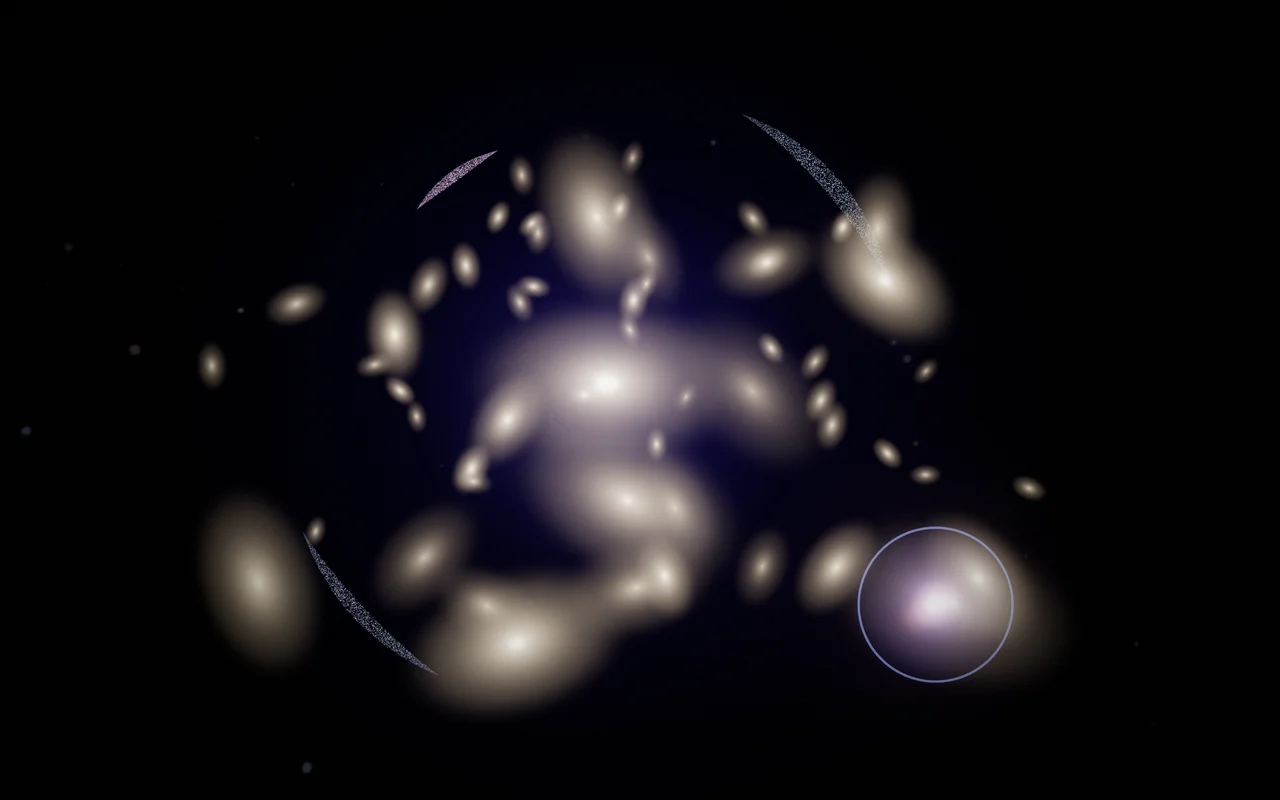
The most distant black hole seen in X-rays: UHZ1
Chandra and Webb together found a growing black hole just 470 million years after the Big Bang, weighing 10–100 million Suns — the best evidence yet that some early black holes formed from the direct collapse of huge gas clouds.
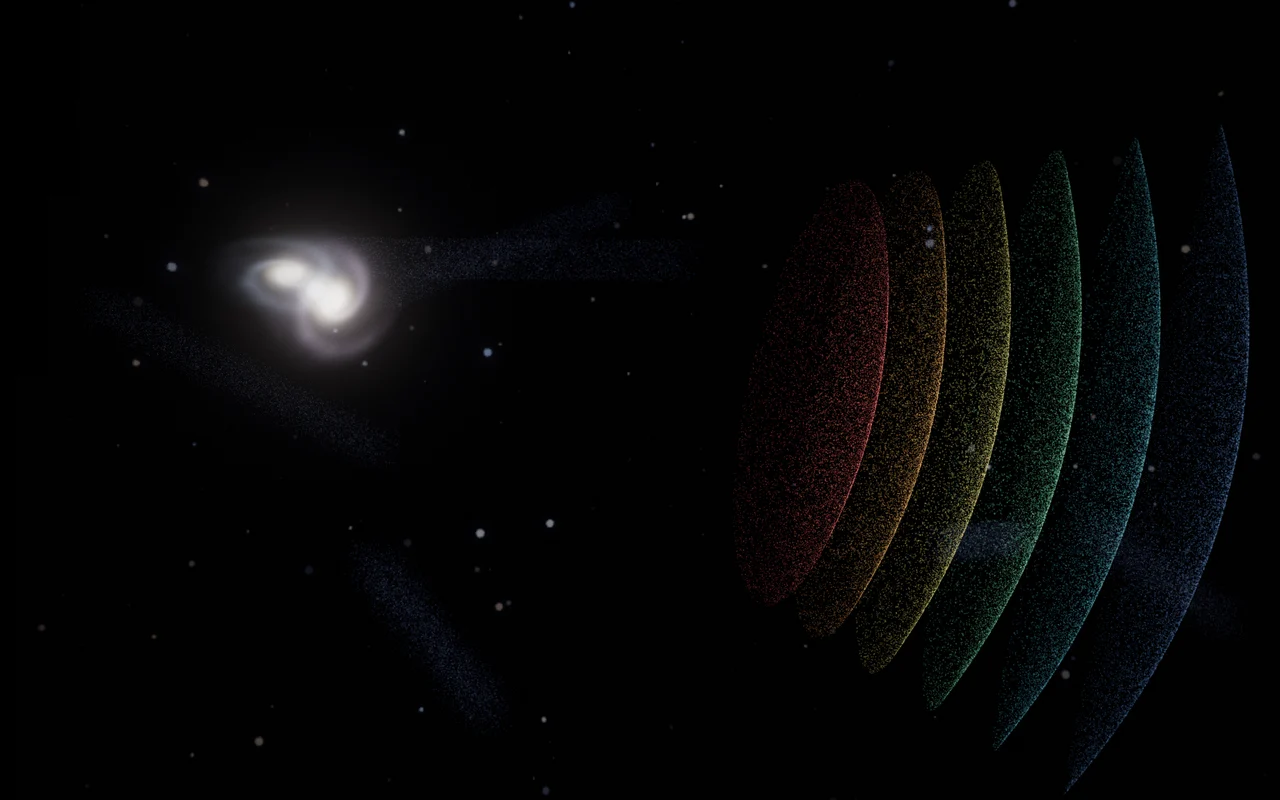
The most distant fast radio burst: an 8-billion-year-old signal helps weigh the universe
Australia's ASKAP radio telescope caught a burst lasting under a millisecond that released as much energy as the Sun emits in 30 years. Its light travelled 8 billion years — the most distant fast radio burst yet found.
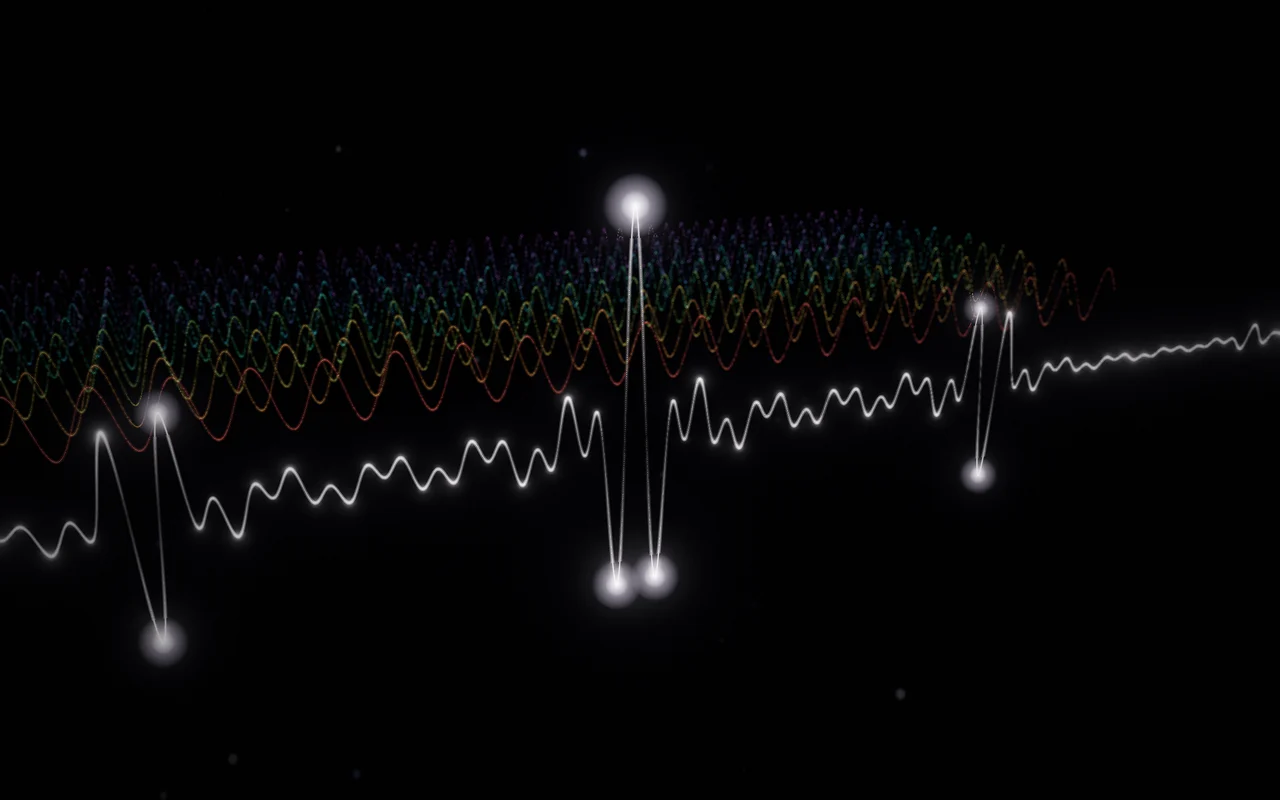
2023 Nobel Prize: attosecond flashes that opened the world of electrons
The Nobel Prize in Physics went to Pierre Agostini, Ferenc Krausz and Anne L'Huillier for methods to make attosecond pulses of light — lasting a billionth of a billionth of a second — that let us watch electrons move inside atoms.
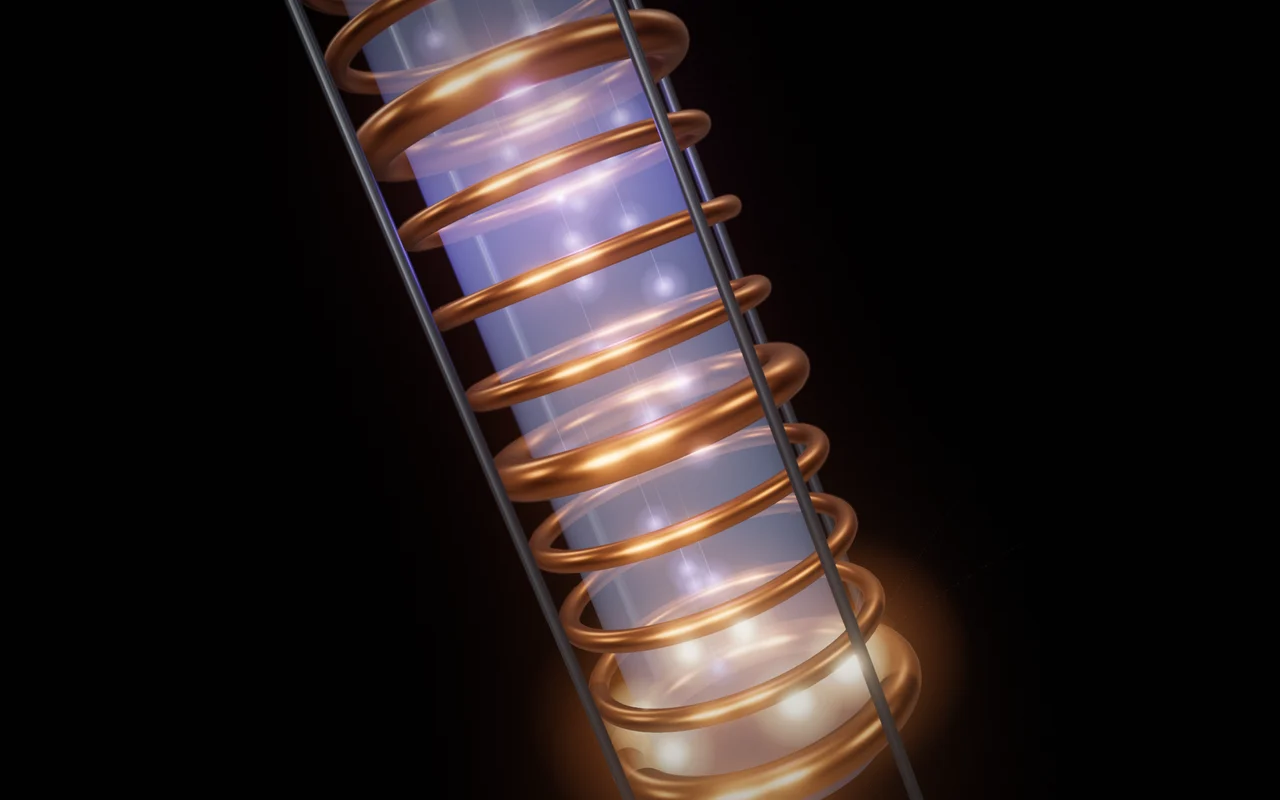
Antimatter falls down too: gravity's pull on antihydrogen measured
CERN's ALPHA-g experiment has shown directly, for the first time, that antihydrogen atoms fall down just like ordinary matter — ruling out 'antigravity' and confirming Einstein's theory for antimatter.
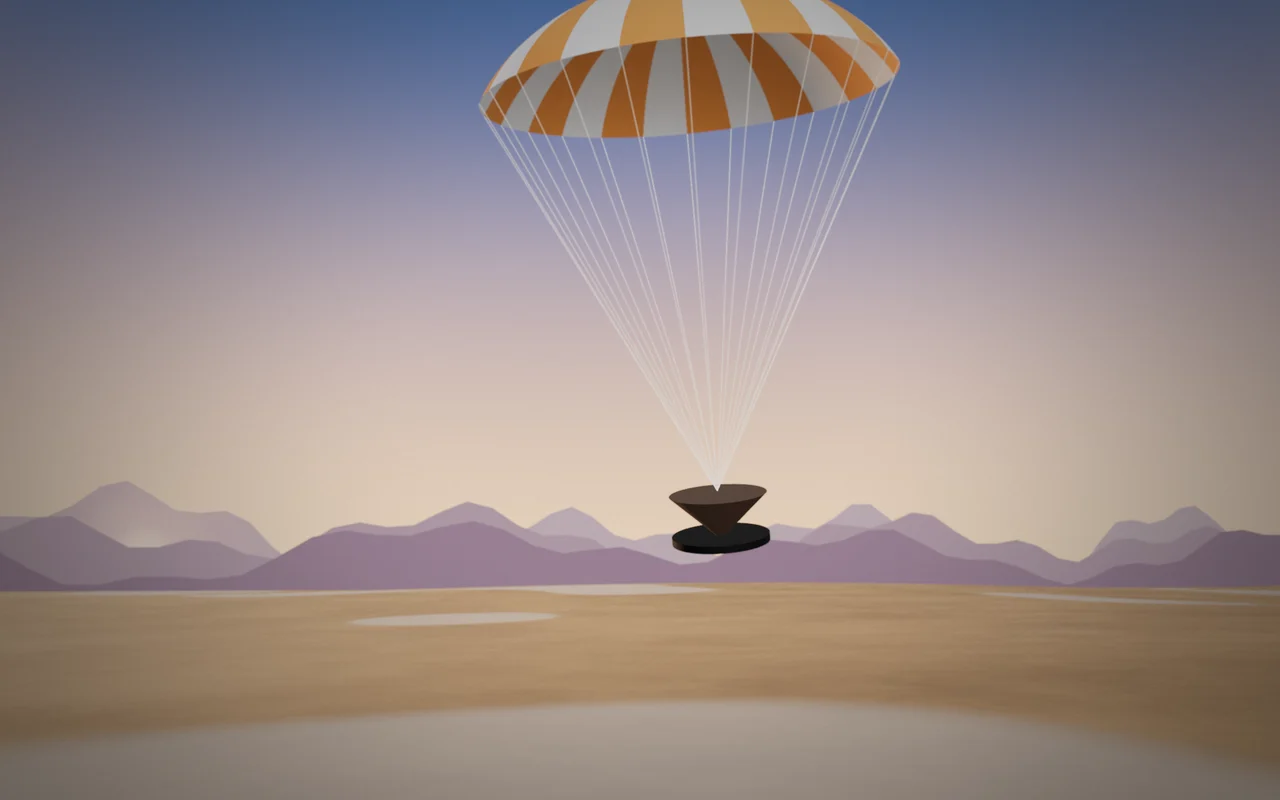
OSIRIS-REx brings asteroid Bennu's soil back to Earth
A capsule dropped by NASA's OSIRIS-REx parachuted into the Utah desert carrying 121.6 grams of rock and dust from asteroid Bennu — the largest asteroid sample ever returned from space.
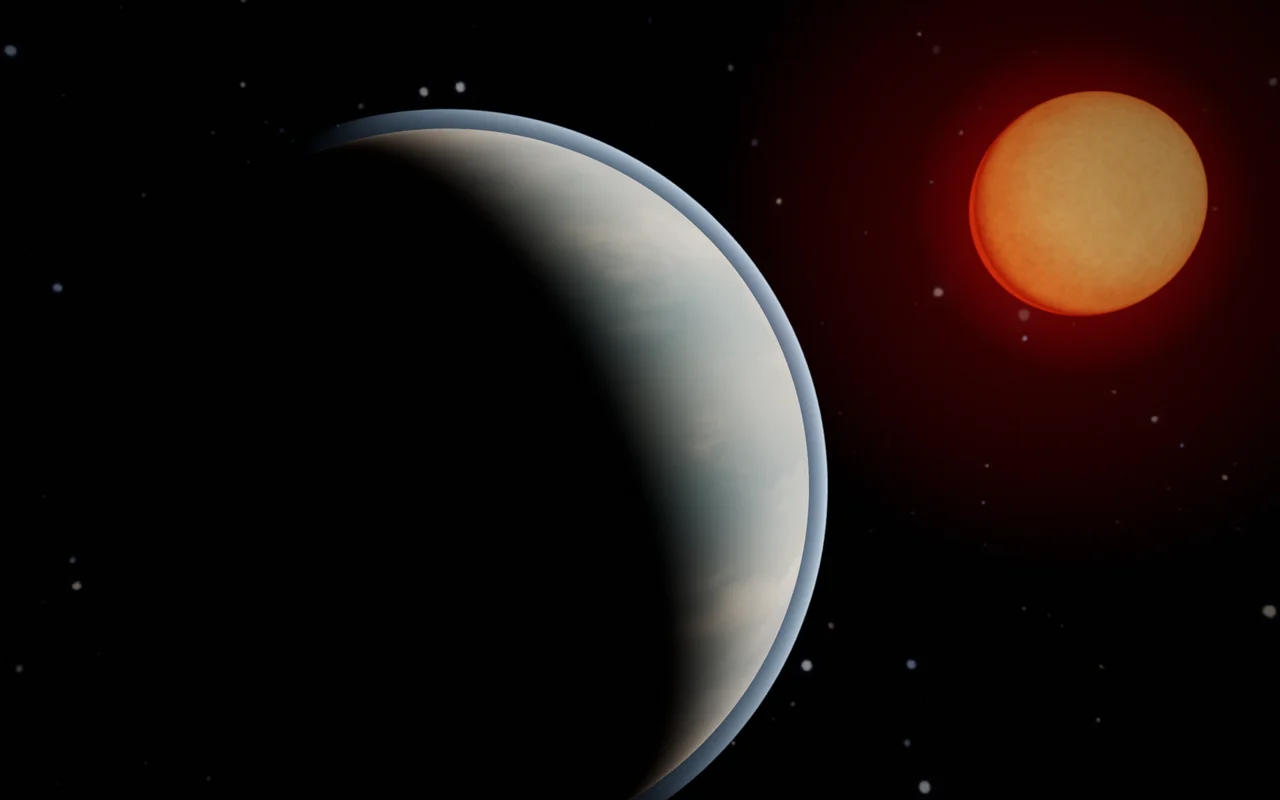
Webb finds methane and carbon dioxide on habitable-zone planet K2-18 b
Webb has detected methane and carbon dioxide in the atmosphere of K2-18 b, 120 light years away — consistent with an ocean-covered surface beneath a hydrogen-rich atmosphere, a proposed class called 'Hycean' worlds.
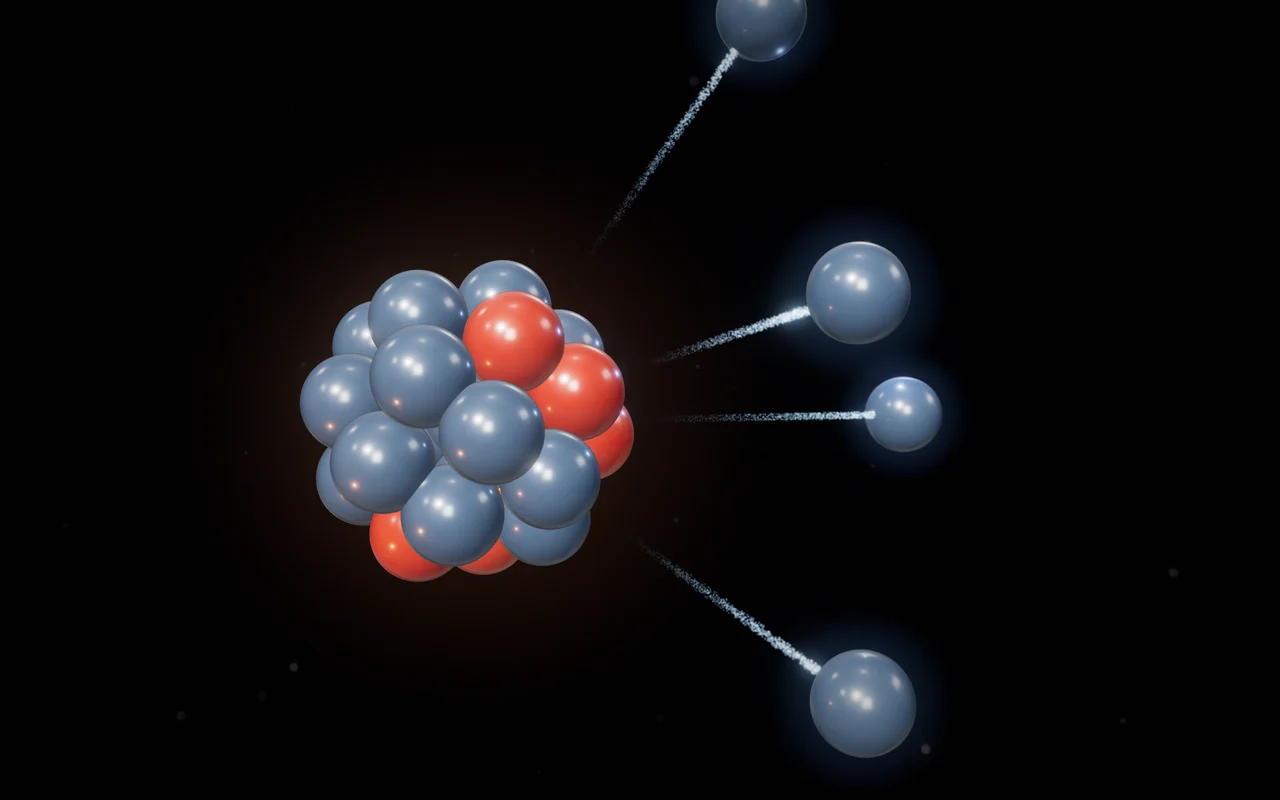
Oxygen-28 observed for the first time — and the 'magic' nucleus surprised everyone
A Japanese accelerator has recorded oxygen-28 — 8 protons and 20 neutrons — for the first time. Both numbers are 'magic', so it was expected to be especially stable, yet it fell apart almost instantly, shedding four neutrons.
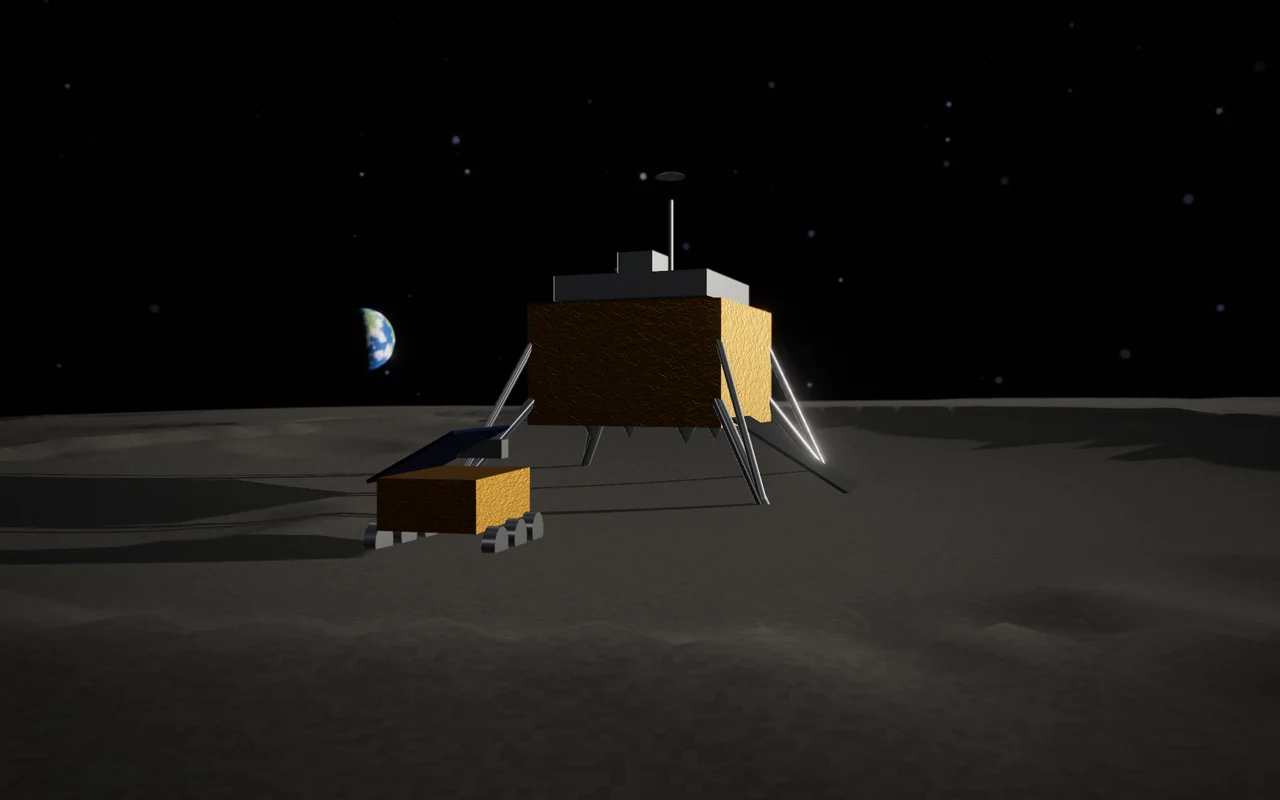
Chandrayaan-3 becomes the first to land near the Moon's south pole
India's Vikram lander touched down safely near the Moon's south pole, making India the fourth nation to soft-land on the Moon, and its Pragyan rover made the first on-the-spot detection of sulphur in the polar soil.
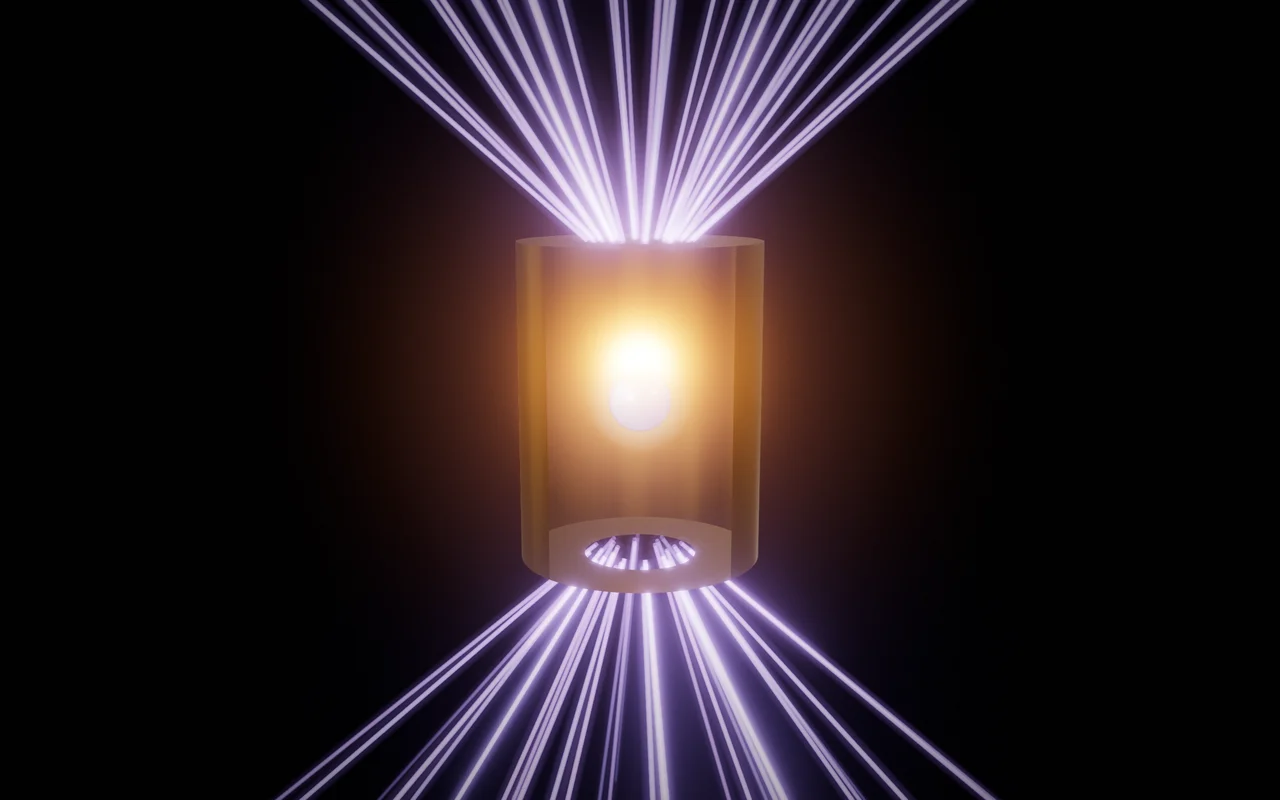
Fusion ignition repeated: NIF sets a new energy record
The US National Ignition Facility (NIF) has again produced more fusion energy than its lasers delivered: 3.88 megajoules from 2.05 megajoules of laser light — even more than its first success.
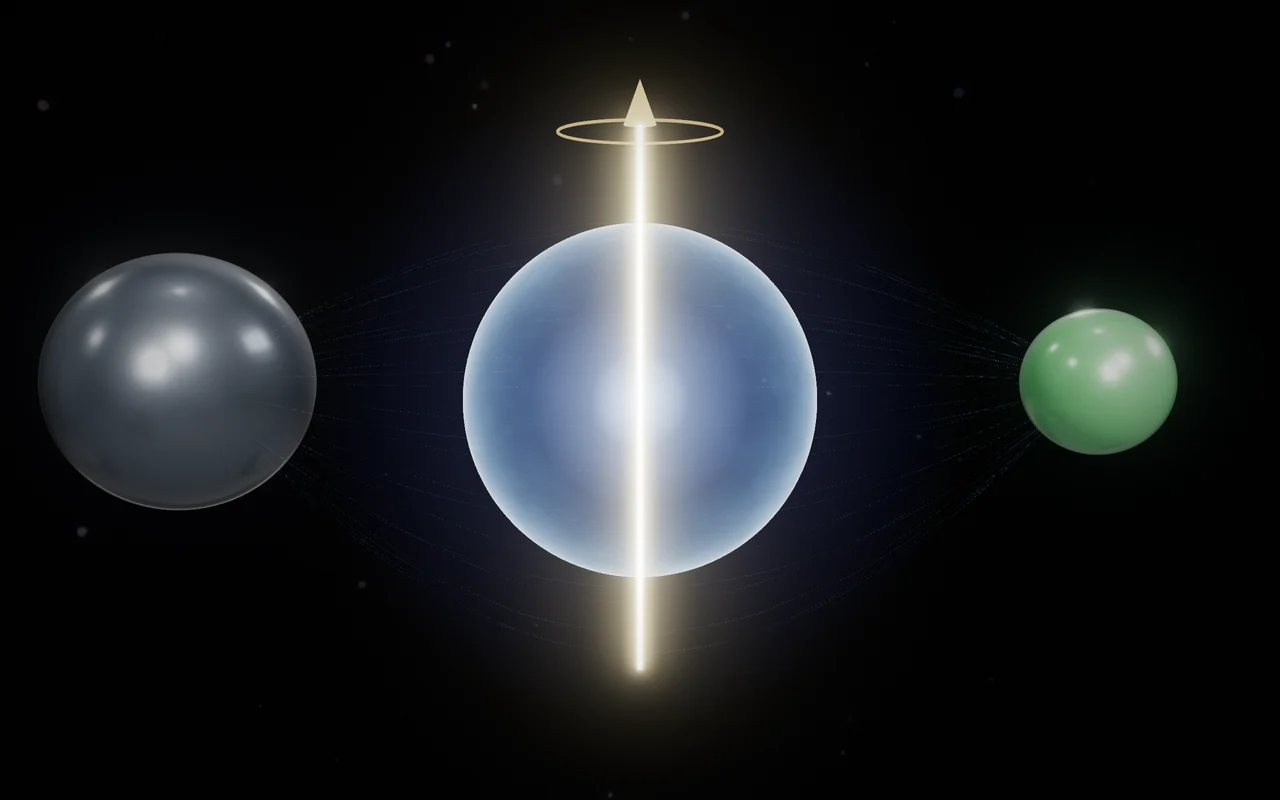
The electron's shape measured with record precision: almost perfectly round
Physicists measured how evenly the electron's charge is spread between its poles and found no distortion: its electric dipole moment is below 4.1×10⁻³⁰ e·cm, 2.4 times tighter than the previous best limit.
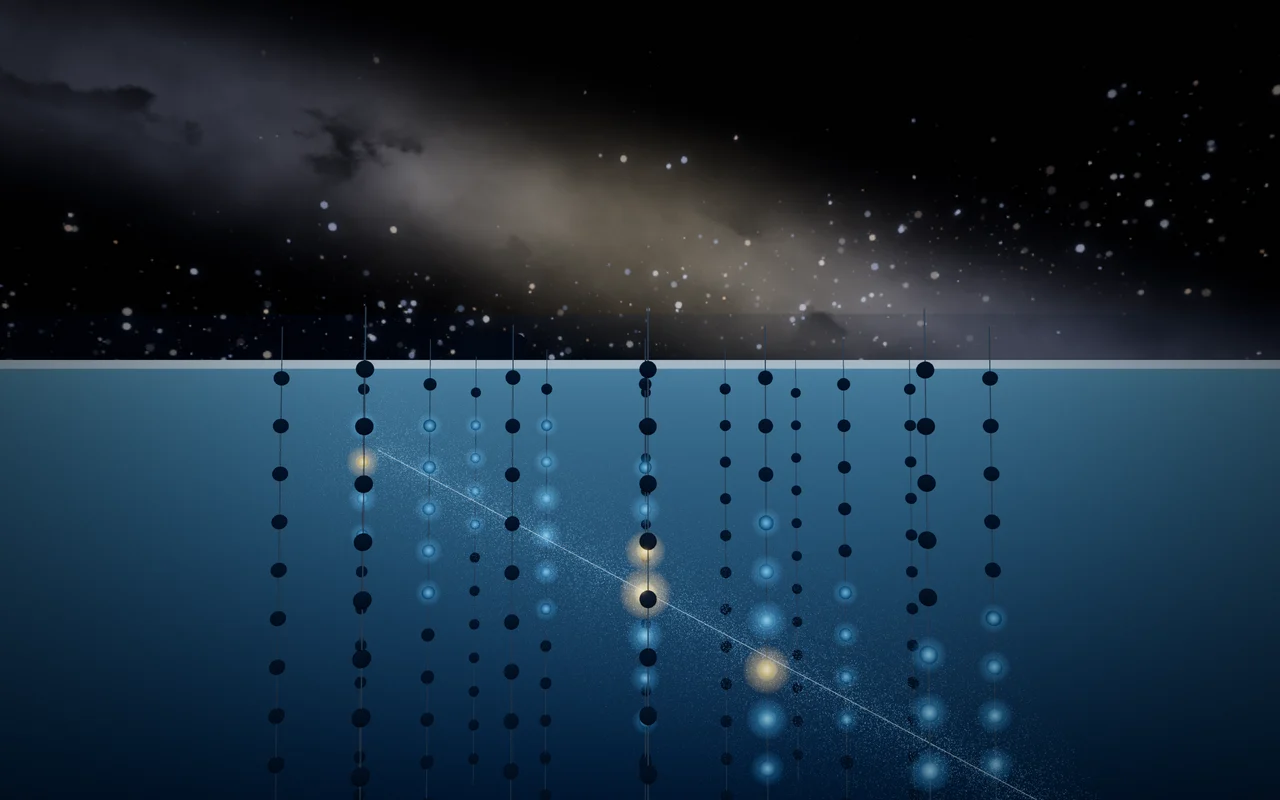
The Milky Way seen in neutrinos for the first time
The IceCube observatory, buried in Antarctic ice, has detected high-energy neutrinos coming from the plane of our galaxy — the first 'picture' of the Milky Way made with particles instead of light, found by analysing ten years of data with machine learning.
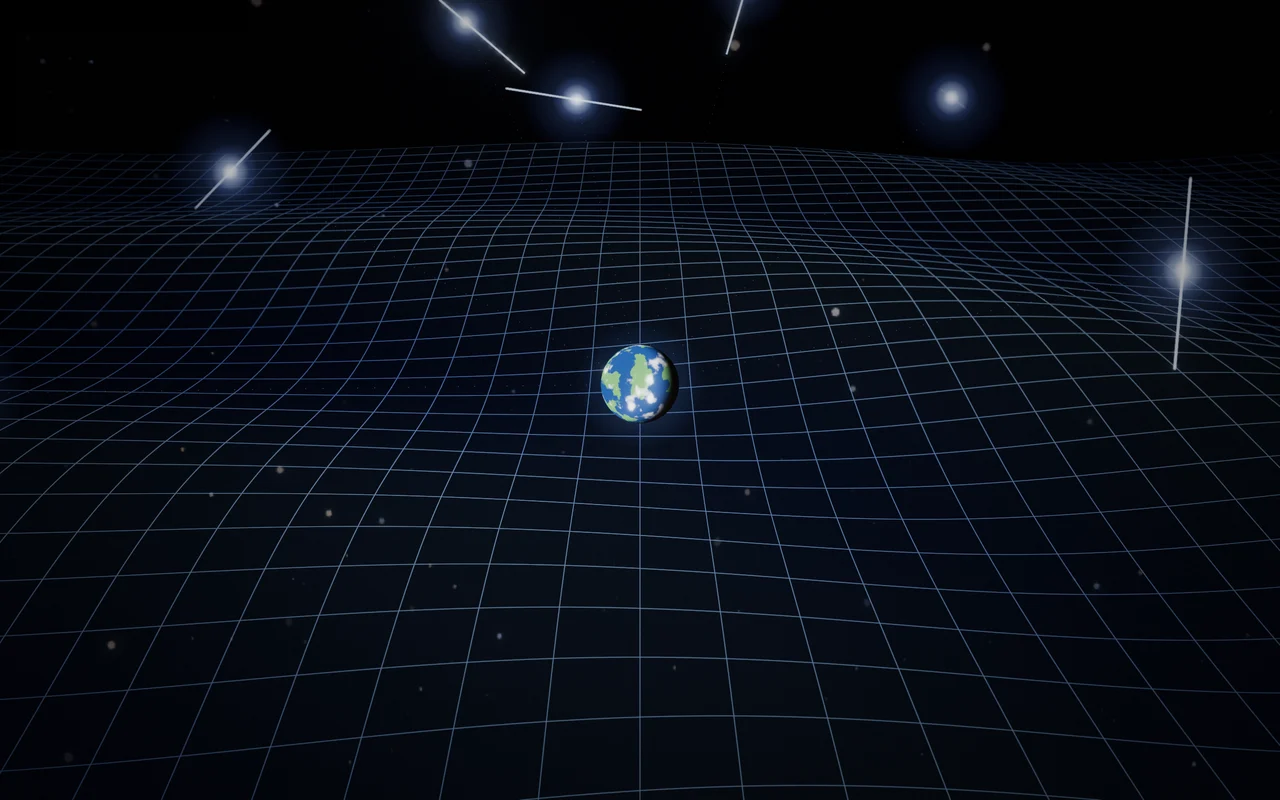
The universe's gravitational hum: a wave background found with pulsars
By timing 67 pulsars for 15 years, astronomers found evidence of a background of gravitational waves filling the universe, with wavelengths measured in light years — probably produced by pairs of supermassive black holes orbiting each other.
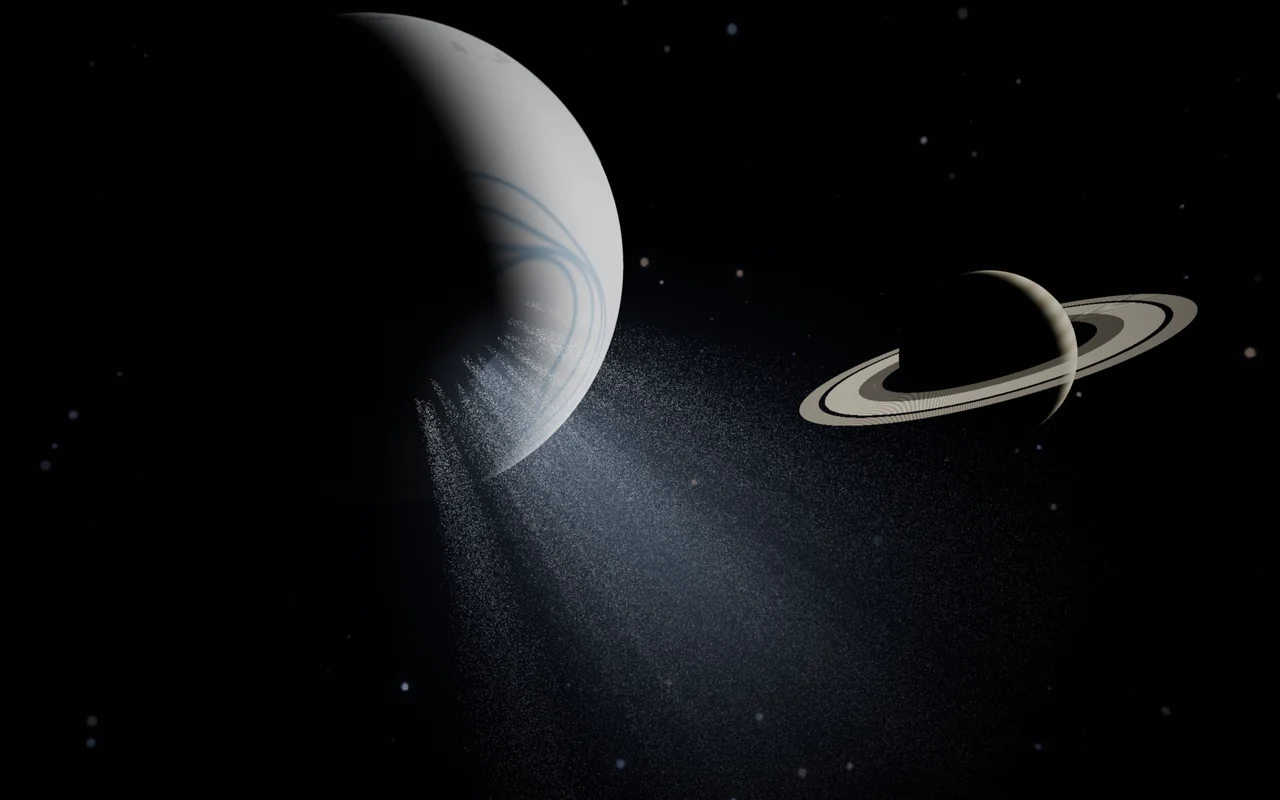
Phosphorus, a key building block of life, found in Enceladus's ocean
Phosphates have been found in ice grains blasted out of Saturn's moon Enceladus — the first detection of phosphorus in an ocean beyond Earth, at concentrations at least 100 times those in Earth's oceans.
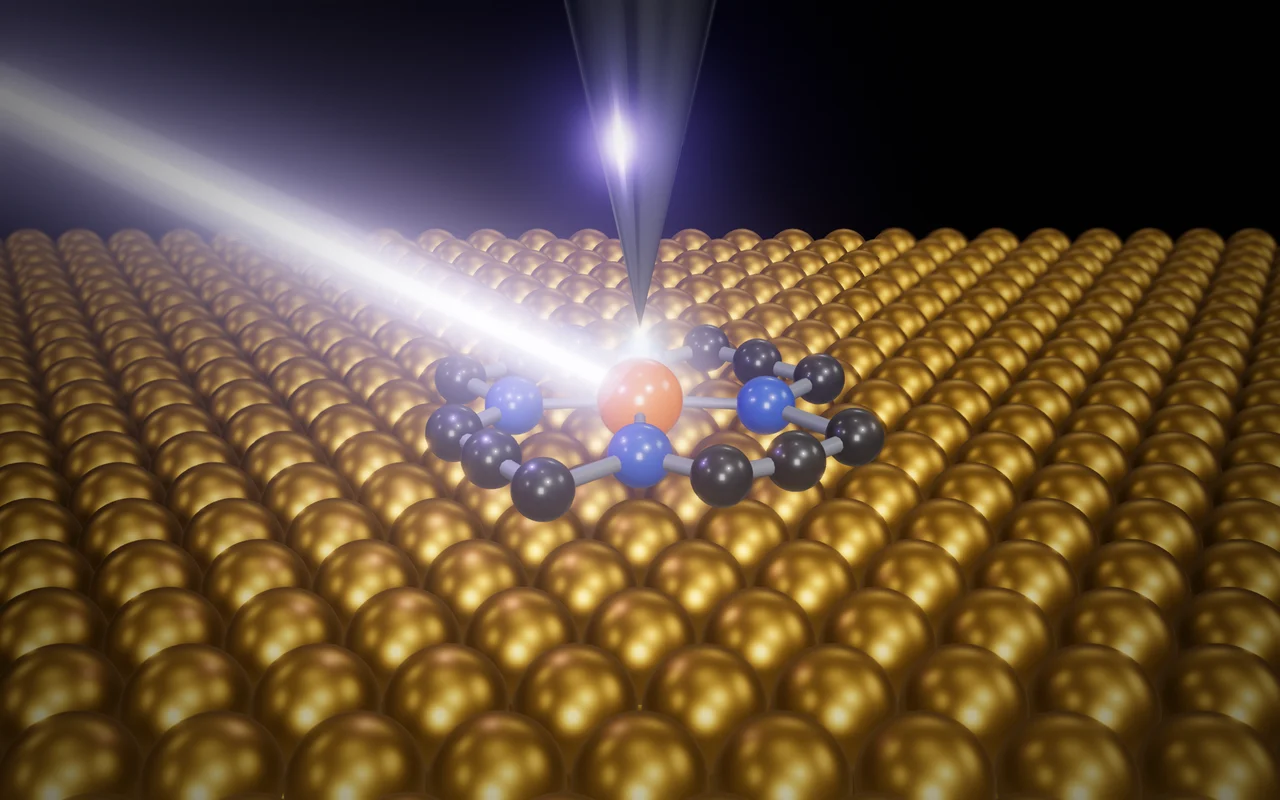
First X-ray signature of a single atom
Scientists have used X-rays to identify a single atom — which element it is and its chemical state. Until now X-ray analysis needed at least 10,000 atoms; materials can now be examined atom by atom.
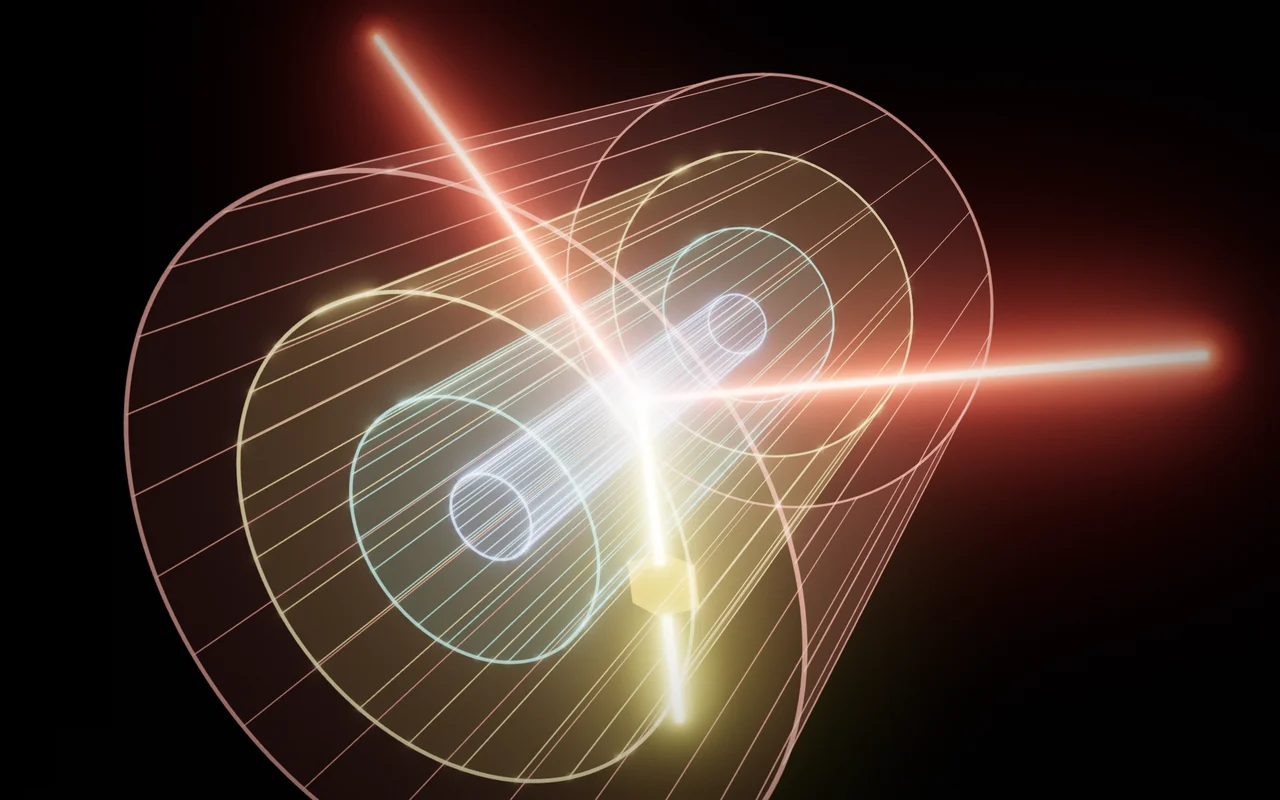
First evidence of a rare Higgs boson decay
CERN's ATLAS and CMS experiments have jointly found the first evidence of the Higgs boson decaying into a Z boson and a photon — a process theory says happens to only 0.15% of Higgs bosons, and a sensitive window on new physics.
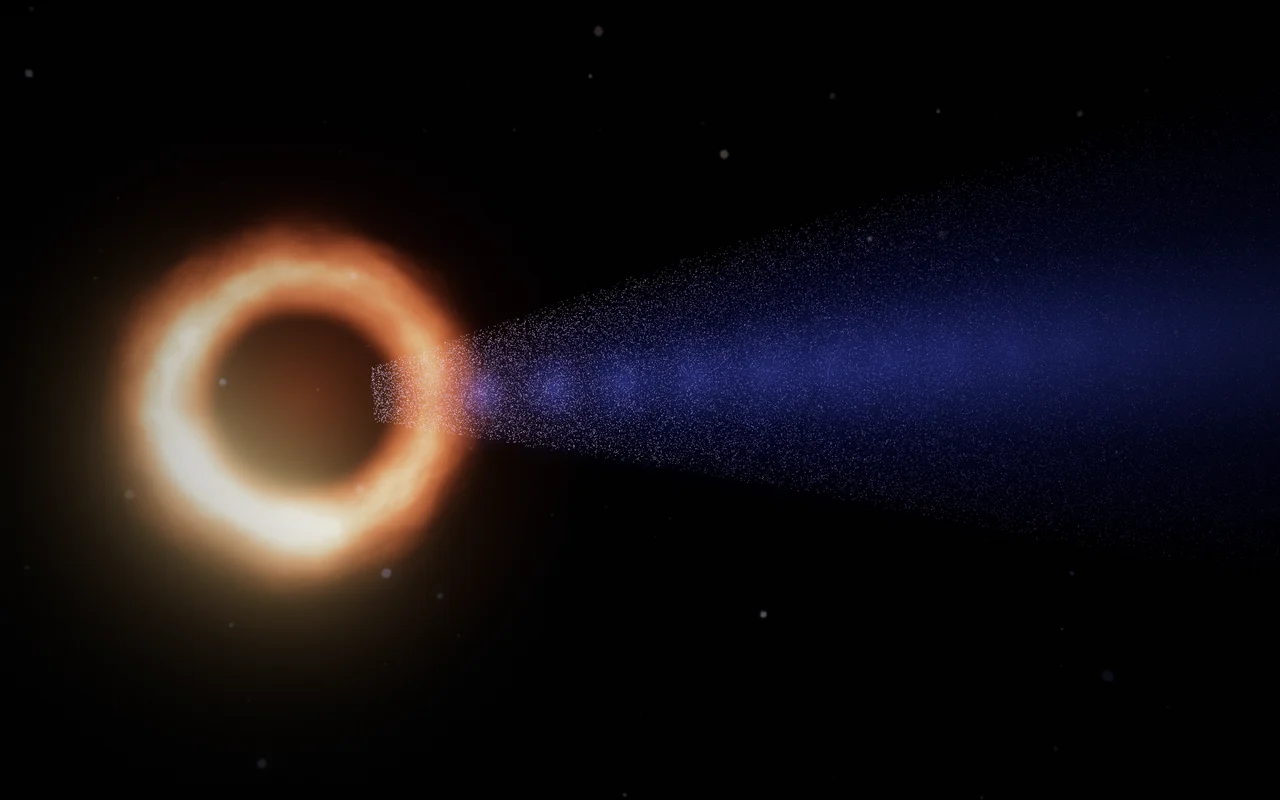
A black hole and its jet captured together for the first time
A network of radio telescopes has imaged, in a single picture, both the ring around the black hole at the heart of galaxy M87 and the powerful jet it launches. The ring proved bigger and thicker than expected, offering clues to where the jet begins.
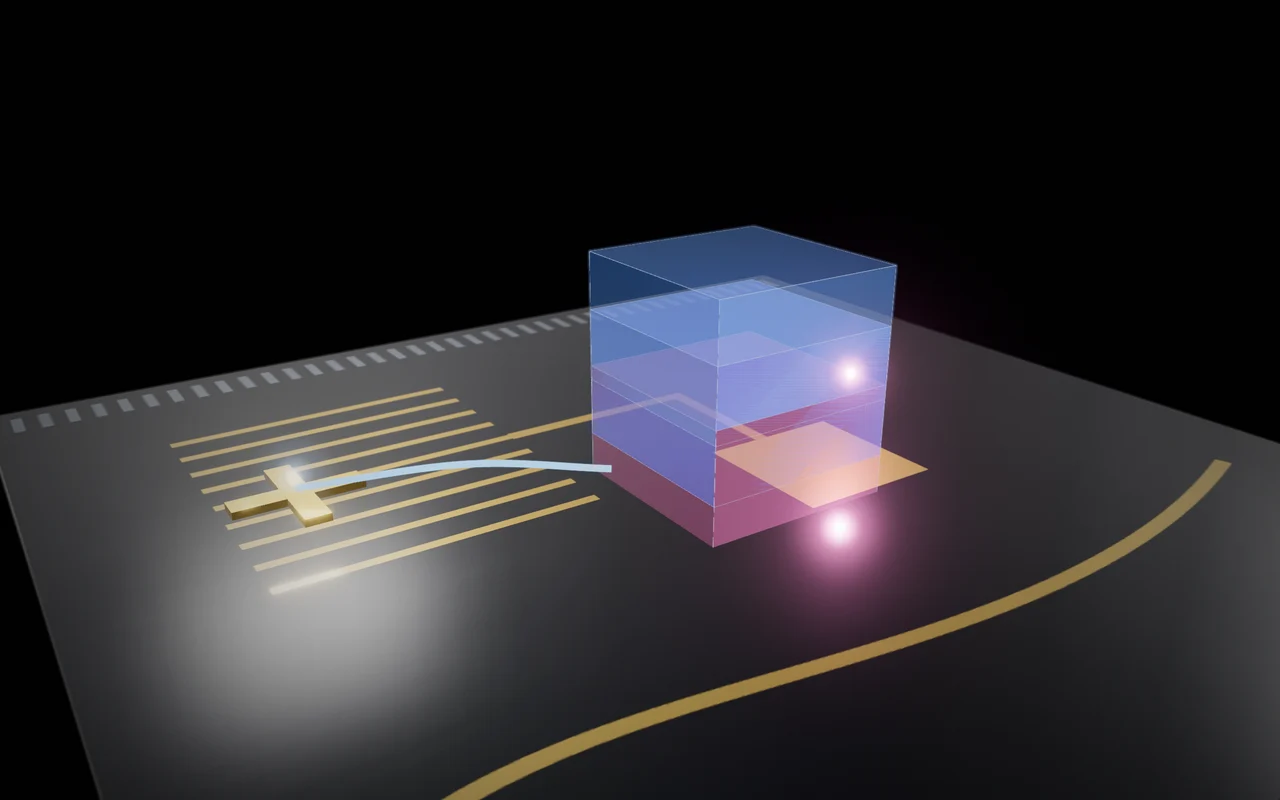
The heaviest 'Schrödinger's cat': a 16-microgram crystal in two states at once
Swiss physicists made a crystal you can see with the naked eye vibrate in two opposite directions at once — the heaviest object ever put in a quantum superposition, weighing 16 micrograms, about as much as a grain of sand.
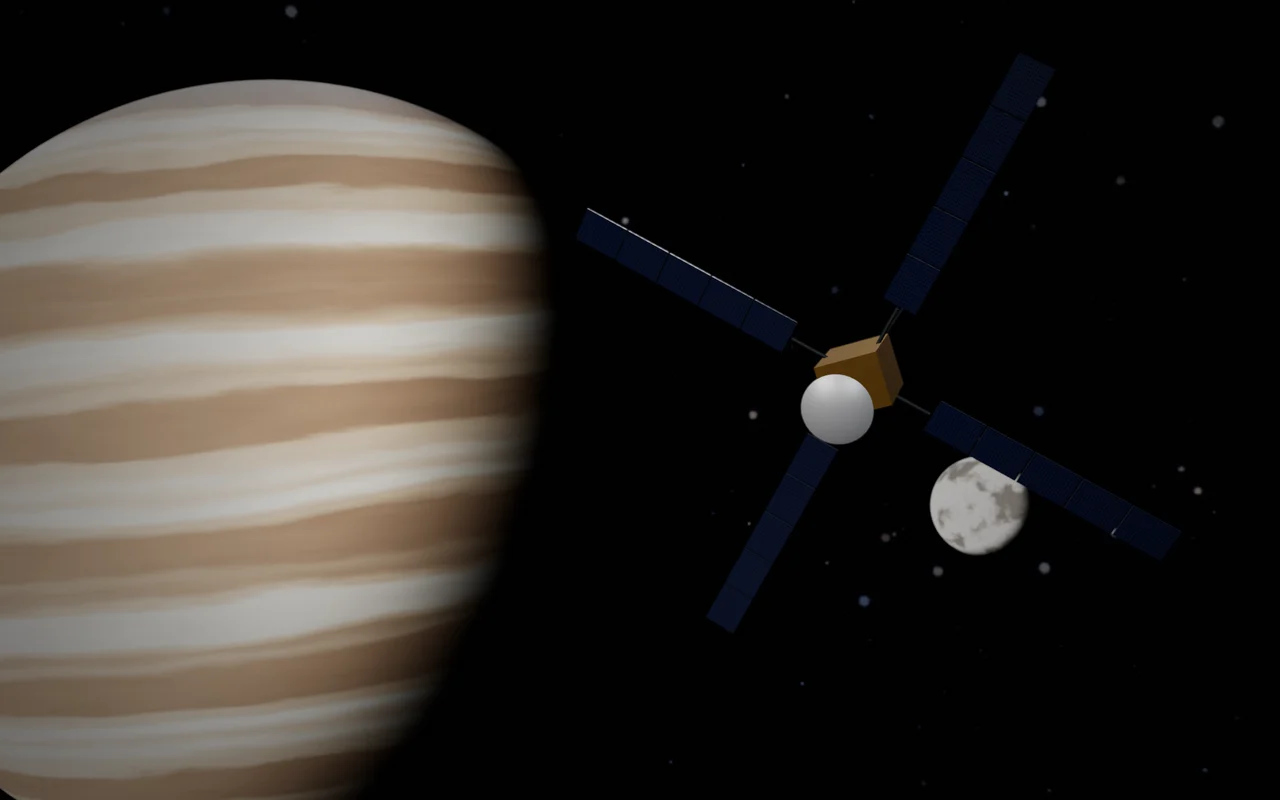
JUICE sets off for Jupiter's icy moons
ESA's JUICE spacecraft lifted off on an Ariane 5. Arriving at Jupiter in 2031, it will study the hidden oceans of Ganymede, Callisto and Europa, then become the first spacecraft to orbit a moon other than our own.
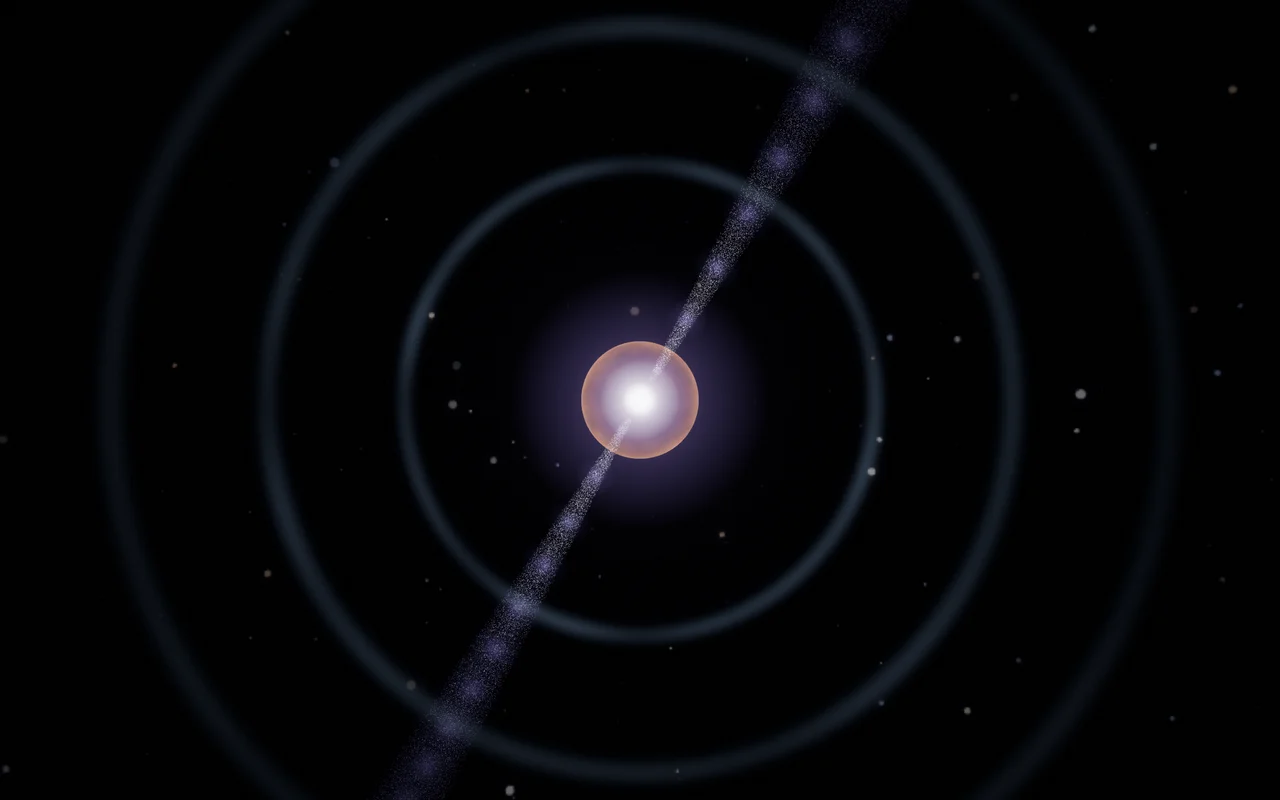
The 'brightest of all time': a once-in-10,000-years gamma-ray burst
The gamma-ray burst GRB 221009A, which reached Earth in October 2022, was 70 times brighter than any seen before. Astronomers estimate such an event happens once in 10,000 years — probably the brightest burst since human civilisation began.
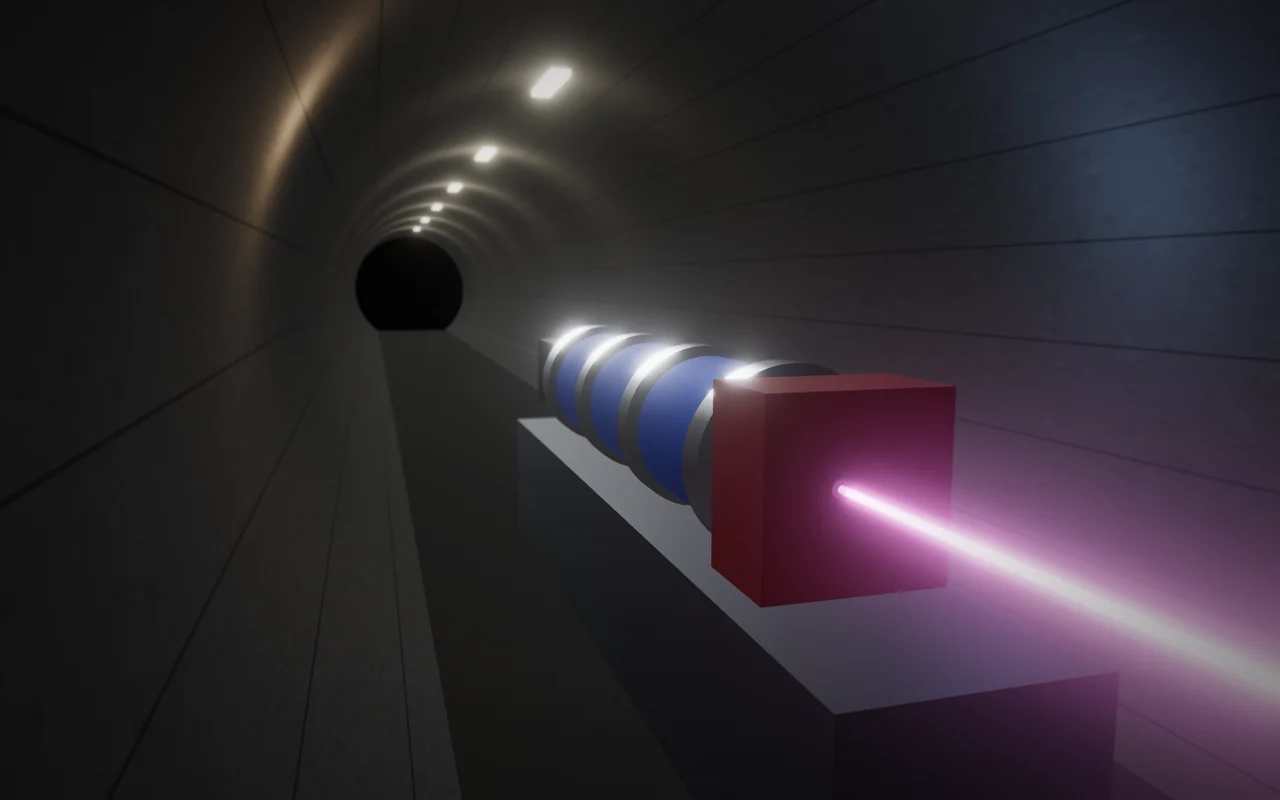
Neutrinos made in a collider detected for the first time
CERN's small FASER detector has directly observed neutrinos produced at the Large Hadron Collider for the first time — 153 events, the most energetic neutrinos ever made in a laboratory.
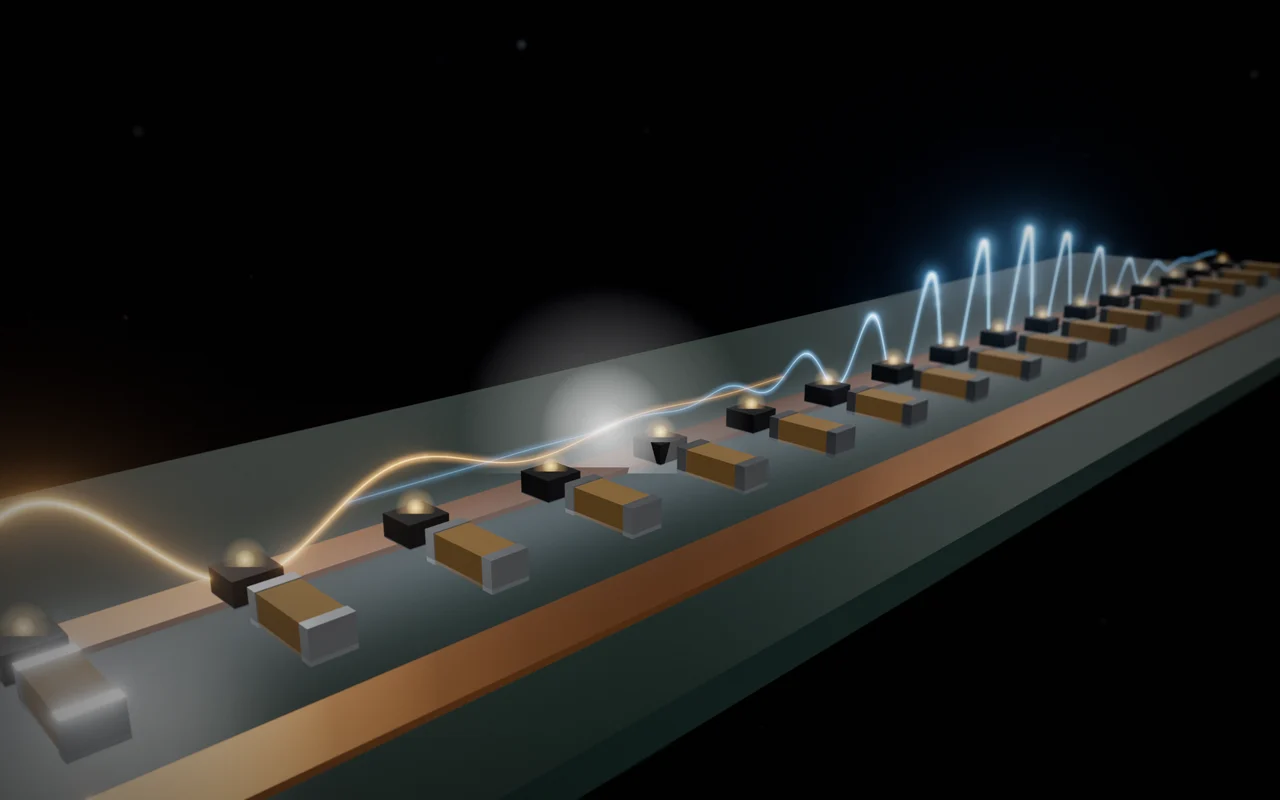
Time reflection of electromagnetic waves observed for the first time
A mirror reflects light in space. Physicists have now reflected a wave in time: when a medium changes abruptly, part of the wave turns back and shifts frequency — an effect predicted more than 60 years ago.
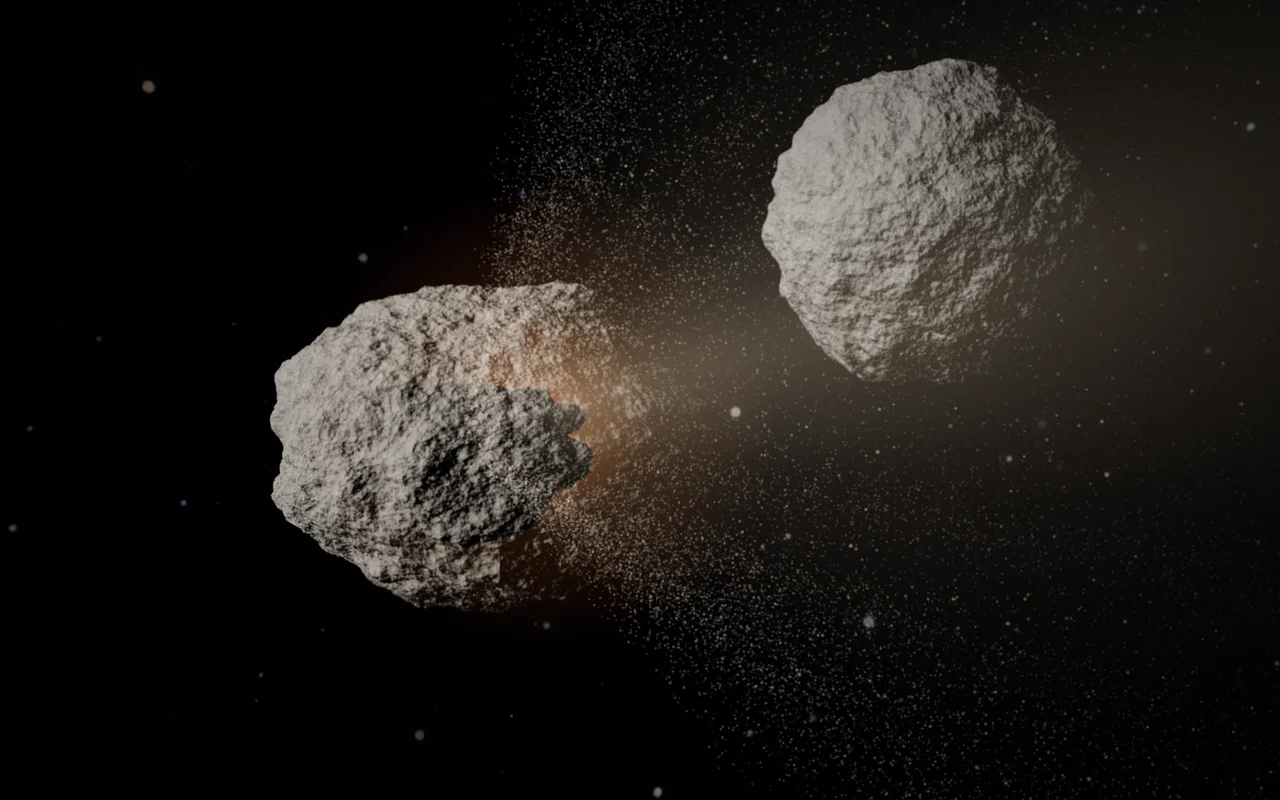
Humanity changes an asteroid's orbit for the first time: DART results
NASA's DART probe deliberately rammed the asteroid Dimorphos and shortened its orbit by 33 minutes. The impact alone should have changed it by only 7 minutes — the rest came from rock and dust blasted off the asteroid.
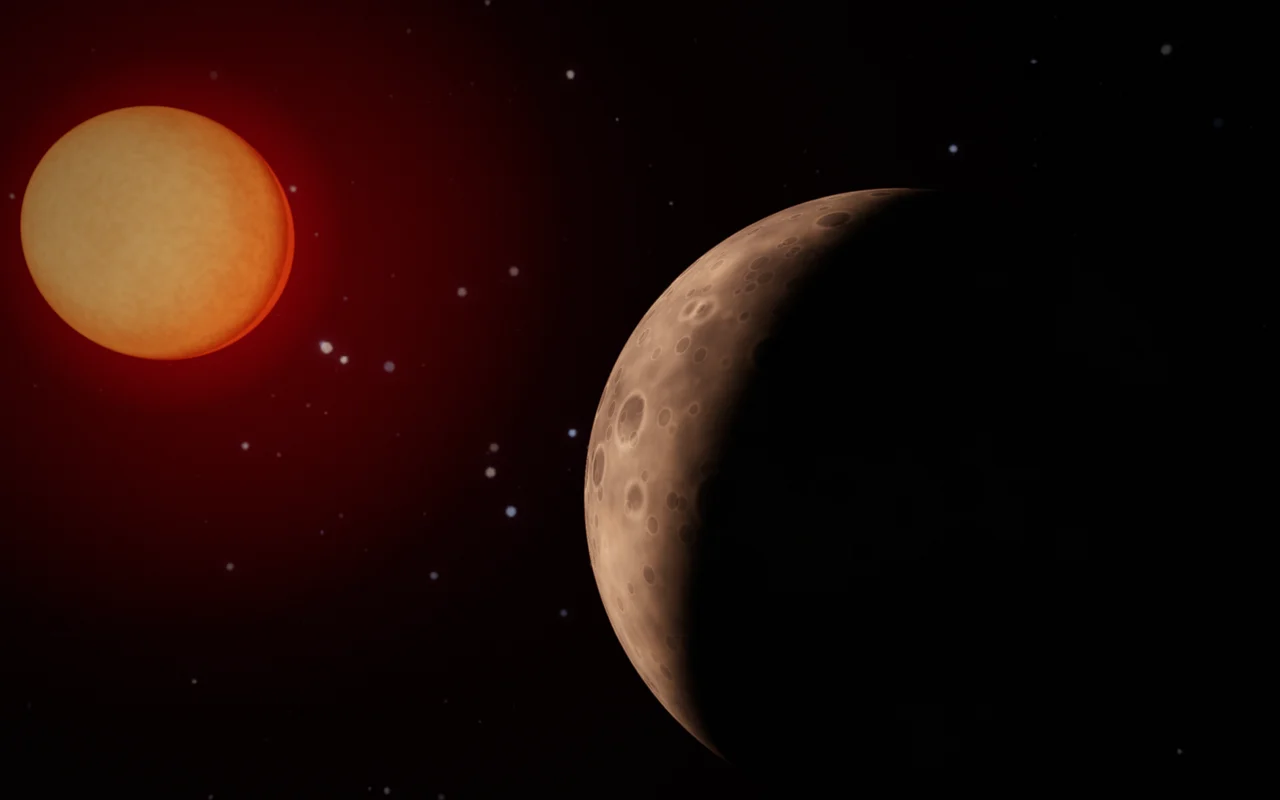
Webb confirms its first exoplanet: Earth-sized LHS 475 b
The James Webb Space Telescope has confirmed an exoplanet for the first time. LHS 475 b lies 41 light years away, measures 99% of Earth's diameter, is rocky, and circles its star in just two days.
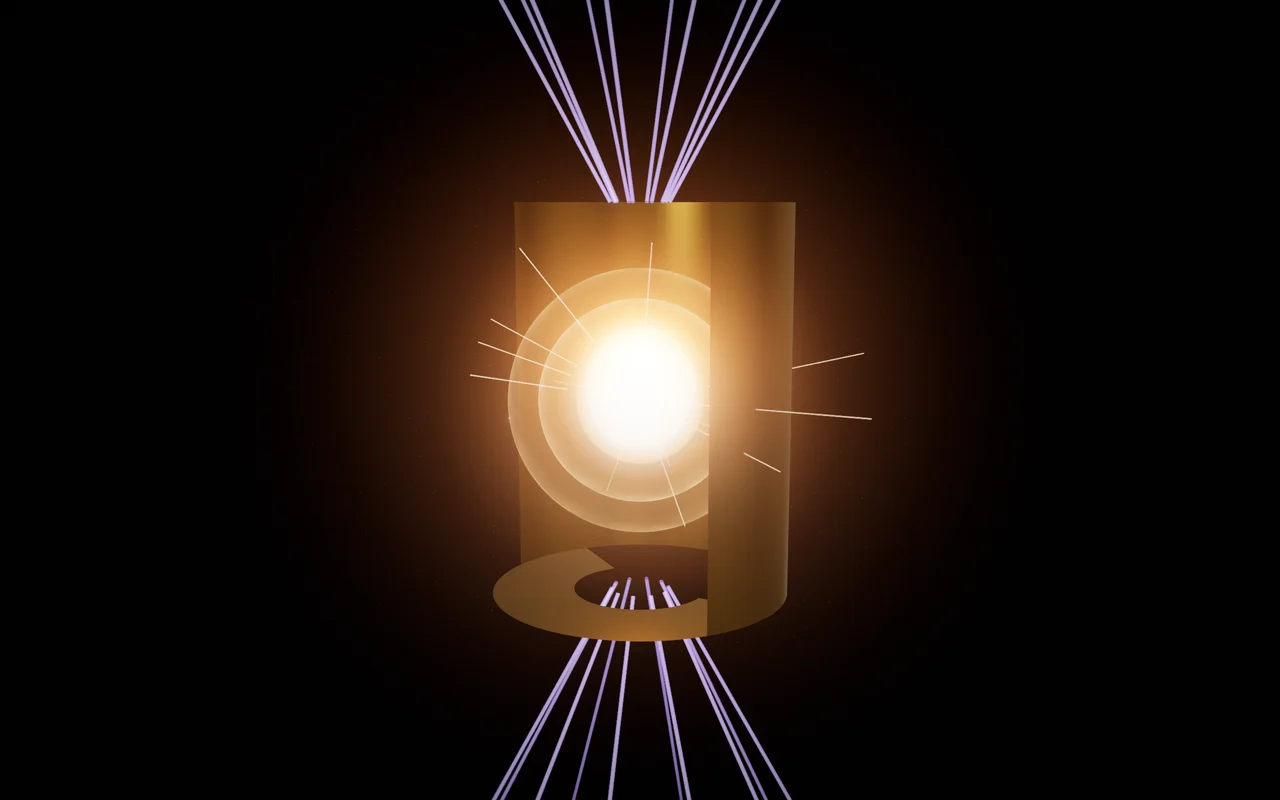
NIF achieves fusion ignition for the first time: more energy out than in
America's National Ignition Facility (NIF) squeezed a tiny fuel capsule with 192 laser beams, delivering 2.05 MJ of laser energy and getting 3.15 MJ of fusion energy back — the first controlled fusion reaction to release more energy than the lasers put in.
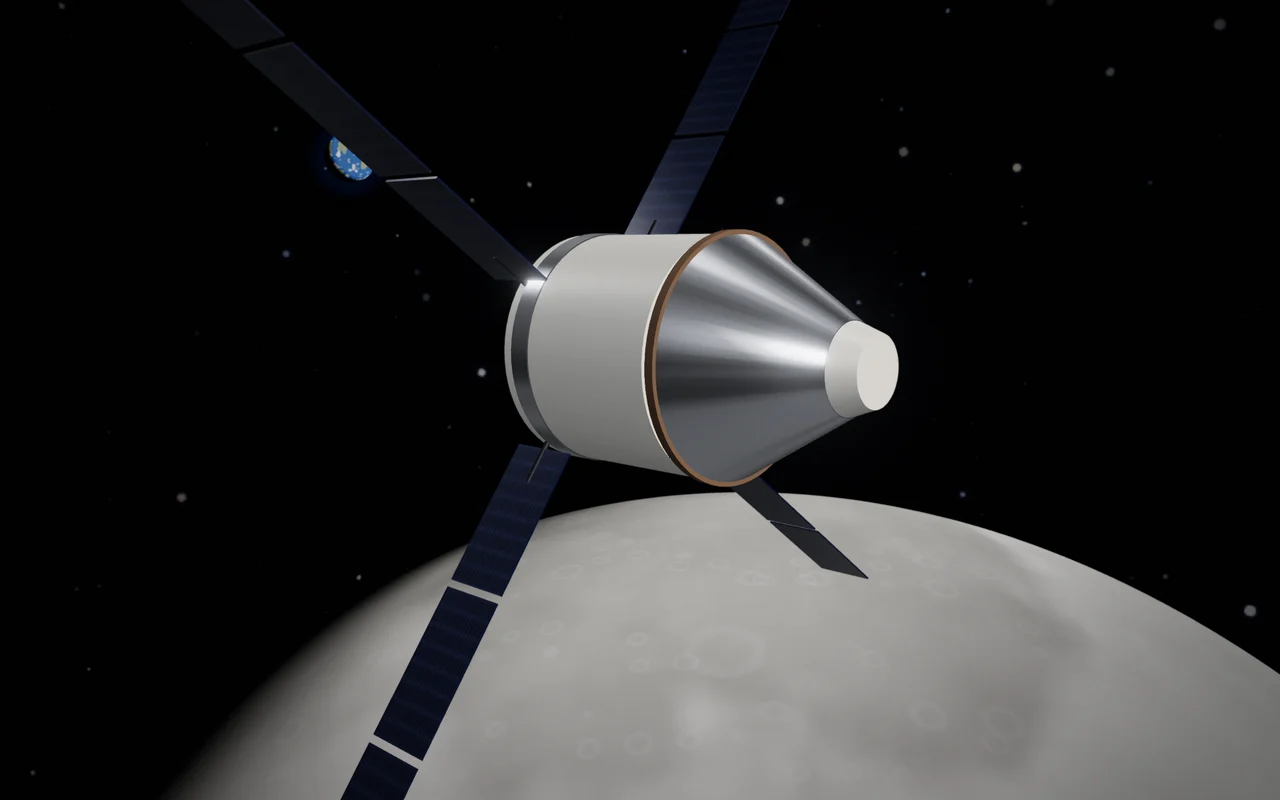
Artemis I: Orion flies around the Moon and sets a distance record
NASA's SLS rocket flew for the first time, sending an uncrewed Orion capsule to the Moon. In a 25.5-day flight it set a record for crew-capable spacecraft — over 432,000 kilometres from Earth — before splashing down safely in the Pacific.
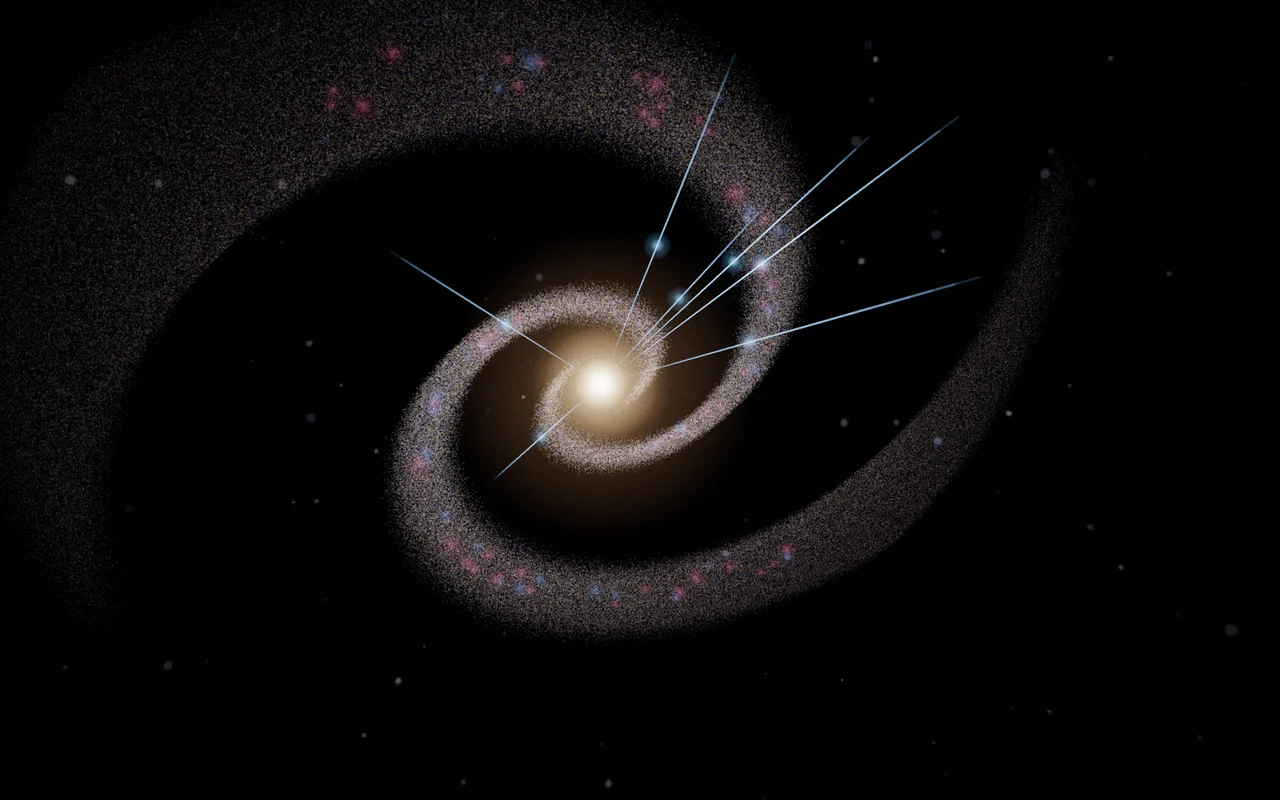
IceCube detects neutrinos from the core of a nearby active galaxy
The IceCube Neutrino Observatory, buried in Antarctic ice, detected 79 high-energy neutrinos from galaxy NGC 1068, whose dust-shrouded central black hole is accelerating particles to enormous energies.
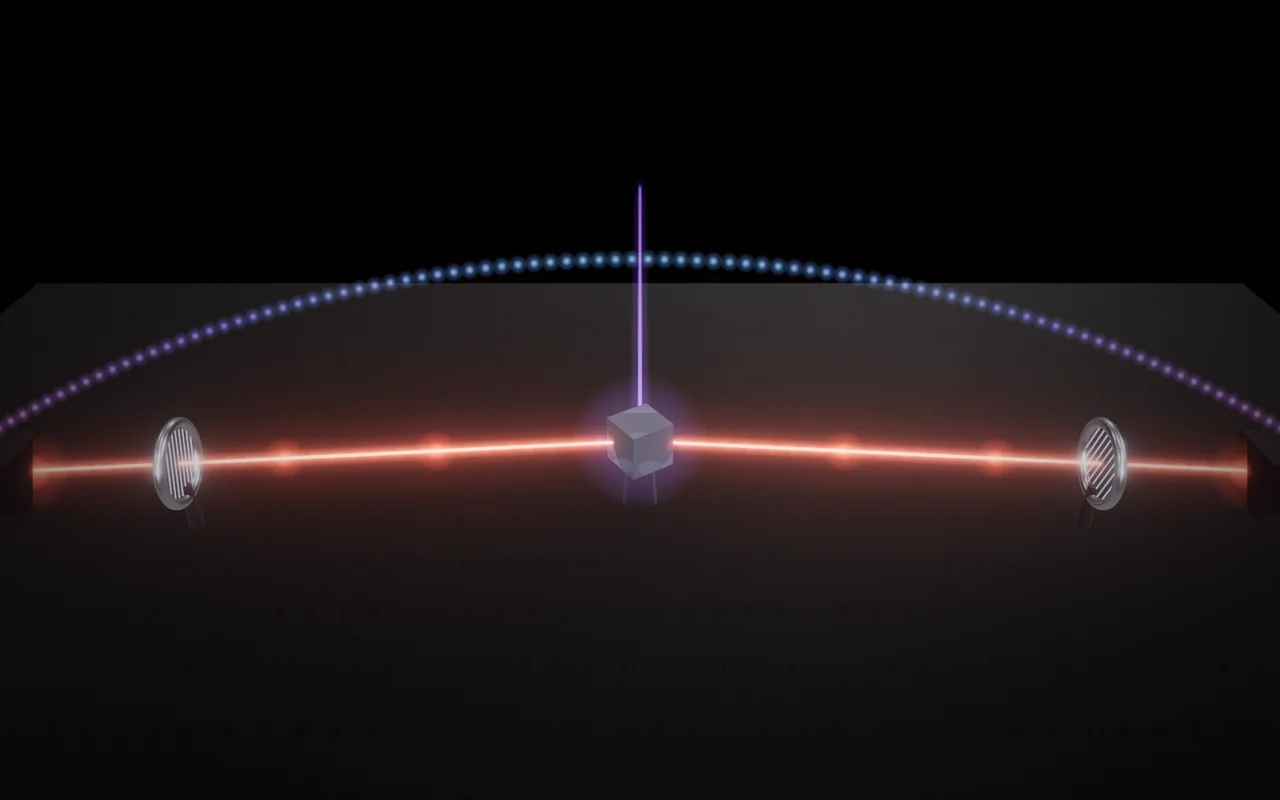
2022 Nobel Prize: entangled photons and the pioneers of quantum information
The Nobel Prize in Physics went to Alain Aspect, John Clauser and Anton Zeilinger, whose experiments with entangled photons proved that quantum mechanics really is 'strange' — and laid the foundations for quantum computers and quantum communication.
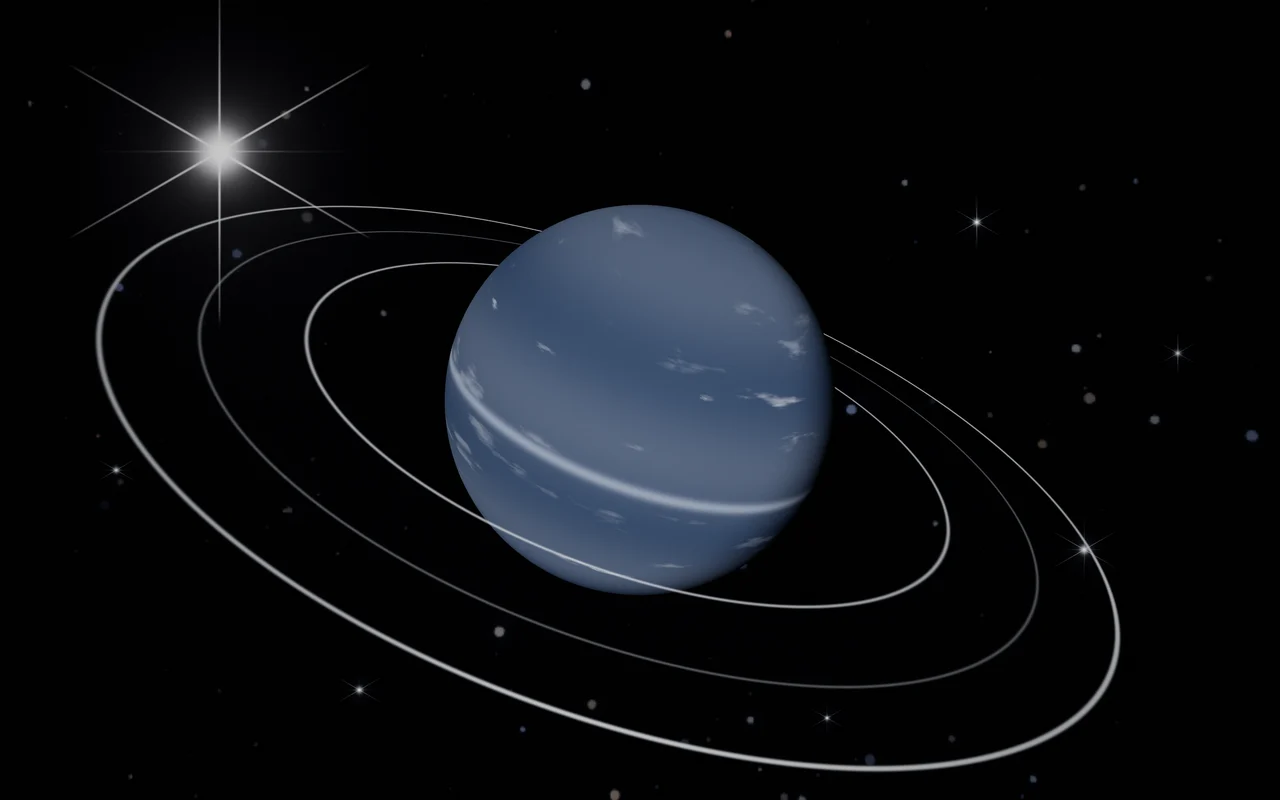
Webb shows Neptune's rings clearly for the first time in over 30 years
Webb imaged Neptune in infrared light, showing its thin rings and faint dust bands clearly for the first time since 1989, along with seven of the 14 moons known at the time, including bright Triton.
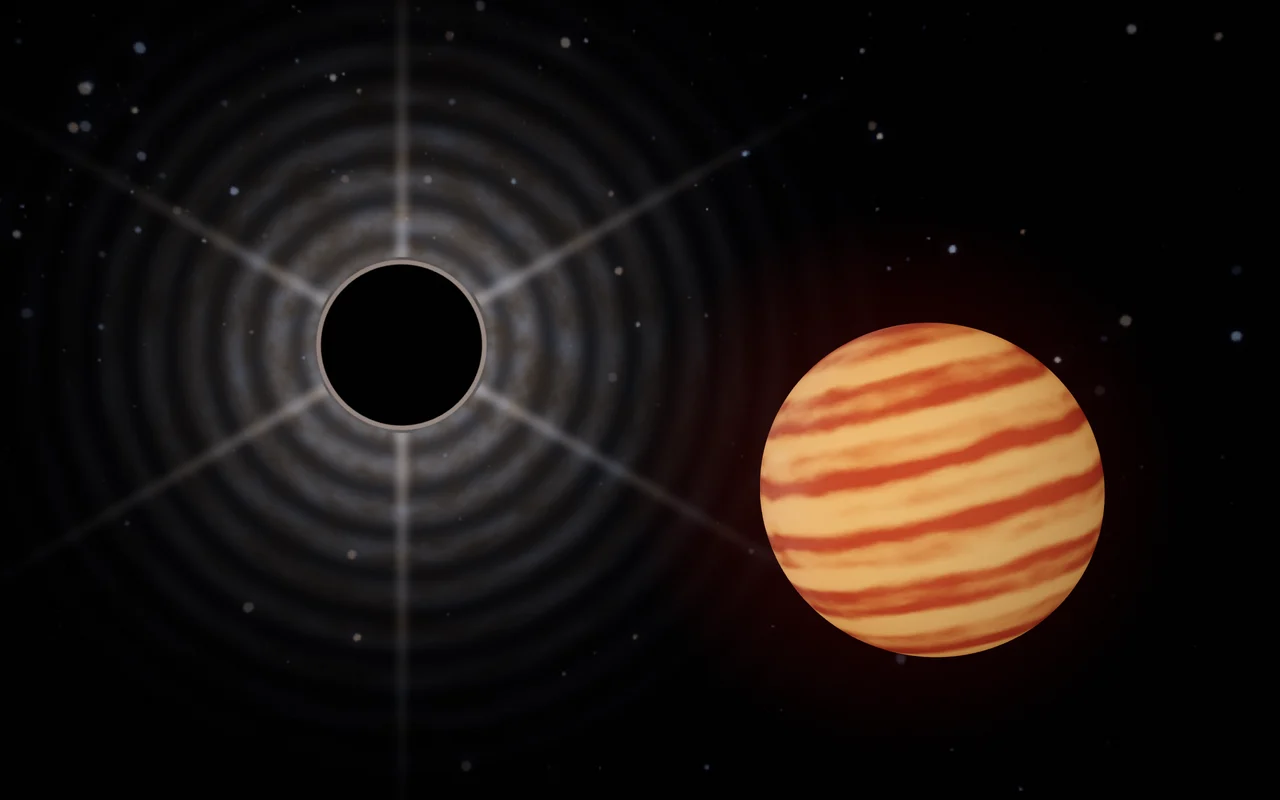
Webb takes its first direct image of a planet beyond the solar system
Webb photographed the gas giant HIP 65426 b in four infrared 'colours'. It orbits 100 times farther from its star than Earth does from the Sun, so blocking the starlight with a special mask let it be seen on its own.
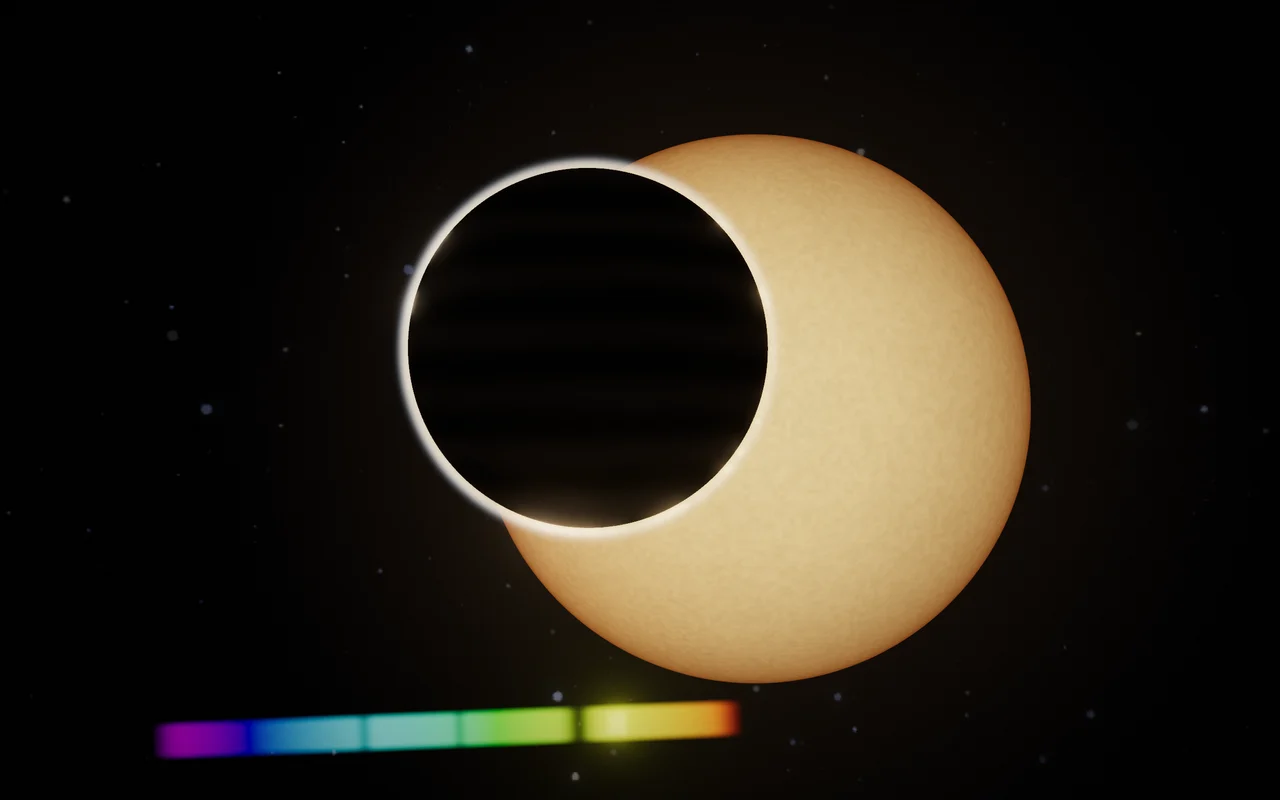
Webb makes the first clear detection of carbon dioxide on a planet beyond the solar system
Webb made the first unambiguous detection of carbon dioxide (CO₂) in the atmosphere of the gas giant WASP-39 b, followed by sulphur dioxide produced by starlight-driven chemistry — opening a new era in the study of planetary atmospheres.
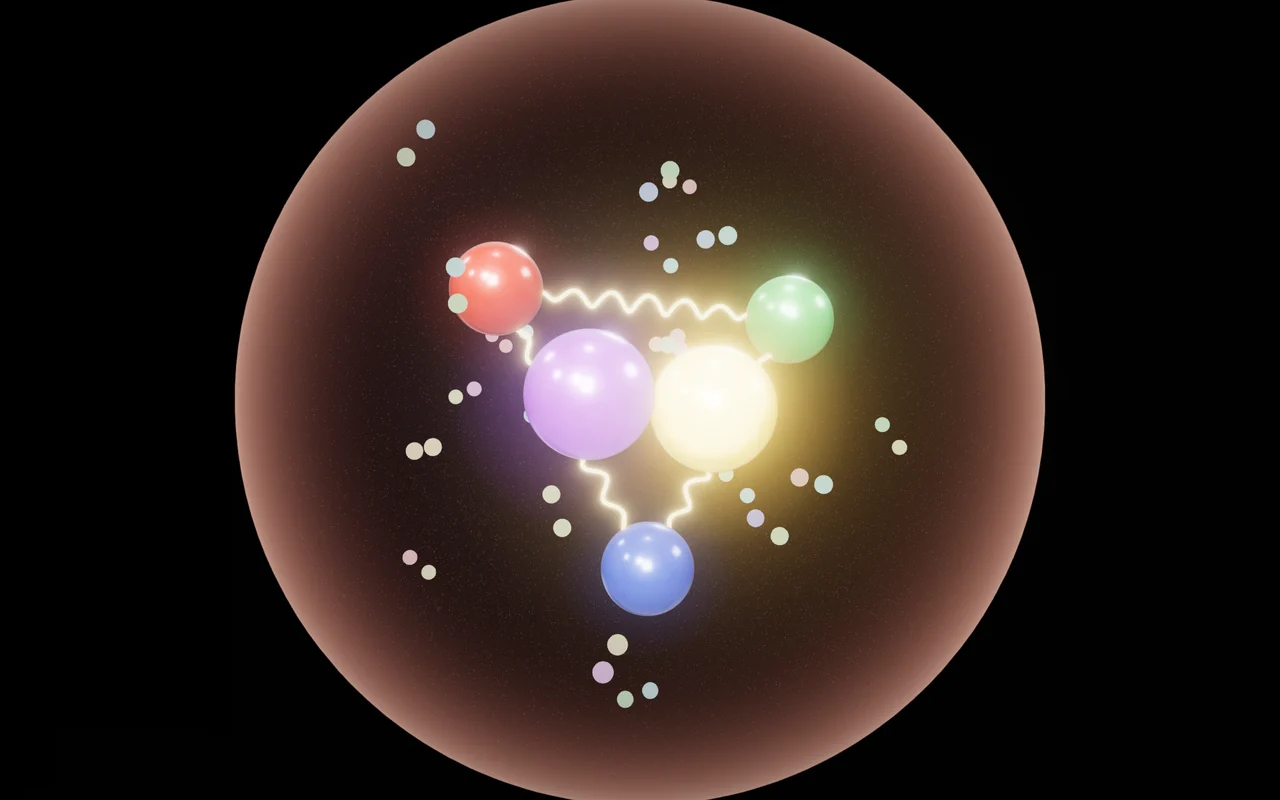
Evidence that protons contain charm quarks heavier than the proton itself
Using artificial intelligence to analyse thousands of experimental measurements, the NNPDF collaboration found strong evidence that protons permanently contain a charm quark–antiquark pair — each heavier than the proton itself.
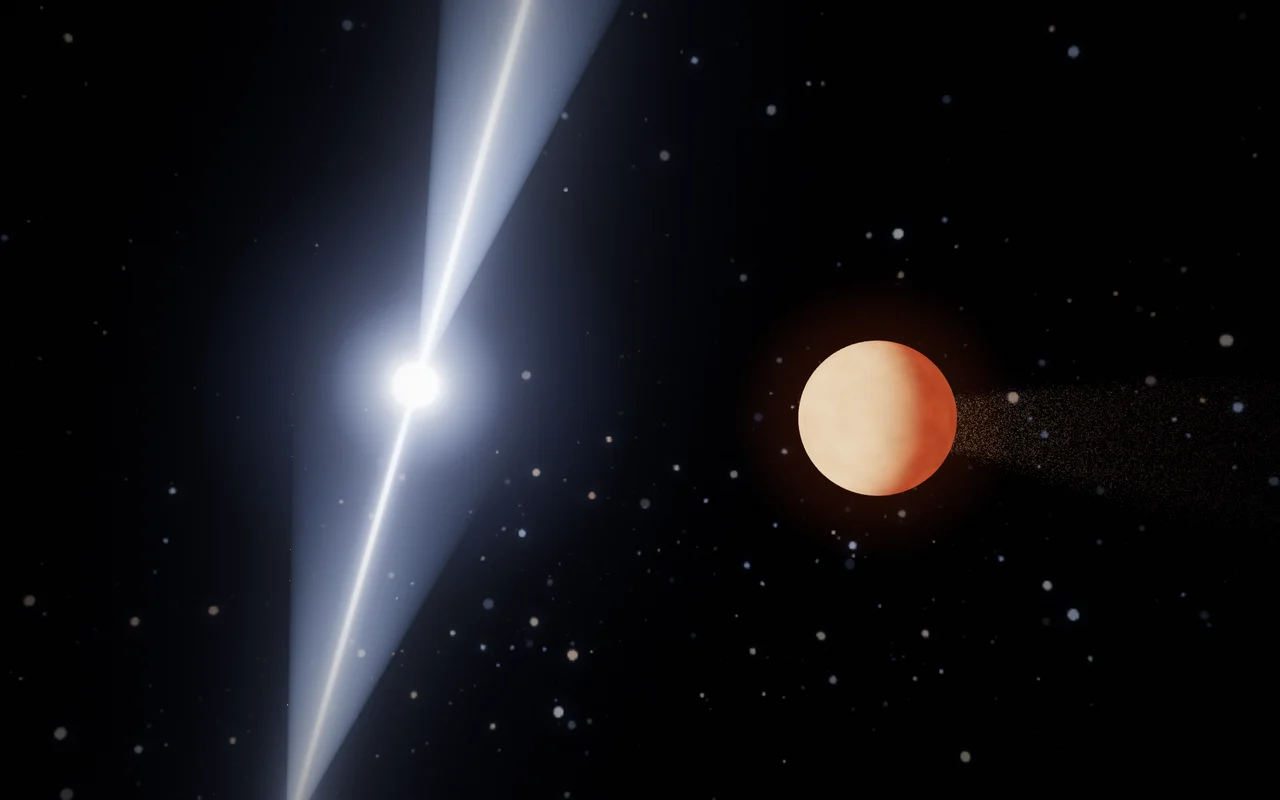
Heaviest neutron star weighed: 2.35 solar masses, spinning 707 times a second
Astronomers found that pulsar PSR J0952−0607 is 2.35 times as massive as the Sun — the heaviest neutron star yet measured. It spins 707 times a second and is slowly devouring its companion star.
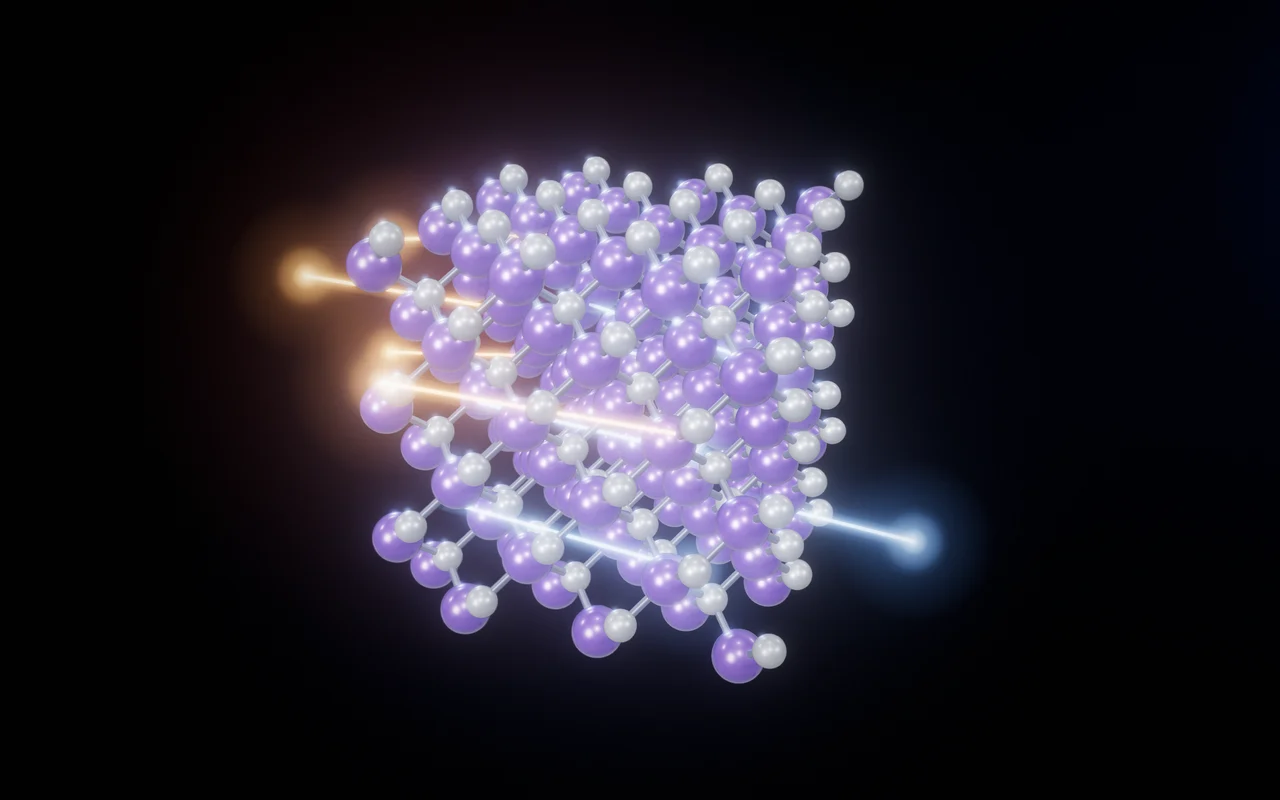
Cubic boron arsenide: a semiconductor that could outperform silicon
Two research teams showed experimentally that in cubic boron arsenide both electrons and 'holes' move easily, while the material conducts heat almost 10 times better than silicon — prompting researchers to call it the best semiconductor yet found.
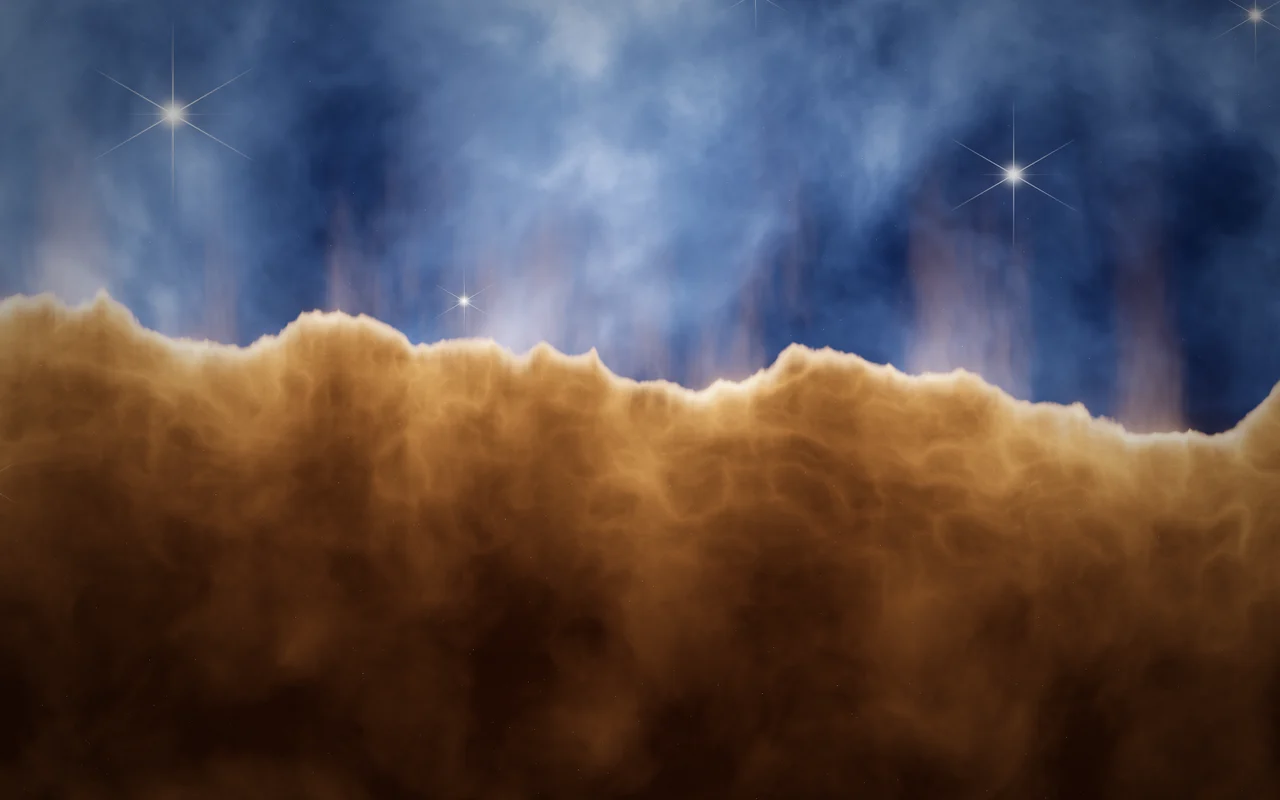
Webb's first full-colour images are revealed
Webb unveiled the deepest infrared image of the universe yet, plus four stunning views: a star-forming nebula, a dying star, colliding galaxies, and signs of water in a distant planet's atmosphere.
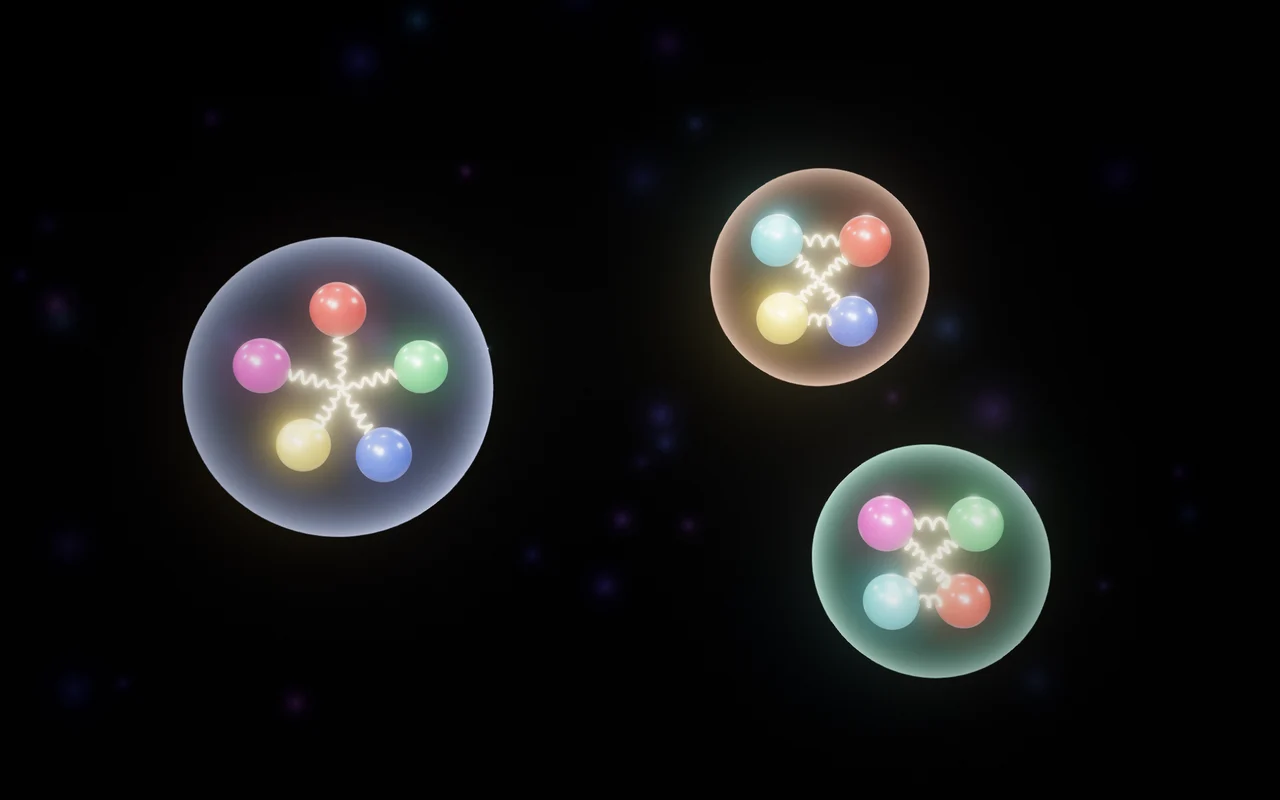
LHCb finds three new exotic particles: a strange pentaquark and a tetraquark pair
CERN's LHCb experiment discovered a new kind of pentaquark — the first containing a strange quark — plus a doubly charged tetraquark and its neutral partner, enlarging the 'particle zoo'.
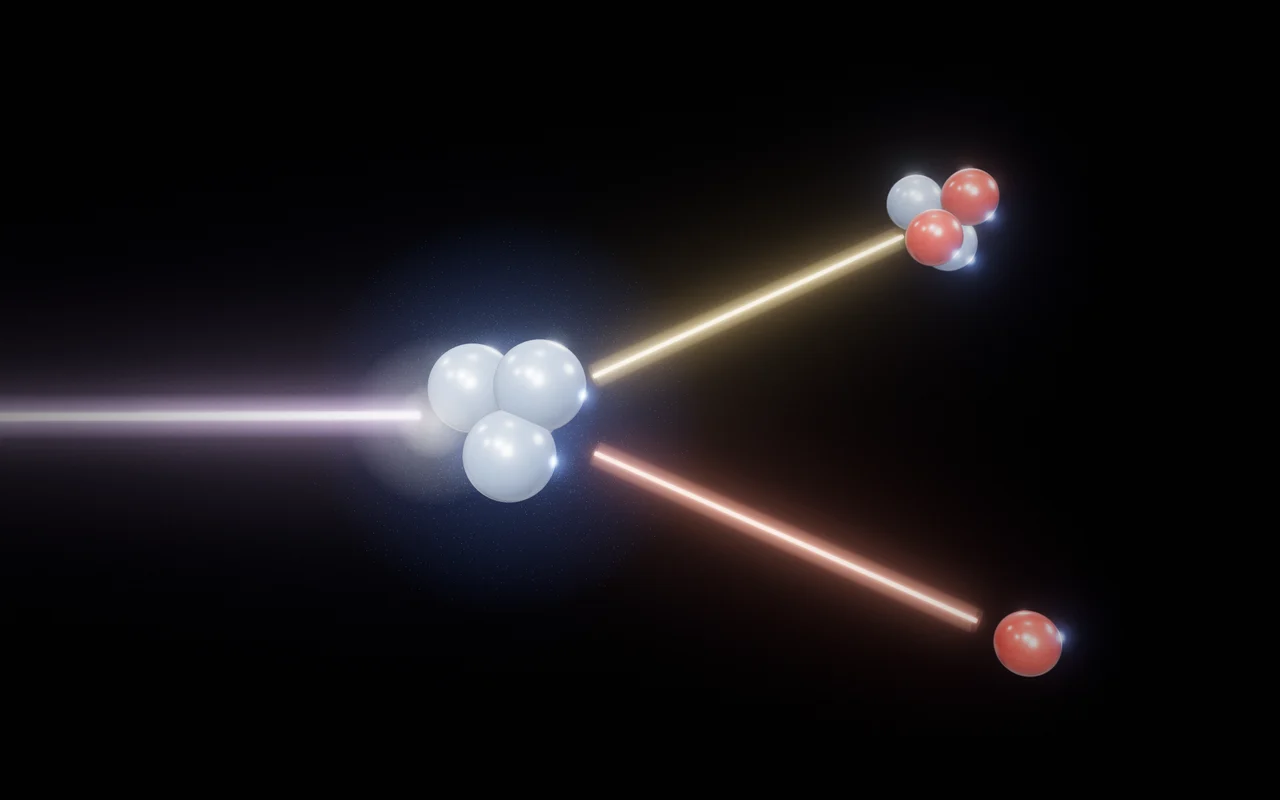
Tetraneutron observed: a 'nucleus' made of just four neutrons
At Japan's RIKEN accelerator, an international team observed four neutrons briefly bound together — a system physicists had sought for 60 years, with no protons at all: a 'nucleus' of atomic number zero.
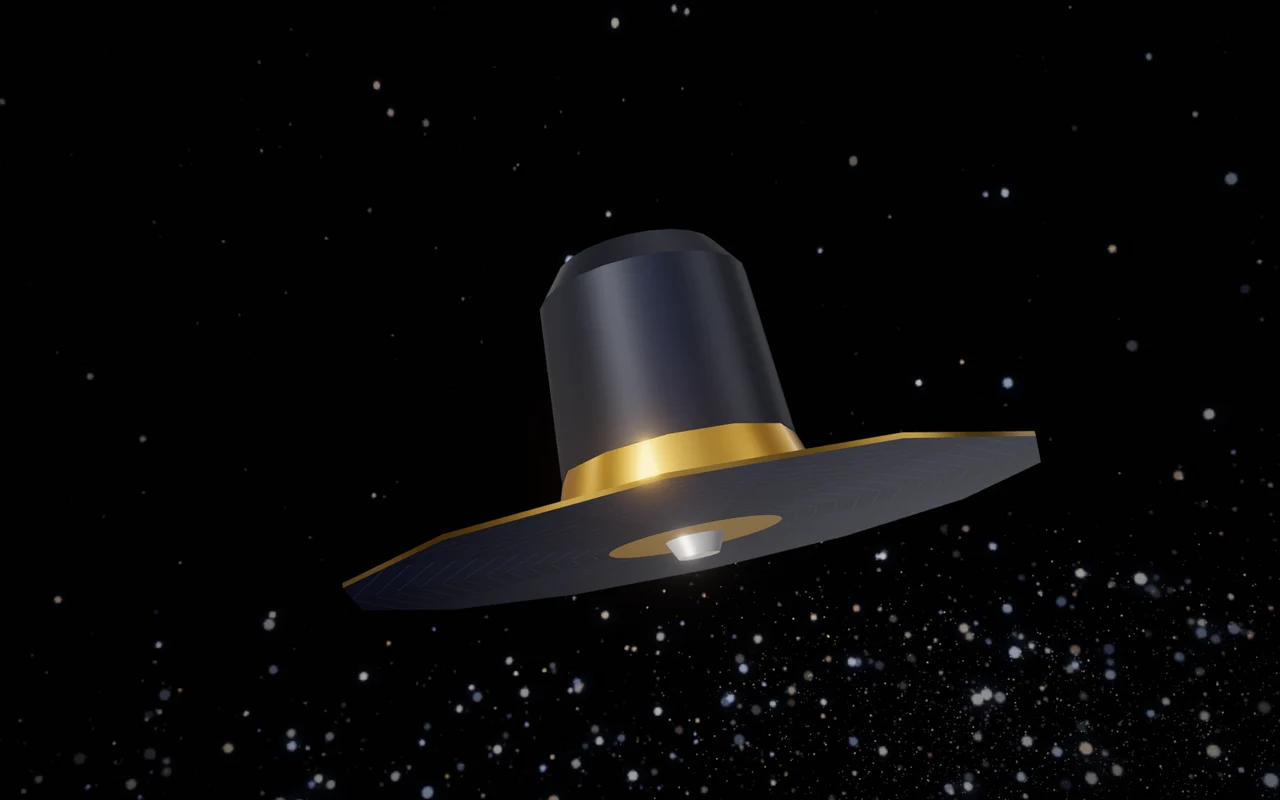
Gaia releases the most detailed Milky Way map yet: nearly 2 billion stars
The European Space Agency's Gaia released its third major data set, with positions, motions, temperatures and chemistry for more than 1.8 billion stars — plus a surprise: 'starquakes' on thousands of them.
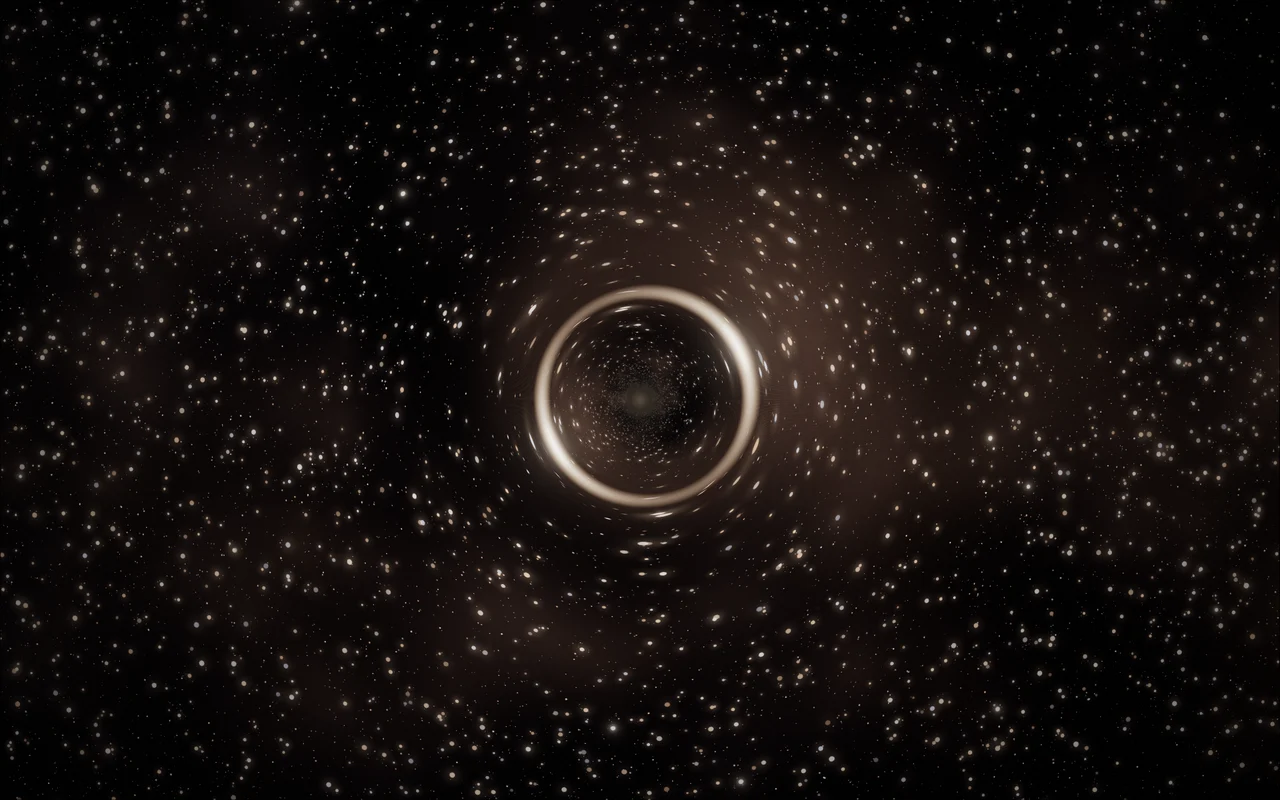
First isolated black hole found drifting alone through the galaxy
Astronomers detected, for the first time, a stellar-mass black hole roaming alone with no companion star. It gave itself away by bending the light of a background star, which briefly brightened and shifted slightly in position.
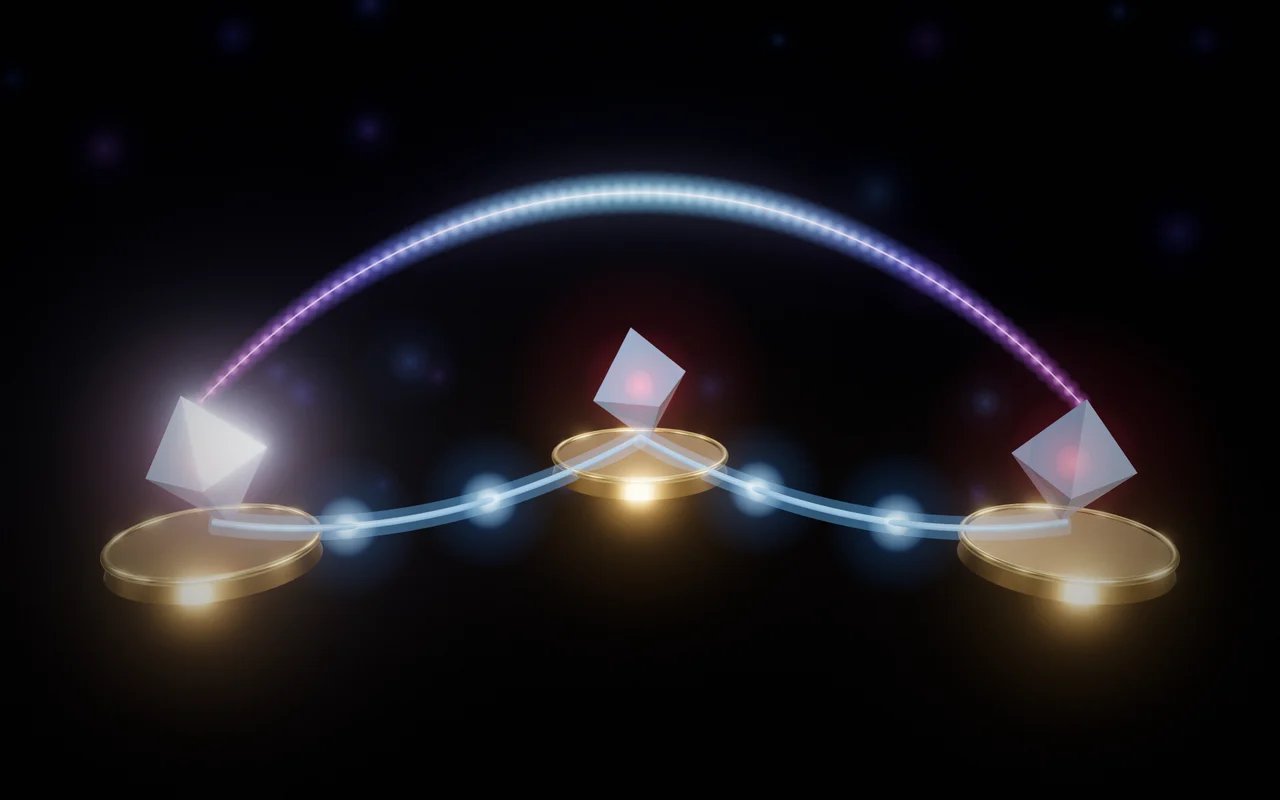
Quantum information teleported between nodes with no direct link
QuTech researchers in the Netherlands teleported a qubit across a three-node quantum network between two nodes with no direct connection, via an intermediate node — a key test for a future quantum internet.
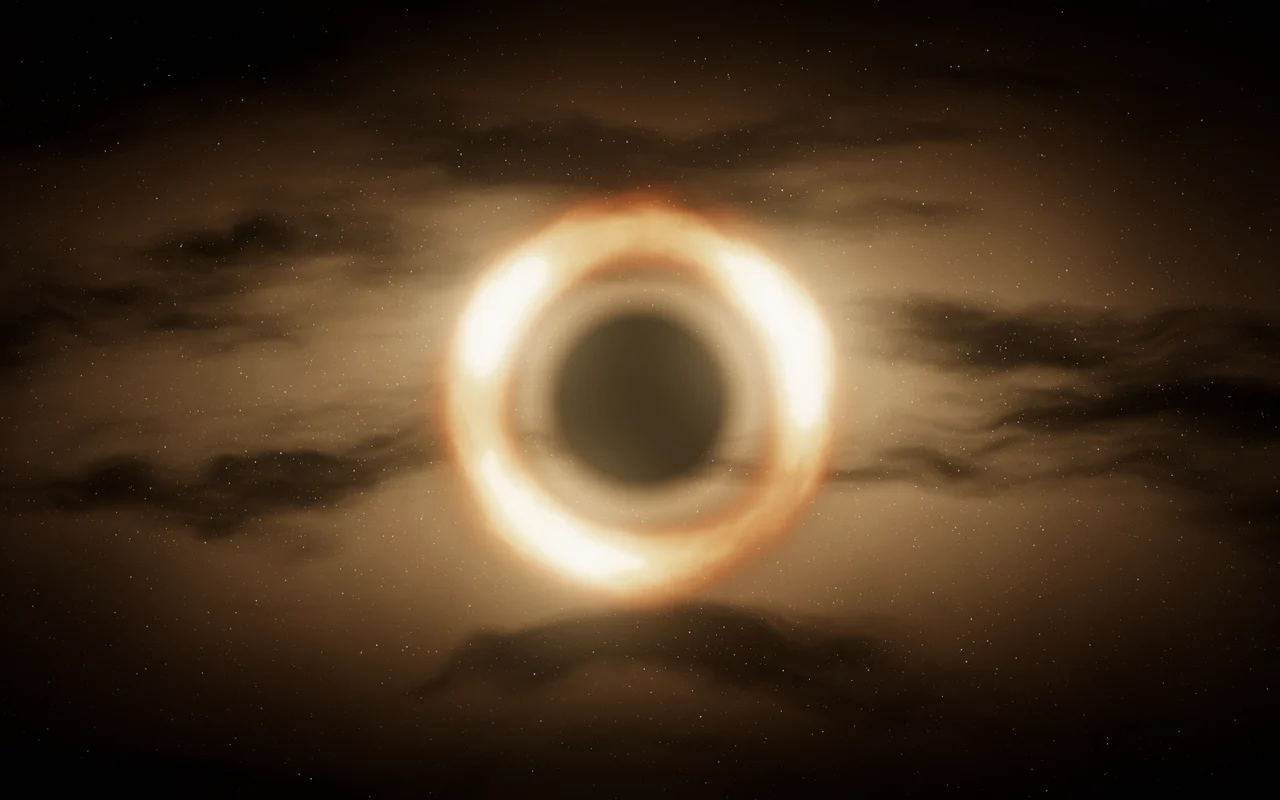
First image of the black hole at the heart of the Milky Way
The Event Horizon Telescope collaboration unveiled the first image of Sagittarius A*, the supermassive black hole at our galaxy's centre — a bright ring around a dark 'shadow', and the first direct visual evidence that a black hole lives there.
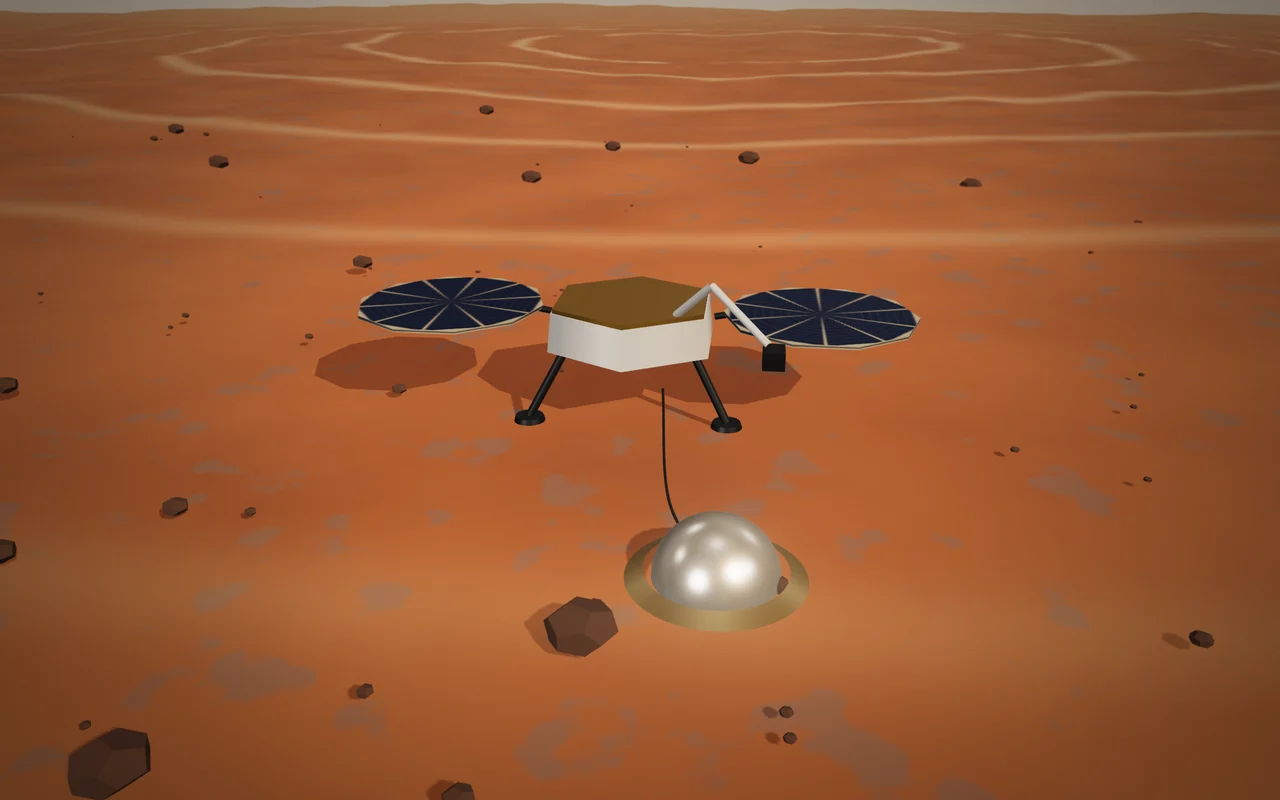
InSight records the biggest marsquake yet: magnitude 5
NASA's InSight lander recorded the strongest quake ever measured on another planet, beating the previous record of 4.2. Its seismic waves rang for hours, revealing new details of Mars's interior.
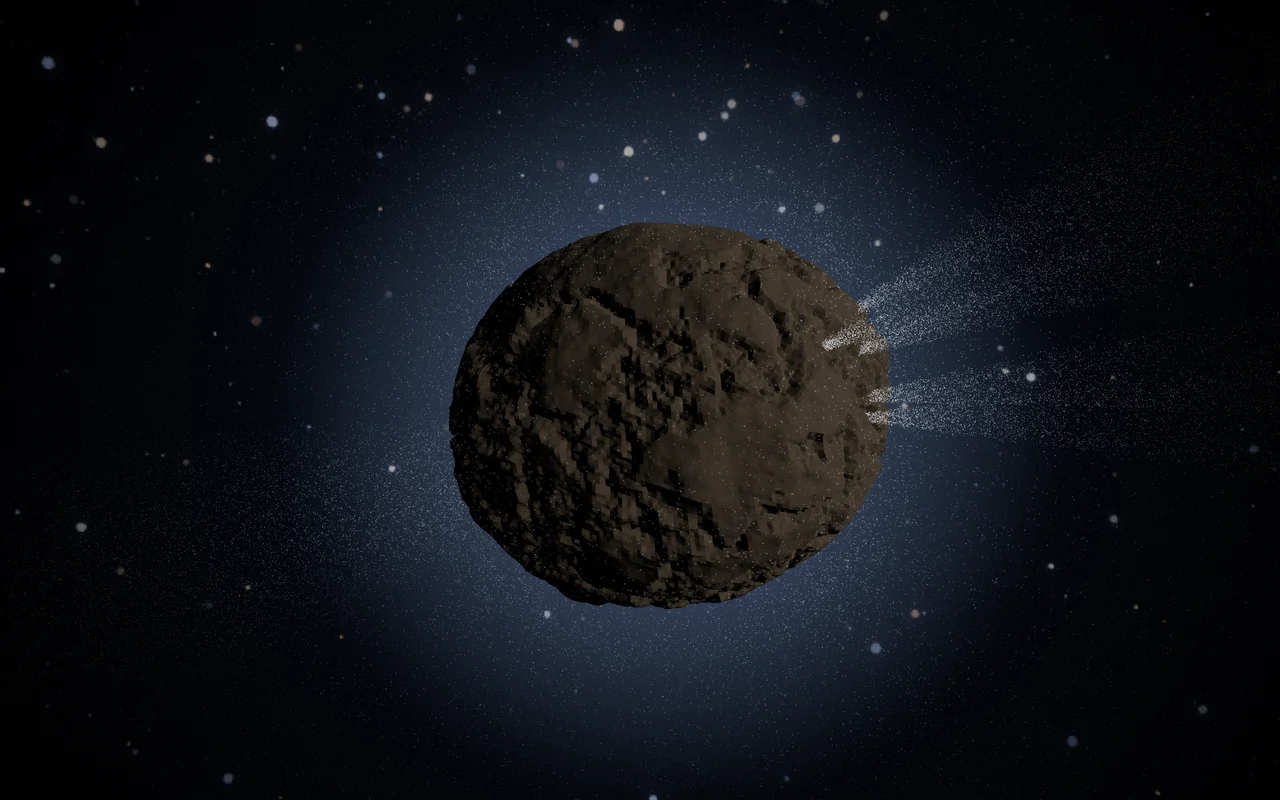
Hubble measures the largest comet nucleus known: 129 km across
Hubble observations showed the nucleus of comet Bernardinelli–Bernstein (C/2014 UN271) is about 129 kilometres across — 50 times bigger than typical comets — with a mass of roughly 500 trillion tonnes.
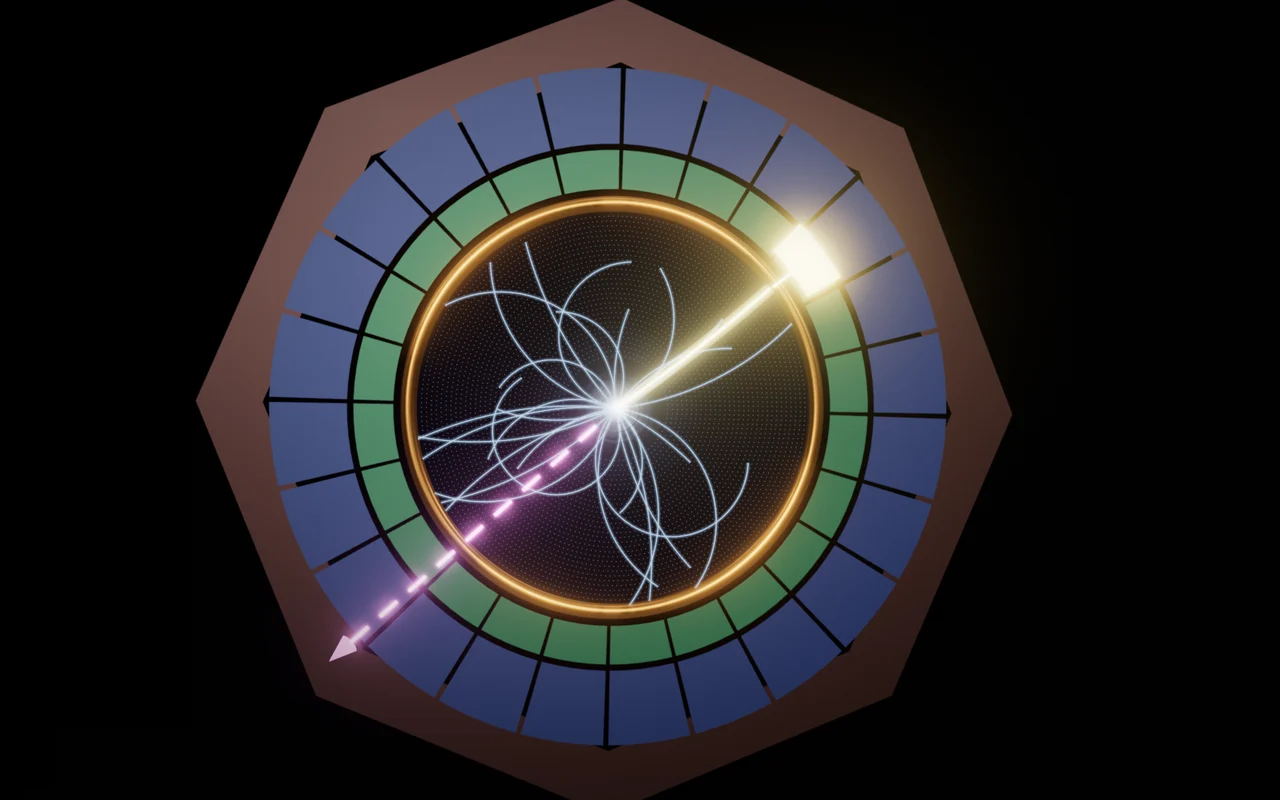
The W boson weighs in heavier than expected: CDF's surprising measurement
Fermilab's CDF collaboration made the most precise measurement yet of the mass of the W boson, carrier of the weak nuclear force — and found it noticeably larger than the Standard Model predicts, sparking intense debate.
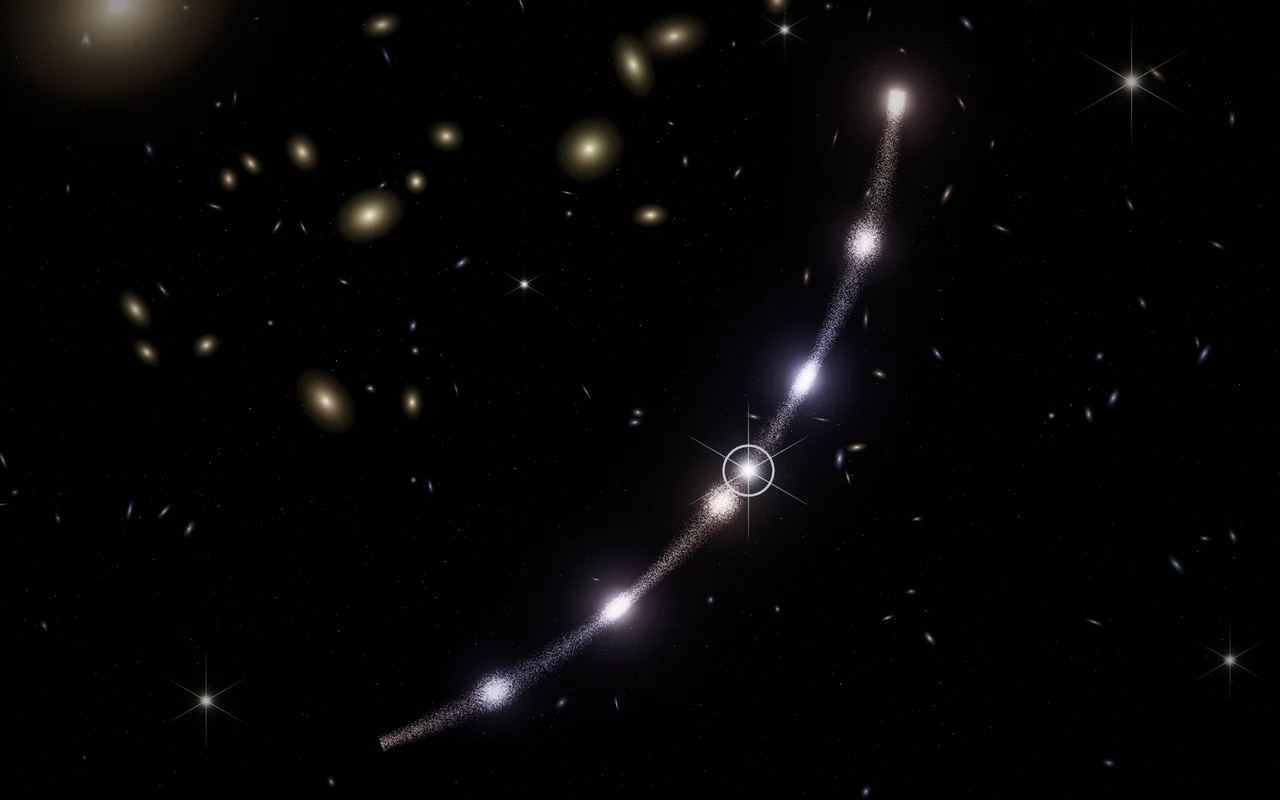
Earendel, the most distant single star ever seen: its light travelled 12.9 billion years
Hubble spotted a star that existed when the universe was only 7% of its present age — at a distance where even whole galaxies look like faint smudges — thanks to a galaxy cluster that magnified it thousands of times.
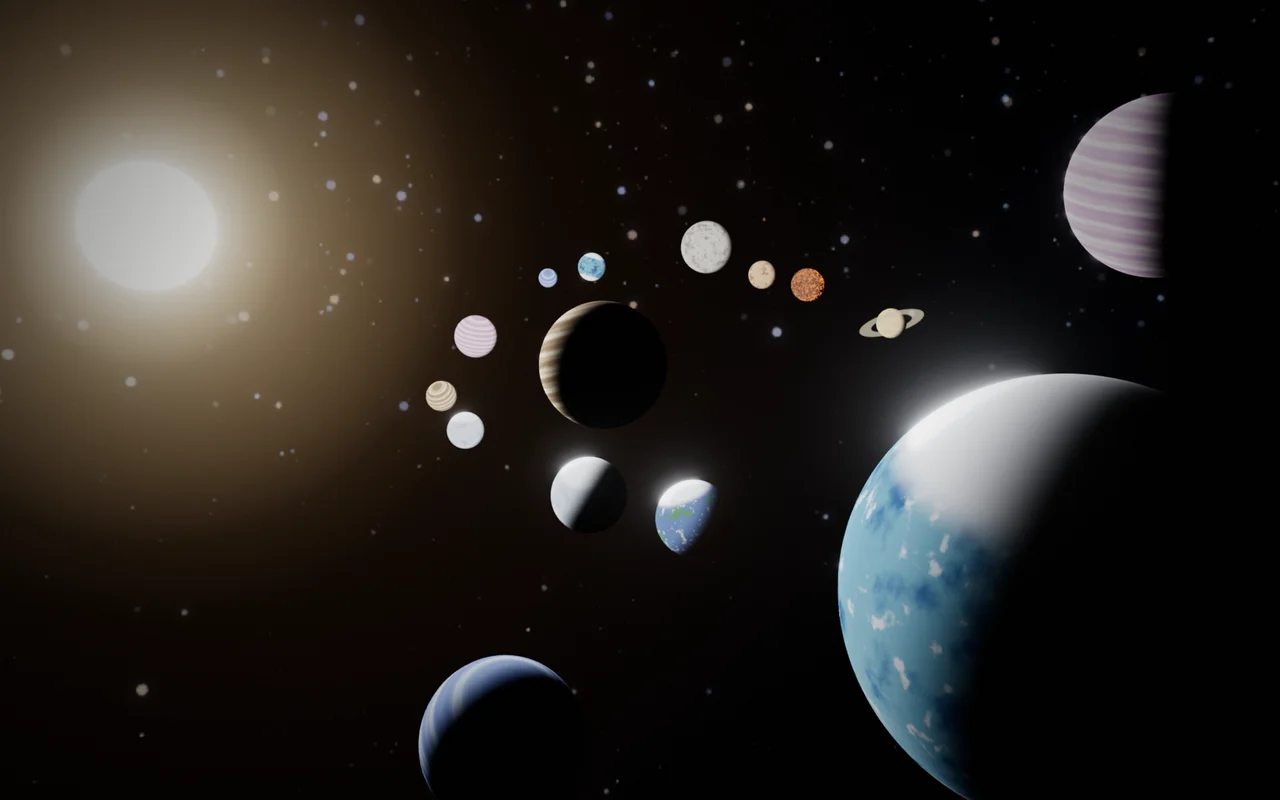
Confirmed planets beyond the solar system pass 5,000
With 65 new additions to NASA's Exoplanet Archive, the count of confirmed exoplanets passed 5,000 — just 30 years after the first were found — from rocky worlds to gas giants bigger than Jupiter.
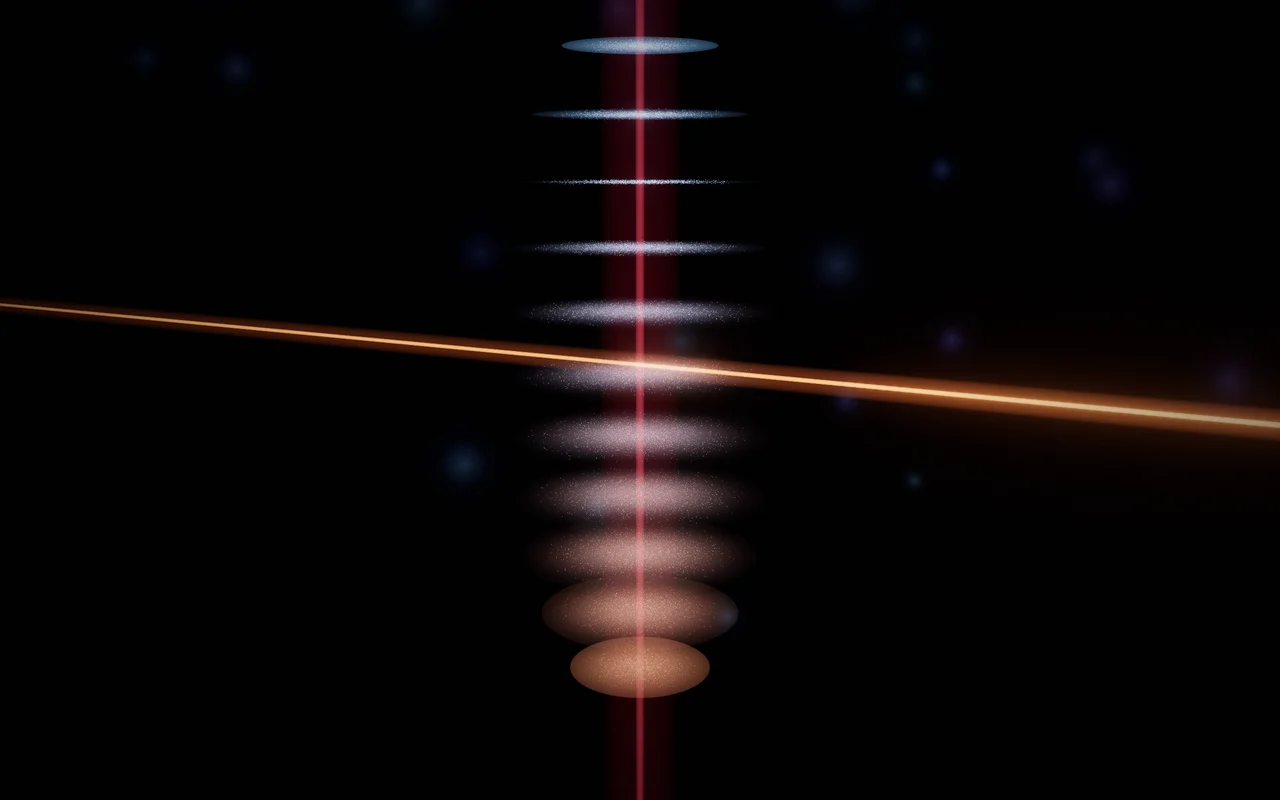
Time measured running differently across a single millimetre of height
Using a cloud of ultracold strontium atoms as atomic clocks, physicists measured Einstein's gravitational time dilation across a single millimetre: the 'clocks' at the bottom of the cloud ticked slightly slower than those at the top.
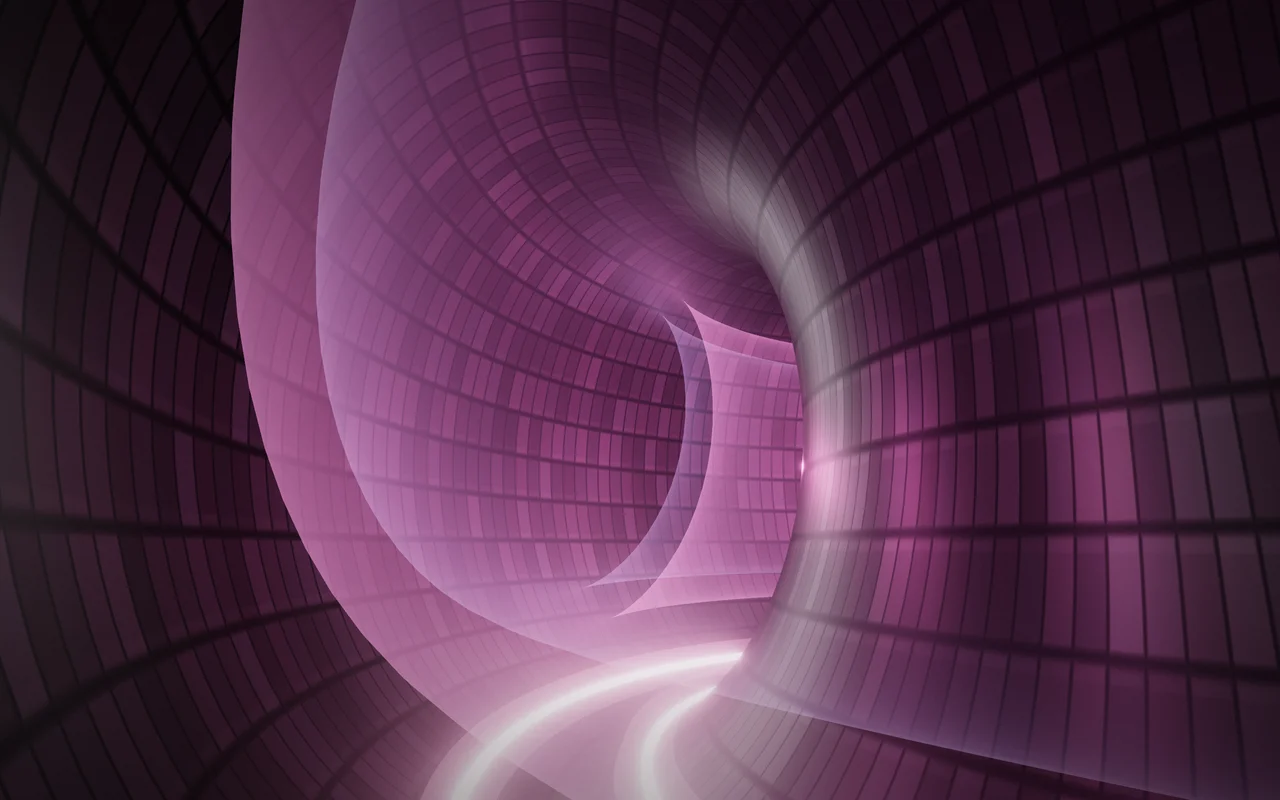
The JET tokamak sets a world record for fusion energy
The UK's JET machine produced 59 megajoules of fusion energy in 5 seconds — more than double its 1997 record — burning the deuterium–tritium fuel future power plants will use.
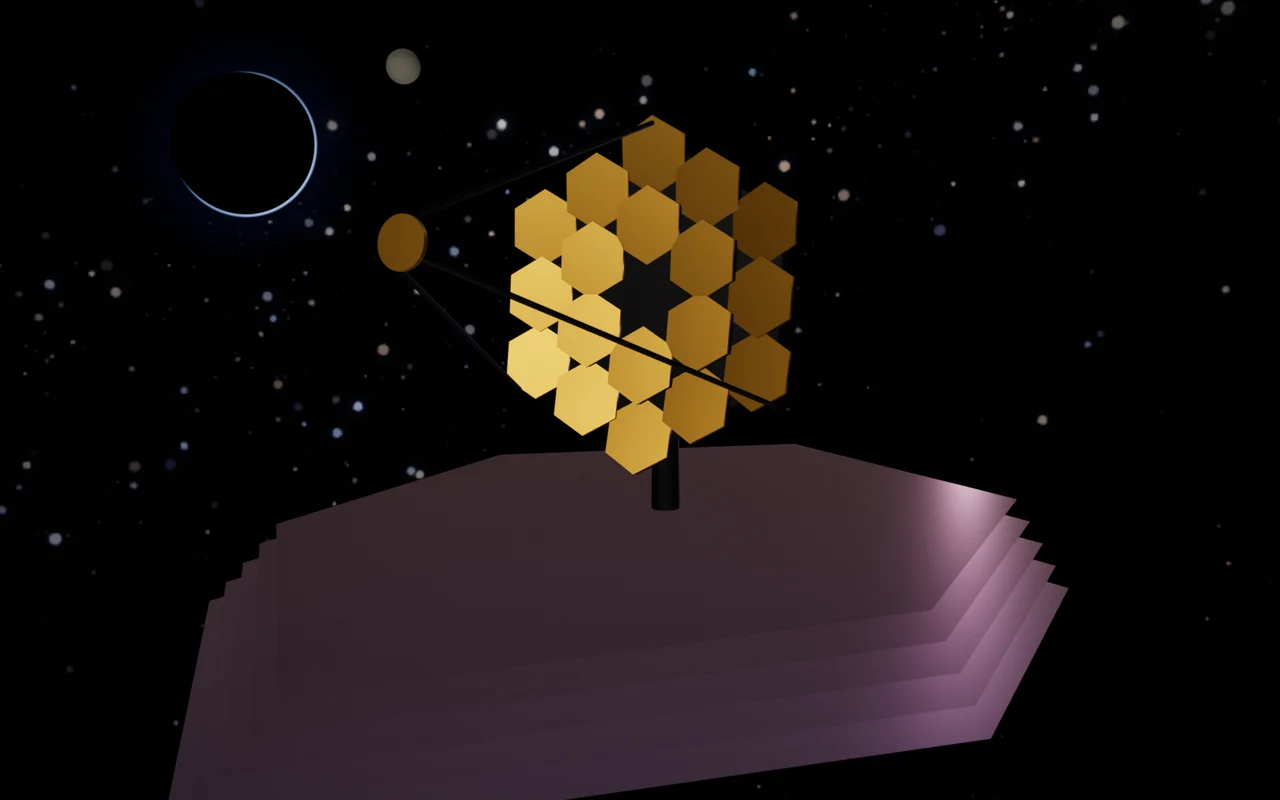
The Webb telescope reaches its home at L2
The largest space telescope ever built arrived at the L2 Lagrange point, 1.5 million kilometres from Earth, having fully unfolded its sunshield and 18-segment golden mirror on the way without a single failure.
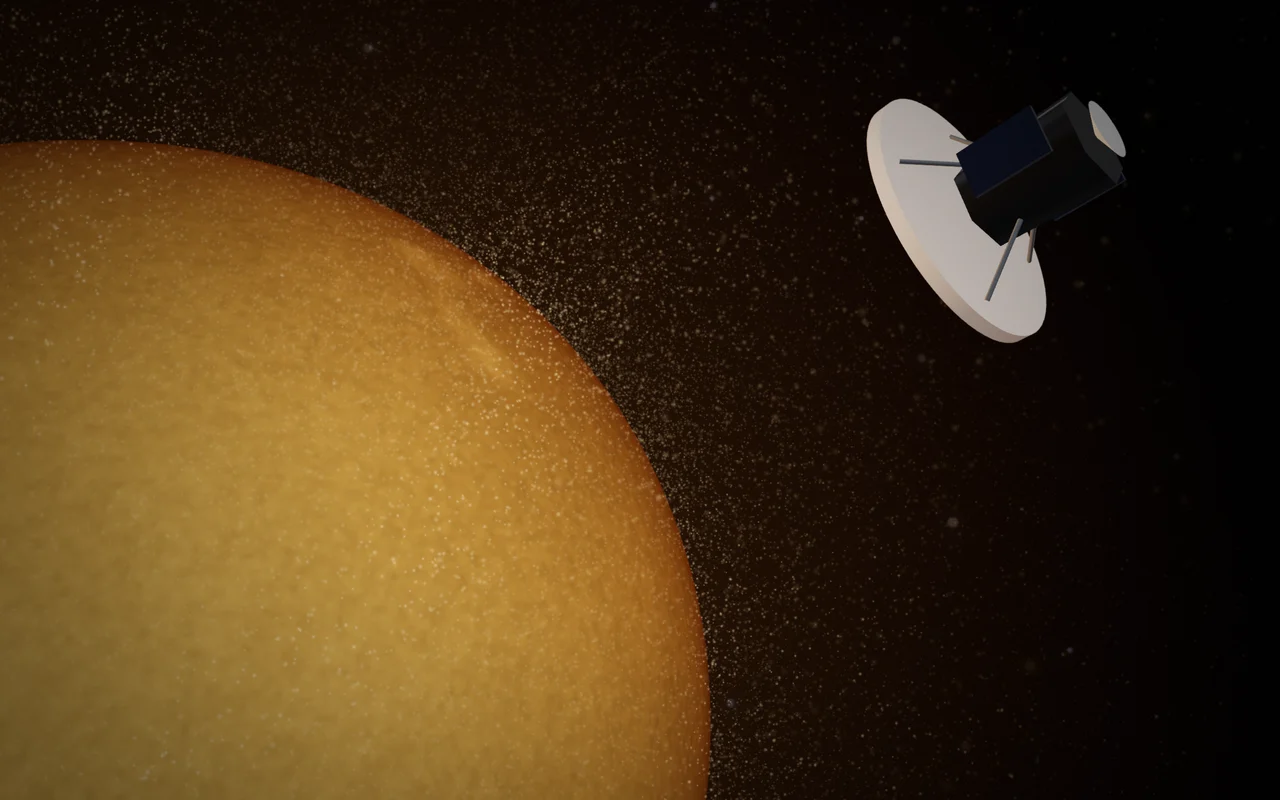
Parker Solar Probe enters the Sun's corona — the first spacecraft to 'touch' the Sun
NASA's Parker Solar Probe became the first spacecraft to enter the corona — the Sun's outer atmosphere — crossing the boundary beyond which the solar wind breaks free, and spending several hours inside.
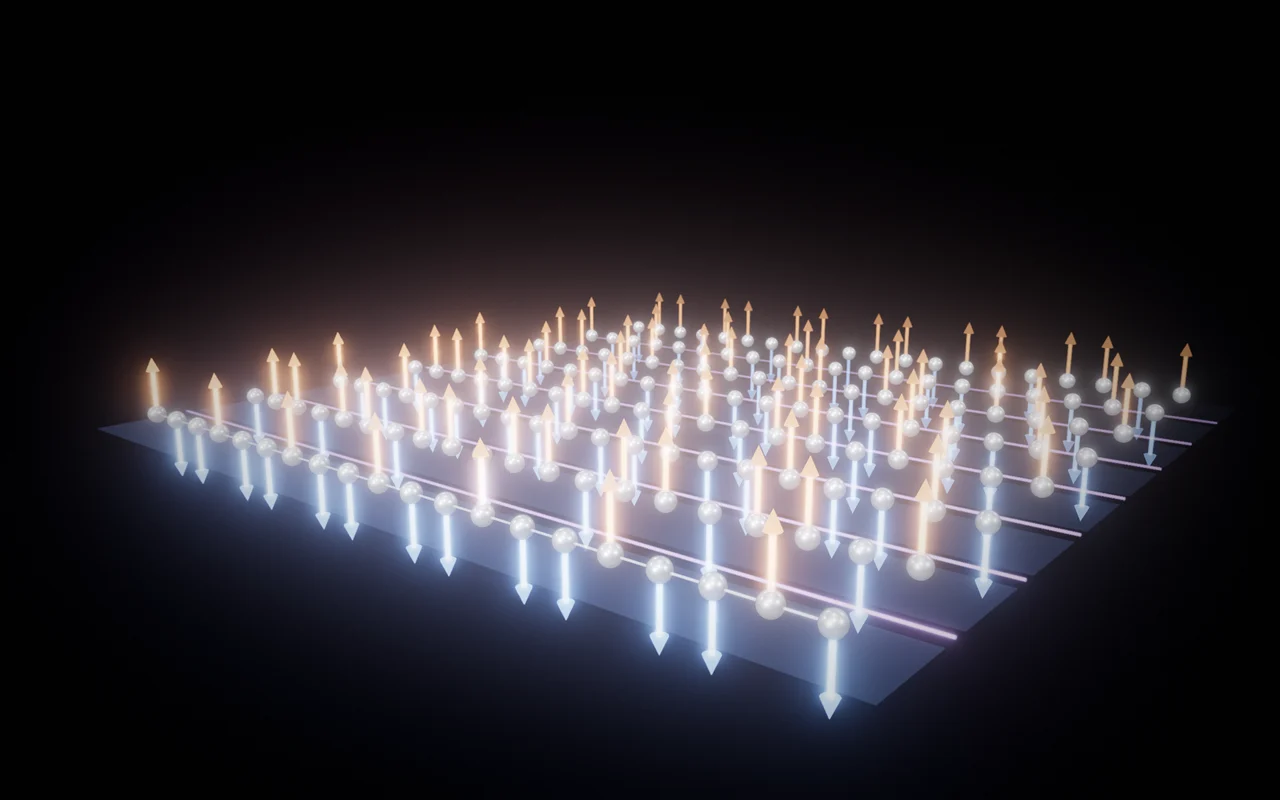
A time crystal created on Google's quantum computer
Scientists at Google and several universities created a 'time crystal' on 20 qubits of the Sycamore quantum processor — an unusual state of matter in which particles endlessly switch between states at half the rhythm of the pushes driving them.
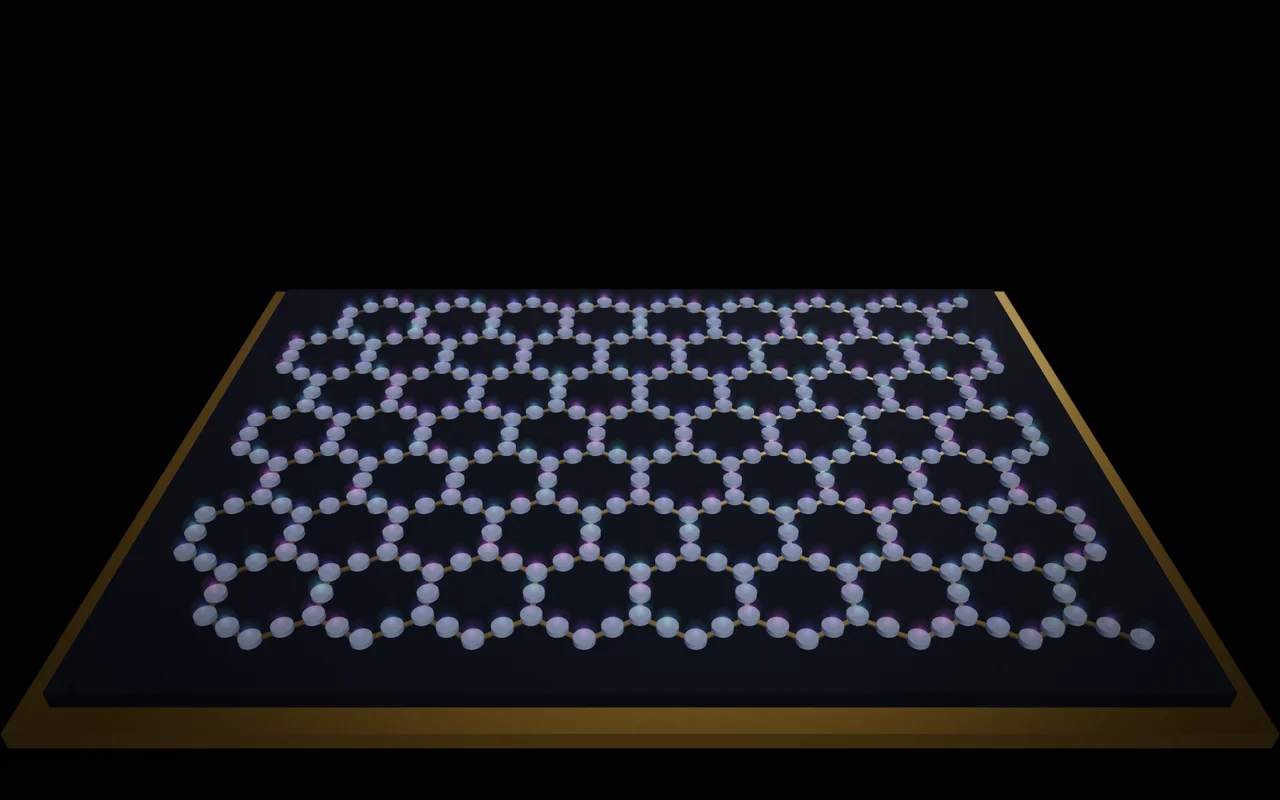
IBM Eagle: the first quantum processor to break the 100-qubit barrier
IBM unveiled Eagle, a quantum processor with 127 superconducting qubits — the first to exceed 100. Fully describing its state on a classical computer, the company said, would need an enormous amount of memory.
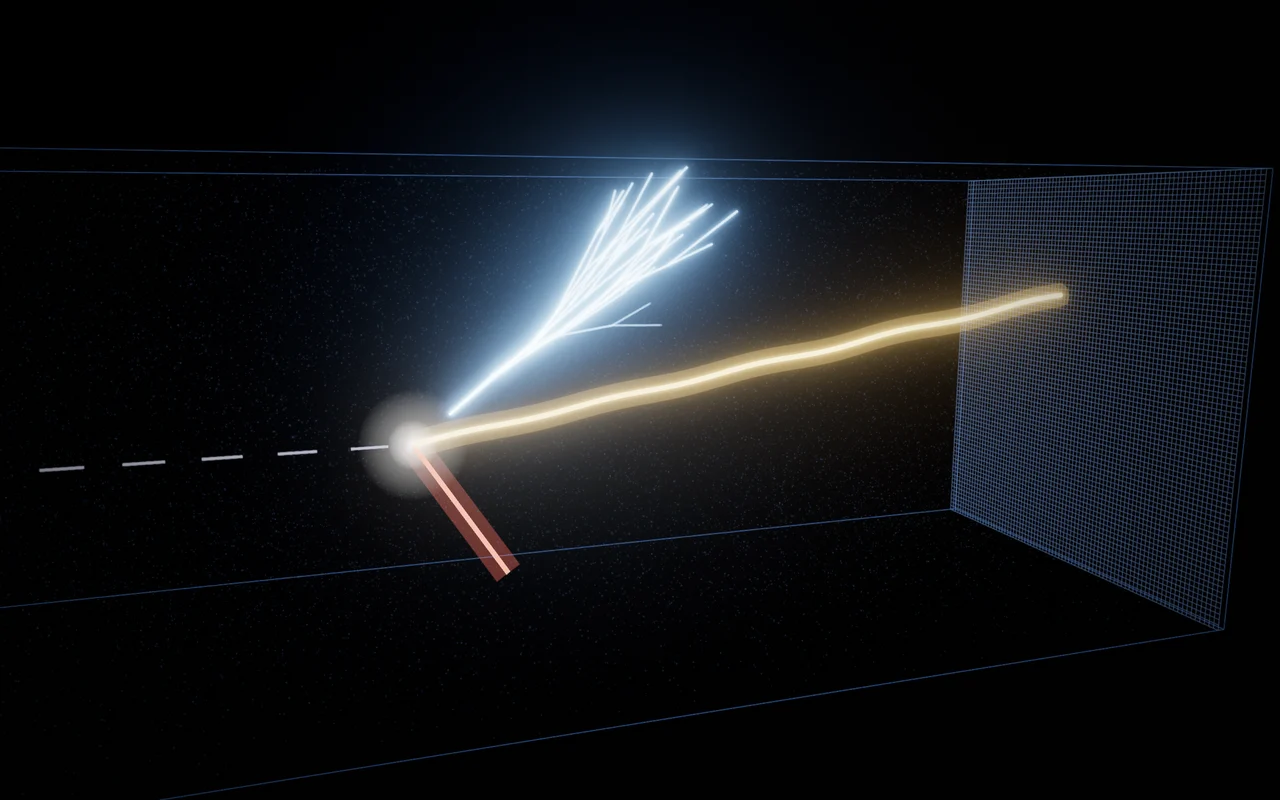
MicroBooNE finds no hint of a 'sterile neutrino'
First results from Fermilab's MicroBooNE did not support explaining a puzzling signal from earlier experiments with a hypothetical fourth kind of neutrino — the 'sterile neutrino'. The mystery remains, but the search has narrowed.
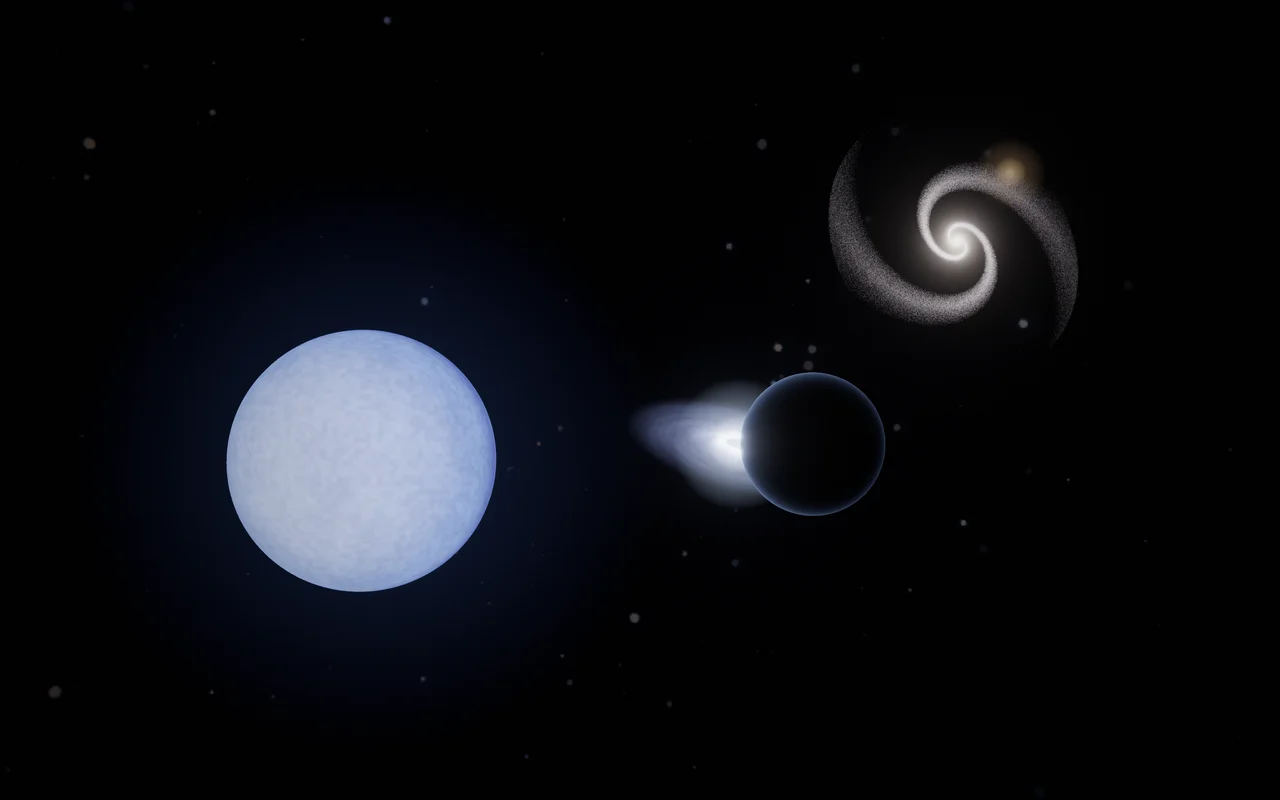
First possible planet in another galaxy: an X-ray 'eclipse' in M51
In Chandra X-ray data, astronomers found a bright X-ray source in the Whirlpool Galaxy (M51) that went completely dark for three hours — most likely because a Saturn-sized planet passed in front of it. If confirmed, it would be the first known planet beyond the Milky Way.
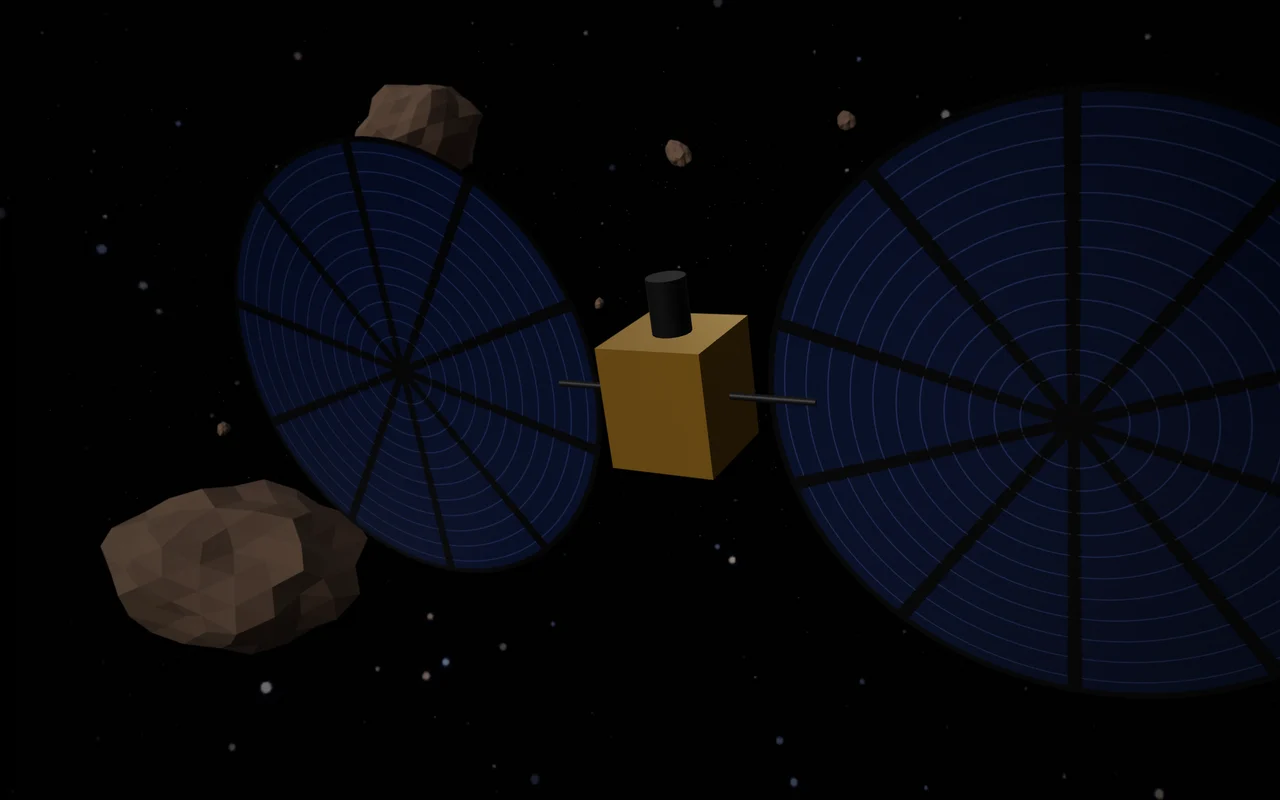
The Lucy probe sets off for Jupiter's Trojan asteroids
NASA's Lucy probe launched to make the first visit to the Trojan asteroids that share Jupiter's orbit. Over 12 years it will fly past a record number of asteroids — 'fossils' from the era of planet formation.
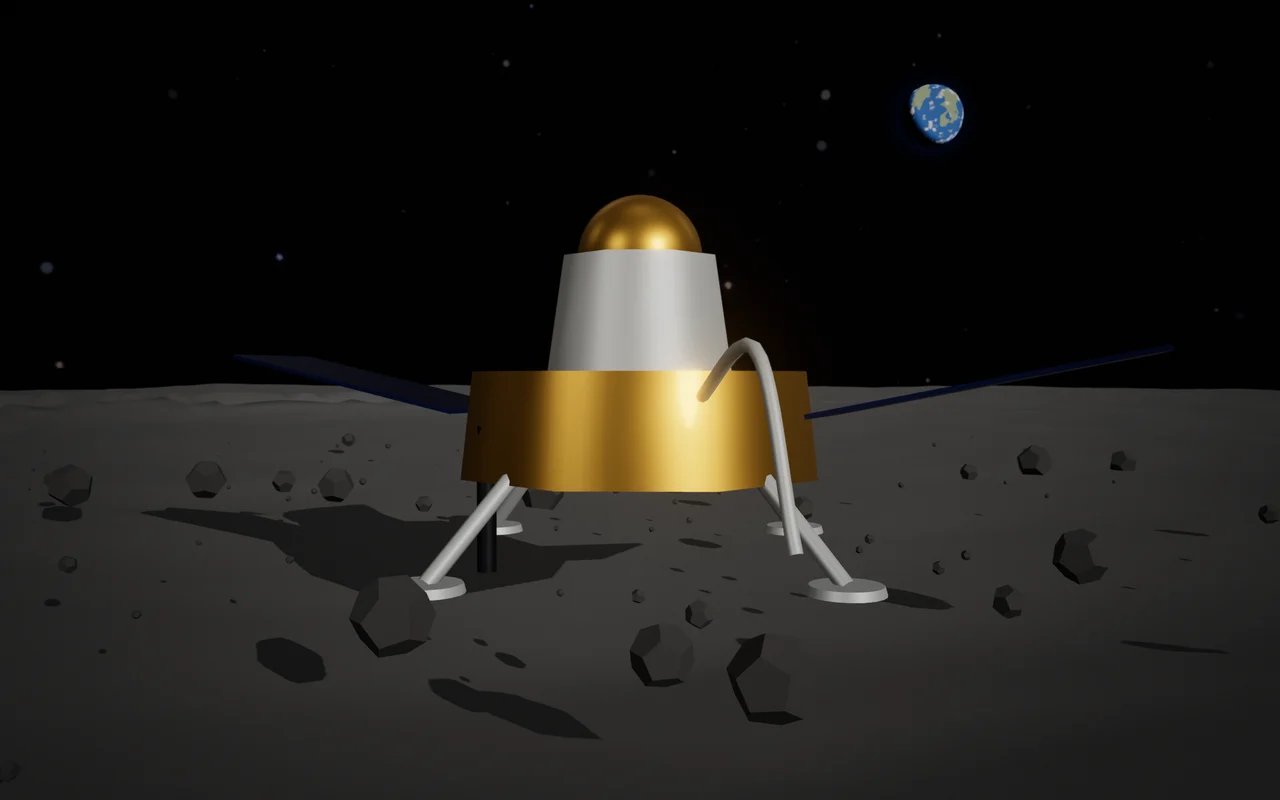
Chang'e-5 samples show lunar volcanoes erupted just 2 billion years ago
Lunar rocks returned by China's Chang'e-5 formed from lava erupted about 2 billion years ago — nearly a billion years later than the volcanic rocks from Apollo and Luna. The Moon stayed geologically alive far longer than thought.
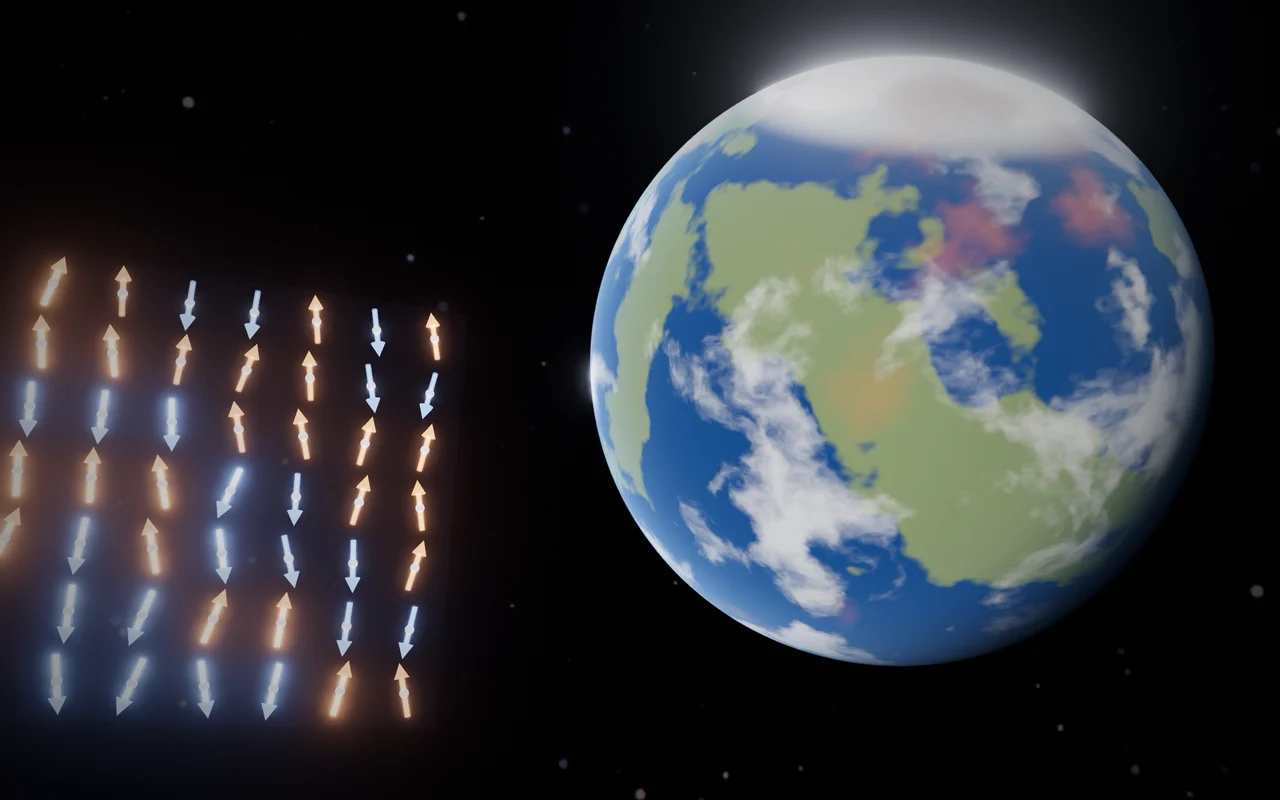
2021 Nobel Prize: climate models and the physics of complex systems
The Nobel Prize in Physics went to Syukuro Manabe, Klaus Hasselmann and Giorgio Parisi: Manabe and Hasselmann built physical models of Earth's climate that underpin reliable predictions of global warming, while Parisi discovered how disorder and fluctuations create hidden order in complex systems.
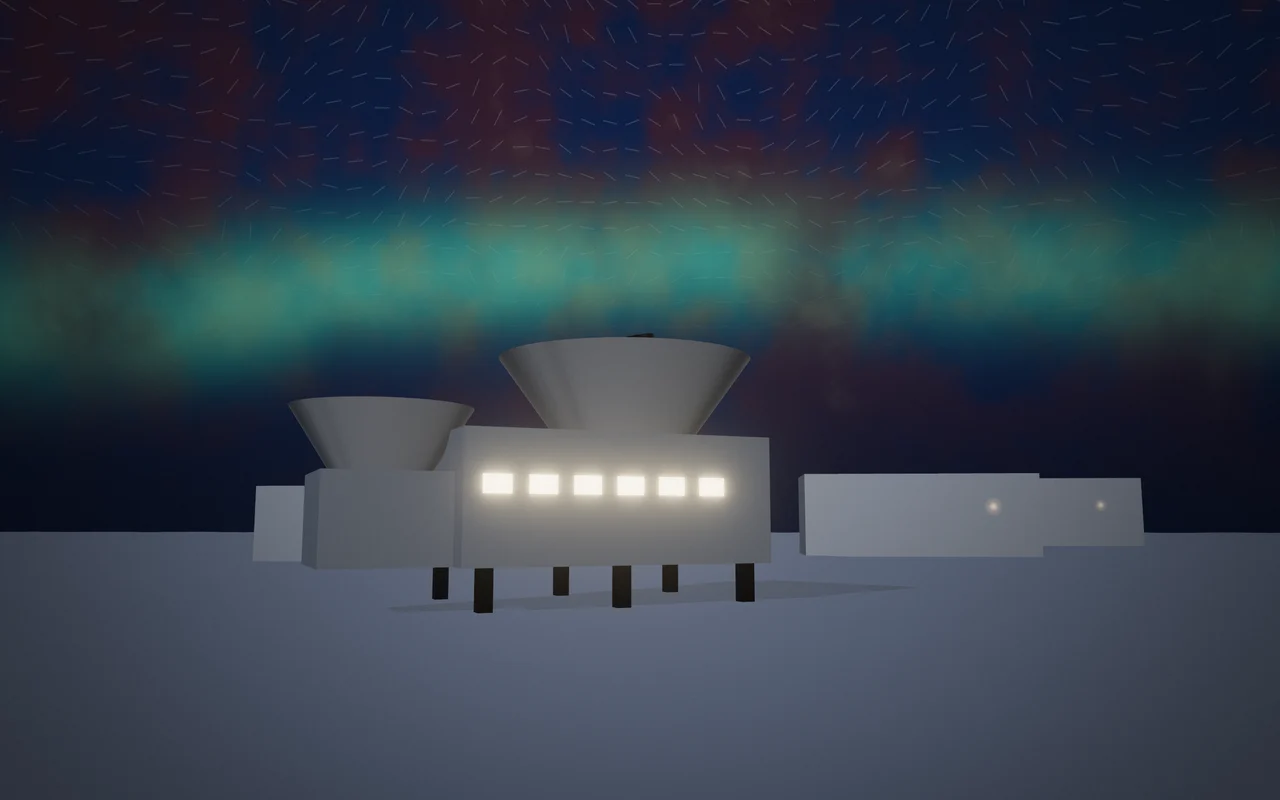
BICEP/Keck sets the tightest limit yet on gravitational waves from the Big Bang
The BICEP and Keck telescopes at the South Pole studied the polarisation of the cosmic microwave background — the universe's oldest light — and set the tightest limit yet on gravitational waves from its birth, ruling out many models of inflation.
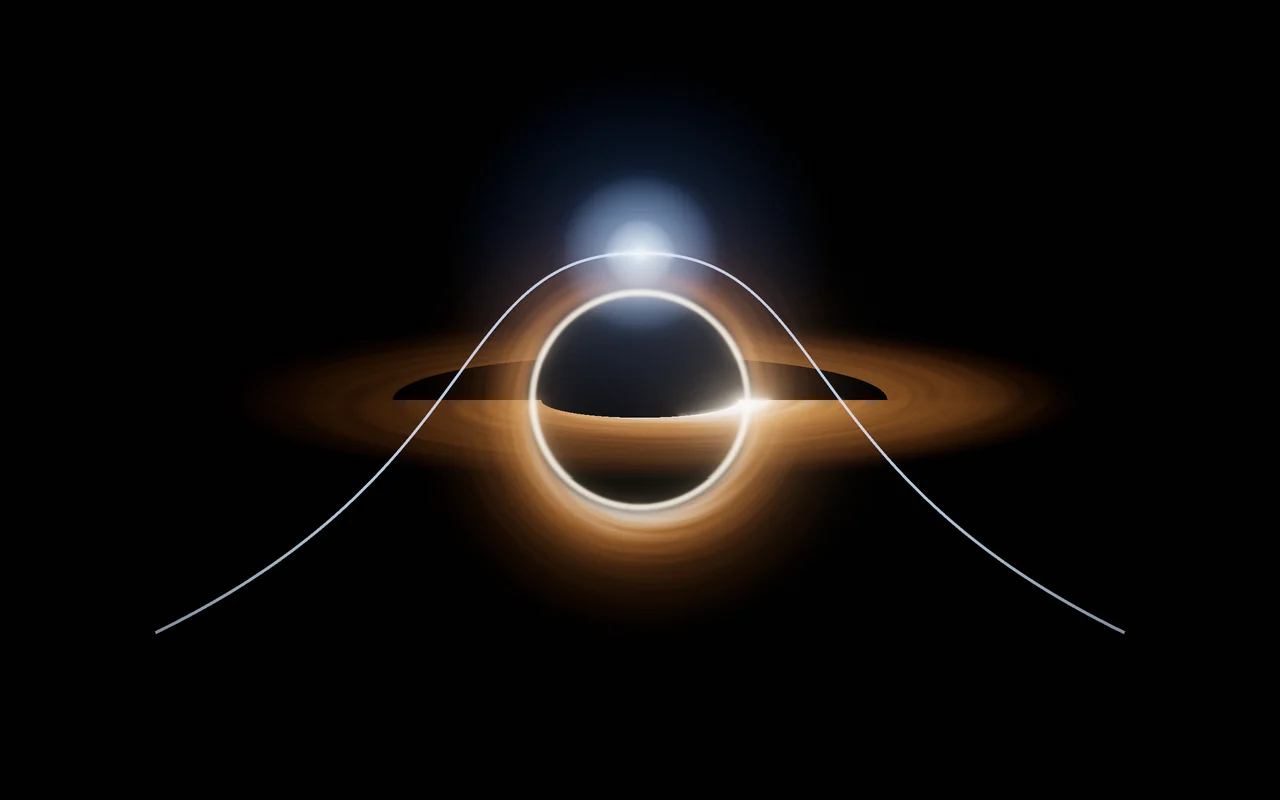
Light from behind a black hole seen for the first time
Studying the 'echoes' of X-ray flares around a supermassive black hole, astronomers spotted light from its far side that had bent around the black hole to reach us — just as Einstein's theory predicts.
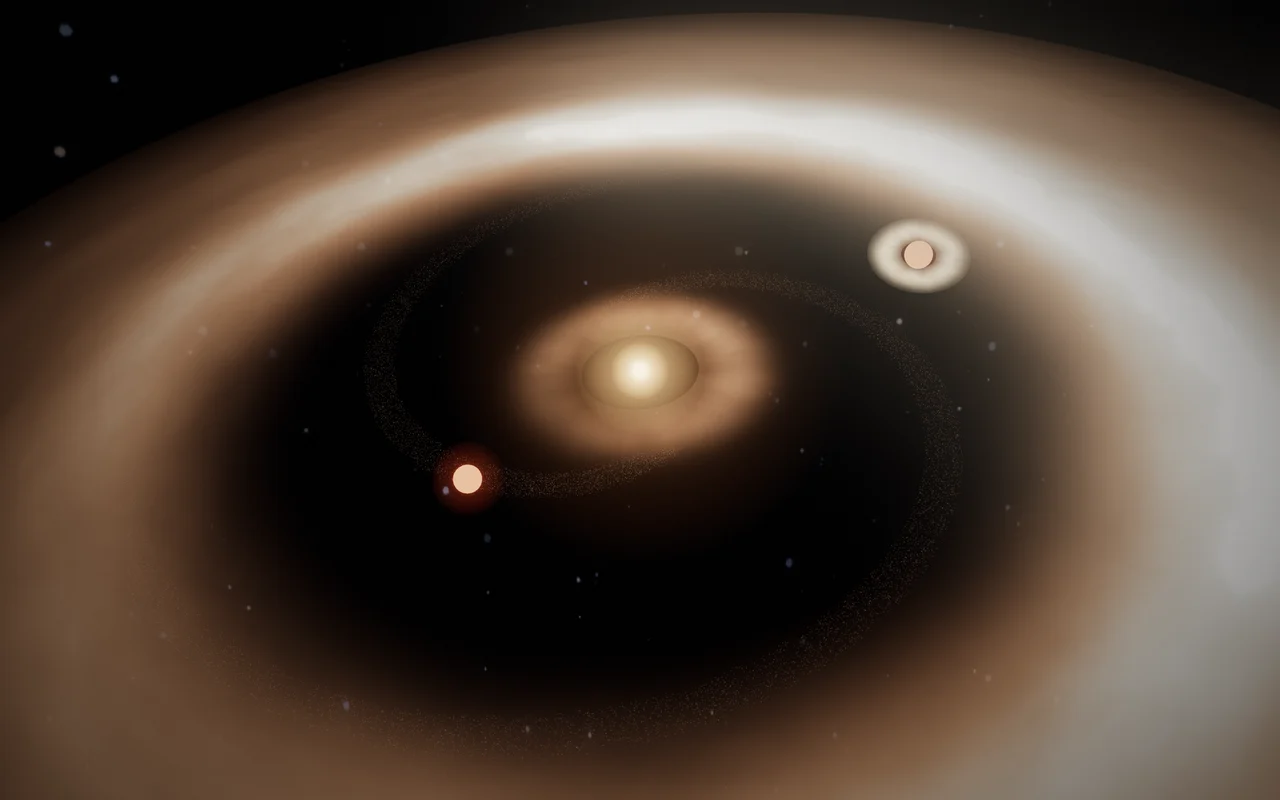
A moon-forming disc around an exoplanet seen clearly for the first time
The ALMA radio telescope clearly revealed a dusty disc around the gas giant PDS 70c, orbiting the young star PDS 70. The disc is about as wide as the Earth–Sun distance and holds enough material for up to three Moon-sized satellites.
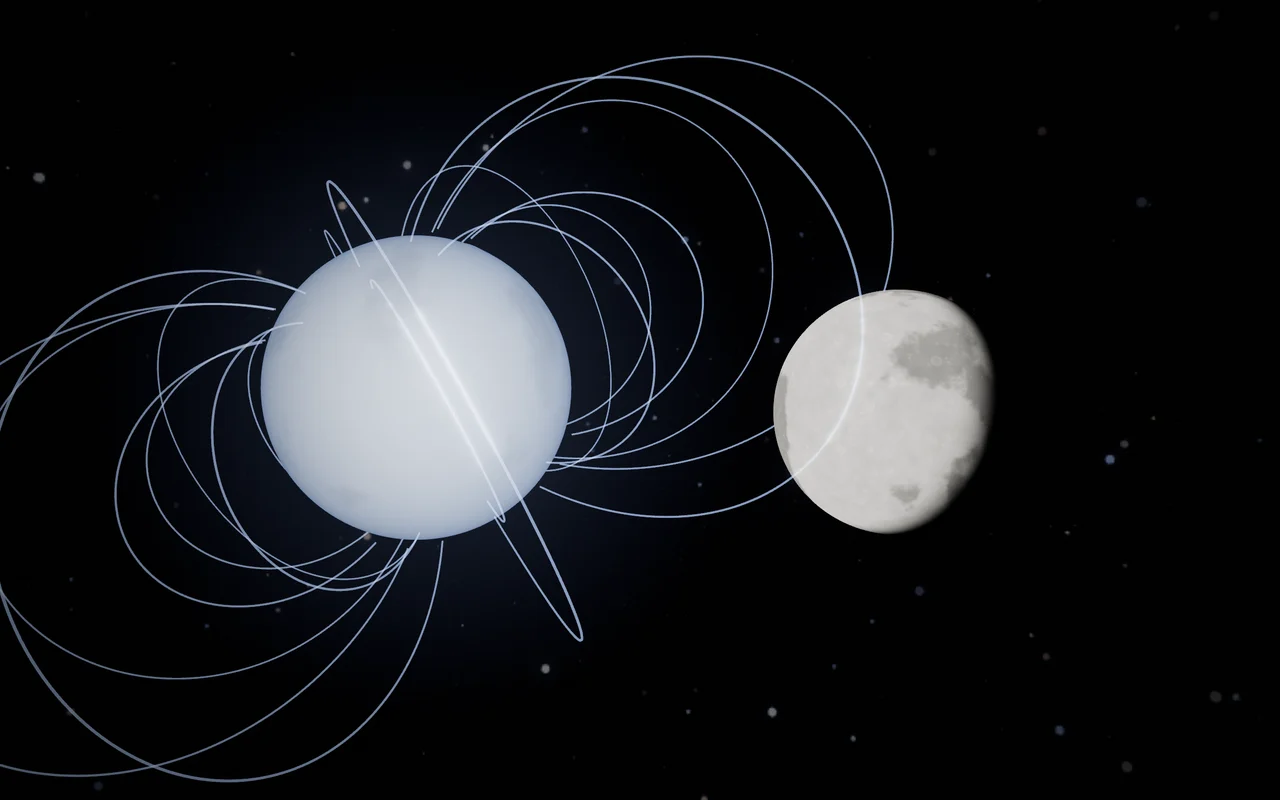
A white dwarf the size of the Moon but heavier than the Sun
Astronomers found the smallest and most massive white dwarf known: ZTF J1901+1458 is 4,300 kilometres across — just larger than the Moon — yet 1.35 times the Sun's mass, close to the limit for such a star.
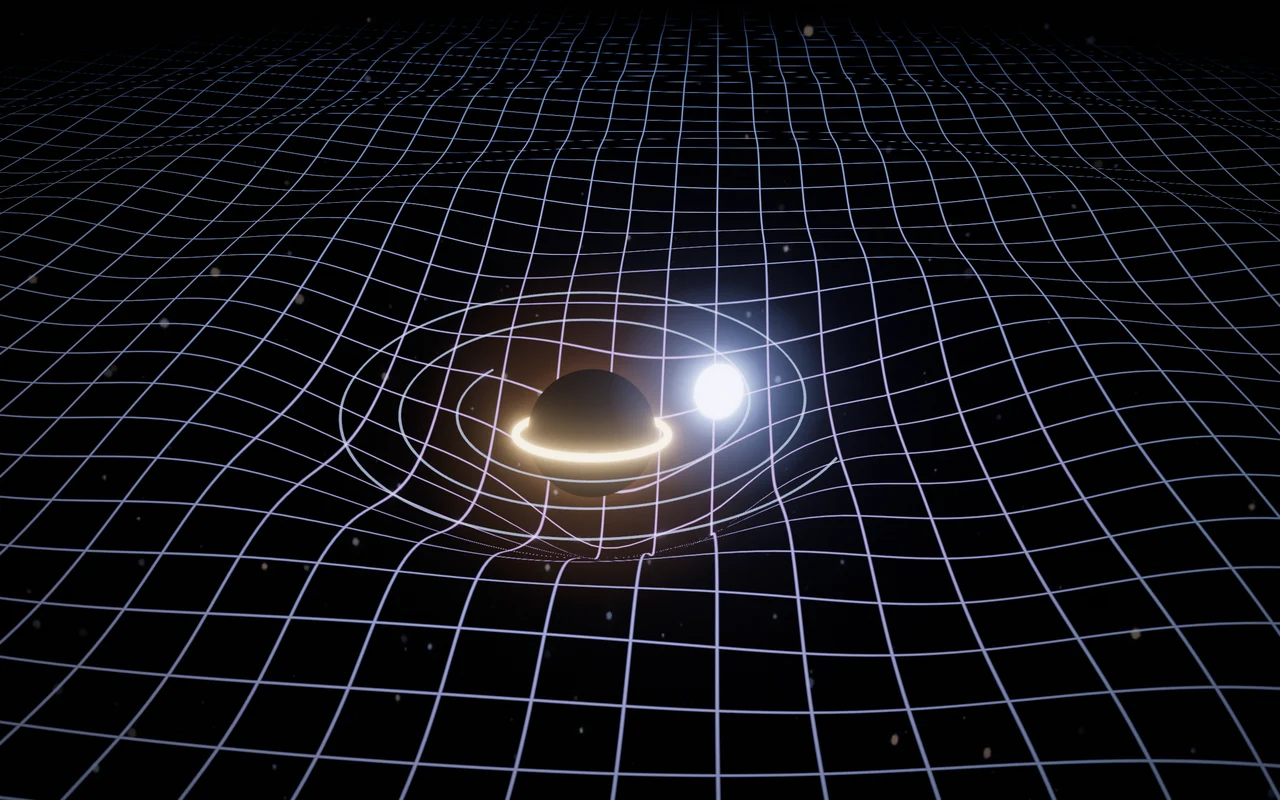
Black holes merging with neutron stars detected for the first time
LIGO and Virgo twice caught gravitational waves, ten days apart, from black holes swallowing neutron stars — the missing piece of the family of merging compact objects.
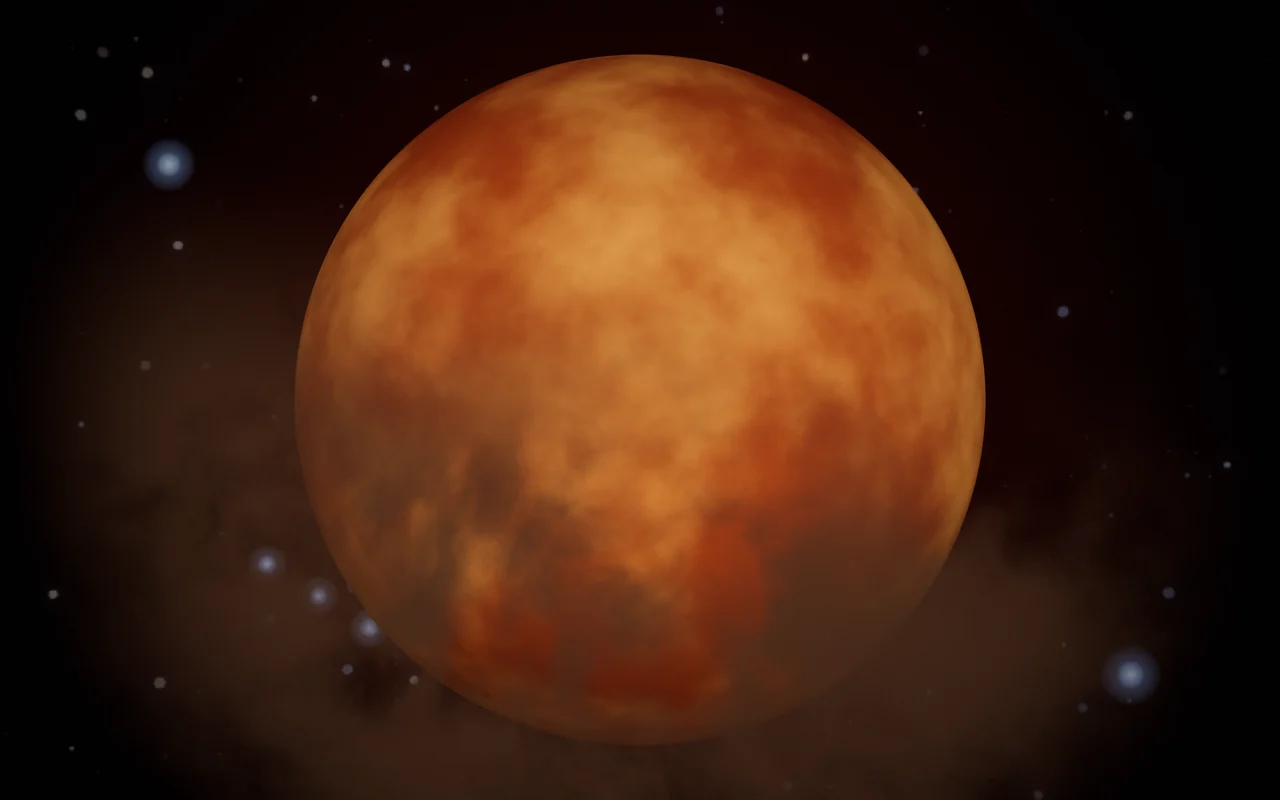
The mystery of Betelgeuse's Great Dimming solved: a cloud of dust
In late 2019 the red supergiant Betelgeuse in Orion dimmed noticeably even to the naked eye, prompting talk of an imminent explosion. VLT images showed it was partly hidden by a dust cloud formed from gas the star itself had thrown off.
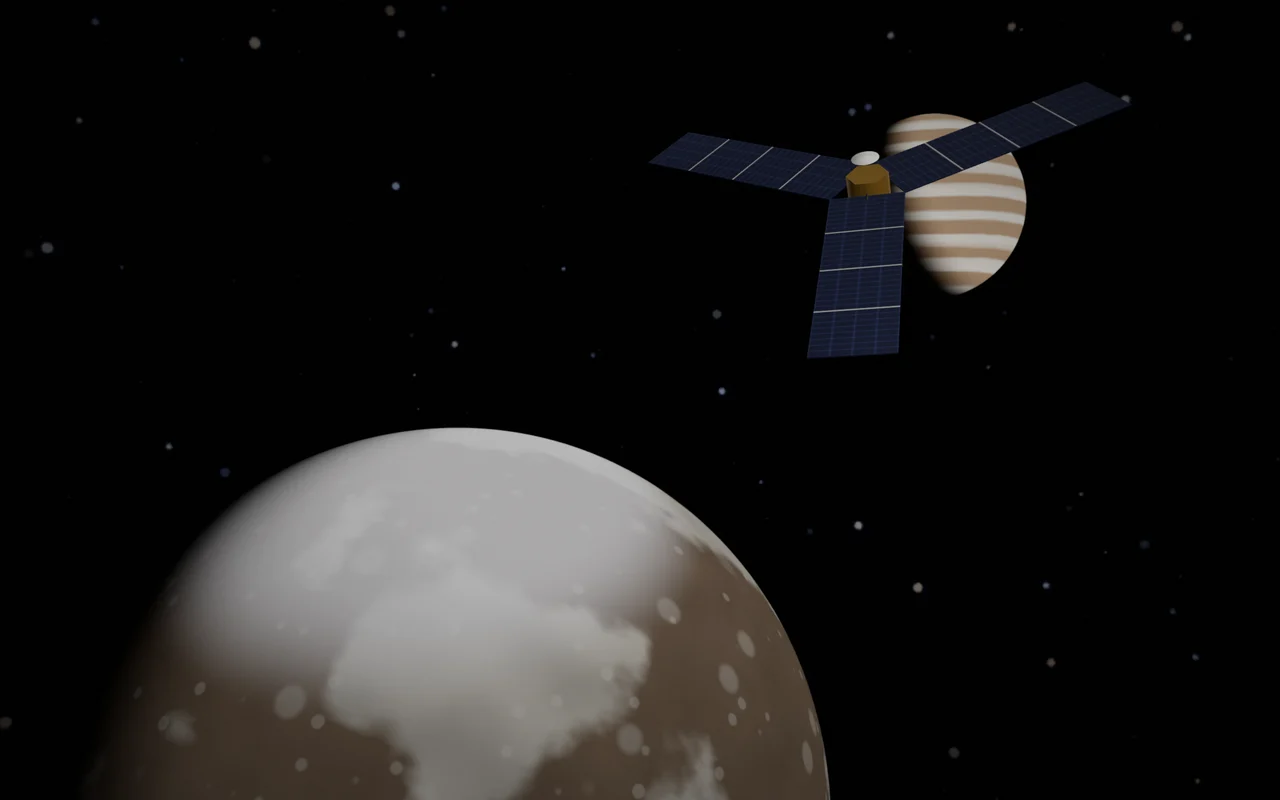
Juno makes the first close flyby of Ganymede in over 20 years
NASA's Juno probe passed just 1,038 kilometres above Ganymede, Jupiter's largest moon, capturing detailed new images of its icy surface — the closest approach since Galileo in 2000.
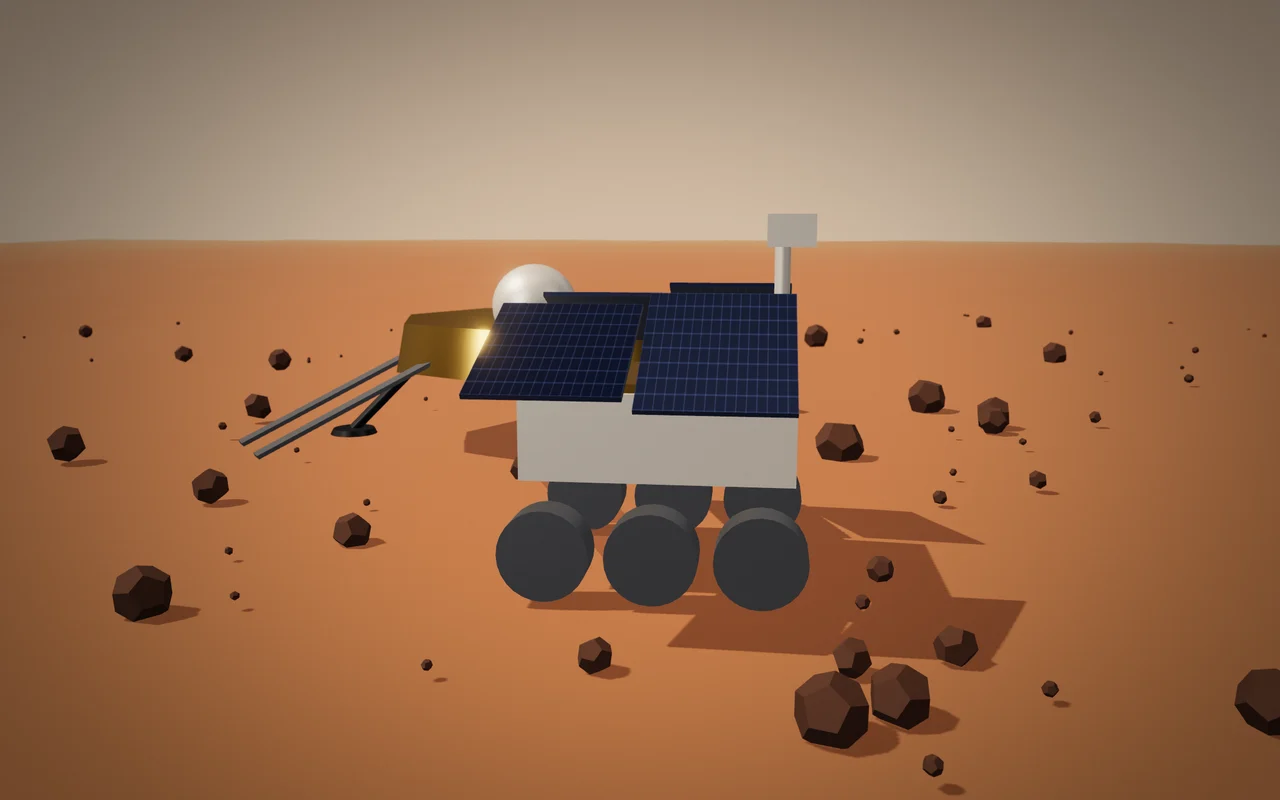
China's Zhurong rover lands on Mars
The Tianwen-1 lander touched down on Utopia Planitia and deployed the Zhurong rover, making China the second nation to drive a rover on Mars — and the first to orbit, land and rove on its first attempt.
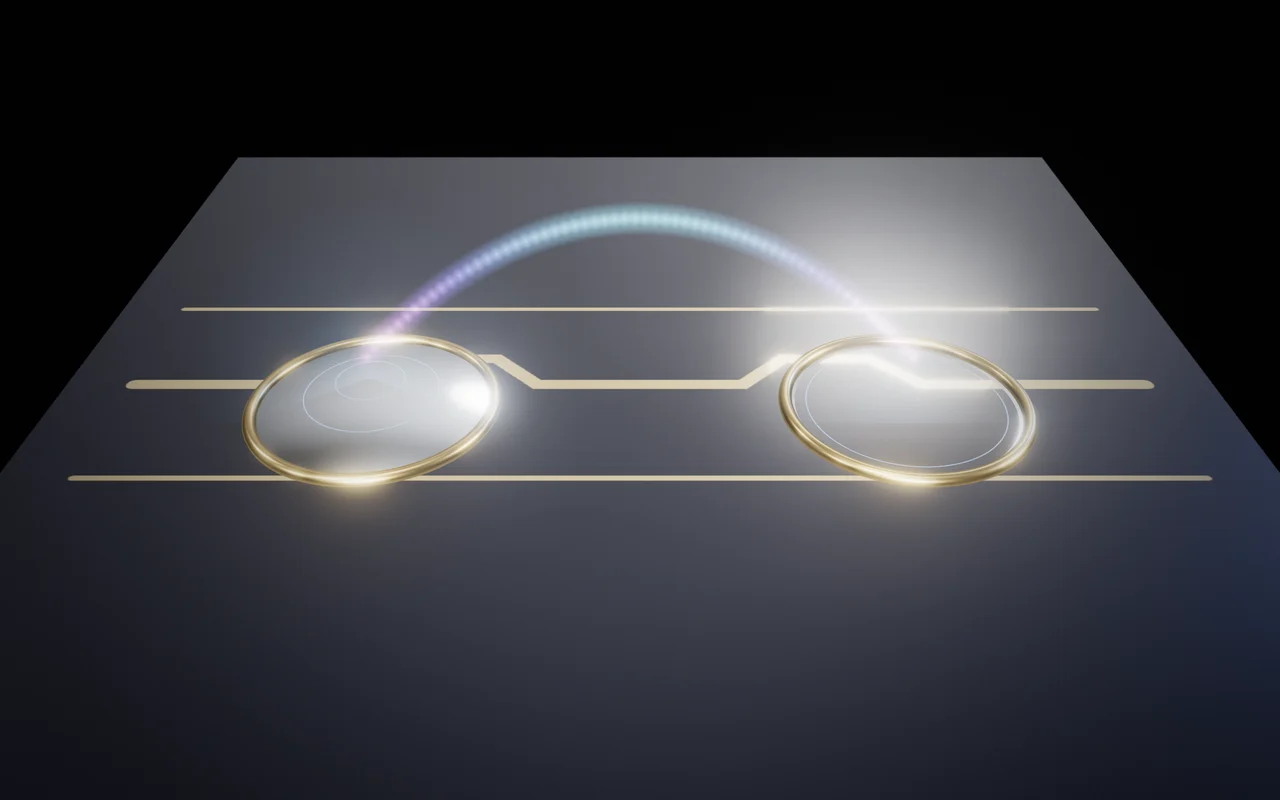
Two vibrating 'drums' big enough to see are quantum-entangled
Two independent teams — NIST in the US and Aalto University in Finland — linked the vibrations of two tiny aluminium membranes, each containing about a trillion atoms, through quantum entanglement. Physics World named it Breakthrough of the Year.
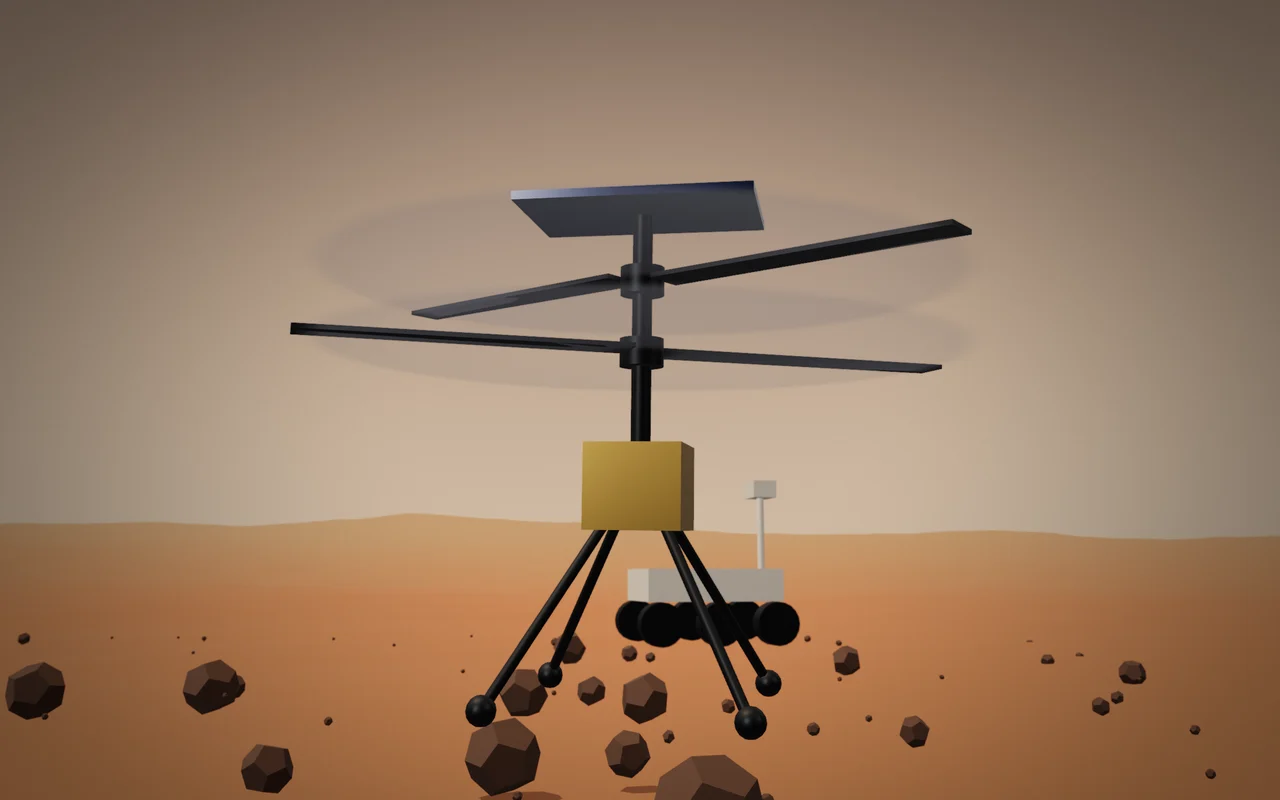
Ingenuity makes the first powered flight on another planet
The 1.8-kilogram Ingenuity helicopter rose 3 metres above Mars, hovered for 39 seconds and landed — the first powered, controlled flight of an aircraft on another planet.
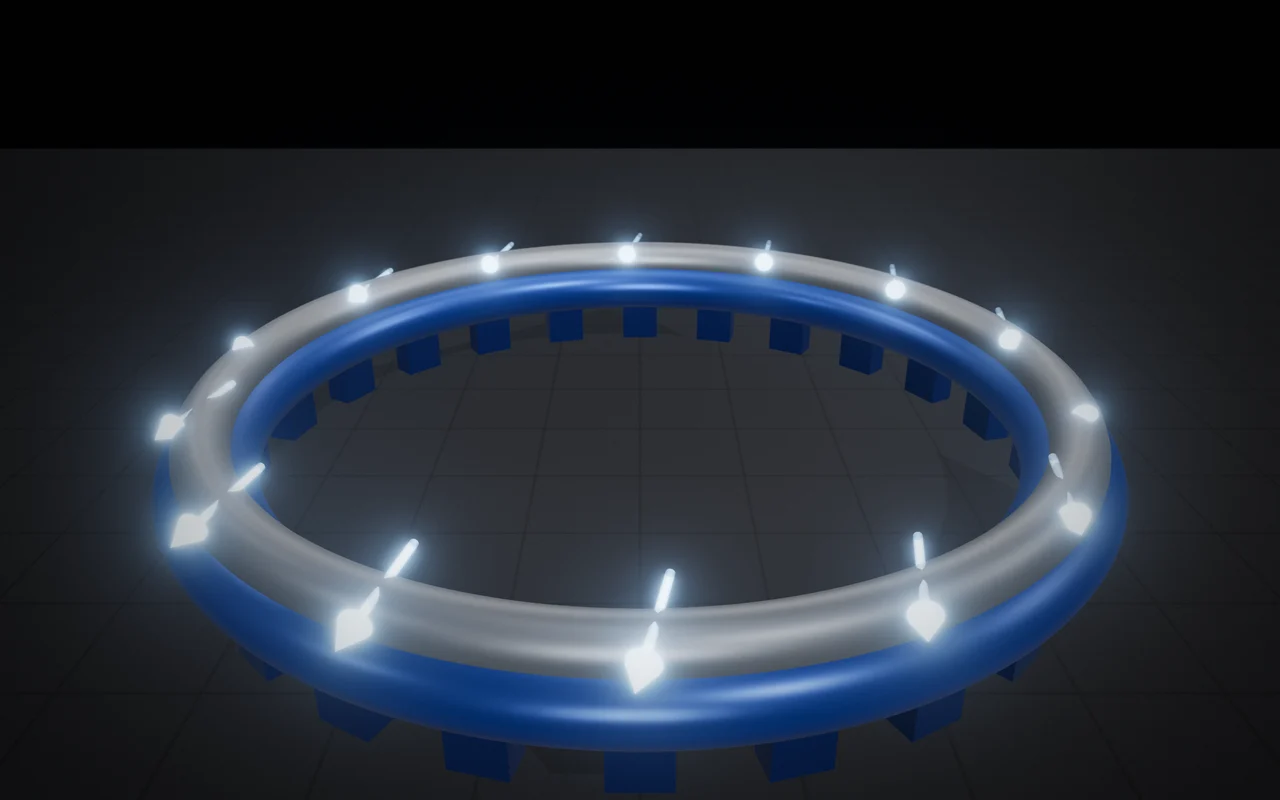
Muon g-2: the muon wobbles in a magnetic field differently than theory predicted
The first result from Fermilab's Muon g-2 experiment showed the muon's magnetic property differing slightly from Standard Model calculations, matching a Brookhaven experiment from 20 years earlier and raising hopes of new particles.
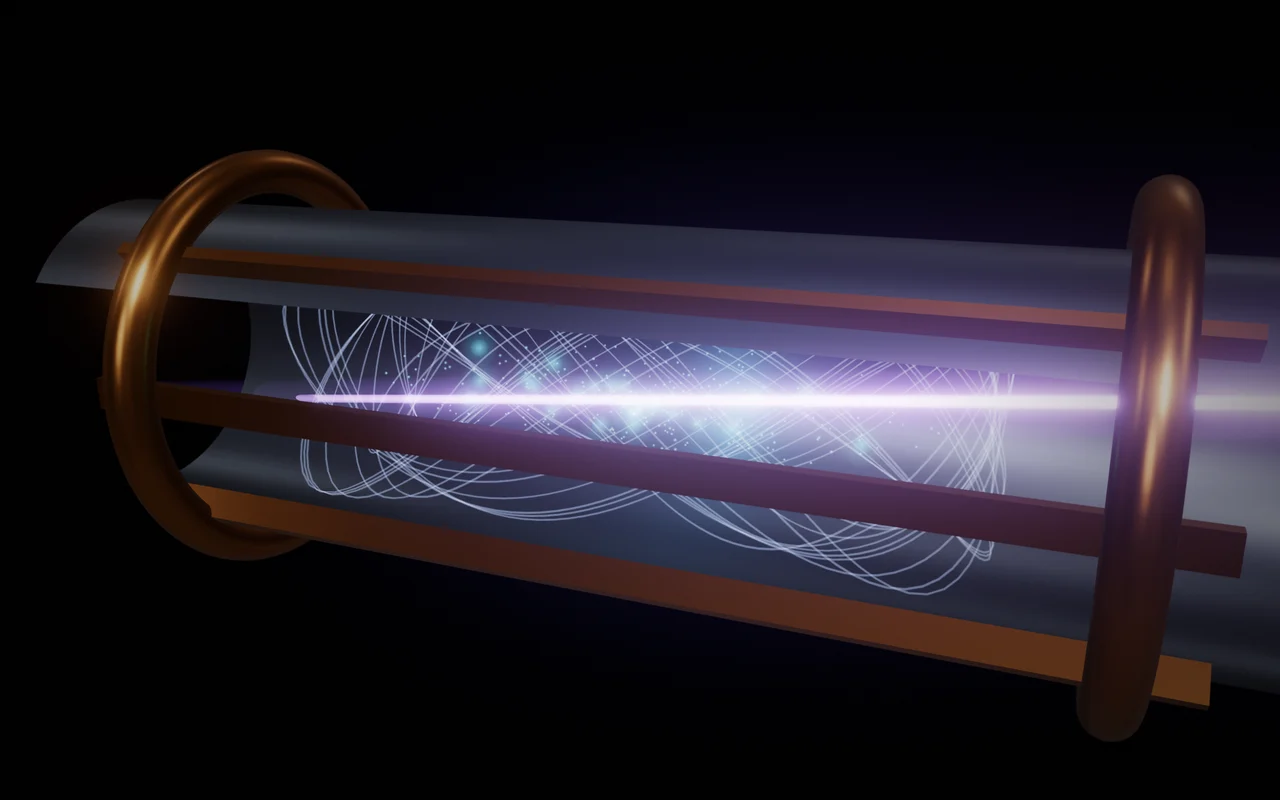
Antimatter cooled with laser light for the first time
CERN's ALPHA experiment used laser light to cool antihydrogen atoms to near absolute zero — a technique used on ordinary atoms for 40 years, but never before on antimatter.
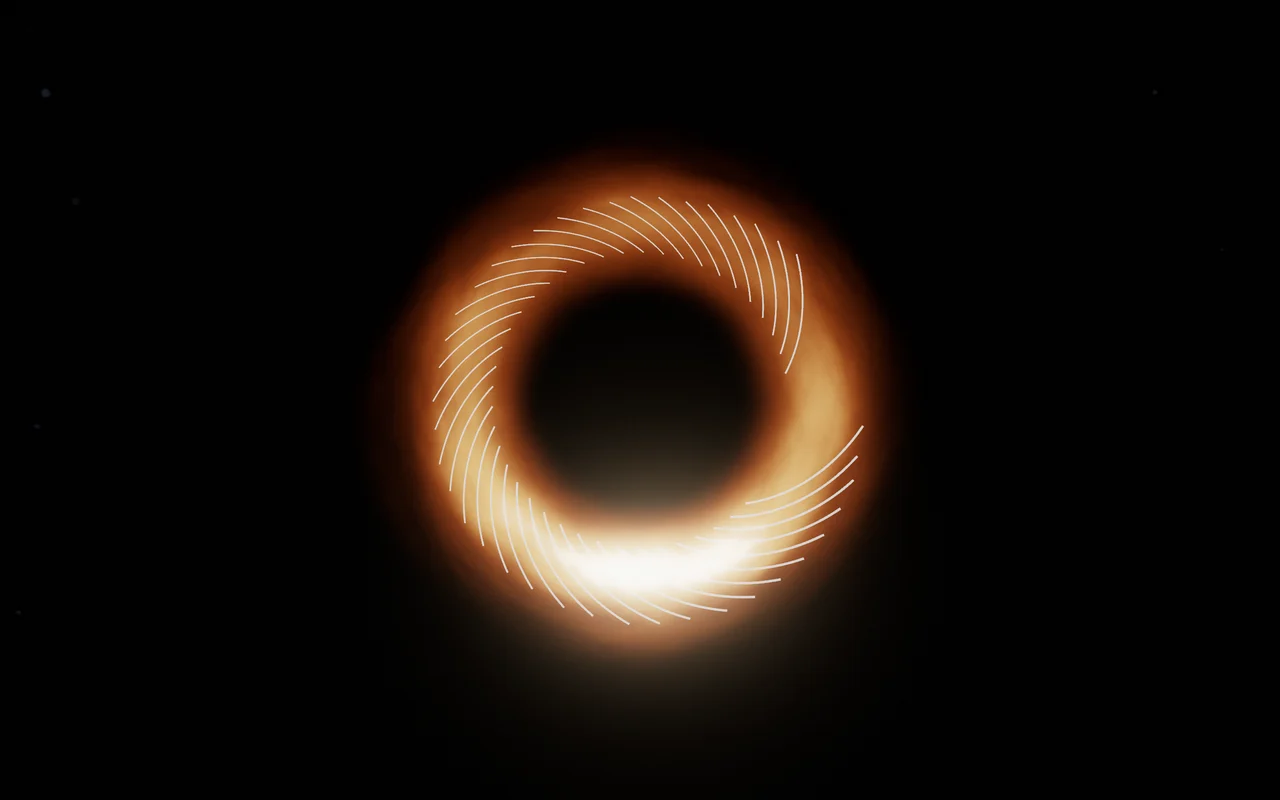
M87's black hole in polarised light: its magnetic field seen for the first time
The Event Horizon Telescope released an image of M87's black hole in polarised light: the polarisation directions form a swirling pattern around the ring — the signature of magnetic fields at the black hole's edge.
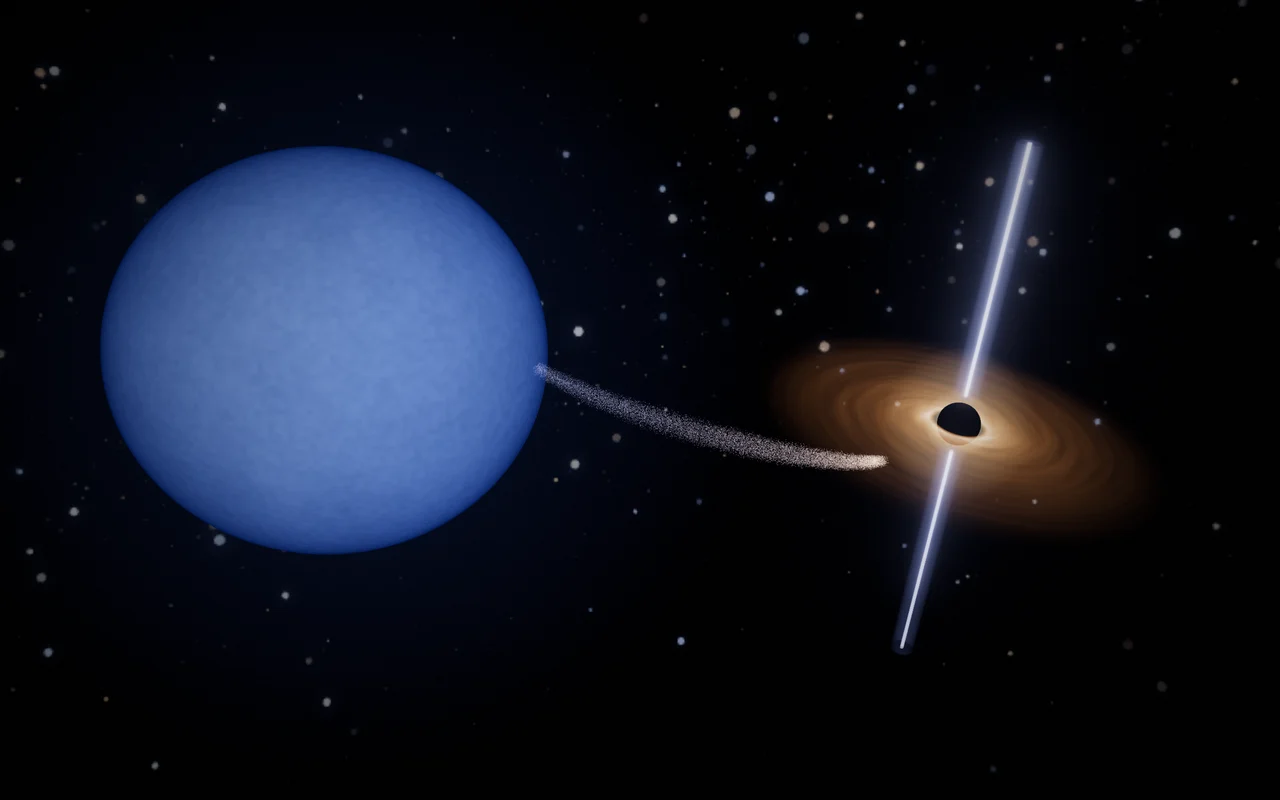
Cygnus X-1, the first black hole ever found, is much heavier than thought
New measurements show the Cygnus X-1 black hole weighs 21 times the Sun — nearly 50% more than earlier estimates. It lies 7,200 light years away, paired with a giant blue star.
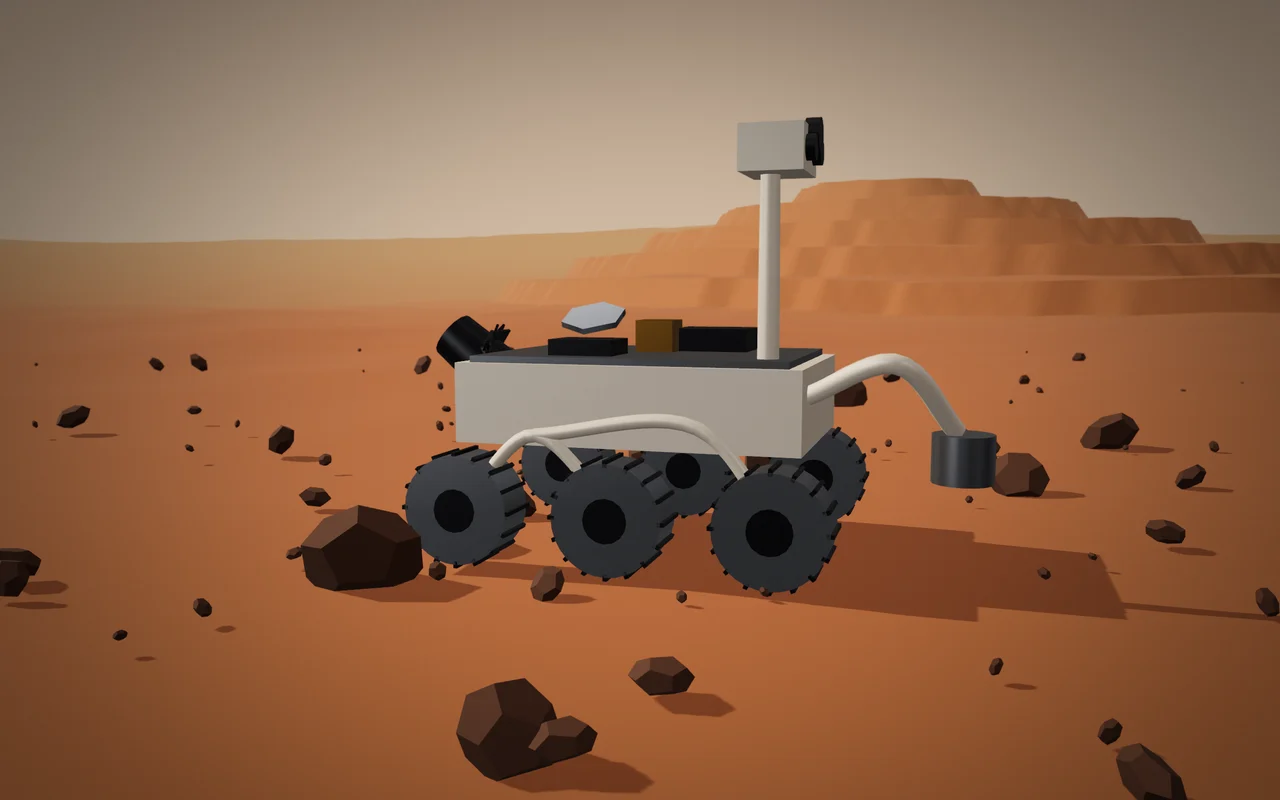
Perseverance lands in Jezero Crater, site of an ancient lake
NASA's most sophisticated rover touched down on Mars using a 'sky crane'. Its job: search for signs of ancient microbial life and collect rock samples for future return to Earth.
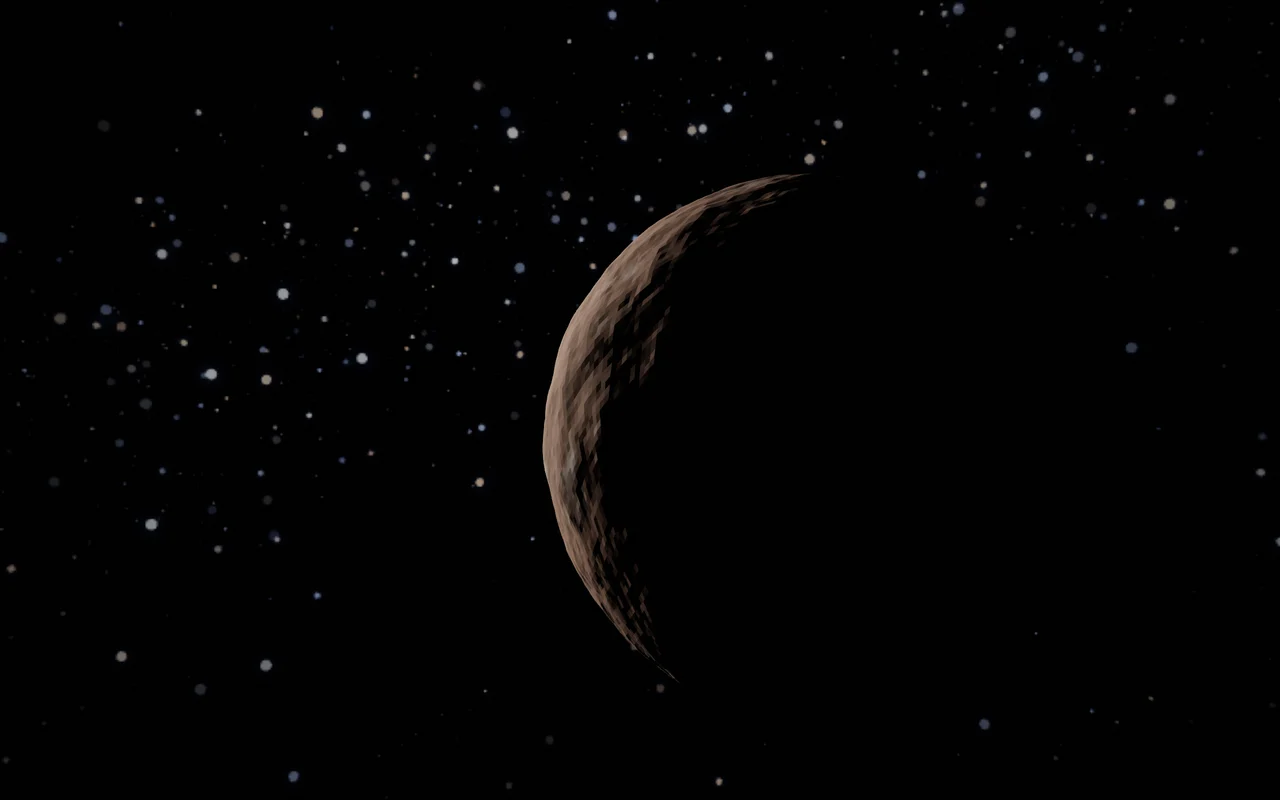
Farfarout confirmed as the most distant object in the solar system
Astronomers confirmed that a faint object found in 2018 lies 132 astronomical units from the Sun — 132 times farther than Earth and almost four times farther than Pluto. It is nicknamed Farfarout.
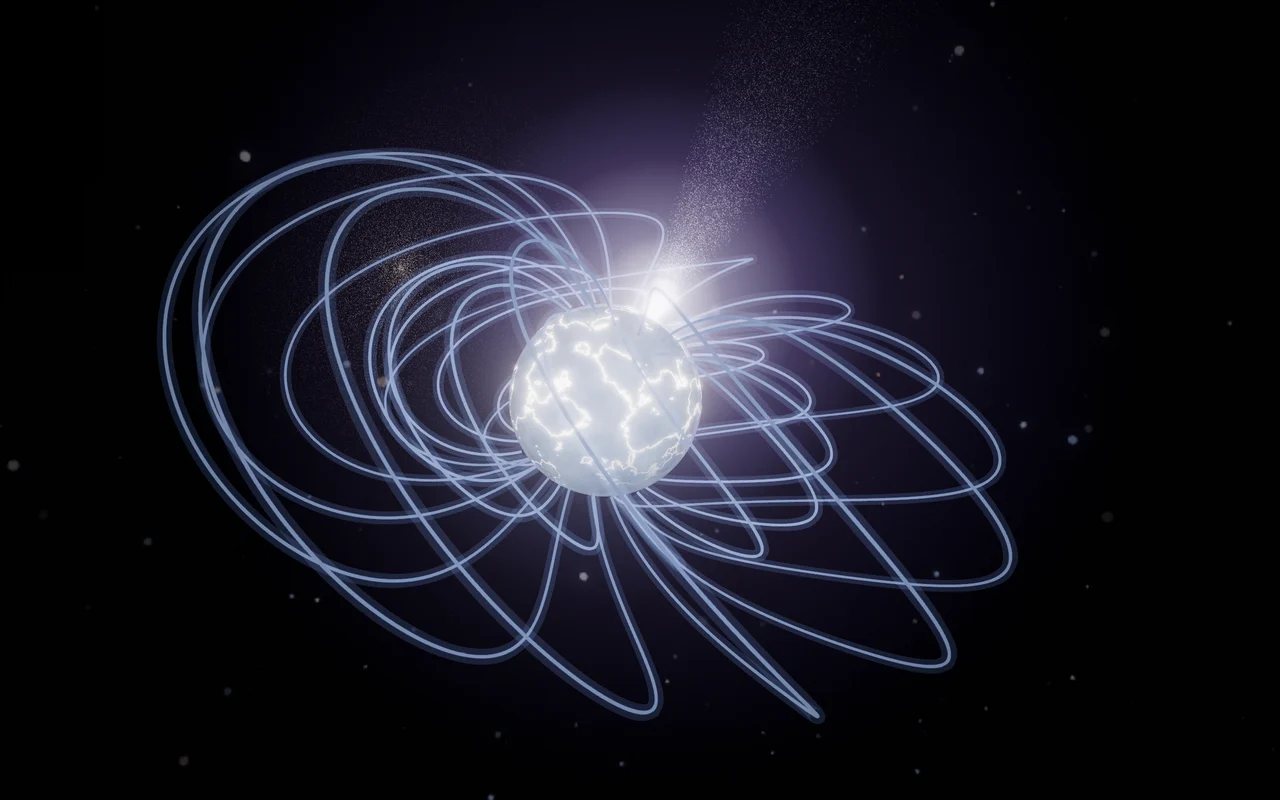
A magnetar's giant flare pinned to a neighbouring galaxy
On 15 April 2020 a powerful pulse of gamma rays lasting about a tenth of a second swept through the solar system. Analysis showed it came from a magnetar — a neutron star with the strongest magnetic field known — in the galaxy NGC 253, 11.4 million light years away.
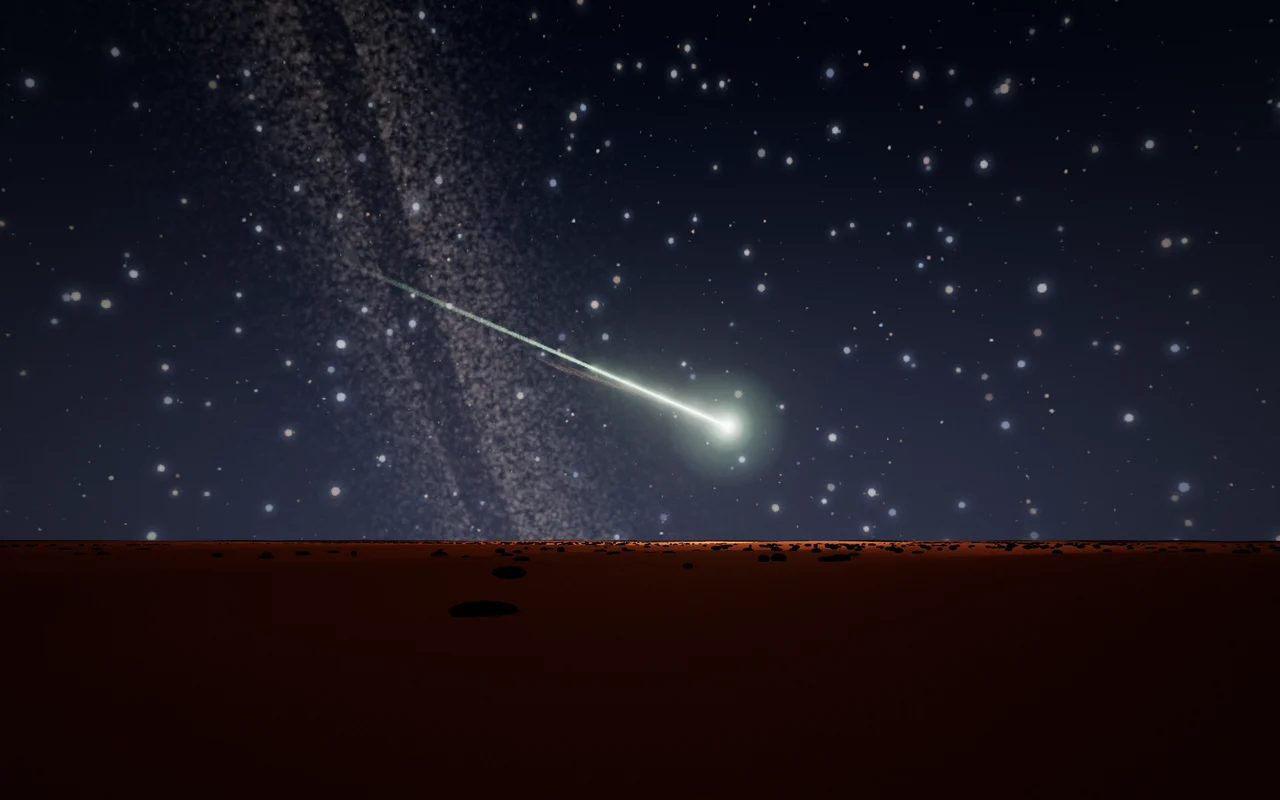
Hayabusa2 brings home samples from asteroid Ryugu
A capsule dropped by Japan's Hayabusa2 probe landed in the Australian desert carrying 5.4 grams of black soil from asteroid Ryugu — 54 times the mission's goal — including material from beneath the asteroid's surface.
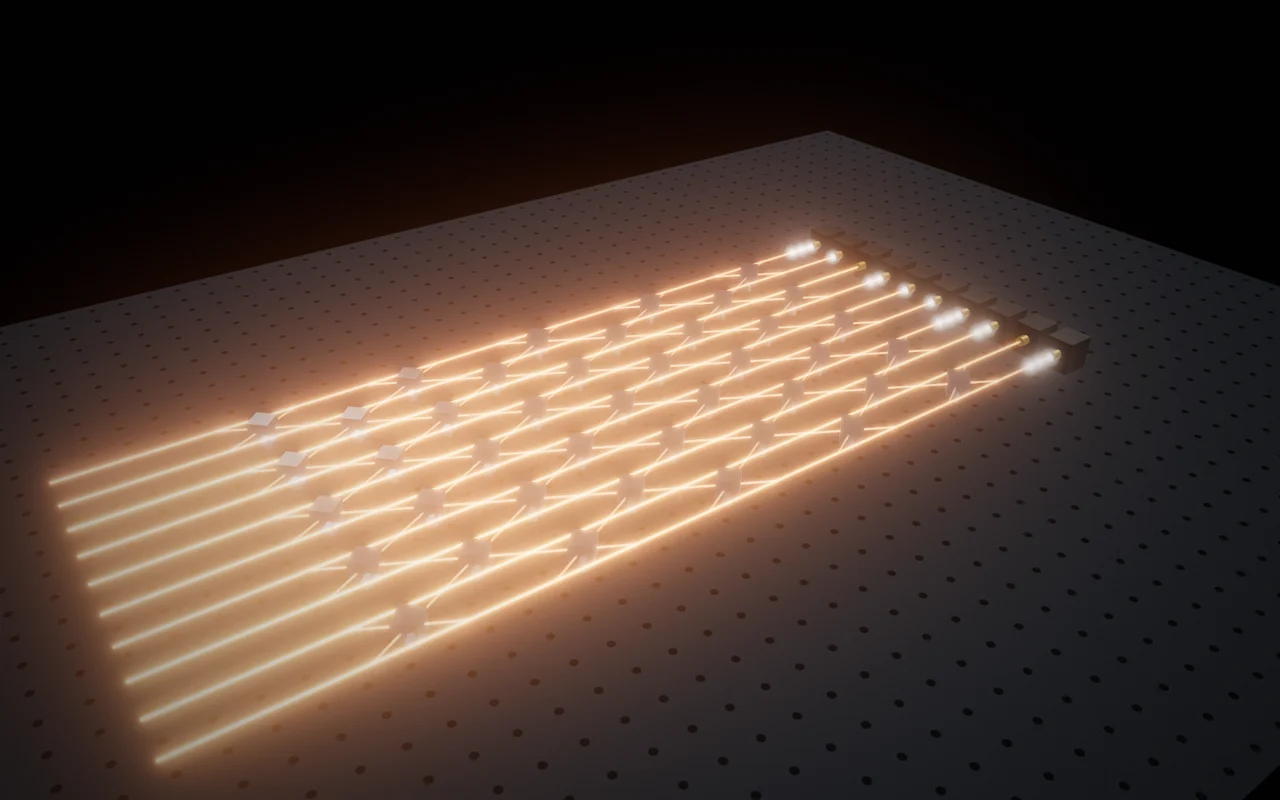
Jiuzhang: a light-based quantum computer outpaces supercomputers
Chinese physicists' Jiuzhang quantum computer completed a special task in 200 seconds that would take the world's fastest supercomputer about 600 million years — the second demonstration of quantum advantage after Google's, and the first using particles of light.
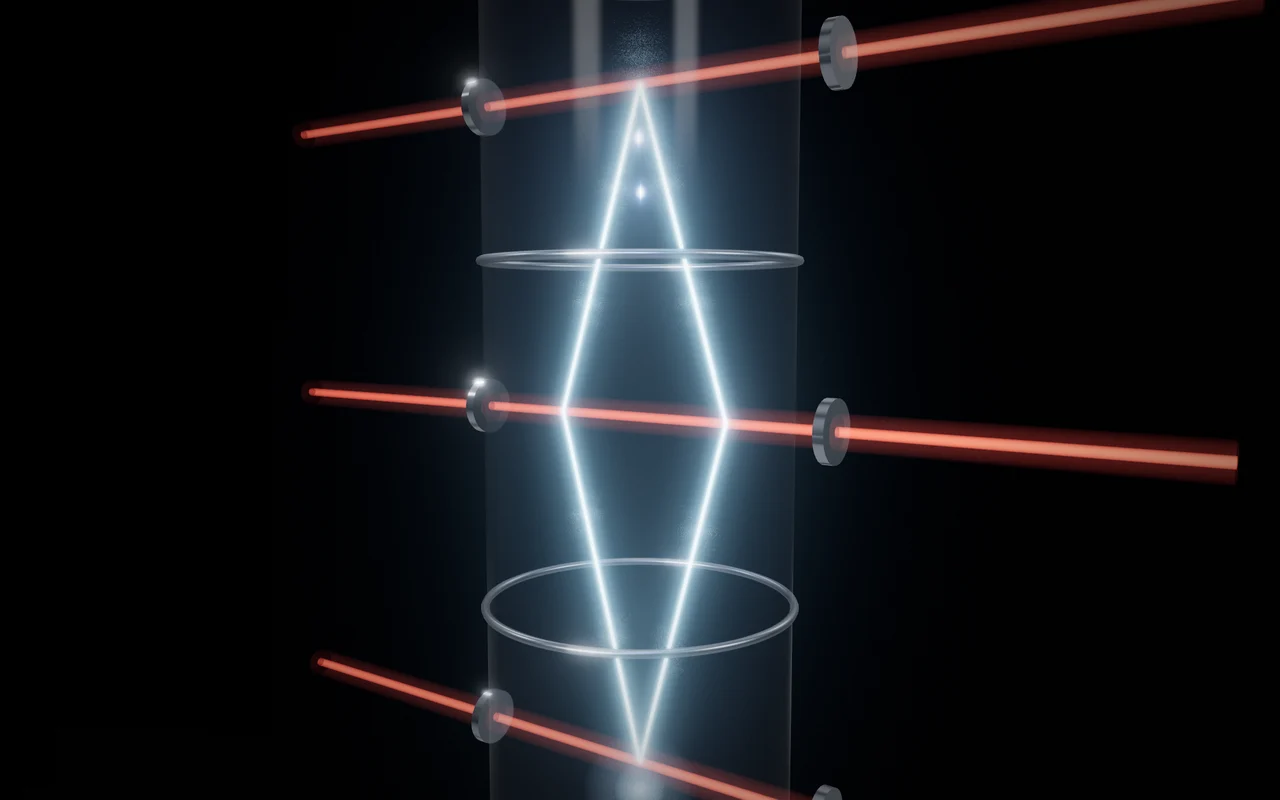
The fine-structure constant is measured more precisely than ever
Physicists in Paris measured the fine-structure constant, which sets the strength of electromagnetic forces, to 11 digits: 1/137.035999206. The uncertainty is just 81 parts per trillion, nearly three times better than the previous best.
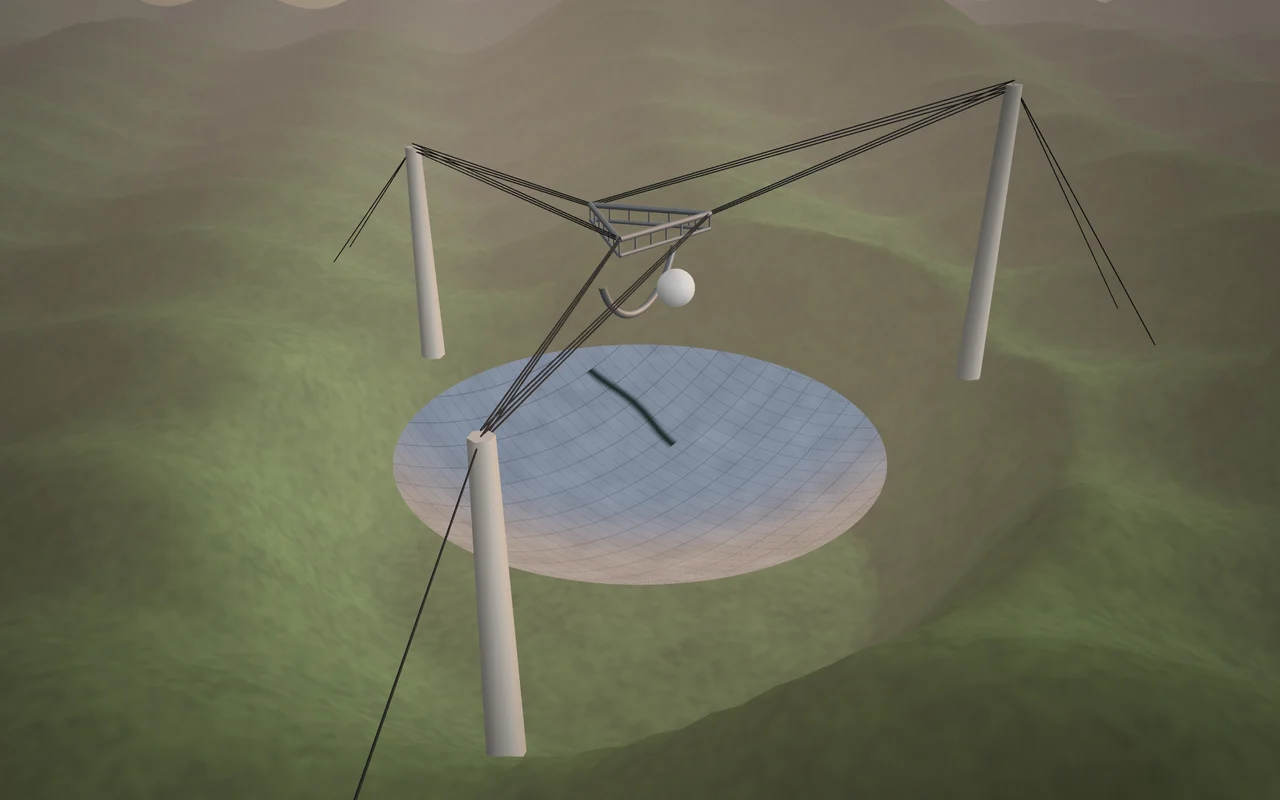
The legendary Arecibo radio telescope collapses
The 900-tonne platform suspended on cables above the 305-metre dish of the Arecibo radio telescope in Puerto Rico crashed onto it, destroying an instrument that had served science for 57 years and was the world's largest single-dish radio telescope for 53 of them.
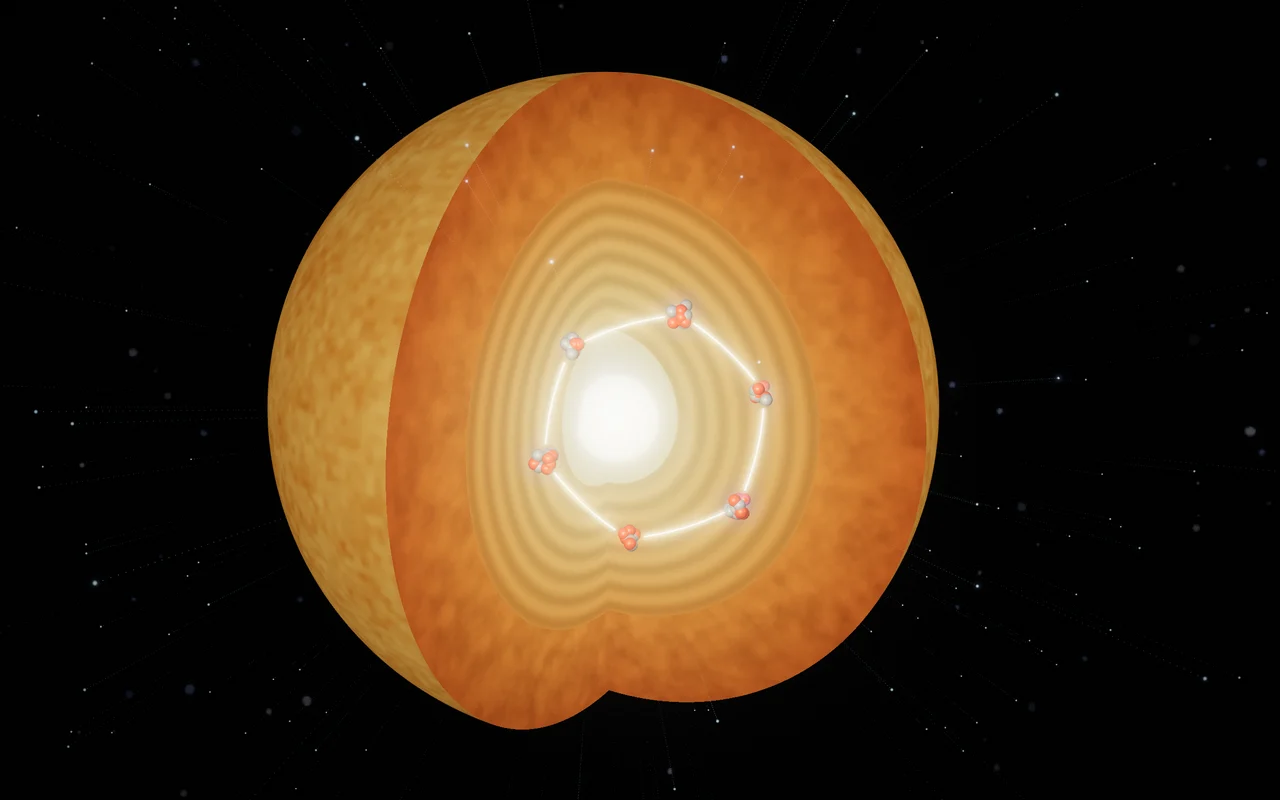
Borexino catches neutrinos from the Sun's CNO cycle
Italy's Borexino detector recorded for the first time neutrinos from the Sun's second, rarer energy source — the CNO cycle. It supplies only 1% of the Sun's energy but is the main source in heavier stars.
Water found on the sunlit surface of the Moon
NASA's airborne SOFIA telescope showed for the first time, unambiguously, that water molecules exist on the Moon's sunlit surface. In Clavius crater each cubic metre of soil holds roughly a bottle's worth of water.
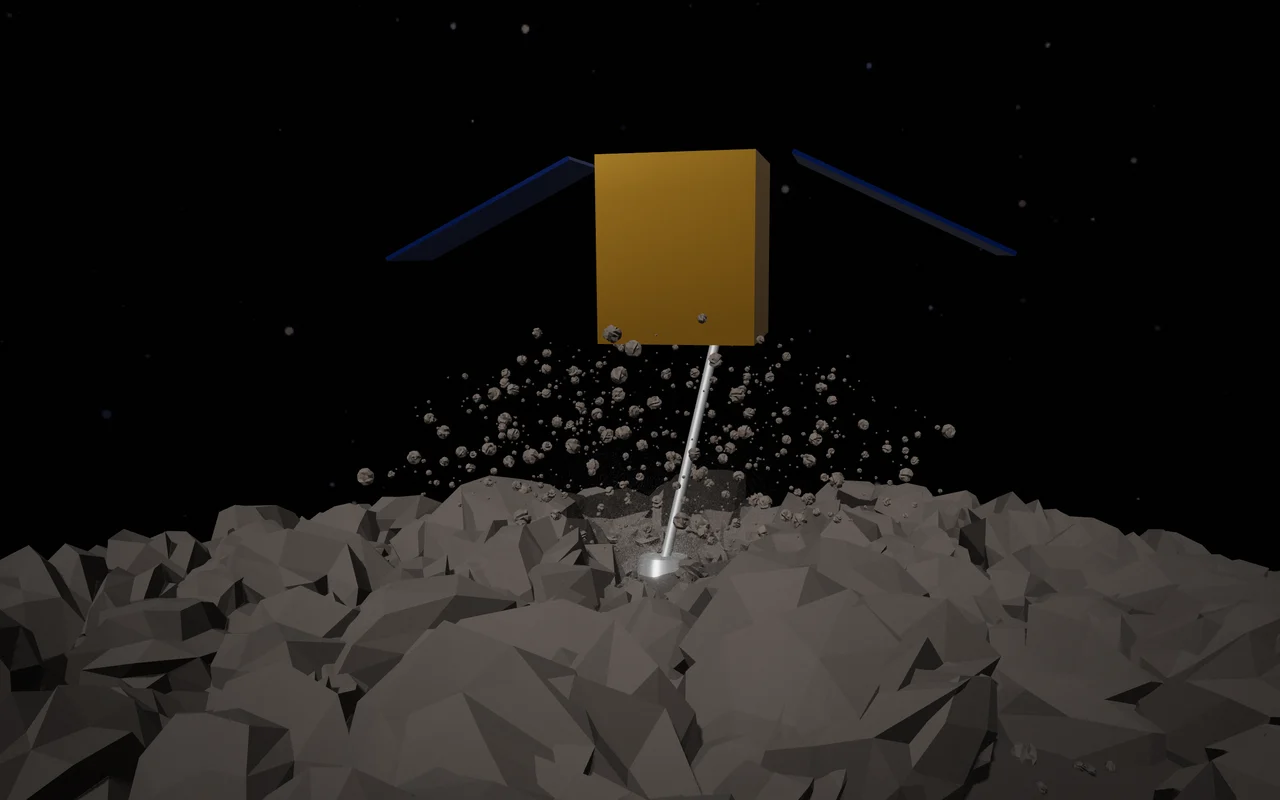
OSIRIS-REx touches asteroid Bennu and grabs a sample
NASA's OSIRIS-REx probe touched asteroid Bennu, 320 million km from Earth, for six seconds and collected a sample of its soil — so much that the container's lid jammed open and particles began spilling out.
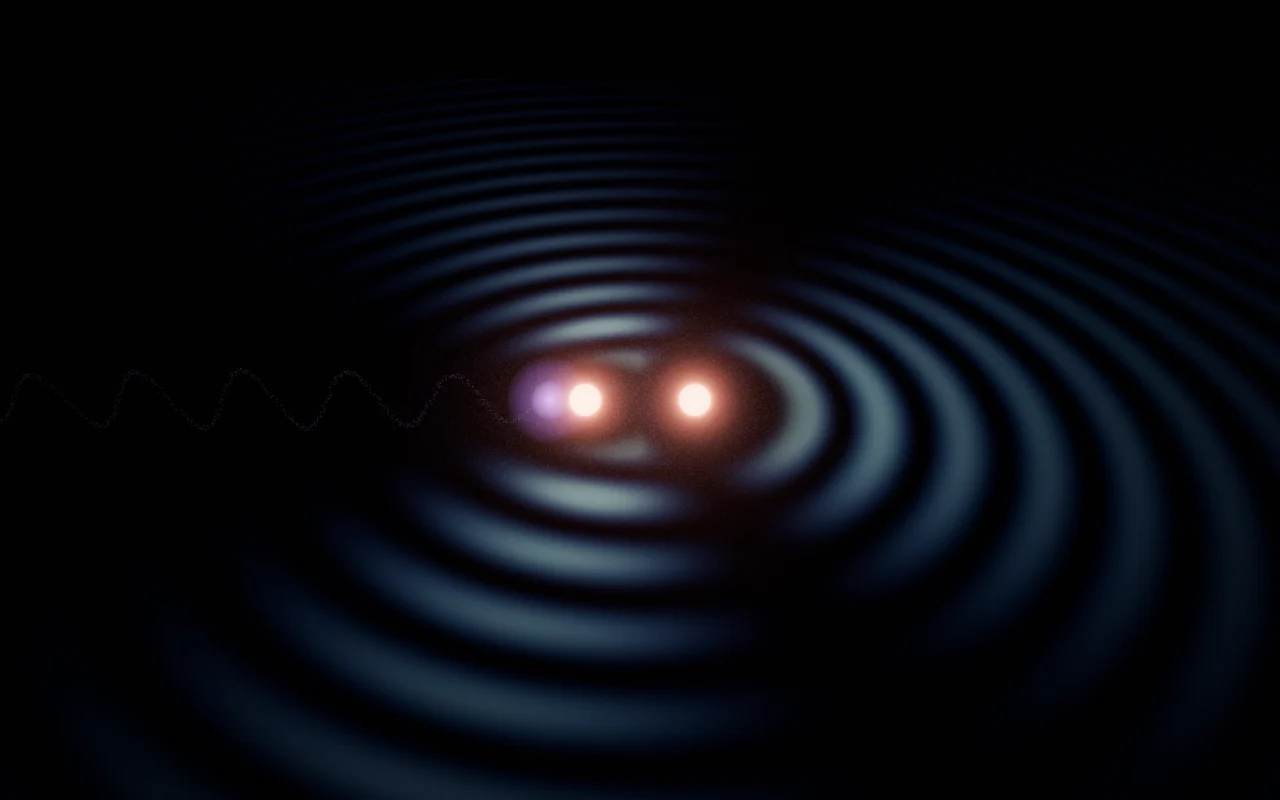
The shortest time ever measured: 247 zeptoseconds
German physicists measured how long a photon takes to cross a hydrogen molecule: about 247 zeptoseconds. A zeptosecond is a trillionth of a billionth of a second — the shortest time span ever measured.
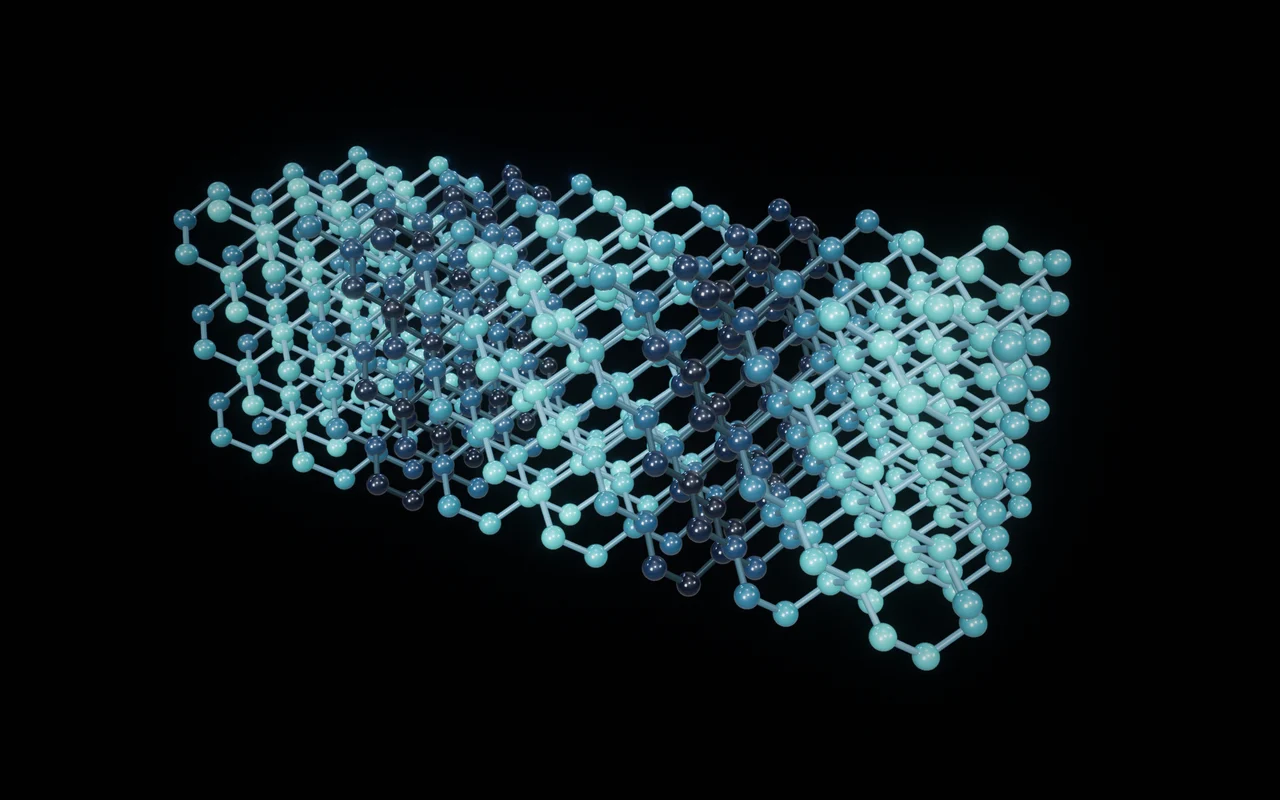
The upper limit to the speed of sound is calculated
Physicists calculated that sound cannot travel faster than about 36 km/s through solids or liquids — roughly twice its speed in diamond — a limit set by two fundamental constants of nature.
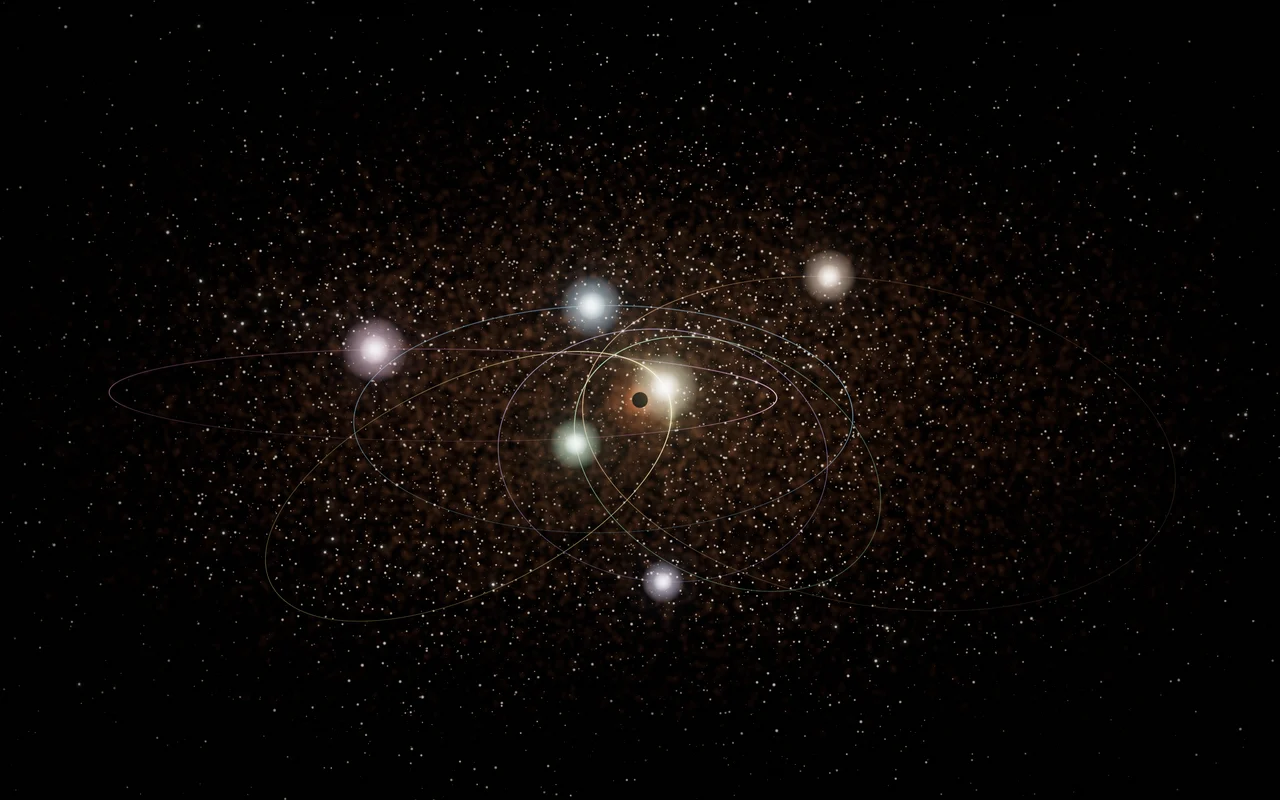
2020 Nobel Prize: black holes
Half of the Nobel Prize in Physics went to Roger Penrose, who proved that black holes follow inevitably from Einstein's theory. The other half went to Reinhard Genzel and Andrea Ghez, who discovered a supermassive unseen object at the centre of the Milky Way.
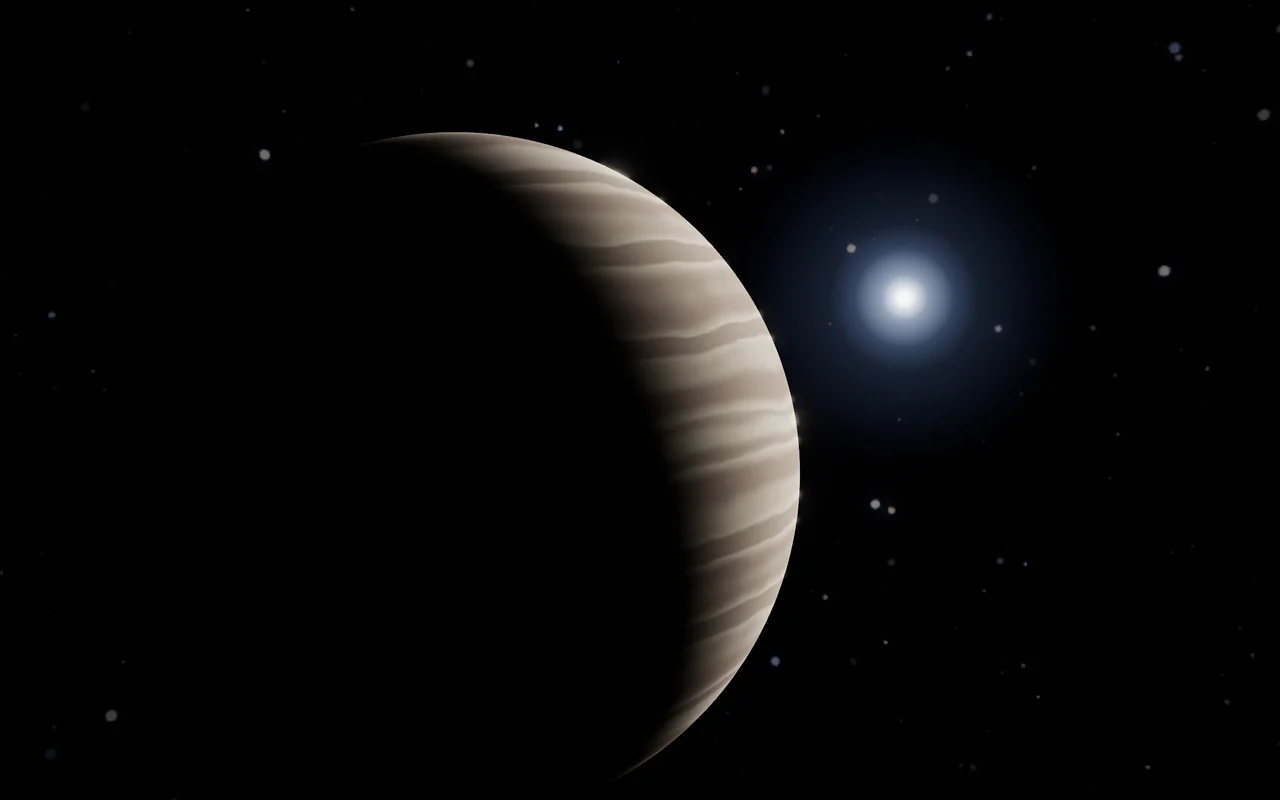
A giant planet found surviving around a dead star
The TESS space telescope found WD 1856 b, a Jupiter-sized planet circling a white dwarf just 40% larger than Earth. The planet is seven times bigger than its star and orbits it every 34 hours.
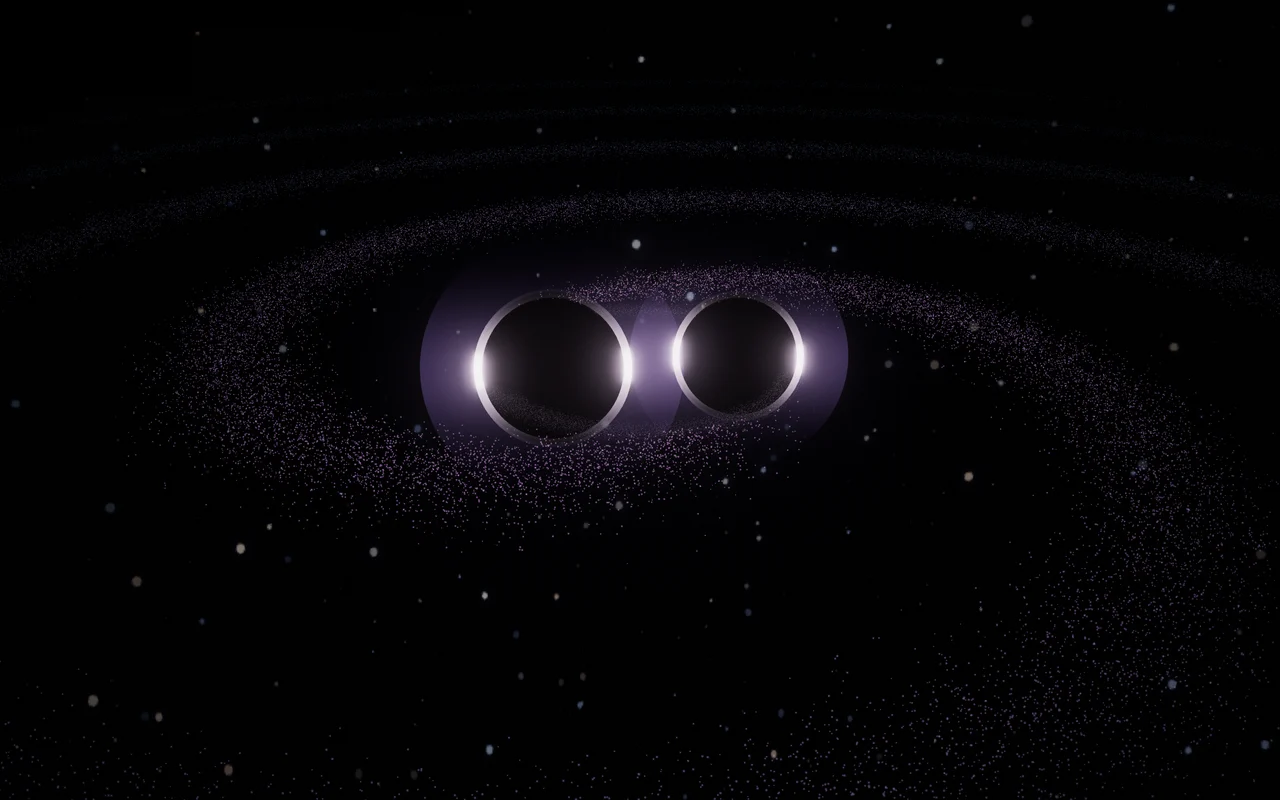
GW190521: the birth of an intermediate-mass black hole is observed
LIGO and Virgo recorded the merger of two black holes of 85 and 66 solar masses, creating one of 142 solar masses — the first clear detection of an 'intermediate-mass' black hole, between 100 and 100,000 solar masses.
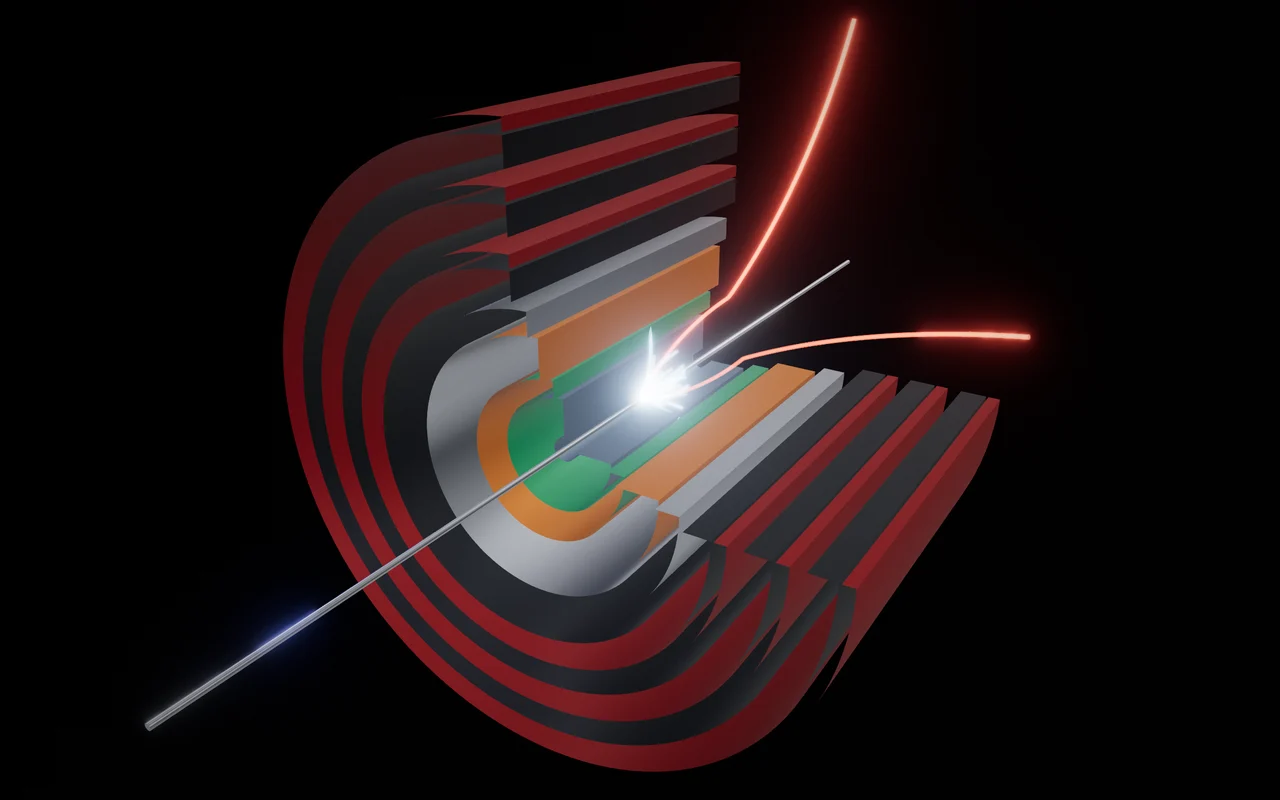
Evidence that the Higgs boson also decays into muons
CERN's CMS and ATLAS experiments reported the first evidence that the Higgs boson decays into two muons — the first sign that it interacts with second-generation particles. The decay is very rare: about one Higgs boson in 5,000.
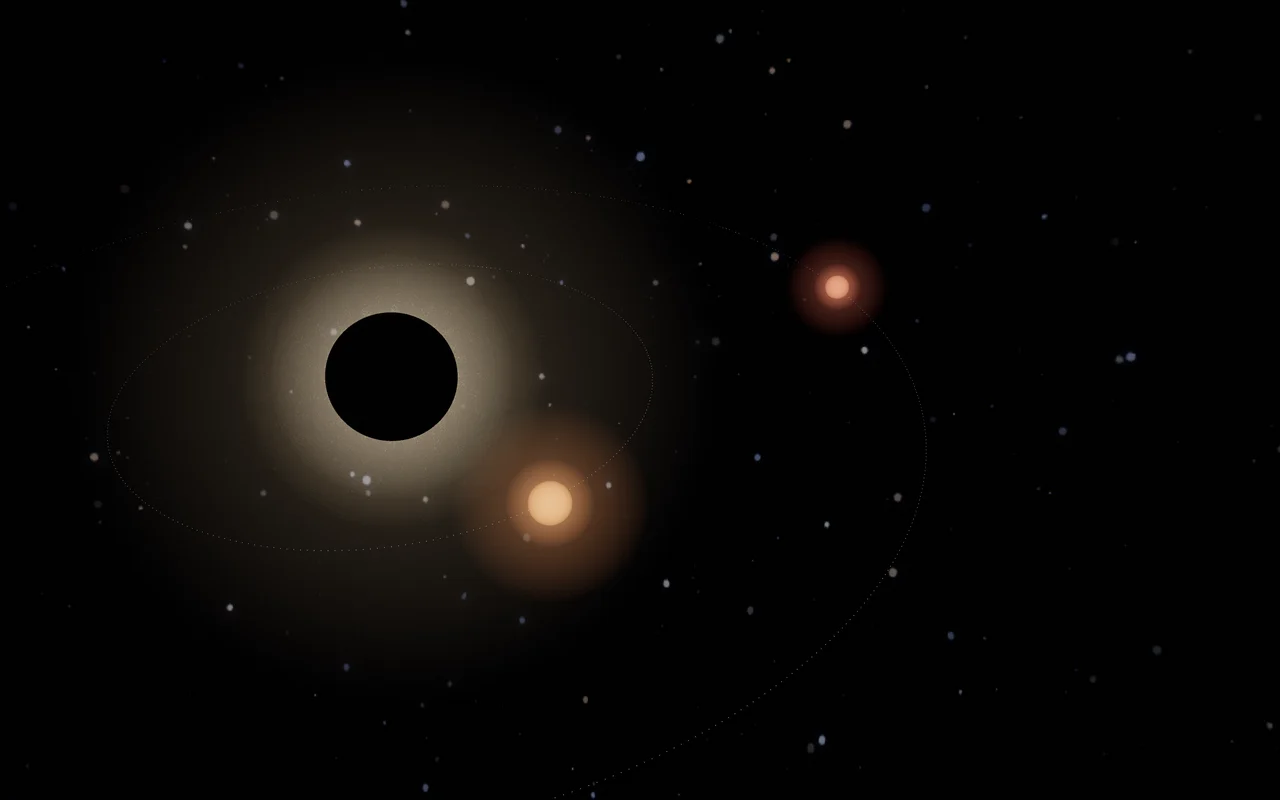
First picture of two planets around a Sun-like star
The Very Large Telescope in Chile directly photographed two giant gas planets around TYC 8998-760-1, a young star like the Sun. Previously only single planets had been imaged this way around Sun-like stars.
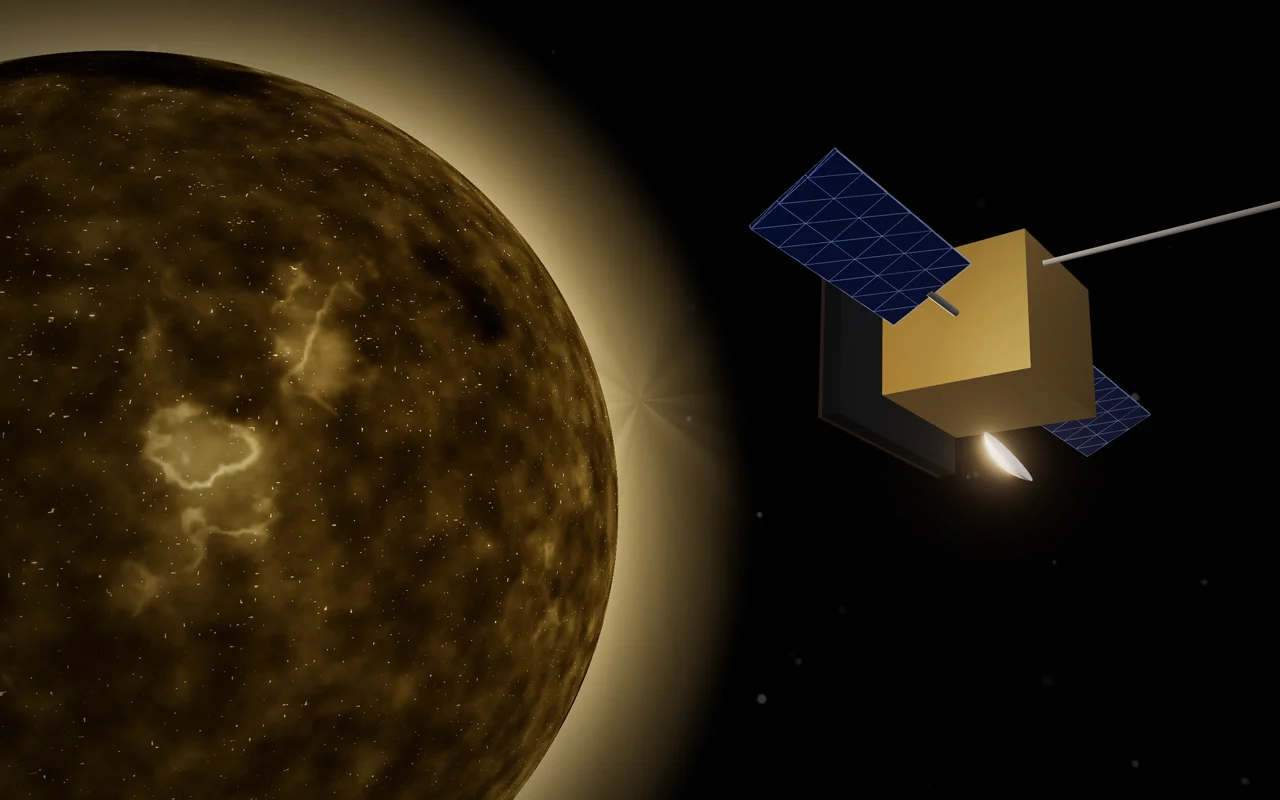
Solar Orbiter spots tiny 'campfires' on the Sun
The European–American Solar Orbiter probe sent back the closest pictures of the Sun taken up to then, revealing countless tiny flares all over its surface. Scientists dubbed them 'campfires' — millions to billions of times smaller than the flares seen from Earth.
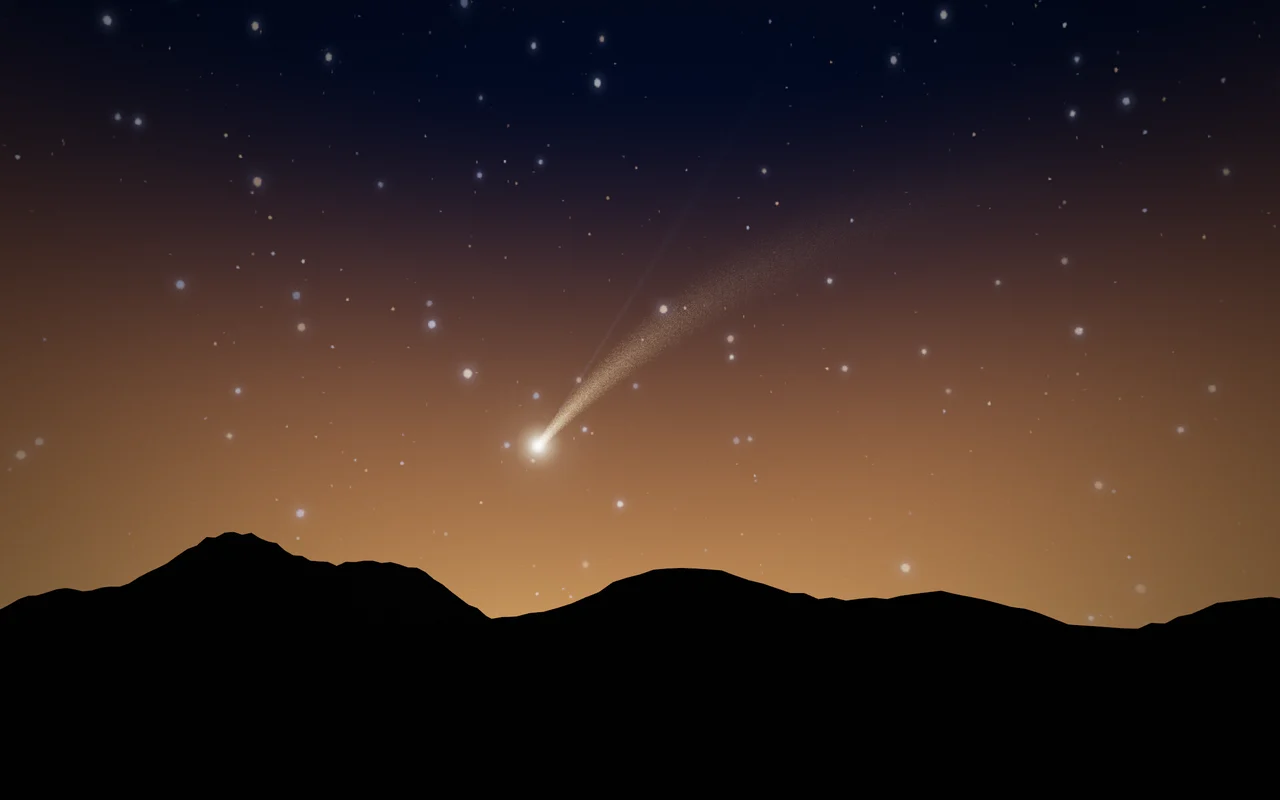
Comet NEOWISE becomes visible to the naked eye
In July 2020 the two-tailed comet NEOWISE graced northern evening skies — the brightest comet seen from the north since Hale–Bopp in 1997, and visible to the naked eye from Uzbekistan in the north-west after dusk.
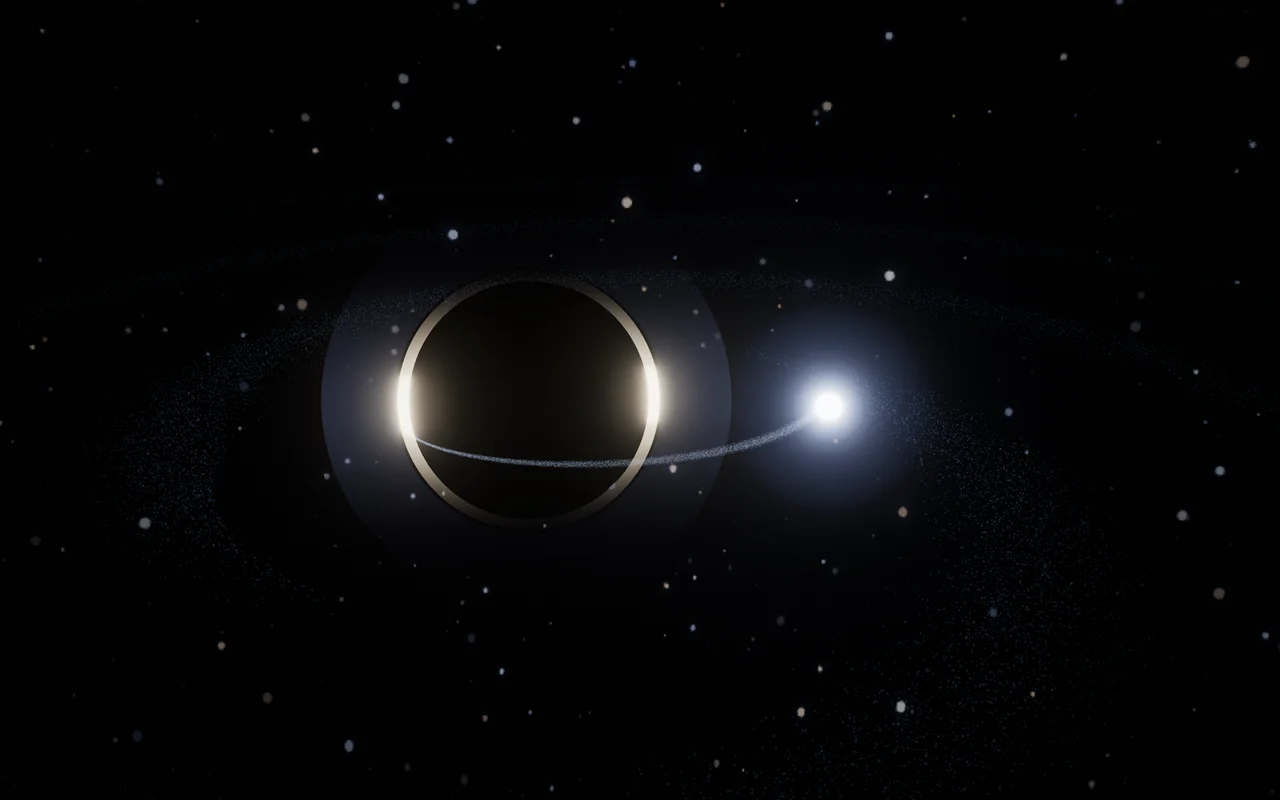
GW190814: a mystery object that fits neither as neutron star nor black hole
The LIGO and Virgo gravitational-wave detectors recorded a 23-solar-mass black hole merging with a 2.6-solar-mass object — heavier than any known neutron star yet lighter than any known black hole. What it was is still a mystery.
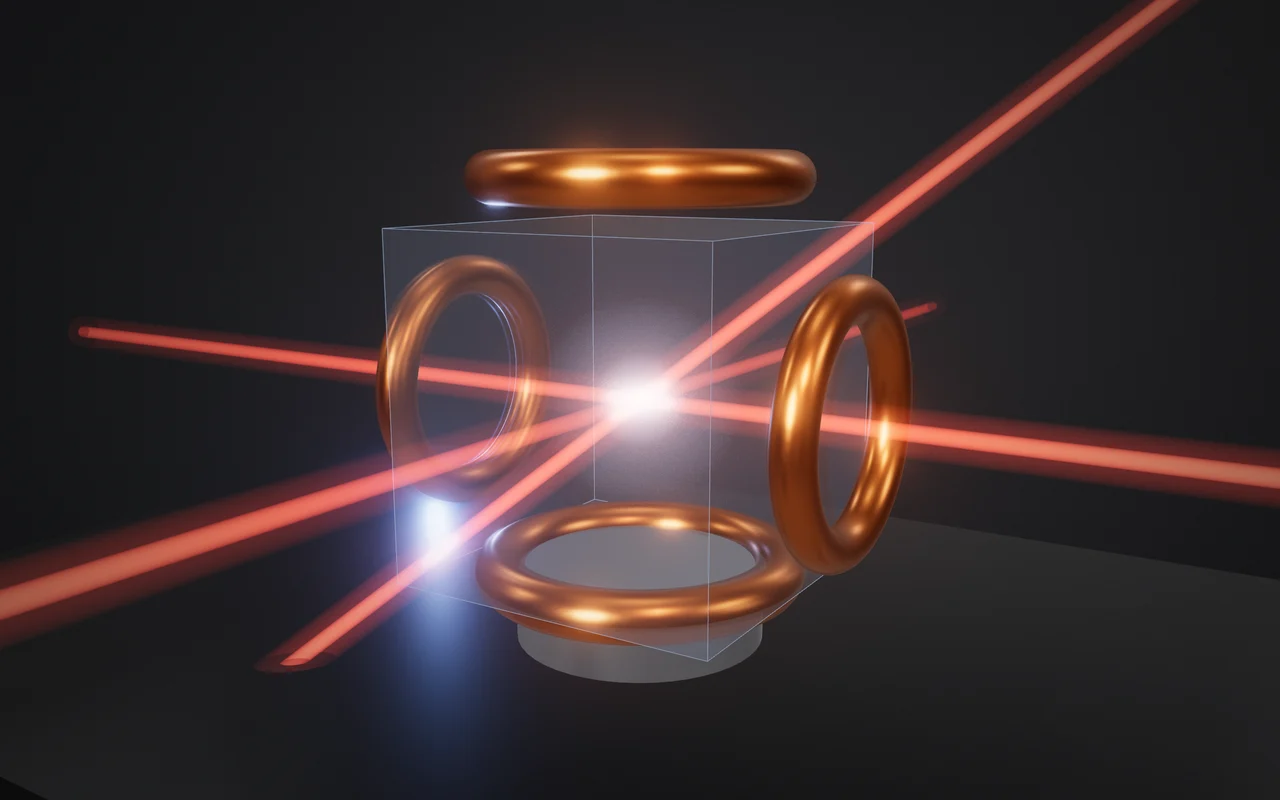
The 'fifth state of matter' is made in space for the first time
The Cold Atom Lab on the International Space Station produced a Bose–Einstein condensate, in which atoms cooled almost to absolute zero act as a single 'super-atom'. In weightlessness it could be watched dozens of times longer than on Earth.
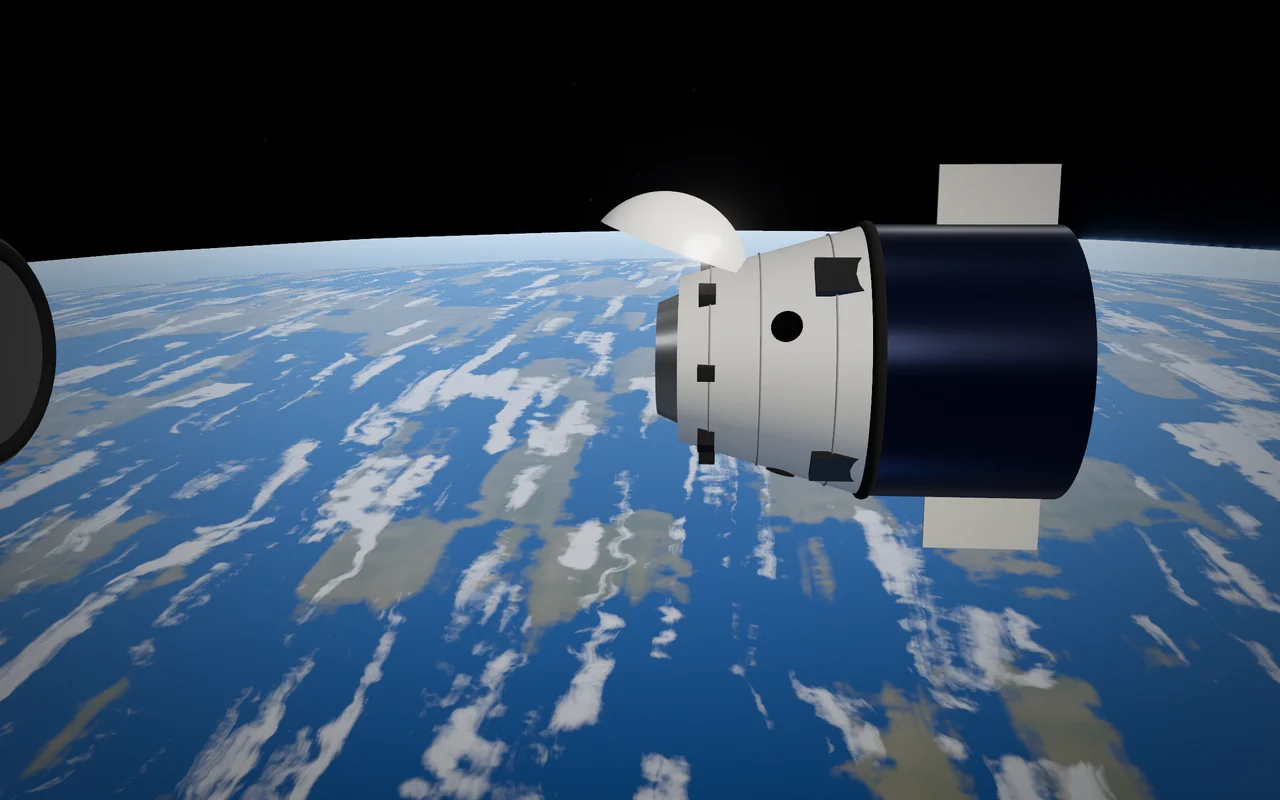
Crew Dragon: the first crewed orbital flight on a private spacecraft
SpaceX's Crew Dragon carried NASA astronauts Bob Behnken and Doug Hurley to the International Space Station — the first time people reached orbit in a spacecraft built and operated by a private company.
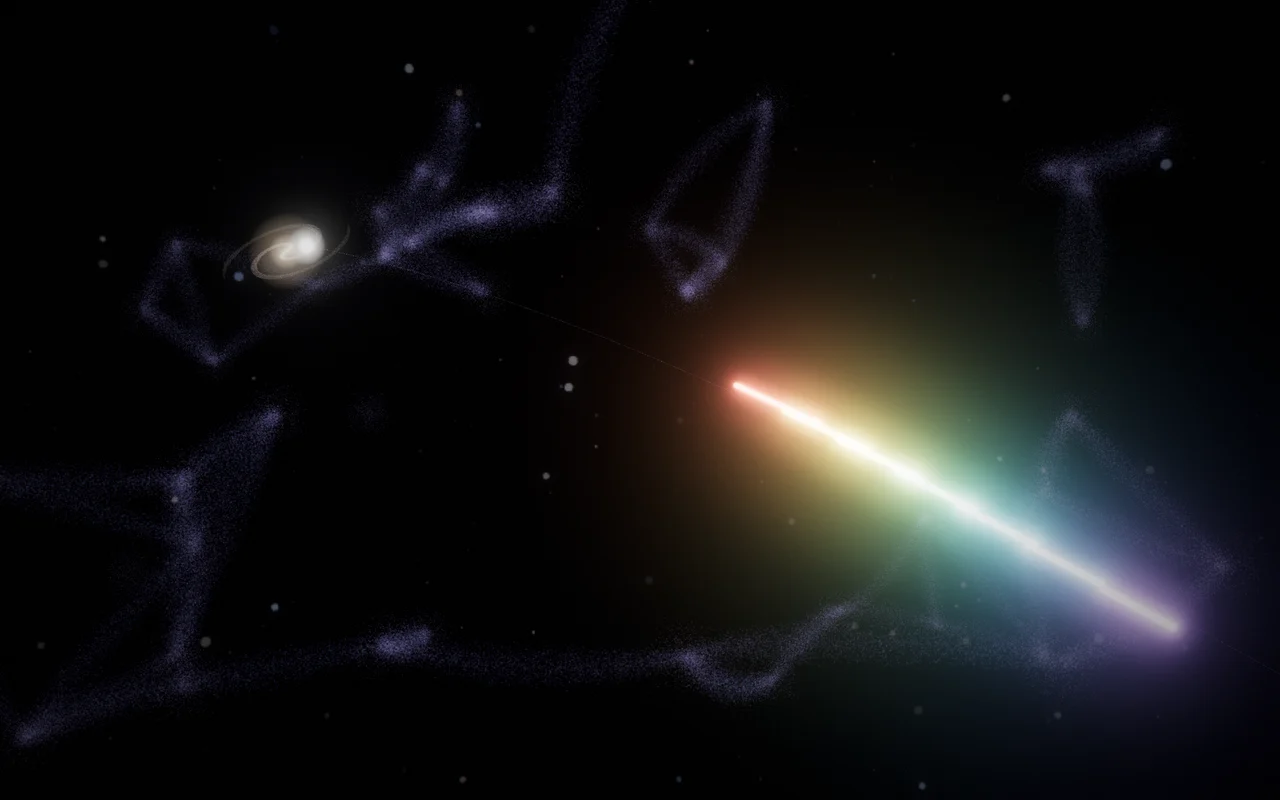
The universe's 'missing' ordinary matter is found using radio bursts
Traces of the Big Bang tell us how much ordinary matter the universe holds, but only half had been found in stars and galaxies. Australian astronomers used fast radio bursts to find the other half in thin gas between galaxies.
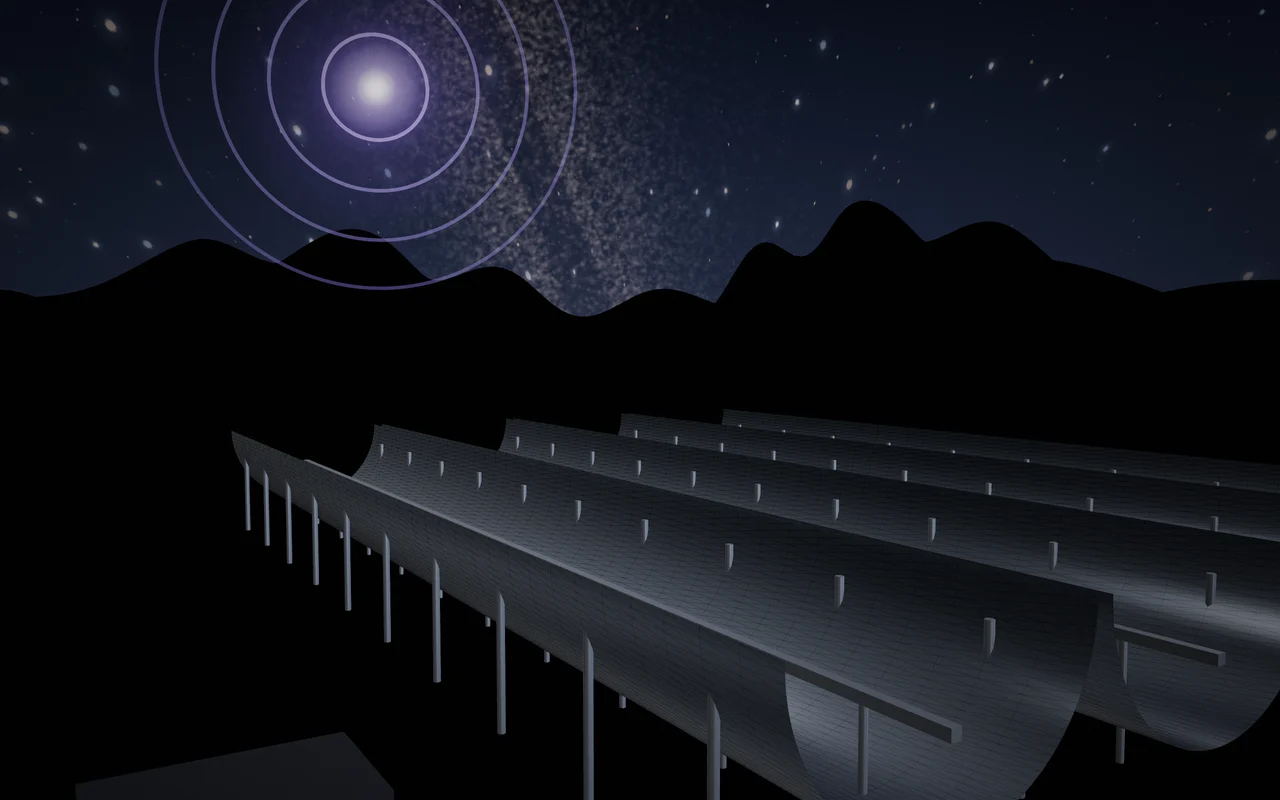
A fast radio burst is caught in our own galaxy for the first time
Fast radio bursts are mysterious millisecond flashes of radio waves that had only ever come from distant galaxies. On 28 April 2020 one came from the magnetar SGR 1935+2154 in the Milky Way — the first solid evidence that magnetars produce them.
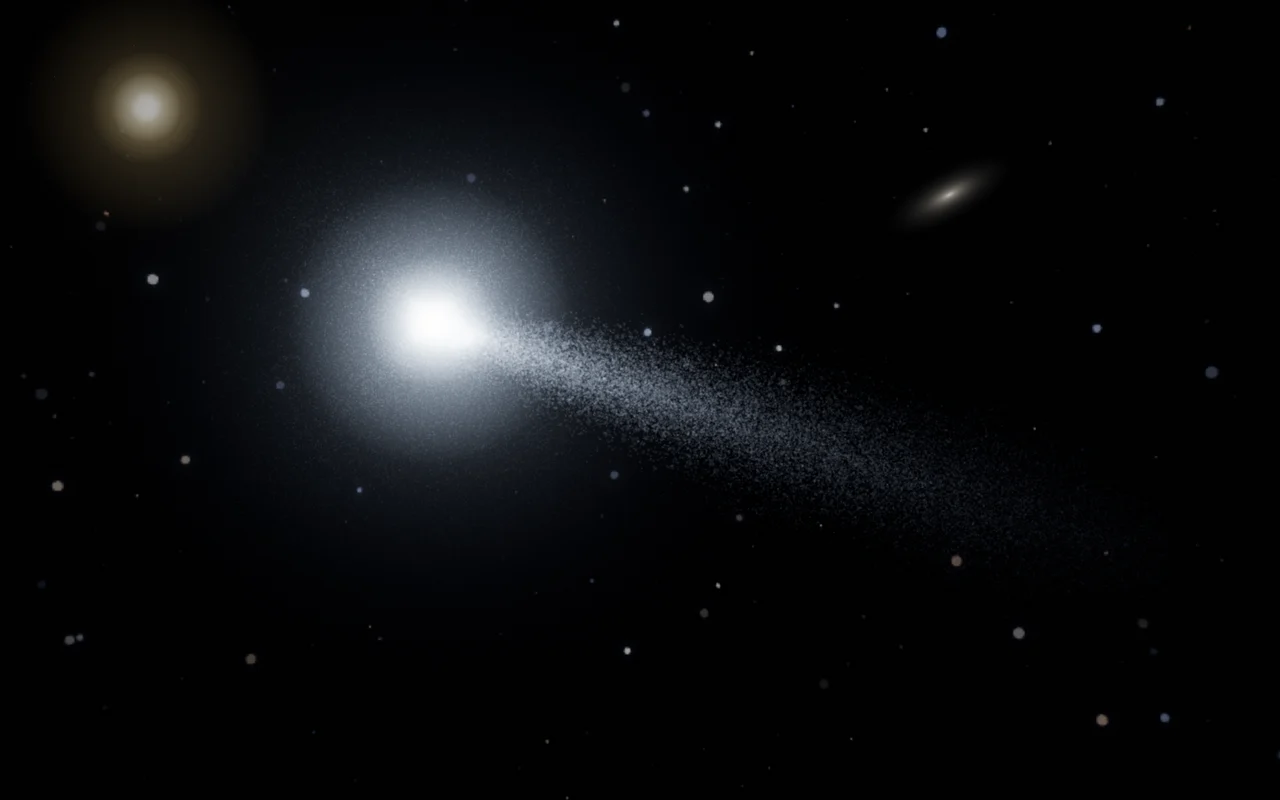
Comet Borisov: a first look at the make-up of another star system
The Hubble and ALMA telescopes studied comet Borisov, a visitor from another star system, and found it holds several times more carbon monoxide than comets of our own — a sign it formed somewhere very cold, perhaps around a dim red dwarf.
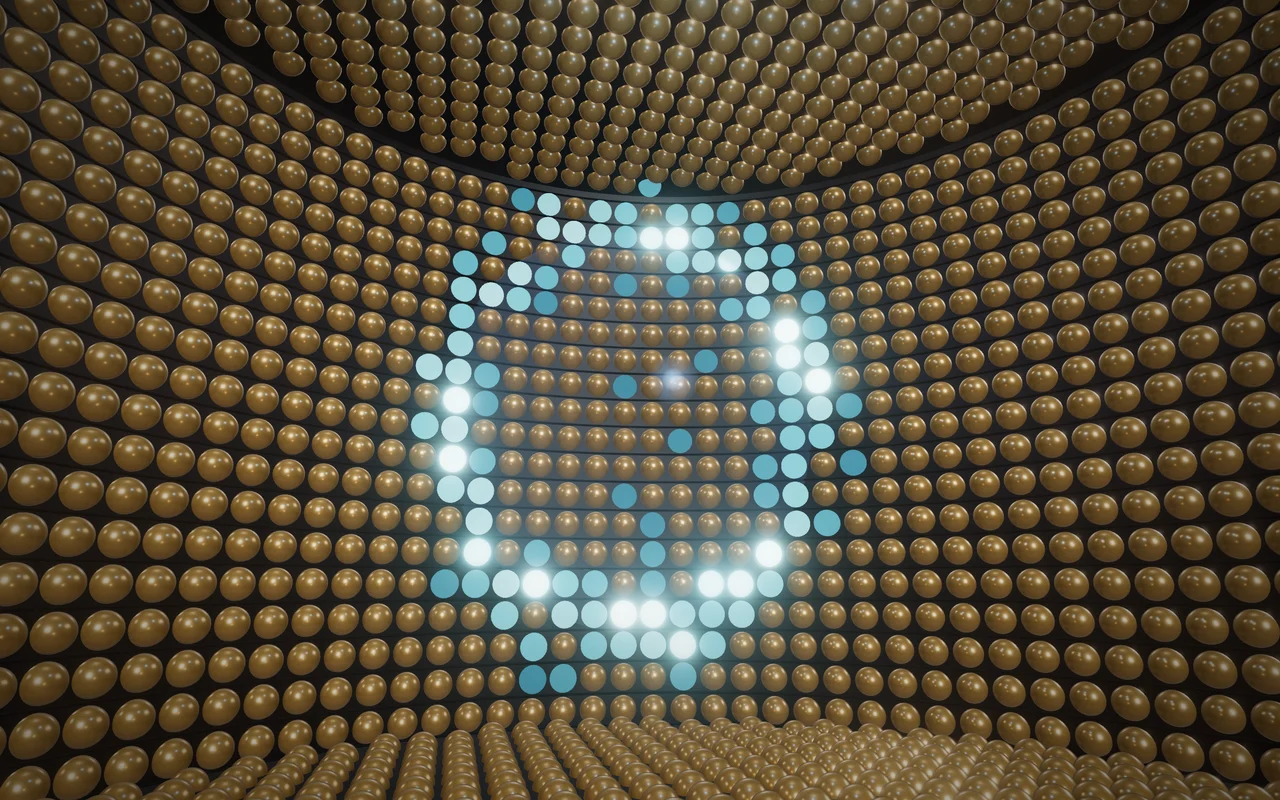
T2K: neutrinos and antineutrinos may behave differently
Japan's T2K experiment found the first serious hint that neutrinos and their antiparticles change differently over the same journey — a possible clue to why the universe is made of matter rather than antimatter.
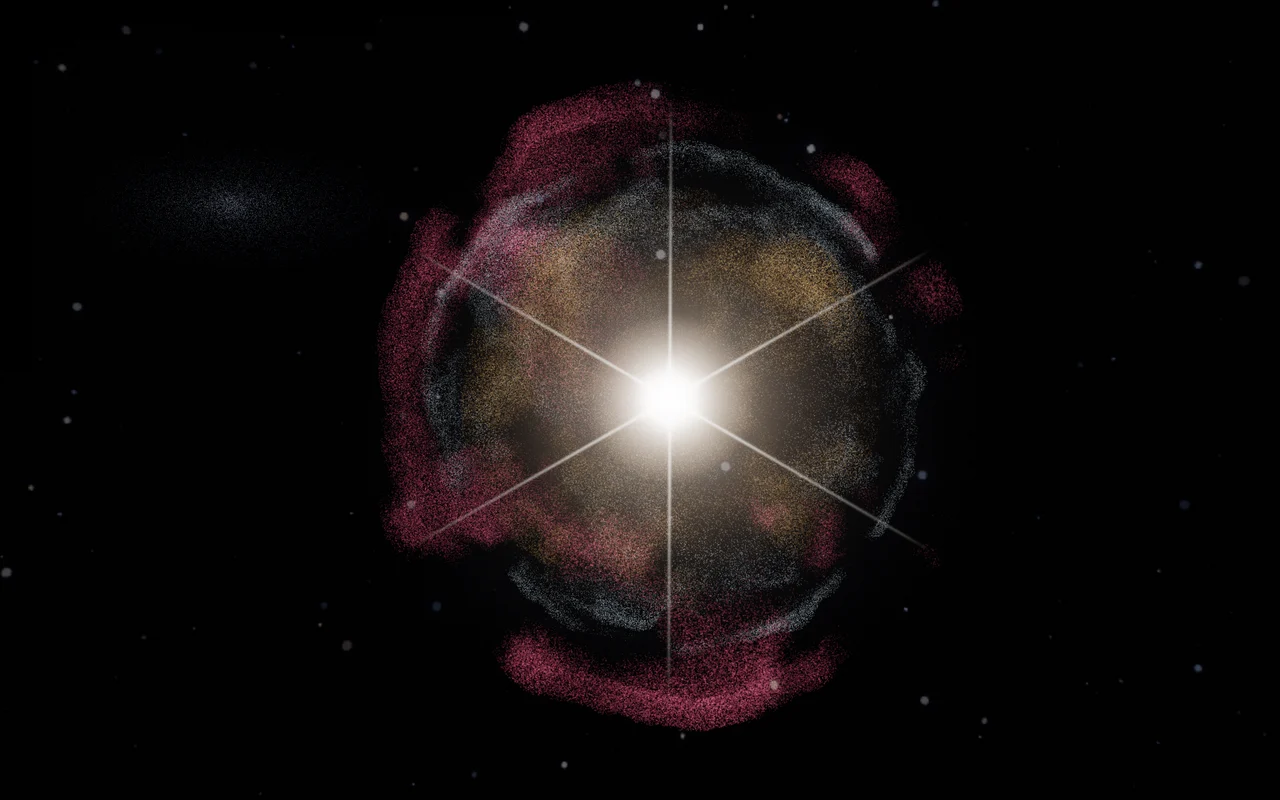
The brightest supernova ever seen — SN 2016aps
Astronomers found that a star that exploded 3.6 billion light years away was at least twice as bright as any supernova seen before. Normally less than 1% of a blast's energy becomes light; here the light alone was five times the total energy of an ordinary supernova.
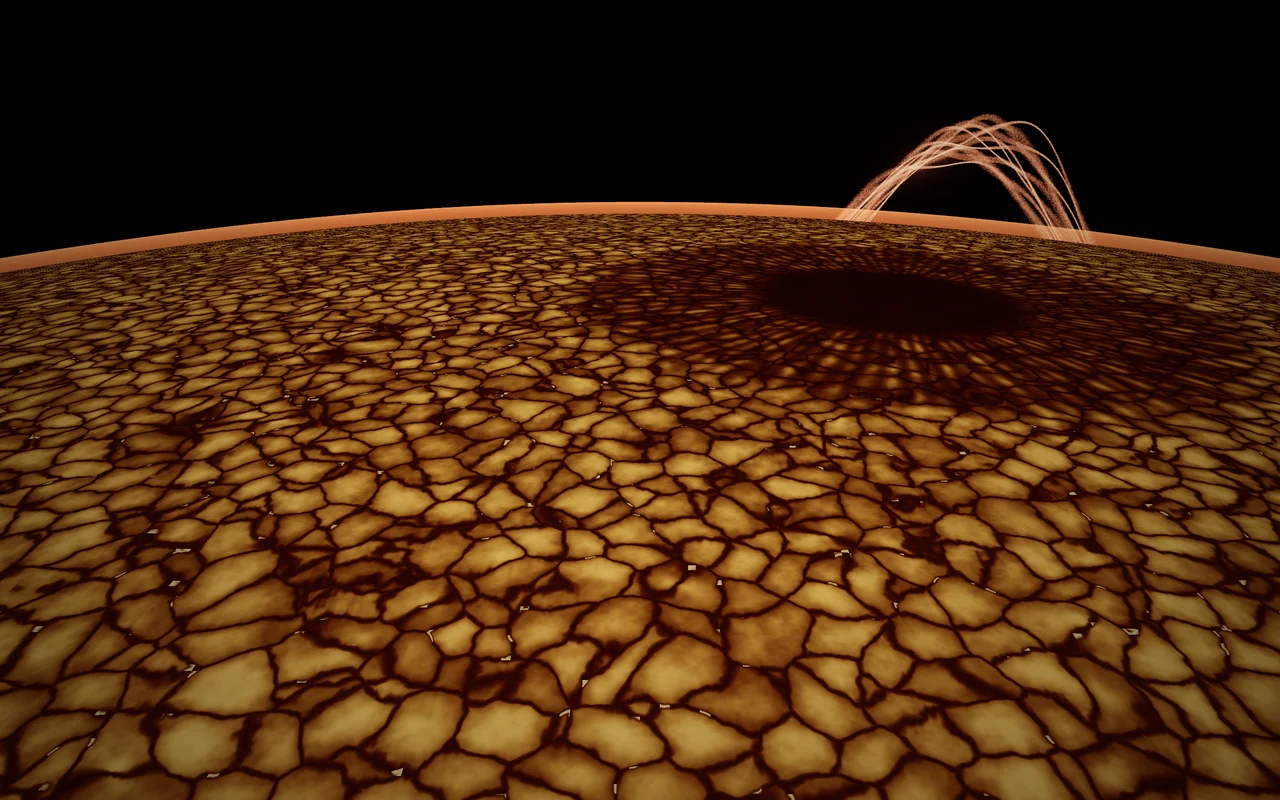
The Inouye telescope takes the sharpest picture of the Sun's surface
The new Daniel K. Inouye Solar Telescope in Hawaii released its first images, showing the Sun's surface broken into 'boiling' cells each the size of Texas, with the smallest visible details just 30 kilometres across.