First image of the black hole at the heart of the Milky Way
The image was revealed on 12 May 2022 at simultaneous press conferences around the world; the data were gathered in April 2017.
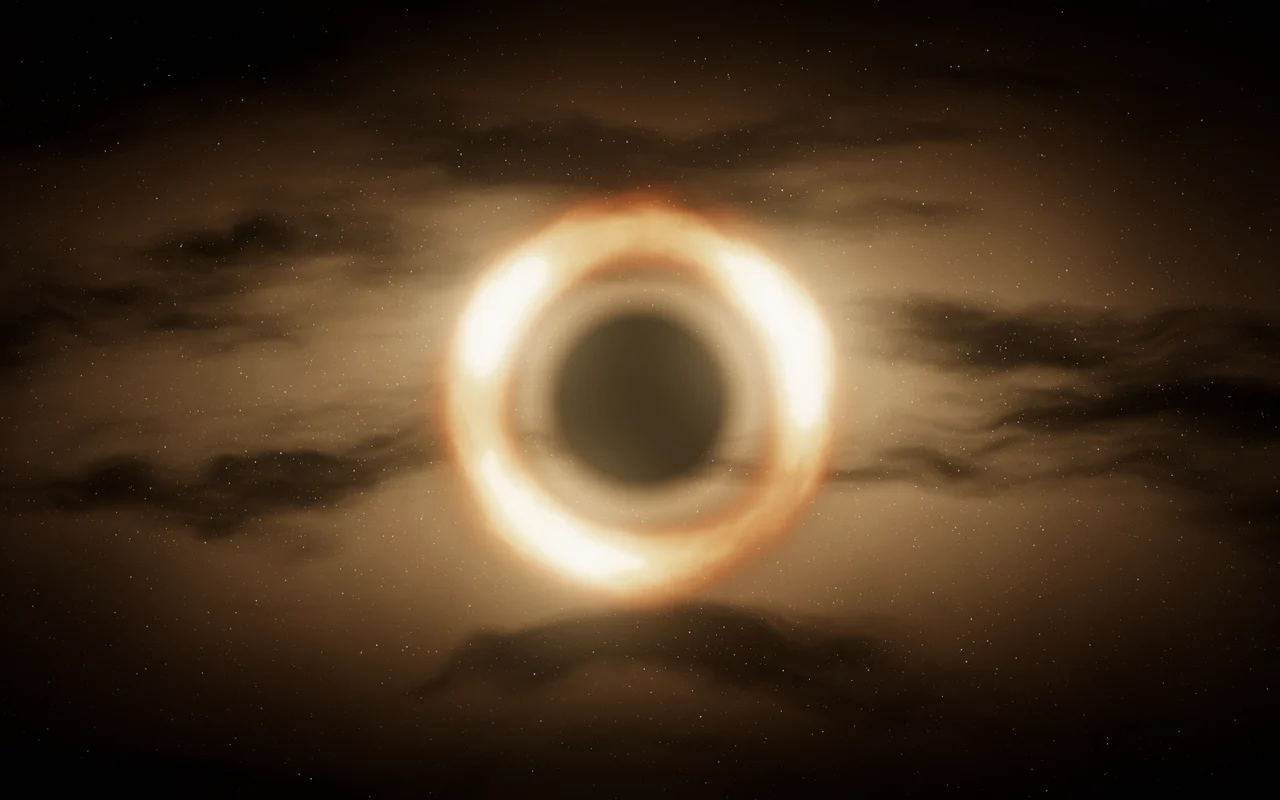
Image: Virtual Lab (3D illustration)
Sagittarius A* (Sgr A*) lies 27,000 light years away and is 4 million times more massive than the Sun. Reinhard Genzel and Andrea Ghez shared the 2020 Nobel Prize for studying the stars that orbit it. Now the object itself has been seen.
A black hole cannot be seen directly because no light escapes it, but hot gas swirling around it glows. Gravity bends that light into a ring around a dark 'shadow' — and the ring's size matched Einstein's predictions remarkably well.
To see something so small, eight radio observatories across the globe were linked into a single Earth-sized telescope. They observed simultaneously, recording signals stamped by atomic clocks, and supercomputers then combined them — a technique called interferometry.
Imaging Sgr A* was much harder than M87*. Sgr A* is over a thousand times smaller, so gas circles it in minutes and the picture changes during an observation. More than 300 researchers from 80 institutes spent five years analysing thousands of images and averaging them into one.
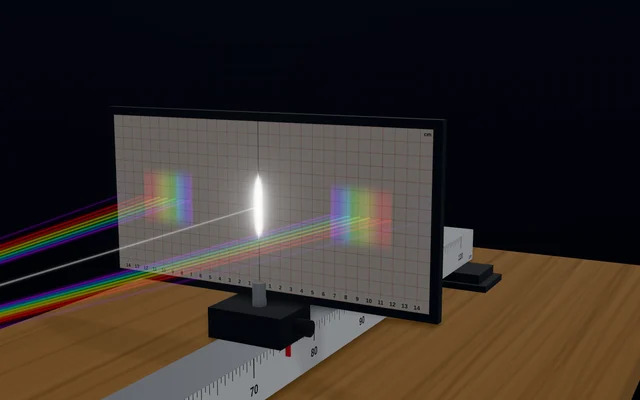 Try it in the labInterference3D lab on this site →Share on Telegram
Sources: ESO · MIT Haystack