Fusion record: plasma held for 22 minutes
On 18 February France's atomic energy commission (CEA) announced a new world record.
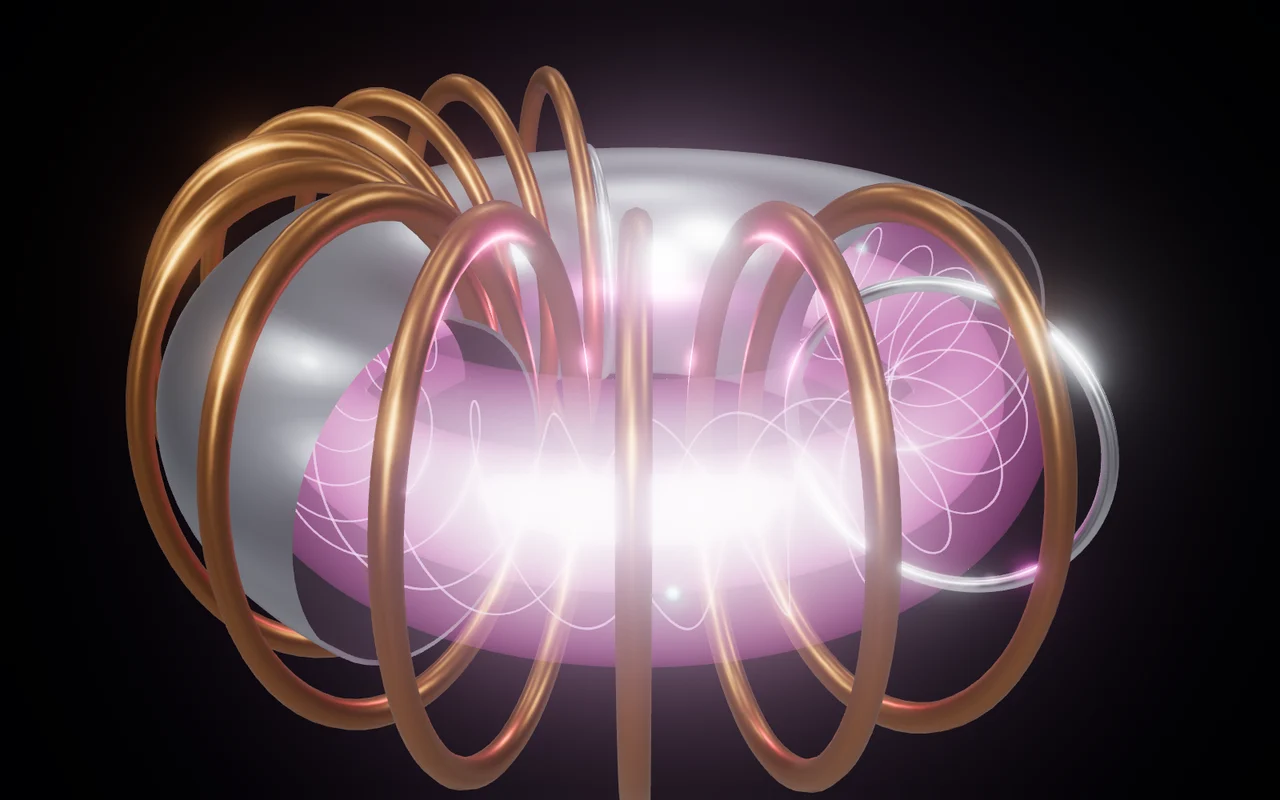
Image: Virtual Lab (3D illustration)
Nuclear fusion powers the Sun: light nuclei merge into heavier ones and release huge amounts of energy. To do this on Earth, hydrogen is heated to millions of degrees and turned into plasma, a gas whose atoms have lost their electrons. No wall can hold such plasma, so it is suspended in a strong magnetic field.
A tokamak holds plasma with magnetic fields inside a doughnut-shaped chamber. On 12 February the WEST tokamak at Cadarache in southern France held a hydrogen plasma for 1,337 seconds, 22 minutes 17 seconds, at about 50 million °C, three times hotter than the Sun's core.
A 2-megawatt radio-frequency antenna heated and stabilised the plasma, and over the whole shot 2.6 gigajoules of energy were injected and removed. The chamber walls facing the plasma are made of tungsten and actively cooled.
The previous record had been set only weeks earlier, on 20 January, by China's EAST tokamak: 1,066 seconds. Such long burns matter for the international ITER reactor under construction, because future fusion power plants will need to hold plasma for hours.
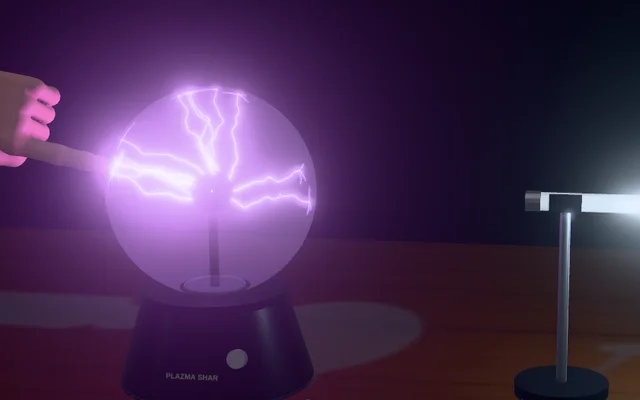 Try it in the labPlasma ball3D lab on this site →Share on Telegram