Mars 'leopard spots' may be the strongest hint of past life yet
The study, led by Joel Hurowitz of Stony Brook University, was published in Nature on 10 September 2025.
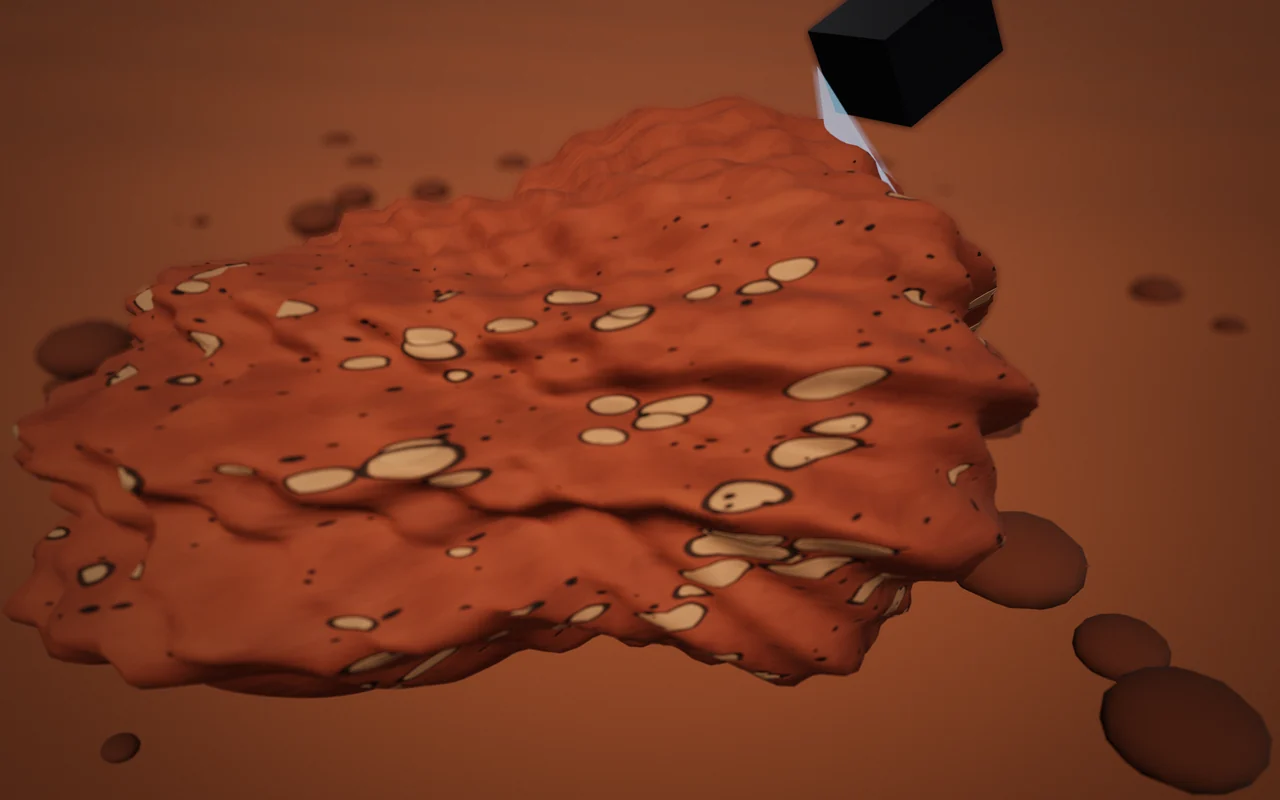
Image: Virtual Lab (3D illustration)
Perseverance has been exploring Jezero crater since 2021; billions of years ago it held a lake. In July 2024, in an ancient river valley called Neretva Vallis, 400 metres wide, the rover found an arrowhead-shaped rock dubbed 'Cheyava Falls'.
About 1 × 0.6 metres in size, the rock is made of fine mud and clay — on Earth, such rocks preserve traces of ancient life well. Its surface bore pale spots with dark rims — 'leopard spots' — and tiny dark specks like poppy seeds.
The rover's PIXL (which maps chemistry using X-rays) and SHERLOC (which hunts for organics) found organic carbon, sulfur, oxidised iron and phosphorus. The spots contained two minerals: the iron phosphate vivianite and the iron sulfide greigite.
On Earth these minerals often form when microbes 'eat' organic matter. They can also form without life, at high temperatures or in acidic conditions — but these rocks show no sign of such conditions. A firm answer will require bringing the sample to Earth for laboratory study.
 Try it in the labX-rays3D lab on this site →Share on Telegram
Sources: NASA · ScienceDaily