Smartphones become a worldwide earthquake early-warning network
The study by Berkeley seismologist Richard Allen and Google engineers was published in Science on 17 July 2025.
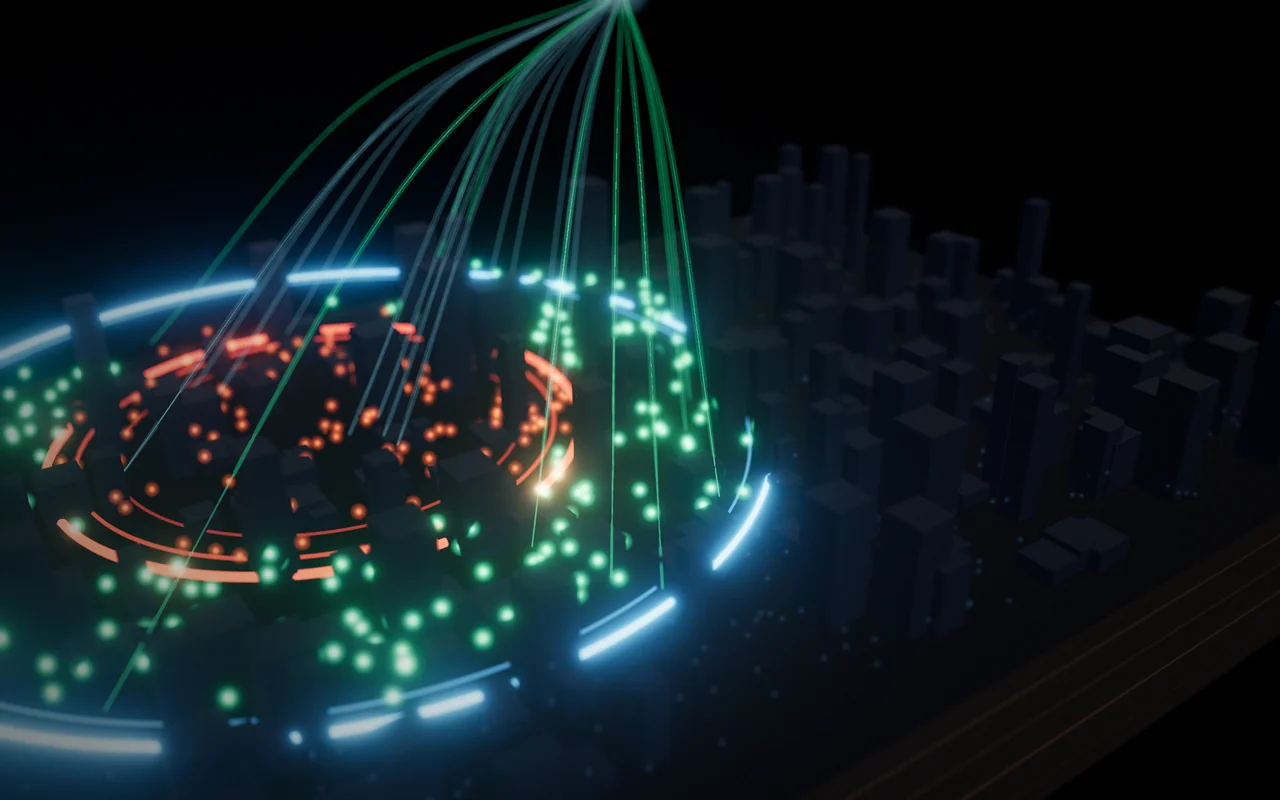
Image: Virtual Lab (3D illustration)
An earthquake sends out two kinds of waves. The faster but weaker P-wave arrives first; the slower, destructive S-wave follows. Detect the P-wave instantly and warn people, and they get anywhere from a few seconds to a minute to take cover.
Every smartphone has an accelerometer that rotates the screen. Essentially it's a tiny mass on a spring: when the phone shakes, the mass shifts and the sensor measures it. A phone lying still while charging becomes a miniature seismometer.
When many phones in one area feel shaking at once, a server recognises an earthquake, estimates its location and size, and sends alerts to phones nearby before the waves arrive. If strong shaking is expected, the alert takes over the screen with a loud alarm.
Between 2021 and 2024 the system detected more than 11,000 quakes; by March 2024 it had issued 1,279 alerts with only three false alarms. In Turkey's magnitude-6.2 quake in April 2025, the first alert went out 8 seconds after shaking began, giving people up to 20 seconds' warning.
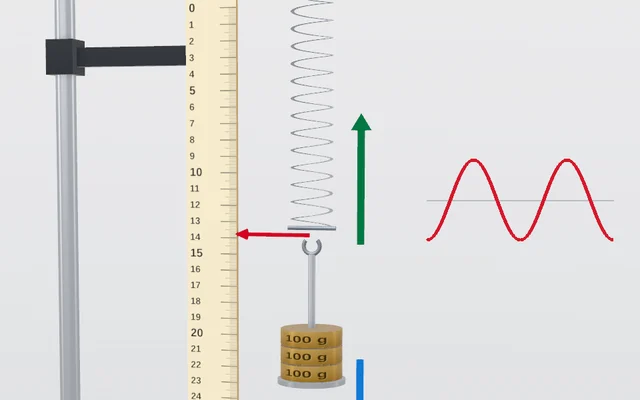 Try it in the labSpring pendulum3D lab on this site →Share on Telegram
Sources: Google Research · Live Science