The 'fifth state of matter' is made in space for the first time
The results were published on 11 June 2020 in Nature. The lab reached the station in 2018 and is operated from Earth.
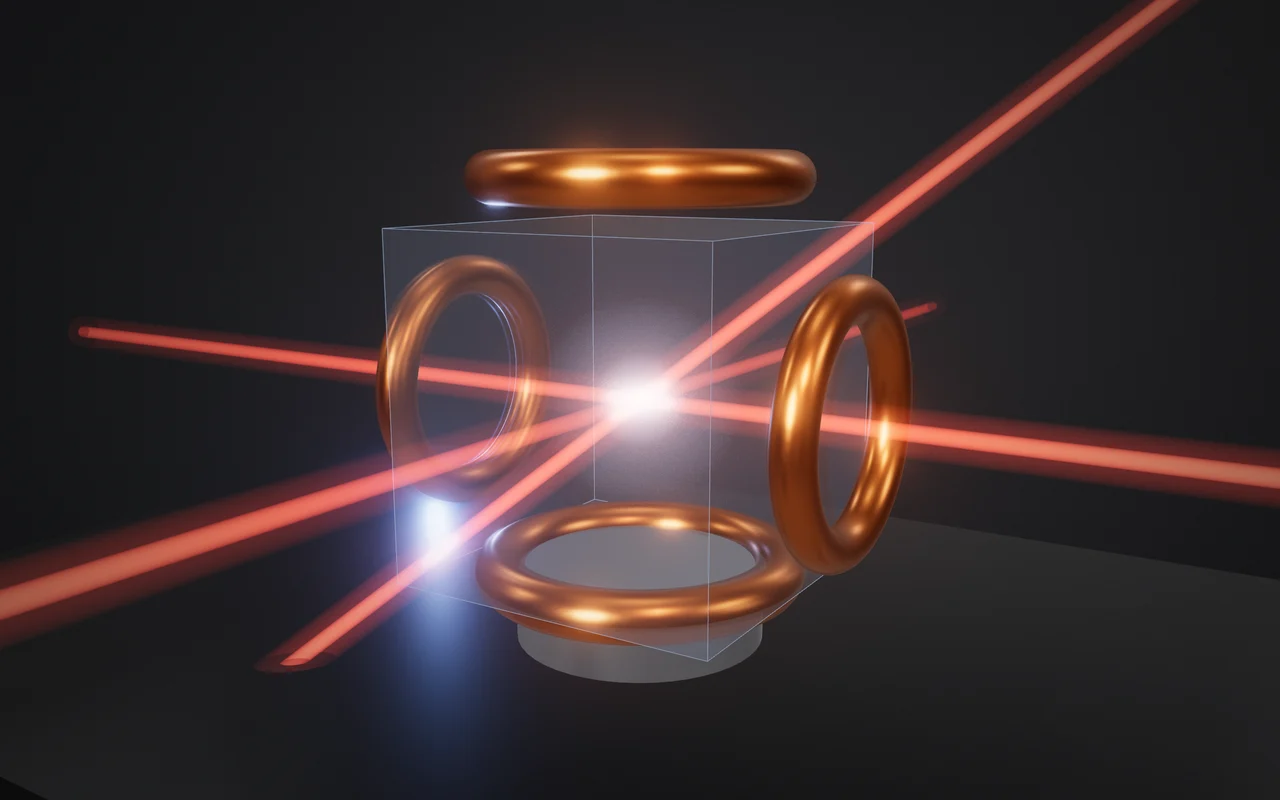
Image: Virtual Lab (3D illustration)
We know solids, liquids, gases and plasma; a Bose–Einstein condensate is the fifth state. Satyendra Nath Bose and Albert Einstein predicted it in 1924–25, and it was first made in 1995. At ultra-low temperatures the wave natures of the atoms merge and they move as one wave.
On Earth, switching off the trap lets the atoms fall under gravity, so the cloud can be watched for only tens of milliseconds. Cooling it further is also hard: holding the cloud needs a strong trap, which warms the atoms.
On the station everything is in constant free fall, so the atoms do not 'fall away'. Rubidium atoms were held in a very weak trap and cooled to less than a billionth of a degree above absolute zero; after release, the cloud was observed for more than a second.
Letting a gas expand cools it, as the gas laws tell us. In space the cloud can expand freely and get even colder, and scientists expect the lab to become the coldest place in the universe.
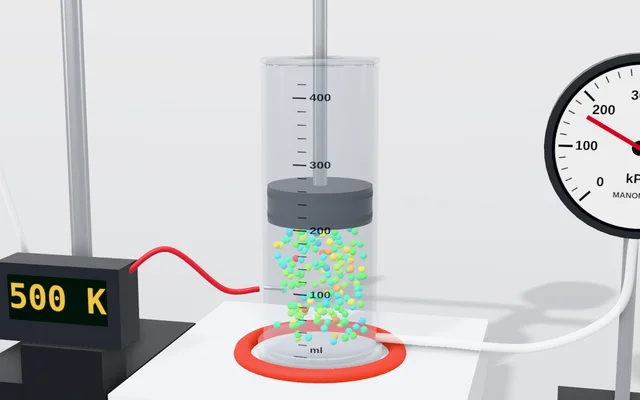 Try it in the labGas laws3D lab on this site →Share on Telegram
Sources: Nature (DOI) · Physics Today