IBM Eagle: the first quantum processor to break the 100-qubit barrier
The processor was unveiled on 16 November 2021 at the IBM Quantum Summit.
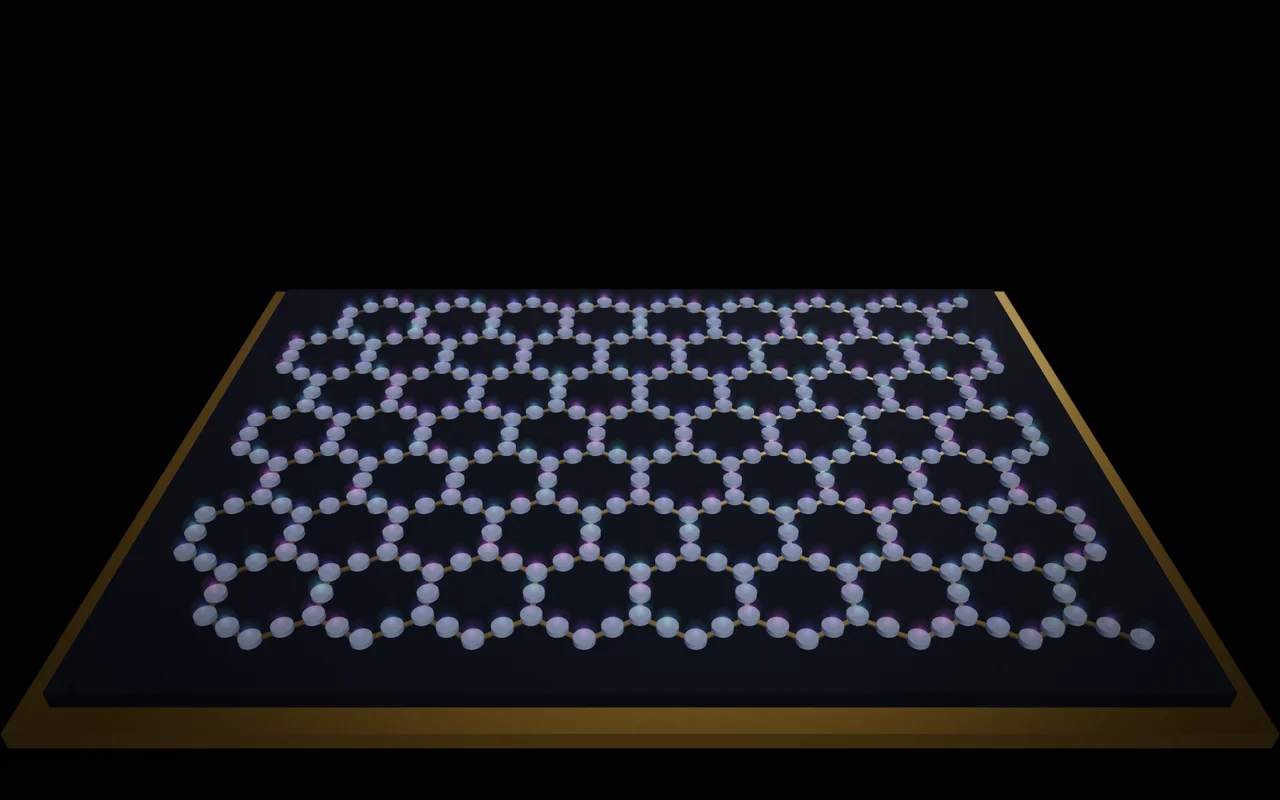
Image: Virtual Lab (3D illustration)
An ordinary bit is either 0 or 1, while a qubit can be in a blend of both at once. When qubits are entangled, the number of their joint states doubles with every added qubit — reaching 2¹²⁷ for 127 qubits.
IBM's qubits are tiny superconducting electrical circuits operating near absolute zero, about −273 °C, so the processor sits inside a special multi-tiered 'chandelier' refrigerator. The qubits are controlled with microwave pulses.
Eagle arranges its qubits in a 'heavy-hexagon' lattice in which each qubit has fewer neighbours, reducing errors, and spreads its control wiring across several layers of the chip — allowing qubit counts to keep growing.
Qubit count isn't the only measure; quality and error rates matter too. IBM went on to build the 433-qubit Osprey and the 1,121-qubit Condor, and has focused heavily on error correction.
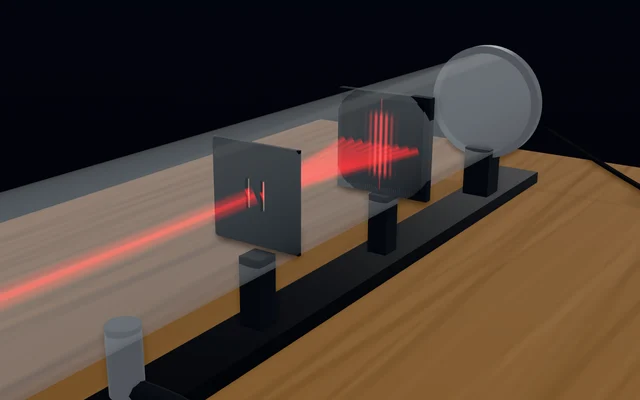 Try it in the labQuantum interference3D lab on this site →Share on Telegram
Sources: IBM Newsroom · Wikipedia