T2K: neutrinos and antineutrinos may behave differently
The results were published on 15 April 2020 in Nature and are based on data collected up to 2018.
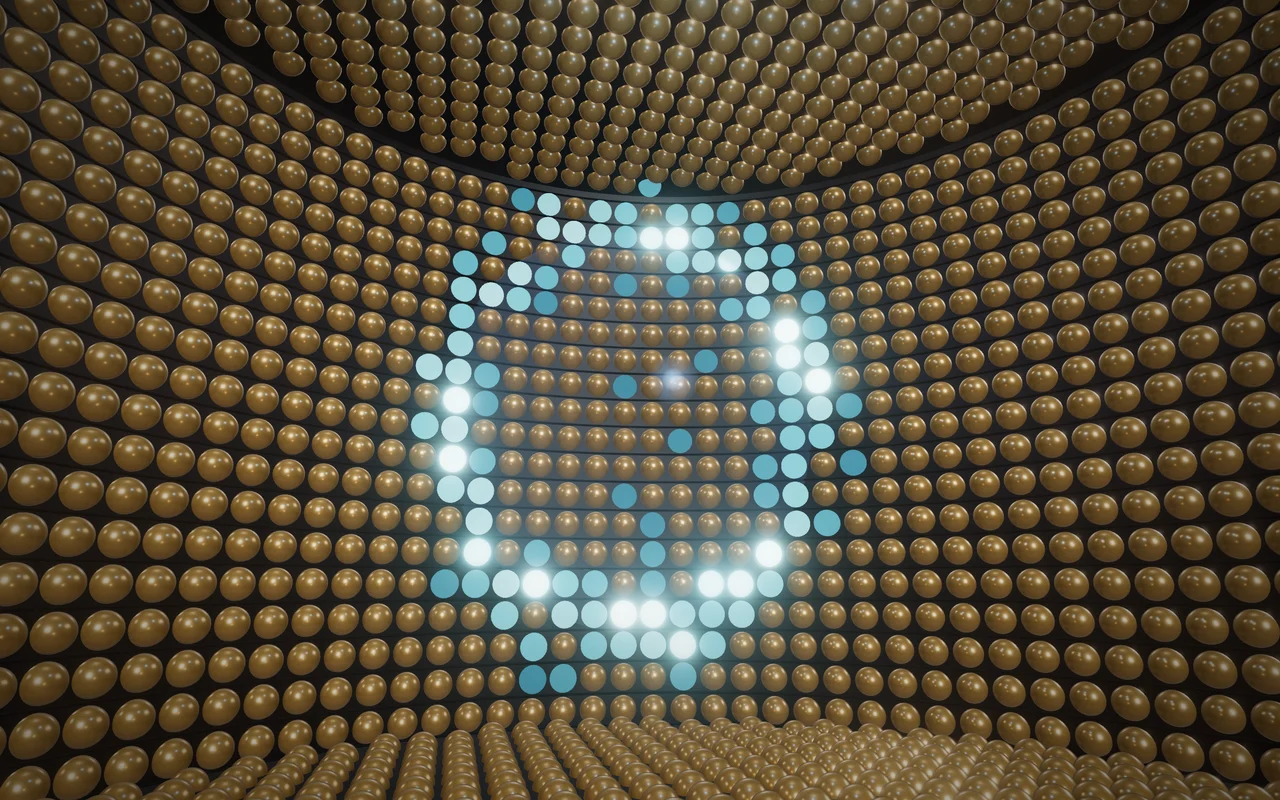
Image: Virtual Lab (3D illustration)
The neutrino is a very light particle with no electric charge that barely interacts with anything. It comes in three types and switches between them as it travels. The switching is like adding waves: several waves inside the neutrino alternately reinforce and cancel each other.
In T2K, the J-PARC accelerator in Tokai produces a beam of muon neutrinos. After travelling 295 km underground they reach the giant Super-Kamiokande water detector under Mount Kamioka, and on the way some turn into electron neutrinos.
Physicists alternated neutrino and antineutrino beams and counted how many had switched. They recorded 90 electron neutrinos and 15 electron antineutrinos, showing that neutrinos switched more readily.
The quantity describing the difference can range from −180° to 180°. T2K ruled out nearly half of those values (−2° to 165°) at 99.7% confidence. It is not yet a discovery, but it is the strongest hint so far of a matter–antimatter difference among neutrinos.
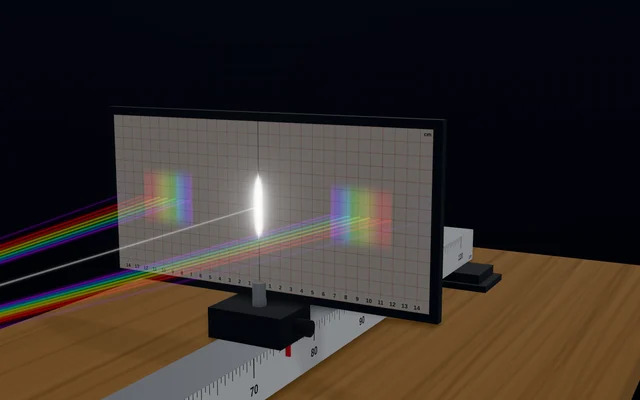 Try it in the labInterference3D lab on this site →Share on Telegram
Sources: Nature (DOI) · T2K